
Teaching a toddler patience might seem like a huge task. But you can do it! This guide will show you simple ways to help your child learn to wait. We will look at helpful strategies to build toddler waiting skills. This includes teaching impulse control toddlers need and helping young children learn to wait in fun ways. You will find many positive parenting patience tips here. They will help you handle toddler meltdowns impatience can cause.
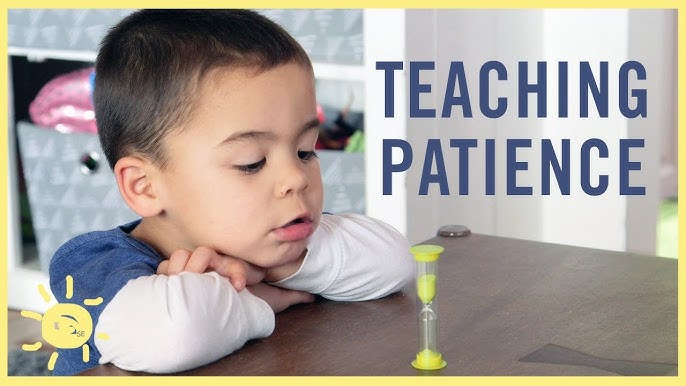
Image Source: i.ytimg.com
The Power of Patience for Little Ones
Patience is a key life skill. For toddlers, it means being able to wait a bit. It means not getting everything right away. This skill helps them in many ways. It helps them play with friends. It helps them learn new things. It even helps them feel calm.
When toddlers learn patience, they also build self-regulation skills. This means they learn to manage their own feelings and actions. They learn to handle frustration. They learn to think before they act. These skills are very important for school and life.
Why Patience Matters So Much
- Better Play: Kids can take turns. They can share toys. This makes playing more fun for everyone.
- Stronger Learning: They can focus longer. They can try again if something is hard.
- Fewer Meltdowns: They learn to cope when things don’t go their way. This means less crying and anger.
- Happier Home: Everyone feels calmer. There is less stress.
- Future Success: These skills are important for school and jobs. They help kids make good choices.
Comprehending the Toddler Mind and Patience
Toddlers are not born with patience. Their brains are still growing. The part of the brain that helps with thinking and waiting is called the prefrontal cortex. For toddlers, this part is not fully ready. This is why they often want things right now.
Think of it like this: a toddler’s brain is like a tiny computer. It’s on, but many programs are still loading. They act mostly on feelings. They want what they want. They want it now. This is normal. It is not bad behavior. It is just how little brains work. Our job is to help them learn slowly.
What to Expect at Different Ages
| Age Group | Typical Patience Level | What It Looks Like |
|---|---|---|
| 12-18 Months | Very little patience. “Now” is the only time. | Grabs toys. Cries quickly if food is not ready. |
| 18-24 Months | Can wait for very short times. Needs help. | Can wait for a quick turn. Needs a distraction. |
| 2-3 Years | Can wait for short times. Needs reminders. | Can wait for snack time with a song. Understands “first, then.” |
| 3-4 Years | Can wait longer. Starts to use coping skills. | Can wait in line for a few minutes. Can play alone briefly. |
| 4-5 Years | Can wait well. Understands rules. Can delay rewards. | Can wait for a special treat. Understands “later.” |
This table shows general age ranges. Every child is different. Some may learn faster. Some may need more time. Be kind to your child and yourself.
Key Strategies for Teaching Patience
Teaching patience is a slow process. It takes time and effort. It is not about making a toddler wait for a long time. It is about small steps. It is about helping them feel safe while they wait.
1. Start with Very Small Waits
Do not ask your toddler to wait for an hour. Start with just a few seconds. Then add more time little by little. This builds toddler waiting skills slowly.
How to Do It:
- “Just a Second”: When your child asks for something, say “Just a second.” Then count to three. Then give it to them.
- Waiting for Food: “Dinner is almost ready! Can you wait while I get your cup?” Give them a small task to do while they wait. Maybe they can get their napkin.
- Turn Taking: When playing, say “My turn, then your turn.” Show them how to wait. Use a simple timer if it helps.
2. Make Waiting Predictable and Fun
Toddlers feel safer when they know what will happen. Create routines. Use visuals. This helps them understand what comes next. It makes waiting easier.
- “First, Then” Boards: Use pictures. “First we clean up, then we play.” This helps them see the steps. It shows them the reward after the wait.
- Songs and Rhymes: Sing a song while you wait. “The waiting song! We’re waiting for our turn!”
- Timers: Use a visual timer. A sand timer or a kitchen timer. “When the sand runs out, it’s your turn!” This helps them see time passing. It is a good way of helping young children learn to wait.
3. Play Patience Games for 2 Year Olds (and up!)
Games are a great way to learn. Many games help with patience. They teach turn-taking. They teach impulse control toddlers need.
- Red Light, Green Light: Kids run on “Green Light.” They stop on “Red Light.” This teaches them to stop their bodies.
- Simon Says: “Simon says touch your nose!” This teaches listening and following rules. It helps them wait for the right command.
- Board Games: Simple board games are great. “Candy Land” or “Chutes and Ladders” teach taking turns. They teach waiting for your turn.
- “Wait and See” Box: Put a fun toy in a box. Tell your child, “We will open this after lunch.” This builds delayed gratification kids can understand.
- Hide and Seek: This game teaches waiting for a count. “Ready or not, here I come!”
| Game Name | Patience Skill Learned | How It Helps |
|---|---|---|
| Red Light, Green Light | Stopping impulses, following rules | Teaches quick stops. |
| Simon Says | Listening, waiting for instructions | Teaches listening and waiting for the right moment. |
| Simple Board Games | Turn-taking, waiting for your turn | Kids wait for others to move. |
| “Wait and See” Box | Delayed gratification | Builds excitement for a future reward. |
| Hide and Seek | Waiting for a count, stillness | Teaches waiting for a specific time. |
4. Teach Impulse Control Toddlers Can Use
Impulse control is about stopping an action. It’s about thinking before doing. This is hard for toddlers. But you can start teaching it early.
- “Stop and Think” Cues: Use a hand signal. Hold up your hand like a stop sign. Say “Stop. Think.” Then help them think about what to do next.
- Practice Self-Control: “Can you keep your hands to yourself?” “Can you wait to touch that?” Make it a game.
- Controlled Choices: Give them choices. But make them limited. “Do you want to play with the car or the block first?” This gives them some control. But it also helps them choose one thing and stick with it.
5. Be a Model of Patience
Children learn by watching. If you are patient, your child will learn to be patient too. This is one of the most important positive parenting patience tips.
- Show Your Own Patience: When you are waiting, say it out loud. “Oh, the light is red. We need to wait for it to turn green.”
- Talk About Waiting: “Mommy needs to wait for the laundry to finish. Then I can play.”
- Manage Your Own Frustration: If you get mad, show how you calm down. “I’m feeling a bit frustrated that the computer is slow. I will take a deep breath.”
6. Use the Language of Patience
Words matter. Use simple, clear words about waiting and patience.
- “Your Turn”: Use this phrase often.
- “Almost Ready”: Helps them know it’s coming.
- “Wait”: A simple command.
- “First, Then”: A clear sequence.
- “We Need to Wait”: State the fact simply.
- “Good Waiting”: Praise their effort.
7. Provide Opportunities for Delayed Gratification Kids Can Practice
Delayed gratification means waiting for a reward. It’s a big part of patience. Start small.
- Snack Time: “You can have a cookie after you eat your carrots.”
- Toy Choices: “You can play with that new toy after we clean up these blocks.”
- Special Activities: “We can go to the park after you help me put on your shoes.”
Make sure the delay is short at first. Always follow through with the reward. This builds trust. They learn that waiting is worth it.
8. Building Frustration Tolerance Preschoolers Need
Frustration is a strong feeling. It happens when things are hard. Or when things don’t go as planned. Toddlers need to learn how to deal with this feeling. This is called building frustration tolerance.
- Acknowledge Feelings: “I see you are frustrated that the tower fell down.” Name the feeling.
- Offer Help, Not Solutions: “Do you want help trying again?” Let them try first. Don’t fix it for them right away.
- “It’s Okay to Be Frustrated”: Teach them that feelings are okay. It’s how we act on them that matters.
- Problem-Solve Together: “What can we do to make it stand?” Help them think through the problem.
This helps them learn to keep trying. It teaches them that even if something is hard, they can work through it.
Strategies for Calm Toddlers: Managing Meltdowns
Even with all these tips, meltdowns will happen. Impatience is a big trigger for toddler meltdowns. Knowing how to react calmly can make a huge difference.
- Stay Calm Yourself: Your calm helps your child calm down. Take a deep breath.
- Acknowledge the Feeling: “You are very angry because you want that toy right now.” This shows you hear them.
- Set Clear Limits: “I know you want it. But we cannot have it right now.” Be firm, but kind.
- Offer a Safe Space: “Let’s sit here until you feel better.” A quiet corner can help.
- Distraction (Sometimes): For short waits, a quick distraction can help. “Look at that bird!” But don’t overuse it. They need to learn to cope.
- Revisit Later: Once calm, you can talk about it simply. “It was hard to wait for the toy, wasn’t it?”
Handling Specific Impatience Meltdowns
| Situation | How to React Calmly | What It Teaches |
|---|---|---|
| Waiting for food | “Food is coming. Let’s sing a song while we wait.” | Waiting is temporary. Fun can happen while waiting. |
| Wanting a toy another child has | “Sarah is playing with that now. Your turn is next.” | Respecting others’ turns. |
| Needing to leave a fun place | “It’s time to go. We can come back later.” | Transition skills, future planning. |
| Feeling frustrated with a task | “That looks hard. Do you want me to help you try again?” | Perseverance, asking for help. |
Developing Self-Regulation Skills in Toddlers
Patience is a big part of self-regulation. Self-regulation is like a superpower. It helps kids control their feelings and actions. It helps them solve problems.
How to Help Develop Self-Regulation:
- Name Emotions: Help your child say how they feel. “You look sad.” “Are you angry?”
- Teach Coping Skills: “When you feel mad, you can stomp your feet. Or take a deep breath.” Give them tools to use.
- Routines and Predictability: Knowing what will happen next helps kids feel safe. It gives them control.
- Give Choices: When toddlers feel some control, they can handle waiting better. “Do you want the blue cup or the red cup for water?”
- Positive Reinforcement: Praise their efforts. “You waited so nicely for your turn!” This tells them they did well.
Positive Parenting Patience Tips for Long-Term Success
Patience is a journey, not a race. Your attitude as a parent matters.
- Be Patient with Yourself: Learning takes time for everyone. Some days will be harder than others.
- Celebrate Small Wins: Did your child wait 10 seconds? That’s a win! Tell them how proud you are.
- Consistency is Key: Do the same things each time. Use the same words. This helps your child learn faster.
- Avoid Over-Scheduling: Give your child downtime. Too many activities can make anyone impatient.
- Connect Before Correct: Before trying to teach, connect with your child. Give them a hug. Listen to them.
- Choose Your Battles: Not every impatient moment needs a big lesson. Sometimes, it’s okay to just give them what they want if it’s not a big deal.
The Role of Praise and Encouragement
Praise is powerful. It shows your child what you like. When they show patience, tell them.
- “Great job waiting for your turn!”
- “You were so patient while I tied your shoe. Thank you!”
- “I saw you wanted that, but you waited. That was very kind.”
Focus on the effort, not just the result. This builds their inner strength. It helps them want to be patient more often.
What if it’s Still Hard? Common Challenges and Solutions
Even with all these tips, patience can be tough. Here are some common problems and what to do.
Challenge 1: The Child Just Can’t Wait, Even for a Second
- Solution: Go back to basics. Start with 1-2 seconds. Use a very clear visual timer. Say “Wait one, two, three!” and then give it. Make it a game. Gradually add more seconds. Keep rewards immediate for very short waits.
Challenge 2: Meltdowns Are Still Happening Often
- Solution: Look at the triggers. Is it always before a meal? Before nap time? When they are tired? Try to meet basic needs first. Make sure they are not hungry, tired, or overstimulated. Use strategies for calm toddlers. Focus on prevention. Try to get ahead of the meltdown by giving a warning or offering a choice before impatience builds up.
Challenge 3: They Don’t Understand “Later”
- Solution: Use “first, then” language. Use pictures. “First shoes, then park.” This helps them see the steps. For “later,” use a concrete time frame. “After nap time” or “after dinner.” Avoid vague “later.”
Challenge 4: Siblings Make Patience Harder
- Solution: Teach turn-taking to both children. Use a timer for shared toys. Have clear rules for sharing. Praise sharing and waiting between siblings. Sometimes, separate play for a bit can help.
Challenge 5: They Are Always Asking “Are We There Yet?”
- Solution: Have car games ready. Give warnings before long waits. “We are going on a long drive today. It will take a while.” Use special car toys. Sing songs. Have snacks ready. Make the journey part of the fun.
Remember, every child is different. What works for one may not work for another. Be flexible. Keep trying new things.
The Long-Term Reward of Patient Children
Teaching patience is a gift. It’s not just for now. It’s for their whole life. A child who learns patience learns to:
- Solve Problems: They don’t give up easily.
- Form Friendships: They can share and take turns.
- Manage Emotions: They know how to calm themselves.
- Achieve Goals: They can work towards something over time.
- Feel Good About Themselves: They know they can handle tough feelings.
You are laying the groundwork for a calm, happy child. You are teaching them how to be resilient. You are helping them build a strong inner foundation. Keep going, parent. You are doing great work.
Frequently Asked Questions (FAQ)
Q1: What is the best age to start teaching patience?
A: You can start teaching toddler waiting skills very early, even around 12-18 months. Start with very short waits (just a few seconds). As they grow, you can make the waits longer. Simple patience games for 2 year olds are a great start.
Q2: How can I teach delayed gratification kids will understand?
A: Start with very small delays. For example, “You can have your juice after you put your blocks away.” Make sure the reward follows immediately after the desired action. As they get older, the waits can be longer, like waiting for a special treat at the end of the day. Always follow through.
Q3: What if my toddler has a meltdown every time I ask them to wait?
A: This is common! It means their frustration tolerance is still low. First, acknowledge their feelings. “I see you’re mad because you want that now.” Then, offer a safe space or a calming strategy. Practice very, very short waits and praise heavily when they succeed. Building frustration tolerance preschoolers need takes time and gentle support. Avoid long lectures during a meltdown.
Q4: Are there specific toys that help with patience?
A: Yes! Toys that require sequencing or waiting can help. Puzzles, shape sorters, simple board games (like Candyland), or building blocks where they have to wait for pieces. Anything that promotes turn-taking also helps.
Q5: How do I know if my child is making progress?
A: Look for small signs! Maybe they waited 5 seconds instead of 2. Or they asked for help instead of throwing a toy. Or they used a calming strategy you taught them. Celebrate these small steps. Progress isn’t always big leaps.
Q6: Should I always make my toddler wait, even if it’s easier to give in?
A: No, you don’t have to make them wait for everything. Pick your battles. Choose specific times to practice patience, like waiting for food, a turn, or a quick chore. If you are very busy and it’s not a teaching moment, it’s okay to give in sometimes. The goal is to teach the skill, not to cause stress.
Q7: What are some positive parenting patience tips?
A: Always be patient with your child, model patience yourself, use positive language (“Good waiting!”), celebrate small successes, and be consistent with your rules. Focus on teaching and guiding, not just punishing. Use “first, then” statements, and give choices where possible.