
Many parents ask: When to convert crib to a toddler bed? This usually happens when your child is about 18 months to 3 years old, or shows signs of readiness, such as climbing out. Can I turn my crib into a toddler bed? Yes, you can, especially if you have a convertible crib designed for this. What is a crib conversion kit? This is a special set of parts, often including a new front rail, needed to change your crib into a toddler bed. Who can do this? Any parent with basic tools and a bit of time can turn a crib into a safe toddler bed. This guide will show you how to do it simply and safely.
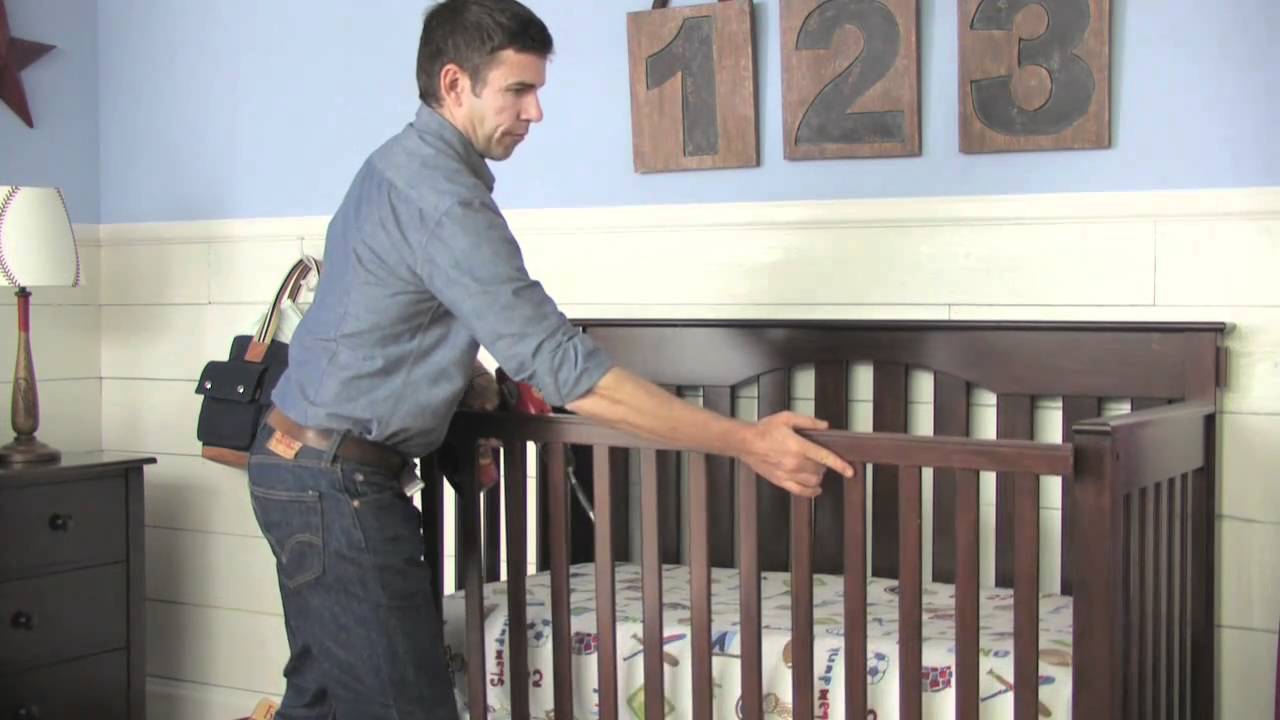
Image Source: i.ytimg.com
Why Make the Switch?
Moving your child from a crib to a toddler bed is a big step. It marks a new stage in their growth. A toddler bed is lower to the ground. This makes it easier and safer for your child to get in and out on their own. It helps them feel more grown-up and independent. This move also frees up the crib for a new baby, if you plan to have one. Or, it can make more space in the room.
Knowing When to Convert Crib
The best time to move your child to a toddler bed is different for each family. It depends more on your child’s growth than on a strict age. While the age for toddler bed is often between 18 months and 3 years, signs of readiness are key. Watch your child closely for these important clues.
Assessing Readiness Signs
Looking for toddler bed readiness signs helps you pick the right time. These signs fall into two main groups: physical and behavioral.
-
Physical Signs:
- Climbing Out: This is the most common and urgent reason. If your child can climb out of the crib, even if the mattress is at its lowest point, it is no longer safe. This means they could fall and get hurt.
- Being Too Tall: If your child’s chest reaches the top rail of the crib, it is time for a change. They might try to pull themselves over the side.
- Growth: Your child might simply look too big for the crib. Their legs might hit the ends, or they might seem cramped.
-
Behavioral Signs:
- Asking for a “Big Kid” Bed: Your child might start talking about wanting a “big kid” bed. This shows they are ready for the idea.
- Potty Training: If your child is potty training, a bed they can get out of by themselves is very helpful. This lets them go to the potty when they need to.
- Wanting More Freedom: They might show a general wish for more independence. This could be in how they play, dress, or talk. A toddler bed gives them more control.
- Sleeping Habits: They might be sleeping well through the night but wake up and want to get out.
Here is a quick guide to help you decide:
| Readiness Factor | Description | Action if Present |
|---|---|---|
| Age Range | Generally 18 months to 3 years old. | Use as a guide, not a strict rule. |
| Climbing Out | Child tries or succeeds in climbing over the crib rail. | Convert immediately. This is a safety risk. |
| Height | Child’s chest is level with or above the top crib rail. | Consider converting soon. |
| Potty Training | Child is actively potty training and needs access to the bathroom at night. | A toddler bed helps with independence for potty breaks. |
| Verbal Cues | Child asks for a “big kid” bed. | A good sign they are mentally ready. |
| General Readiness | Shows a desire for more freedom, follows instructions well. | These signs mean a smoother transition is likely. |
Ensuring Crib to Toddler Bed Safety
Safety must be your top concern when you change a crib into a toddler bed. A toddler bed is lower, but new risks can pop up. Make sure the child’s sleeping area and room are very safe. This part of crib to toddler bed safety covers many important steps.
Key Safety Checks for the Bed
- Secure Structure: Check that all parts of the bed are tight and strong. The bed should not wobble or creak. All screws and bolts must be in place and tight.
- Mattress Fit: The mattress must fit tightly in the bed frame. There should be no gaps larger than two fingers between the mattress and the bed frame. Gaps can trap a child’s head or body.
- No Sharp Edges or Splinters: Run your hand over all parts of the bed. Make sure there are no sharp edges, rough spots, or splinters that could hurt your child. If there are, smooth them out or sand them down.
- Lead-Free Paint: If you are using an older crib, ensure any paint on it is lead-free. Lead paint is very harmful to children. Most newer cribs use safe paints.
- Weight Limit: Check the bed’s weight limit. Most toddler beds are made for children up to 50 pounds (about 22 kg). Make sure your child is still within this safe limit.
The Importance of a Toddler Bed Rail
A toddler bed rail is a vital safety item for many children. It stops your child from rolling out of the bed while they sleep. Even if the bed is low, a fall from it can still cause injury.
- When to Use: Use a bed rail when your child first moves to a toddler bed. Keep using it until you are sure your child can sleep safely without rolling out.
- Types of Rails:
- Built-in Rail: Many convertible cribs come with a short rail that is part of the crib conversion kit. This is often the safest and best fit.
- Aftermarket Rail: If your crib does not come with a rail, you can buy one separately. Choose one that fits tightly against the bed frame and mattress. It should not have any gaps where a child could get stuck.
- Proper Placement: The rail should cover a good part of the bed’s open side. It should be long enough to stop rolls but leave room for your child to get in and out at the foot of the bed.
- No Gaps: Check that there are no spaces between the rail and the mattress where a child could get trapped.
Room Safety beyond the Bed
Once your child is out of the crib, they can move freely in their room. This means the whole room needs to be childproofed.
- Anchor Furniture: All heavy furniture, like dressers, bookshelves, and TV stands, must be anchored to the wall. Use anti-tip kits. Children can climb these items, causing them to fall over.
- Cover Outlets: Use safety covers on all electrical outlets.
- Cord Safety: Keep blind and curtain cords out of reach. Long cords are a strangling risk.
- Clear Pathways: Make sure the path from the bed to the door and bathroom is clear. Remove rugs that can slip. Remove tripping hazards like toys.
- Secure Windows: Install window guards or stops on all windows. This stops children from opening windows too far or falling out.
- Remove Hazards: Take out any small items that could be choking hazards. Also, remove anything toxic or dangerous from their reach.
- Door Safety: Consider using a doorknob cover on the inside of their room door if you want to keep them in at night. Or, use a baby gate in the doorway if you want to limit where they go.
- Soft Landings: While not always needed, some parents put a soft rug or floor mat next to the bed as an extra layer of safety. This can cushion a fall if a child rolls off the bed.
By taking these steps, you create a safe and secure environment for your child as they enjoy their new “big kid” bed.
Preparing for Your DIY Crib to Toddler Bed Project
Before you begin the hands-on part of the DIY crib to toddler bed change, gather everything you need. This helps the process go smoothly.
Check Your Crib Type
First, know your crib. Many modern cribs are “convertible.” This means they are designed to change into a toddler bed, and often later into a daybed or full-size bed.
- Convertible Cribs: These cribs typically come with convertible crib instructions for each stage. They may also include parts for the toddler bed conversion or tell you to buy a specific crib conversion kit.
- Standard Cribs: If your crib is not convertible, changing it might be harder or even impossible. Some standard cribs can be changed by simply removing the front rail and adding a separate toddler bed rail. But check the crib’s design and structure carefully. Make sure it will still be stable without the front rail. Never remove a side if it makes the crib unsafe.
Gathering Tools and Materials
Having all your tools ready before you start saves time and frustration.
| Tool/Material | Purpose | Notes |
|---|---|---|
| Crib Conversion Kit | If your crib is convertible, this kit contains the needed parts (e.g., short rail). | Check your crib’s brand and model to get the right kit. These kits often include the new front rail and any needed hardware. |
| Screwdriver Set | For loosening and tightening various screws (Phillips, flathead, Allen wrenches). | Many cribs use Allen (hex) wrenches. Make sure you have the correct sizes. Keep the original Allen wrench that came with the crib; it is often the right size. |
| Adjustable Wrench | For nuts and bolts that may be present. | Less common for cribs but good to have just in case. |
| Safety Goggles | Protect your eyes from dust or falling debris. | Always a good idea for any DIY project. |
| Owner’s Manual | Step-by-step guidance from the crib maker. | Essential! This has the exact convertible crib instructions for your model. If you lost it, check the manufacturer’s website; many offer digital copies. |
| Plastic Bags/Cups | To hold screws and small parts as you take them off. | Label them! This helps you keep track of which screws go where, especially if parts are different sizes. |
| Soft Cloth/Towel | To protect floor or crib parts from scratches. | Place under parts as you work. |
| Vacuum Cleaner | For quick cleanup of dust or debris. | After the work is done, make sure the area is clean before putting the mattress back. |
| Toddler Bed Rail | If your conversion kit doesn’t have one, or your crib isn’t convertible. | Measure your bed frame length to get the right size. Make sure it fits tightly. |
| Wood Filler/Sander | Optional: For filling holes from removed parts or smoothing rough spots. | If you remove hardware and it leaves holes, you might want to fill them for looks or to prevent little fingers from getting caught. |
The DIY Crib to Toddler Bed Transformation: Step-by-Step
This section covers the actual baby crib conversion steps. Follow these steps to safely change your crib into a toddler bed. Always refer to your specific convertible crib instructions as well, as models can vary.
Step 1: Clear the Area and Prepare the Crib
- Remove Bedding: Take out the mattress, sheets, and any bumpers or toys from the crib.
- Clear the Room: Move any furniture or items that might get in your way. You need enough space to work around the crib.
- Protect Your Floor: Lay a soft cloth or blanket on the floor where you plan to work. This stops the crib parts from scratching your floor or getting damaged themselves.
Step 2: Lower the Mattress (If Not Already Done)
- Your crib mattress should already be at its lowest setting for safety. If it is not, adjust it now. This is a crucial step for crib to toddler bed safety. A low mattress makes it easier and safer for your child to get in and out of their new bed.
- You will need to unscrew the mattress support from the higher settings and reattach it to the lowest ones.
Step 3: Remove the Front Crib Rail
This is the main step for DIY crib to toddler bed conversion.
- Locate Hardware: Find the screws or bolts that hold the front rail in place. These are usually on the top and bottom corners of the rail, attaching it to the side rails.
- Loosen Hardware: Using the correct screwdriver or Allen wrench, slowly loosen these screws or bolts. Do not remove them completely yet.
- Support the Rail: As the hardware loosens, the rail might become wobbly. Have someone help you hold the rail if needed.
- Remove Hardware: Once loose, carefully remove all the screws or bolts. Put them in a labeled bag or cup. This is important, especially if you plan to convert it back to a crib later or if some screws are needed for the toddler bed conversion kit.
- Lift Off the Rail: Gently lift the front rail away from the crib frame. Set it aside in a safe place. Keep it in good condition if you might use it again.
Step 4: Install the Toddler Bed Conversion Kit (If Applicable)
If your crib is a convertible model, you will likely have a crib conversion kit. This kit usually includes a shorter, lower front rail.
- Follow Kit Instructions: This is where your convertible crib instructions from the manufacturer are most important. They will show you exactly how to install the new parts.
- Attach New Rail: The new, shorter rail will usually attach to the same holes where the full front rail was. Line up the holes on the new rail with the holes on the crib’s side rails.
- Secure Hardware: Insert the screws or bolts from the kit (or the original ones, if the instructions say so) and tighten them firmly. Do not overtighten, as this can strip the wood or metal. Make sure the rail is steady and does not wobble.
Step 5: Add a Toddler Bed Rail (If Needed)
If your crib did not come with a conversion kit or if the kit does not include a safety rail, you will need to add a separate toddler bed rail.
- Choose Placement: Decide where the rail will go. It should be long enough to stop your child from rolling out but leave space at the foot of the bed for them to get in and out.
- Install According to Rail Instructions: Each bed rail has its own way to install. Some slide under the mattress, some screw into the bed frame. Follow the directions that come with your specific rail.
- Check for Gaps: Once installed, check for any gaps between the rail and the mattress or the bed frame. There should be no gaps larger than two fingers wide where a child could get trapped.
Step 6: Reinstall the Mattress and Bedding
- Place Mattress: Put the crib mattress back into the bed frame. Make sure it fits snugly.
- Add Bedding: Put on the fitted sheet, and a light blanket or sleeping sack. Avoid loose blankets, pillows, or soft toys for very young toddlers (under 1 year) to reduce suffocation risks. For older toddlers, use appropriate bedding.
Step 7: Final Safety Check
- Shake Test: Gently shake the entire bed frame. It should be stable and not wobble.
- Tighten All Screws: Go around and check every screw and bolt. Make sure they are all tight.
- Check for Hazards: Look for any sharp edges, splinters, or rough spots. Smooth them out if you find any.
- Room Scan: Do a final scan of the room for any potential hazards. Ensure all furniture is anchored, cords are out of reach, and outlets are covered. This is part of the crib to toddler bed safety checks.
You have now successfully converted your crib into a toddler bed!
Making the Transition Smooth
Moving to a “big kid” bed is a major change for your child. It can be exciting but also a bit scary for them. These toddler bed transition tips can help make it a good experience.
Involve Your Child
- Talk About It: Start talking about the “big kid” bed days or weeks before the change. Use happy words. Say things like, “Soon you’ll have a special big bed like Mommy and Daddy!”
- Go Shopping: Let your child pick new sheets or a special pillow if they are old enough. This gives them a sense of ownership.
- Help with Conversion: If it is safe, let them “help” you during the conversion. They can hand you a tool or just watch. This makes them feel part of the process.
Keep Bedtime Routines
- Stick to the Schedule: Keep your usual bedtime routine the same. This means bath, story, quiet time, and then bed. A routine helps your child feel safe and know what comes next.
- Familiar Comforts: Make sure their new bed has familiar items. This includes their favorite stuffed animal, blanket, or pacifier. These items bring comfort.
Celebrate the Milestone
- Make it Fun: The first night in the new bed can be a special event. Read an extra story. Give them a special “big kid” sticker.
- Praise Them: Give lots of praise for staying in their new bed. “You did such a great job sleeping in your big bed!”
What to Do If Things Go Wrong
It is normal for toddlers to get out of bed. This is new for them.
- Be Calm and Firm: When they get out, gently but firmly put them back in bed. Say, “It is bedtime. You need to stay in your bed.”
- Repeat as Needed: You might need to do this many times the first few nights. Be patient. Do not talk much, do not give them toys, and do not let them play. Just put them back.
- Childproof the Room (Again!): Make sure their room is very safe. If they get out, they should not be able to get into trouble.
- Consider a Gate: If they keep leaving their room, a baby gate in the doorway can keep them safe in their room until they learn to stay in bed.
Beyond the Conversion: The New Room Setup
Once the bed is ready, think about the rest of the room. This makes the space truly ready for a toddler.
Bedding and Comfort
- Toddler Bed Sheets: Most toddler beds use a standard crib mattress, so your crib sheets will likely fit. This saves you from buying new ones.
- Pillows and Blankets:
- Age Matters: For very young toddlers (under 18 months), keep bedding simple. A fitted sheet and a light sleeping sack are best. Avoid loose blankets and pillows.
- Older Toddlers: As they get older, a small, flat pillow and a light blanket are fine. Choose breathable fabrics.
- Comfort Items: Allow your child to have a few comfort items like a favorite stuffed animal or lovey in the bed. These help them feel secure.
Lighting and Nighttime Needs
- Nightlight: A soft nightlight can help ease fears of the dark and help your child find their way if they need to get up.
- Path to Bathroom: If your child is potty trained, make sure the path from their bed to the bathroom is clear and well-lit by a nightlight.
Storage and Play Space
- Accessible Storage: Make sure toy bins and book shelves are low and easy for your child to reach. This helps them pick up their own toys.
- Safe Play Area: Designate a clear area for play. Ensure heavy furniture is anchored to the wall to prevent tipping. Remove any small objects that could be choking hazards.
- Door Safety: Consider whether you want a doorknob cover on the inside of their bedroom door. This stops them from leaving their room if they get out of bed in the middle of the night. Or, a baby gate in the doorway can serve the same purpose.
Frequently Asked Questions (FAQ)
Q1: How long can a child stay in a toddler bed?
A1: A child can typically stay in a toddler bed until they are around 4 or 5 years old, or until they outgrow it in height or weight. Most toddler beds have a weight limit of about 50 pounds. When your child’s feet touch the end of the bed while they are fully stretched out, it might be time for a twin bed.
Q2: Do I need special sheets for a toddler bed?
A2: No, you usually do not. Most toddler beds use the same size mattress as a standard crib. So, your existing crib fitted sheets should fit your toddler bed mattress. This makes the switch easy on your wallet.
Q3: My child keeps getting out of their toddler bed. What should I do?
A3: This is very common. The key is to be calm, firm, and consistent. When your child gets out, gently and silently put them back in bed. Say a simple phrase like, “It’s bedtime. Stay in your bed.” Do not scold, talk much, or let them play. Just put them back as many times as needed. Make sure their room is very safe so they cannot get hurt if they do get out. A baby gate in the doorway can also help keep them safe in their room.
Q4: Can I convert any crib into a toddler bed?
A4: Not all cribs can be safely converted. Many modern cribs are “convertible” and are designed for this change, often coming with specific instructions and parts (a crib conversion kit). If your crib is not convertible, it might not be safe to remove one side, as this could weaken the frame. Always check your crib’s owner’s manual or the manufacturer’s website before trying to convert a non-convertible crib. Safety comes first.
Q5: What if my child is afraid of their new bed?
A5: Fear is a normal feeling. Try to make the new bed a fun, safe place. Let them help pick out a new blanket or a fun pillow. Read stories in the new bed. If they are scared, sit with them for a bit, but still encourage them to stay in the bed. A favorite stuffed animal or a nightlight can also help. Keep routines normal and consistent.
Turning a crib into a toddler bed is a big step for your child. It is also a chance for them to grow. By following these steps and focusing on safety, you can make the change smooth and happy for everyone. Enjoy this new stage with your little one!