
Image Source: assets.childrens.com
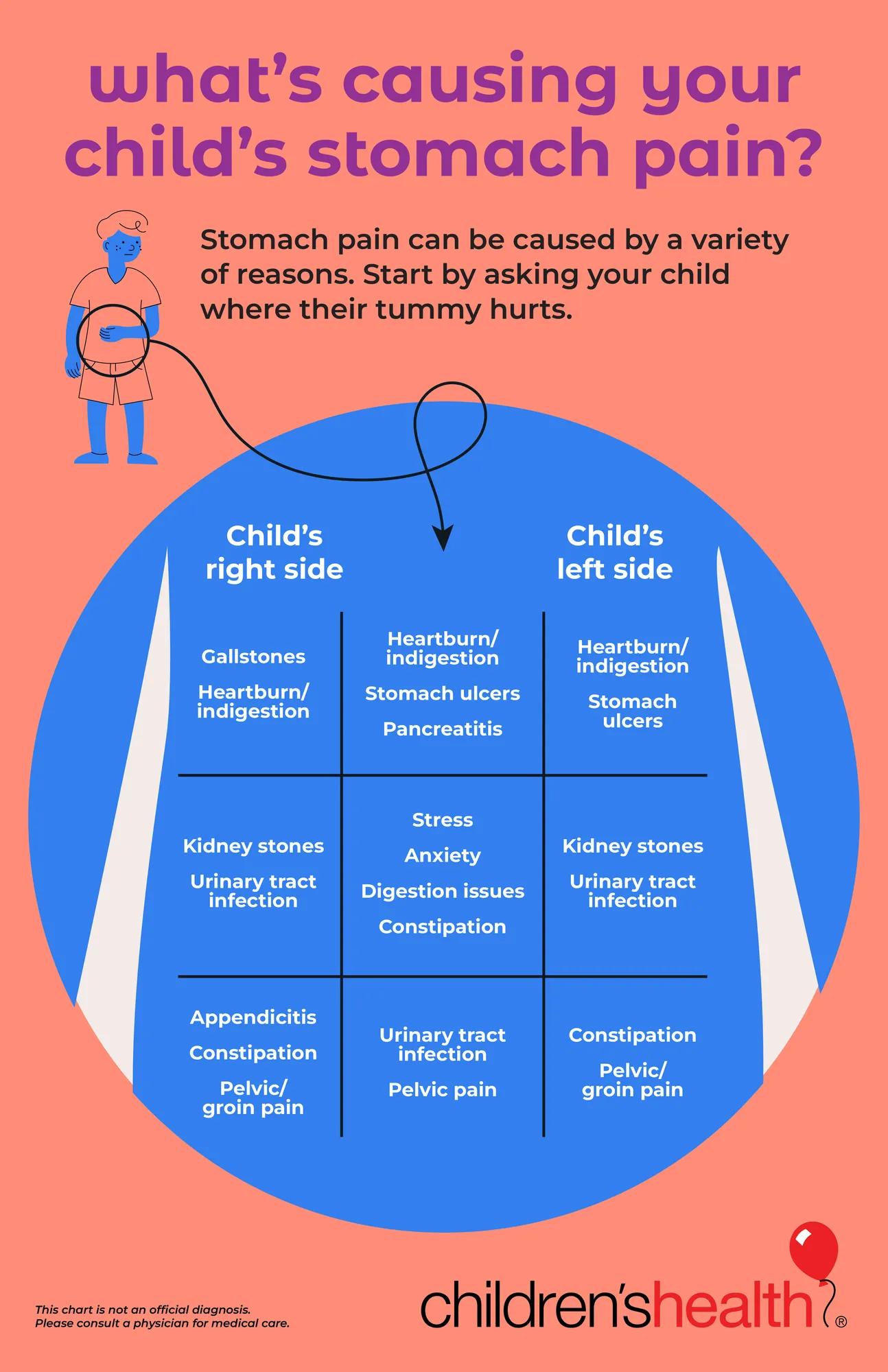
Guide On How To Help Toddler With Upset Stomach At Home
Helping a toddler with an upset stomach can be tough. It is scary to see your little one in pain. What are the signs of stomach flu in toddlers? They may include throwing up, loose poop, tummy pain, and fever. Can you give probiotics to your toddler for digestive issues? Yes, certain probiotics can help balance their gut and ease issues. When should you call the doctor for toddler vomiting? Call if your child shows signs of dehydration, has a high fever, severe pain, or if vomiting lasts a long time. What are the best foods for a sick toddler? Simple, bland foods like toast, bananas, and rice are often best. What are dehydration symptoms in toddlers? Look for a dry mouth, few wet diapers, no tears when crying, and low energy. This guide will help you soothe your child’s tummy at home and know when to seek help.
Grasping Toddler Tummy Troubles
Toddlers often get upset stomachs. It can be from many things. They touch everything and put hands in their mouths. This makes them prone to germs. Eating new foods can also cause tummy upsets. Sometimes, it’s just a bug going around. Knowing what causes it helps you act fast.
What Makes Little Tummies Hurt?
Many things can cause a toddler’s tummy to ache. It is good to know the common causes.
- Viruses: These are the most common cause. Viruses like the rotavirus or norovirus can cause stomach flu. They lead to vomiting and loose poop.
- Bacteria: Food poisoning can happen from bacteria. This is often from bad food. It can cause sudden and strong tummy pain, vomiting, and loose poop.
- New Foods: Sometimes, a new food might not agree with your child. Or they might eat too much of something.
- Constipation: If your toddler has trouble pooping, their tummy can hurt. This is often due to not enough fiber or water.
- Food Sensitivities: Some kids react to certain foods. This could be dairy or gluten. This is different from an allergy.
- Stress: Yes, even little ones can get tummy aches from worry. This is less common but can happen.
Knowing the cause helps you treat it right. But for most tummy aches, the first steps are the same: comfort and hydration.
Signs a Toddler’s Tummy Hurts
It can be hard to tell what a toddler feels. They cannot always say “my tummy hurts.” Look for these signs.
- Crying and fussiness: They might be more irritable than usual.
- Holding or pointing to their tummy: They might show you where it hurts.
- Loss of appetite: They may not want to eat their favorite foods.
- Vomiting: Throwing up food or liquid.
- Loose poop (diarrhea): Poop that is very watery.
- Fever: Their body temperature might be higher than normal.
- Low energy: They might seem tired or sleepy.
- Pale skin: Their skin might look lighter than usual.
It is important to watch for dehydration symptoms in toddlers. These are signs your child is not getting enough fluids.
Table: Dehydration Symptoms in Toddlers
| Symptom | What It Looks Like | Why It Matters |
|---|---|---|
| Dry Mouth | Inside their mouth feels sticky or dry. | Less spit means less body water. |
| Few Wet Diapers | Less than 6 wet diapers in a day, or none for 8 hours. | Their body is saving water. |
| No Tears | When they cry, no tears come out. | Tears need water. |
| Sunken Soft Spot | The soft spot on a baby’s head looks lower. | The brain space needs fluid. (For babies mostly) |
| Sunken Eyes | Their eyes look deeper in their head. | Tissues around eyes lose fluid. |
| Low Energy | Very sleepy, less playful, no interest in things. | Body does not have enough energy from water. |
| Fast Heartbeat | Their heart beats faster than normal. | Body tries to move blood with less fluid. |
| Cool, Pale Skin | Their skin feels cold and looks very light. | Blood flow is less to the skin. |
If you see these signs, it is a big red flag. Your child needs fluids right away.
The signs of stomach flu in toddlers often include vomiting and diarrhea. They might also have a low fever. The flu makes them feel very tired and sick. It is a common illness that often passes in a few days. But you must watch for dehydration closely.
First Steps to Soothe a Toddler’s Tummy
When your toddler has an upset stomach, your first goal is to make them feel better. This means giving them fluids and simple foods. You also want to make them comfy. These steps can offer toddler stomach ache relief.
Keeping Your Child Hydrated
This is the most important step. Vomiting and diarrhea make your child lose a lot of fluid. You must replace it. Do not give them plain water only if they are sick. Water does not have enough salts or sugars.
- Small Sips, Often: Do not give a lot of liquid at once. This can make them throw up again. Offer one or two tablespoons every 10-15 minutes.
- Electrolyte Solution: An
electrolyte solution for kidsis best. Brands like Pedialyte or store brands are good choices. They have the right mix of water, salts, and sugar. This helps their body soak up the water. Give these cold. Kids often like them better that way. - Avoid: Stay away from juice, soda, and sports drinks. Juice has too much sugar, which can make diarrhea worse. Soda and sports drinks do not have the right balance of electrolytes for sick kids.
Keep offering fluids even if they throw up some. A little bit stays down. This gentle and steady approach helps keep them hydrated.
Easy Foods for Little Tummies
When your toddler feels ready to eat, start with very simple foods. Do not force them to eat. Their body needs to rest. Bland foods are best. This is where the BRAT diet for children comes in handy.
Table: BRAT Diet for Children and Other Easy Foods
| Food Type | Details | Why It Helps |
|---|---|---|
| Bananas | Ripe bananas. | Easy to digest, gives energy, replaces potassium. |
| Rice | Plain white rice, well-cooked. | Easy to digest, low fiber, helps firm up poop. |
| Applesauce | Unsweetened applesauce. | Easy to digest, gives energy, some vitamins. |
| Toast | Plain white toast, no butter or jam. | Easy to digest, light source of energy. |
| Crackers | Plain saltine crackers. | Light, salty, can help settle the stomach. |
| Plain Pasta | Boiled pasta, no sauce or cheese. | Easy to digest, simple energy source. |
| Cooked Carrots | Soft, cooked carrots. | Gentle, provides vitamins. |
| Chicken Broth | Clear, low-salt chicken broth. | Hydrating, provides some nutrients, comforting. |
These are the best foods for sick toddler. Start small. A few bites at a time. If they keep it down, offer a bit more after an hour or two. Do not worry if they do not eat much for a day or two. Hydration is more important. Their appetite will come back as they feel better.
Comfort Measures at Home
Beyond food and drink, comforting your child is key to soothing upset toddler tummy.
- Rest: Make sure they get lots of rest. Their body needs energy to fight the sickness. Let them sleep as much as they want. Keep the house quiet.
- Warmth: A warm bath can help relax them. A warm compress or hot water bottle (wrapped in a towel) on their tummy might ease pain. Always check the temperature first. Make sure it is not too hot.
- Distraction: If they are not too sick, try gentle distractions. Read a book, watch a quiet movie, or play a calm game. This can take their mind off the pain.
- Snuggles: Lots of hugs and cuddles from you can make a big difference. Your presence makes them feel safe and loved.
- Fresh Air: Sometimes a little fresh air can help. Open a window or take them outside for a few minutes if they feel up to it. Avoid cold drafts.
- Loose Clothes: Dress your toddler in loose, soft clothes. This makes them more comfortable. Tight waistbands can press on a sore tummy.
These comfort tips work with the hydration and food steps. They help your child heal and feel better overall.
Natural Ways to Ease Discomfort
Some parents like to use natural remedies for toddler nausea. These remedies are gentle. They can help calm a queasy tummy. Always use them with care. Talk to your doctor before trying new remedies, especially for very young children.
Herbal Teas and Ginger
Certain natural items are known for calming upset stomachs.
- Ginger: Ginger is great for nausea. You can give your toddler a small amount of ginger tea. Use a small piece of fresh ginger root. Grate it and steep it in hot water. Let it cool fully. Give a few sips at a time. Some health food stores sell ginger chews or lollipops. Make sure they are for kids.
- Peppermint Tea: Peppermint can also help with nausea. Make a very weak peppermint tea. Use a small amount of dried peppermint leaves. Let it cool. Offer sips. Some kids like the taste.
- Chamomile Tea: Chamomile is known for its calming effect. It can also help relax stomach muscles. Make a weak tea. Let it cool. It can help them rest too.
Always make sure teas are weak. Never give too much. Start with a tiny amount to see how your child reacts. Sweeten with a tiny bit of honey only if your child is over one year old. Honey is not safe for babies under one.
Gentle Pressure and Warmth
Simple physical comforts can bring relief.
- Gentle Tummy Rub: Lie your child on their back. Use your flat hand. Gently rub their tummy in a slow, clockwise circle. Use light pressure. This can help move gas and ease cramps.
- Warm Compresses: A warm cloth or a warm water bottle (wrapped in a towel) on their tummy can soothe muscles. Make sure it is warm, not hot. Test it on your wrist first. The warmth can relax tight tummy muscles.
- Foot Massage: Some believe that massaging your child’s feet can help. Gently rub their feet, especially the arch. This can help them relax overall.
These natural methods are not cures. But they can offer good natural remedies for toddler nausea and discomfort. They work best when combined with rest and proper hydration.
When to Consider Supplements
Sometimes, a little extra help can be useful. For stomach issues, probiotics are often mentioned.
Probiotics: A Helping Hand for Guts
Probiotics are “good” bacteria. They live in the gut. They help keep the digestive system healthy. When a toddler has an upset stomach, their balance of good and bad bacteria can be off.
- What they do: Probiotics can help restore the natural balance in the gut. This can reduce the length and harshness of diarrhea. They might also help with certain stomach pains.
- When to use them: Many doctors suggest
probiotics for toddler digestive issues. They are often given after a course of antibiotics. Antibiotics can kill good bacteria along with bad ones. Probiotics can also be helpful during or after a stomach bug. - Types of probiotics: Look for probiotics made for children. They come in drops, chewable tablets, or powders. Make sure the product has a mix of strains. Lactobacillus rhamnosus GG (LGG) and Saccharomyces boulardii are two strains often studied for tummy issues in kids.
- How to give them: Follow the package directions. You can mix powders into cold food or drink. Do not mix them into hot food or drink. Heat can kill the good bacteria.
It is always best to talk to your child’s doctor before starting any supplement. They can tell you the right type and dose for your child.
Knowing When to Seek Medical Help
Most toddler tummy aches pass on their own. But some signs mean you need to call a doctor. It is vital to know when to call doctor for toddler vomiting and other serious symptoms.
Warning Signs to Watch For
Pay close attention to how your child is doing. If you see any of these, call your doctor right away.
- Severe Dehydration: If your child has many
dehydration symptoms in toddlers. For example, they seem very sleepy, have no tears, a dry mouth, and are not peeing. - High Fever: A fever over 102°F (39°C) in a toddler, especially if they are also throwing up.
- Severe Pain: Your child is crying a lot from pain. They cannot get comfortable. Their tummy feels hard or bloated.
- Vomiting Blood or Green/Yellow Fluid: This is a serious sign. Blood might look like coffee grounds. Green or yellow vomit can mean bile.
- Vomiting Lasts Long: If your toddler throws up for more than 24 hours. Or if it is very frequent.
- Diarrhea with Blood or Mucus: Streaks of blood or jelly-like mucus in their poop.
- Diarrhea Lasts Long: If diarrhea lasts more than 2-3 days, or if it is very frequent.
- Not Able to Keep Fluids Down: If your child cannot hold down even small sips of fluid.
- Looks Very Sick: If your child seems unusually weak, listless, or unresponsive.
- New Rash: A rash along with tummy pain can be a sign of something more serious.
When to Call the Doctor Right Away
Do not wait if your child has these specific symptoms:
- Signs of appendicitis: Pain that starts around the belly button and moves to the lower right side. It gets worse with movement.
- Tummy swelling: Their belly looks very big and hard.
- Very pale or grey skin.
- Lethargy: Your child is hard to wake up or is not reacting to you.
- Trouble breathing.
- Stiff neck.
- Purple spots on the skin that do not fade when pressed.
Trust your gut feeling. If you are worried, it is always best to call your doctor. They can tell you what to do next. It is much better to be safe.
Preventing Future Tummy Aches
While you cannot stop all tummy aches, you can lower the risk. Good habits play a big role.
Good Hygiene Habits
Germs are a main cause of tummy troubles. Good hand washing is key.
- Hand Washing: Teach your toddler to wash hands often. This means before eating, after using the potty, and after playing outside. Use soap and water for at least 20 seconds. Sing a short song to make it fun.
- Clean Surfaces: Wipe down toys and surfaces that your toddler often touches. Use a safe cleaner.
- Food Safety: Cook all meats fully. Keep raw meats separate from other foods. Wash fruits and veggies well. Store food at the right temperature.
- Avoid Sharing: Try to teach your child not to share cups, forks, or spoons with others, especially when sick.
Balanced Diet Tips
What your toddler eats also affects their tummy health.
- Fiber: Make sure your child gets enough fiber. Fiber helps keep poop soft and regular. Good sources are whole grains, fruits, and vegetables.
- Water: Encourage plenty of water through the day. Water helps food move through the gut. It also prevents constipation.
- Limit Sugary Drinks: Sugary drinks like juice and soda can upset tummies. They also add “empty” calories.
- Introduce New Foods Slowly: When giving new foods, offer small amounts at first. This helps you see if it causes any issues.
- Regular Meals: Try to have regular meal and snack times. This helps their digestive system work in a routine.
- Less Processed Foods: Foods that are highly processed often have lots of sugar, salt, and unhealthy fats. These can be hard on a tummy. Choose fresh, whole foods instead.
By following these tips, you can help your toddler have a healthier gut. This can lead to fewer tummy aches in the long run.
Conclusion
Having a toddler with an upset stomach is hard for parents. But with the right steps, you can help them feel better. Remember to focus on hydration first. Offer electrolyte solution for kids in small sips. When they are ready to eat, stick to best foods for sick toddler like the BRAT diet for children. Use natural remedies for toddler nausea like ginger tea or gentle tummy rubs. Consider probiotics for toddler digestive issues if your doctor agrees. Always watch for dehydration symptoms in toddlers and signs of stomach flu in toddlers. Most importantly, know when to call doctor for toddler vomiting or other serious signs. Your love and care are the best medicine. By being prepared, you can help your little one get back to feeling happy and playful sooner.
Frequently Asked Questions (FAQ)
Q1: How long does a stomach bug usually last in a toddler?
A: Most stomach bugs in toddlers last from 1 to 3 days. Some can last up to a week. The main symptoms like vomiting often stop within 24-48 hours. Diarrhea might last a bit longer.
Q2: Can I give my toddler anti-nausea medicine?
A: No, you should never give your toddler anti-nausea medicine without a doctor’s clear order. These medicines are not safe for young children. They can hide signs of serious problems. Focus on small sips of fluid to prevent dehydration.
Q3: What if my toddler refuses all fluids?
A: If your toddler refuses all fluids, or throws up everything, call your doctor right away. This is a sign of dehydration. Your child might need fluids in the hospital.
Q4: Is it normal for my toddler to have a poor appetite after a stomach bug?
A: Yes, it is very normal. Their stomach and gut need time to recover. Do not force them to eat. Offer small, bland meals often. Their appetite will come back when they feel better. This can take a few days.
Q5: Can teething cause an upset stomach in toddlers?
A: Teething can sometimes cause mild tummy upset. This is due to swallowing more saliva. It can also cause a runny nose and a bit of loose poop. But severe vomiting or diarrhea is usually not from teething. If symptoms are strong, look for another cause.
Q6: What is the difference between food sensitivity and food allergy?
A: A food allergy is a serious reaction from the immune system. It can cause hives, swelling, or breathing issues. A food sensitivity is a less serious reaction. It might cause tummy pain, gas, or loose poop. It does not involve the immune system in the same way. If you suspect either, talk to your doctor.