
Dry scalp in a toddler can be a common worry for parents. It can show up as flaky skin, red patches, or even signs of itching. What causes it? Often, it’s due to dry air, harsh shampoos, or skin conditions like eczema or cradle cap. Yes, you can treat dry scalp at home with gentle care and natural products. For quick relief from an itchy scalp, gentle massage with a mild oil or a cool compress can help ease the discomfort. We will explore safe and effective ways to care for your little one’s delicate scalp.
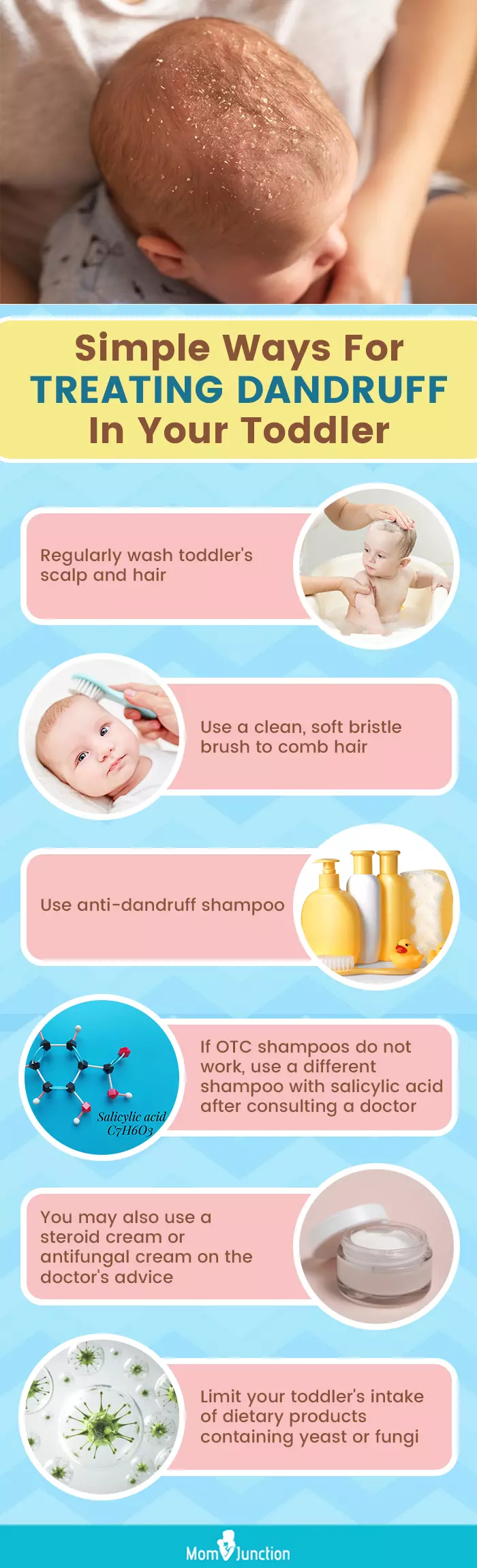
Image Source: cdn2.momjunction.com
Grasping Dry Scalp in Toddlers
A toddler’s skin, including their scalp, is very soft and sensitive. It loses moisture easily, which can lead to dryness. This dryness might look like small white flakes, red spots, or rough skin. Sometimes, the scalp can feel tight or itch. Knowing why this happens is the first step to helping your child.
Why Toddlers Get Dry Scalp
Many things can make a toddler’s scalp dry. It’s not always a serious problem, but it can make your child uncomfortable.
- Dry Air: In winter, or in homes with heaters or air conditioners, the air often has less moisture. This dry air can pull moisture from your toddler’s skin and scalp.
- Too Many Washes: Washing a toddler’s hair too often can strip away natural oils. These oils help keep the scalp moist and healthy.
- Harsh Soaps: Some shampoos have strong chemicals or perfumes. These can irritate a toddler’s soft skin and make it dry.
- Not Rinsing Well: Leaving shampoo on the scalp can cause irritation and dryness.
- Skin Conditions:
- Cradle Cap (Seborrheic Dermatitis): This looks like greasy, yellow, or brown scales on the scalp. It’s very common in babies and toddlers. It happens when glands in the skin make too much oil. This oil can trap dead skin cells.
- Eczema (Atopic Dermatitis): Eczema makes the skin red, itchy, and sometimes flaky. It can show up on the scalp too. It often comes with very dry skin.
- Psoriasis: This is less common in toddlers but can cause thick, silvery scales on the scalp.
- Fungal Infection: A type of ringworm called tinea capitis can cause scaly, itchy patches and even hair loss. This needs a doctor’s visit.
- Allergies: Some toddlers might have dry scalp because of an allergy to a product or even food.
Spotting Dry Scalp Signs
It’s helpful for parents to know what to look for. Catching dry scalp early can make treatment easier.
- Flakes: You might see small, white flakes of skin on your toddler’s scalp or in their hair. These are dead skin cells.
- Redness: The scalp might look red or inflamed in spots.
- Itching: Your toddler might scratch their head often. They might try to rub their head on furniture or your shoulder. This is a key sign of an itchy scalp.
- Rough Spots: The skin on the scalp might feel rough or scaly to the touch.
- Hair Loss: In some severe cases, or with fungal infections, patches of hair might fall out. This is rare for simple dry scalp.
- Crusty Patches: With cradle cap, you will see greasy, yellow, or brown crusts.
Effective Home Care Steps
Many times, you can treat your toddler’s dry scalp well at home. The key is to be gentle and use the right products.
Cradle Cap Toddler Home Remedies
Cradle cap is very common and usually not serious. It looks worse than it is. Here’s how to treat it gently at home:
- Soften the Scales: Before bath time, put a small amount of baby oil, mineral oil, or coconut oil dry scalp toddler on the affected areas. Let it sit for about 15-20 minutes. This helps loosen the scales. Many parents find natural remedies for infant flaky scalp like these oils very effective.
- Gentle Brushing: While the oil is still on, use a soft baby brush or a clean, soft toothbrush to gently brush the scalp. Brush in small, circular motions. This helps lift the loosened flakes. Do not scratch or pick at the scales.
- Wash the Scalp: Use a mild, tear-free baby shampoo. Gently wash the scalp to remove the oil and loosened scales. Make sure to rinse very well.
- Daily Care: For very mild cradle cap, just washing the hair every day or every other day with a mild shampoo and brushing can help.
- Be Patient: Cradle cap can take weeks or even months to clear up. Keep doing these steps regularly.
Choosing the Best Shampoo for Dry Scalp Baby
Picking the right shampoo is very important. You want one that cleans without stripping natural oils.
- Look for “Tear-Free” and “Hypoallergenic”: These shampoos are less likely to irritate.
- No Harsh Chemicals: Avoid shampoos with sulfates, parabens, phthalates, and strong fragrances. These can be drying and irritating.
- Moisturizing Ingredients: Look for ingredients like glycerin, oats, or natural oils that help keep skin moist.
- pH-Balanced: A shampoo that matches the skin’s natural pH is best.
- Specific Formulas: Some brands make shampoos just for dry scalp or eczema-prone skin.
Table: Gentle Shampoos for Toddlers with Dry Scalp
| Feature to Look For | Why It Matters |
|---|---|
| Tear-Free | Gentle on eyes, less irritating overall. |
| Hypoallergenic | Less likely to cause allergic reactions. |
| Fragrance-Free | Perfumes can irritate sensitive skin. |
| Sulfate-Free | Sulfates are harsh cleaners that strip natural oils. |
| Paraben-Free | Parabens are preservatives that some people prefer to avoid. |
| pH-Balanced | Helps maintain the scalp’s natural protective barrier. |
| Natural Oils/Extracts | Soothe and moisturize (e.g., oat, calendula, chamomile). |
Moisturizing the Scalp
Once the scalp is clean, moisturizing is key. This helps restore the skin’s barrier and keeps moisture in.
- Coconut Oil Dry Scalp Toddler: Coconut oil is a wonderful natural remedy for infant flaky scalp. It’s full of good fats that soothe and moisturize the skin. It also has natural anti-fungal traits that can help with mild cases of cradle cap.
- How to Use: After a bath, gently rub a tiny amount of pure, virgin coconut oil onto your toddler’s damp scalp. A little goes a long way. You can leave it on or rinse it off after a few hours.
- Other Natural Oils:
- Olive Oil: Similar to coconut oil, olive oil can help soften scales and add moisture.
- Sweet Almond Oil: Light and gentle, it’s great for sensitive skin.
- Jojoba Oil: This oil is very similar to the natural oils your skin makes, making it a good choice.
- Moisturizer for Baby Scalp: There are specific lotions and creams made for baby skin.
- Emollients: Thick creams or ointments are best for dry skin. Look for ones designed for sensitive or eczema-prone skin.
- Ceramides: Some moisturizers contain ceramides, which are natural fats that help repair the skin’s barrier.
- How to Use: Apply a thin layer of cream or ointment to the dry areas of the scalp after bathing. Do this once or twice a day.
Itchy Scalp Baby Relief
An itchy scalp can be very upsetting for a toddler. Helping them feel better is important.
- Cool Compress: A cool, damp cloth can help soothe an itchy spot. Gently press it on the affected area.
- Gentle Massages: A soft massage with a mild oil (like coconut oil) can ease itching and help calm your child.
- Keep Nails Short: Trim your toddler’s fingernails very short. This helps prevent them from scratching and breaking the skin, which can lead to infection.
- Mitts or Socks: If your toddler scratches a lot, consider putting soft mittens or socks on their hands, especially at night.
- Antihistamines (Ask Doctor First): For severe itching, a doctor might suggest a child-safe antihistamine to help your toddler sleep and reduce scratching. Always ask a doctor before giving any medicine.
Specific Conditions and Their Care
Sometimes, dry scalp is part of a bigger skin issue. Knowing about these can help you decide if you need a doctor’s help.
Eczema on Toddler Scalp Treatment
Eczema is a common skin problem that causes red, itchy, and dry patches. It can show up on the scalp too.
- Symptoms on Scalp: Red patches, extreme itching, very dry and flaky skin. Sometimes, the skin can crack and weep fluid.
- Gentle Cleansing: Use only very mild, hydrating shampoos that are specifically for eczema-prone skin. Avoid anything with fragrance.
- Regular Moisturizing: This is the most important step. Use a thick, fragrance-free cream or ointment (emollient) on the scalp at least twice a day. Look for products with ceramides or colloidal oatmeal. This acts as a moisturizer for baby scalp.
- Avoid Triggers: Try to figure out what makes the eczema worse. This could be certain soaps, detergents, fabrics (like wool), or even some foods.
- Short, Lukewarm Baths: Long, hot baths can dry out the skin. Keep baths short (5-10 minutes) and use lukewarm water.
- Wet Wrapping (Doctor’s Advice): In severe cases, a doctor might suggest wet wraps. This involves applying moisturizer and then covering the area with damp dressings.
- Topical Steroids (Prescription): If home care isn’t enough, a doctor might prescribe a mild steroid cream or lotion for the scalp. This helps calm the inflammation and itching. Use it exactly as told by the doctor. This is a common safe dry scalp treatment for children under medical supervision.
Other Conditions
- Fungal Infections: If you see round, scaly patches, black dots, or hair loss, it could be a fungal infection (like ringworm). These need anti-fungal medicine from a doctor.
- Psoriasis: Less common in toddlers, but if suspected, a doctor needs to diagnose and treat it. It causes thick, silvery scales.
Keeping Dry Scalp Away: How to Prevent Dry Scalp in Toddlers
Prevention is always better than cure. Here are ways to keep your toddler’s scalp healthy and moist.
- Limit Hair Washing: You don’t need to wash your toddler’s hair every day. Every 2-3 days, or even less often if it’s not dirty, is often enough. For very young babies, 1-2 times a week is fine.
- Use Mild Products: Always use a very gentle, tear-free, and fragrance-free baby shampoo. Avoid adult shampoos or harsh soaps.
- Rinse Thoroughly: Make sure all shampoo is rinsed completely from the scalp. Leftover shampoo can irritate the skin.
- Pat Dry, Don’t Rub: After washing, gently pat your toddler’s scalp dry with a soft towel. Rubbing can irritate the skin.
- Moisturize After Bath: If your toddler has dry skin, apply a moisturizer for baby scalp or a little coconut oil dry scalp toddler after bathing, while the skin is still damp. This helps lock in moisture.
- Humidifier Use: In dry climates or during winter, use a humidifier in your toddler’s room. This adds moisture to the air, which can help prevent dry skin and scalp.
- Avoid Overheating: Dressing your toddler in too many layers or having the room too warm can make them sweat. Sweat can irritate the scalp.
- Soft Brushes: Use a soft baby brush to comb or brush hair. Avoid brushes with hard bristles.
- Hat Use (Outdoor): In very cold, windy, or sunny weather, a soft hat can protect the scalp from harsh elements.
- Good Hydration: Make sure your toddler drinks enough water. Staying hydrated from the inside out helps skin stay healthy.
- Diet: A balanced diet rich in healthy fats (like those found in avocados or fatty fish) can support skin health.
When to Seek Expert Help: Pediatric Dermatologist Dry Scalp
While most dry scalp issues can be handled at home, there are times when a doctor’s visit is needed. It’s always best to be safe when it comes to your child’s health.
- No Improvement: If the dry scalp doesn’t get better after a week or two of consistent home treatment, or if it gets worse.
- Severe Redness or Swelling: If the scalp becomes very red, swollen, or warm to the touch.
- Cracked or Weeping Skin: If the skin on the scalp cracks, bleeds, or has clear or yellow fluid coming from it. This could mean an infection.
- Signs of Infection: Fever, pus, or tender spots on the scalp.
- Hair Loss: If your toddler is losing hair in patches. This could be a sign of a fungal infection or other conditions.
- Extreme Itching: If the itchy scalp baby relief methods at home are not working and your child is constantly scratching, causing distress or skin damage.
- Suspected Eczema or Psoriasis: If you think your toddler might have eczema or psoriasis, a doctor can give a proper diagnosis and treatment plan. A pediatric dermatologist dry scalp expert is especially good at this.
- Diagnosis Needed: If you are unsure what is causing the dry scalp.
A pediatrician is a great first step. If the problem is more complex, they might refer you to a pediatric dermatologist dry scalp specialist. These doctors have special training in skin conditions in children and can offer advanced safe dry scalp treatment for children.
What a Doctor Might Do:
- Examine the Scalp: They will look closely at your toddler’s scalp.
- Ask Questions: They will ask about symptoms, how long it’s been happening, and what you’ve tried.
- Prescribe Medicine: They might suggest a stronger medicated shampoo, a steroid cream, or anti-fungal medicine if needed.
- Give Advice: They can offer personalized advice on skin care and prevention.
Step-by-Step Dry Scalp Care Routine
Here is a simple, easy-to-follow routine for managing and preventing dry scalp in your toddler.
- Prep Time (if needed): If there are flakes or crusts (like cradle cap), apply a small amount of baby oil, mineral oil, or coconut oil dry scalp toddler 15-20 minutes before bath time.
- Gentle Brushing (if needed): With oil on the scalp, use a very soft baby brush to gently loosen flakes.
- Bath Time (2-3 times a week):
- Use lukewarm water, not hot.
- Use a small amount of best shampoo for dry scalp baby (fragrance-free, tear-free, sulfate-free).
- Gently massage the shampoo into the scalp for a minute.
- Rinse thoroughly, making sure no shampoo is left behind.
- Drying: Gently pat the scalp dry with a soft towel. Do not rub.
- Moisturize: While the scalp is still slightly damp, apply a tiny amount of moisturizer for baby scalp, like a gentle cream or coconut oil dry scalp toddler. Focus on the dry spots.
- Daily Check: Briefly check your toddler’s scalp each day for new flakes, redness, or signs of itching.
- Humidifier: Use a humidifier in your toddler’s room, especially during dry seasons.
Things to Avoid
Knowing what not to do is just as important as knowing what to do.
- Harsh Products: Stay away from adult shampoos, strong soaps, or products with perfumes, dyes, sulfates, or parabens.
- Over-Washing: Washing your toddler’s hair too often will strip away natural oils and make dryness worse.
- Hot Water: Hot water can dry out the skin. Use lukewarm water for baths.
- Vigorous Rubbing: Don’t rub the scalp hard with a towel or when washing. Be gentle.
- Picking or Scratching: Do not pick at flakes or crusts. This can irritate the skin, cause bleeding, and lead to infection. Keep your toddler’s nails short to stop them from scratching.
- Tight Hats/Headbands: These can trap heat and sweat, which can irritate a sensitive scalp.
- Ignoring Symptoms: Don’t ignore severe itching or other signs of distress. Seek medical help if needed.
- DIY Remedies Without Research: While many natural remedies for infant flaky scalp are safe, some might not be. Always research or ask a doctor if you are unsure. For example, essential oils are often too strong for a toddler’s skin and should be avoided unless a doctor says they are safe and specifies proper dilution.
Frequently Asked Questions (FAQ)
Q1: Can dry scalp in toddlers be a sign of something serious?
A1: Most often, dry scalp in toddlers is not serious. It’s usually due to dry air, harsh products, or common conditions like cradle cap. But if it comes with severe redness, swelling, pus, fever, or hair loss, it’s best to see a doctor to rule out an infection or other medical issue.
Q2: How often should I wash my toddler’s hair if they have dry scalp?
A2: If your toddler has dry scalp, it’s best to wash their hair less often. Aim for 2-3 times a week. Washing too much can strip the natural oils that keep the scalp moist. On other days, you can just rinse their hair with water or gently wipe their scalp with a damp cloth.
Q3: Is coconut oil safe to use on a toddler’s dry scalp every day?
A3: Yes, coconut oil dry scalp toddler use is generally safe daily. It’s a natural moisturizer. Just use a small amount to avoid making the hair greasy. If you notice any irritation, stop using it.
Q4: What’s the difference between dry scalp and cradle cap?
A4: Dry scalp simply means the skin is lacking moisture, which can cause flakes. Cradle cap (seborrheic dermatitis) is a specific condition that causes greasy, yellow, or brown, scaly patches on the scalp. While both can cause flaking, cradle cap has a more distinct, greasy appearance. Cradle cap is caused by overactive oil glands, while simple dry scalp is about a lack of moisture.
Q5: Can diet affect a toddler’s dry scalp?
A5: A healthy diet can support overall skin health. While diet is not usually the direct cause of dry scalp, making sure your toddler drinks enough water and eats a balanced diet rich in healthy fats (like those in avocados or fish) can help keep their skin hydrated and healthy.
Q6: When should I consider seeing a pediatric dermatologist?
A6: You should see a pediatric dermatologist dry scalp specialist if the dry scalp does not get better with home remedies, if it gets worse, or if you suspect conditions like eczema, psoriasis, or a fungal infection. Also, if there’s severe itching, pain, cracking, or hair loss, it’s time for expert help.
Conclusion
Dry scalp in toddlers is a common issue that parents can usually manage effectively at home. The key is gentle care, using mild, moisturizing products, and being consistent. By understanding the causes, recognizing the signs, and following a good care routine, you can bring comfort to your little one. Remember to always prioritize safety by choosing appropriate safe dry scalp treatment for children and consult a healthcare professional if you are concerned or if the condition does not improve. With patience and proper care, your toddler’s scalp can be healthy and happy again.