
Does your child have a splinter? Can you remove it at home? Yes, in most cases, you can remove a small splinter at home. A splinter is a small piece of wood, glass, or metal that gets stuck in the skin. When should you see a doctor? You should see a doctor if the splinter is very deep, large, hard to reach, or if the area looks infected. We will show you how to get that pesky splinter out safely and with less fuss. This guide will help you help your little one.
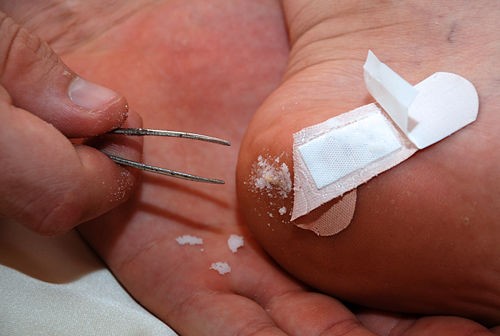
Image Source: momanddadcentral.com
The Challenge of a Splinter
A splinter is a common problem for kids. They run and play. Sometimes, little bits of things get stuck in their skin. Toddlers often get splinters in their feet. This happens from walking barefoot outside. It can also happen from old wooden floors or toys.
Finding a splinter can be tough. Your child might cry. They might not let you touch their foot. But don’t worry. Many parents face this. You can learn how to make it easier. We will give you simple steps. These steps will help you get the splinter out. They aim for a pain-free splinter extraction child.
Preparing for Splinter Removal
The first step is to get ready. This means getting yourself and your child ready. It also means having the right things nearby. This preparation makes the job easier. It helps you work faster. It also helps keep your child calm.
Helping Your Child Stay Calm
Your child might be scared. They might hurt. They might not want you to touch their foot. Here are some tips to help them feel better:
- Talk softly: Use a calm voice. Tell them you will help.
- Explain: Say what you will do. Use simple words. Say, “We will get the little ouchie out.”
- Distract them: Give them a favorite toy. Put on a show. Sing a song.
- Hold them close: Cuddle your child. Let them sit on your lap. This can make them feel safe.
- Offer a reward: Say they can have a small treat afterward. This gives them something to look forward to.
Keeping your child calm is key. It makes the toddler splinter removal techniques much easier. If they are screaming, it is harder to work.
Gathering Your Tools
Before you start, get everything you need. Put it all on a clean table. This way, you don’t have to stop to find things. Here is a list of common items:
- Good light: A bright lamp or flashlight. You need to see the tiny splinter.
- Magnifying glass: This makes the splinter look bigger. It helps you see it clearly.
- Tweezers: Look for pointed ones. Make sure they are clean. Use rubbing alcohol to clean them.
- A clean needle or pin: Again, clean it with rubbing alcohol. This is for lifting the skin.
- Antiseptic wipes or rubbing alcohol: To clean the skin before and after.
- Antibiotic ointment: To put on the spot after.
- Band-Aids: Small ones are good.
- Warm water and mild soap: For washing.
- A clean towel: To dry the foot.
Having these items ready helps. It means you can focus on your child. It makes the process smooth.
Making the Area Clean
Cleanliness is very important. Germs can cause problems. Always wash your hands well with soap and water. Do this before you touch your child’s foot.
Then, gently wash the area around the splinter. Use warm water and mild soap. Rinse it well. Pat it dry with a clean towel. You can also dab a little rubbing alcohol on the skin. This kills germs. Clean tools are also a must. Make sure your tweezers and needle are very clean.
Different Ways to Remove a Splinter
There are many ways to get a splinter out. The best way depends on the splinter. Is it big or tiny? Is it deep or just under the skin? Let’s look at different methods. These are common toddler splinter removal techniques.
Method 1: Using Tweezers
This is often the best way for splinters you can see. It is good for bigger splinters. It also works well for splinters that stick out.
- Light and Magnify: Get a good light. Use your magnifying glass. Look closely at the splinter. See which way it went in. Most splinters go in at an angle.
- Clean the Area: Wash the skin as told above.
- Position Your Child: Have your child lie down. Or sit on your lap. Make sure their foot is still. You need to hold it steady.
- Grab the Splinter: Hold the tweezers firmly. Grasp the part of the splinter that sticks out. Try to grab it close to the skin. This gives you a better grip.
- Pull It Out: Pull the splinter out. Pull it gently. Pull it in the same direction it went in. Do not squeeze the skin. Do not break the splinter.
- Check the Area: After the splinter is out, check the spot. Make sure the whole splinter came out. Sometimes, a piece can break off.
This method works well for toddler wood splinter foot extraction when the splinter is visible.
Method 2: Using Tape
This works for small, flat splinters. It is good for tiny splinter removal kid. It is also a good option for splinter in baby’s foot no tweezers.
- Clean the Area: Wash the skin gently. Let it dry completely. Tape won’t stick to wet skin.
- Apply Tape: Take a piece of strong tape. Duct tape or packing tape works well. Press the tape firmly over the splinter. Make sure it covers the splinter well.
- Pull It Off: In one swift motion, pull the tape off. Pull it in the direction the splinter went in. The splinter might stick to the tape.
This method is less scary for a child. It often causes less pain than tweezers.
Method 3: Using a Needle (For Splinters Under the Skin)
This method is for splinters just under the skin. You use a sterile needle to lift the skin. Do not do this if you are not sure. Do not dig deep. Only do this if you can see the end of the splinter.
- Clean Very Well: Wash your hands. Clean the child’s foot very well. Clean the needle with rubbing alcohol.
- Lift the Skin: Gently touch the skin over the splinter. Use the tip of the needle. Try to lift the very top layer of skin. Do not push the needle deep. Just lift the skin. Your goal is to expose the splinter.
- Push or Grab: Once the splinter is a bit exposed, you can try to push it out. You can also try to grab it with tweezers. Push it from the part that went in first. Push it towards the open end.
- Be Gentle: Be very gentle. If your child cries a lot, stop. Do not force it. Do not dig.
This method is for deep splinter removal toddler when it’s just below the surface. But always be careful.
Home Remedies for Tricky Splinters
Sometimes, a splinter is too small to grab. Or it is too deep for tweezers. You might not see it well. These are times to try some home remedies. These methods aim to make the splinter come out on its own. They are gentle ways for baby foot splinter help.
Soaking in Warm Water
Soaking can help the skin soften. This can make the splinter come closer to the surface. It can also help the skin open up.
- Warm Water Bath: Fill a basin with warm water. Make sure it is not too hot. Test it first.
- Add Epsom Salt: Add a handful of epsom salt for splinter toddler to the water. Epsom salt is known to help draw things out. Stir it until it dissolves.
- Soak the Foot: Have your child soak their foot in the water. Try for 10 to 20 minutes. You can make it a fun bath time. Give them toys.
- Check: After soaking, check the splinter. It might be sticking out more. Or it might be easier to grab. If not, you can try soaking again later. Or try another method.
Soaking is a very gentle way to help. It can be a good first step for any splinter.
Baking Soda Paste
Baking soda paste can help to swell the skin a bit. This swelling can push the splinter out.
- Make the Paste: Mix a small amount of baking soda with water. Add just enough water to make a thick paste. It should be like toothpaste.
- Apply to Splinter: Put a good dab of the paste on the splinter. Cover the entire area.
- Cover: Put a bandage over the paste. This keeps it in place. It also keeps the area clean.
- Wait: Leave the paste on for a few hours. Or leave it overnight.
- Remove and Check: Take off the bandage. Wash the paste away. Look at the splinter. It might be poking out more. Or it might be gone. If not, you can try it again.
This is a gentle home remedies splinter toddler. It works over time.
Other Home Remedies
- Potato Slice: Cut a fresh slice of raw potato. Place the wet side of the potato slice over the splinter. Tape it in place. Leave it for a few hours or overnight. The moisture and starch may help draw the splinter out.
- Banana Peel: The inside of a banana peel has enzymes. These can help draw the splinter out. Place a small piece of banana peel (inside down) over the splinter. Tape it on. Leave it overnight.
- White Glue: Apply a thin layer of white school glue over the splinter. Let it dry completely. It will form a skin. Then, peel off the dry glue. The splinter might come out with the glue. This is similar to the tape method but can work for very tiny splinters.
These home remedies splinter toddler options are worth a try. They are non-invasive. They can be done while your child sleeps or plays quietly.
What to Do After the Splinter is Out
Once the splinter is out, the job is not over. You need to take care of the skin. This helps prevent infection.
Cleaning the Spot
Even if the splinter is gone, germs can get in.
- Wash Again: Gently wash the area with warm water and mild soap. Rinse well.
- Apply Antiseptic: Put a small amount of antiseptic wipe or rubbing alcohol on the spot. This kills any leftover germs. It might sting a little.
- Use Ointment: Put a dab of antibiotic ointment on the spot. This helps keep germs out. It also helps the skin heal.
- Bandage: Cover the spot with a clean Band-Aid. This protects the area. It keeps dirt out. Change the Band-Aid daily.
Watching for Infection
Even with good care, an infection can happen. Watch the splinter site for a few days. Look for these signs:
- Redness: The skin around the spot gets very red.
- Swelling: The area gets puffy.
- Pain: The child says it hurts more than before. It might hurt to touch.
- Pus: You see yellow or green liquid coming out.
- Warmth: The area feels warm to the touch.
- Red streaks: Red lines spread out from the spot. This is a serious sign.
- Fever: Your child gets a fever.
If you see any of these signs, call your doctor. Early treatment is important for infections.
When to See a Doctor
While most splinters can be handled at home, some need a doctor’s help. Knowing when to see doctor toddler splinter is very important. Do not try to remove these types of splinters yourself.
You should call your doctor if:
- The Splinter is Deep or Large: If it went in very far. Or if it is a big piece of wood, glass, or metal. Trying to remove it yourself might push it deeper. Or it could cause more damage.
- The Splinter is Near the Eye: Never try to remove a splinter near or in your child’s eye. This needs a doctor or eye specialist right away. It can cause serious harm.
- The Splinter is in the Face or Genital Area: These areas are sensitive. They have important structures. A doctor should handle splinters here.
- You Cannot Get It Out: You have tried different methods. But the splinter is still there. Or you can only get part of it out.
- The Child is in a Lot of Pain: If your child is crying a lot. If they will not let you touch the area. A doctor can help. They might use a local numbing cream.
- Signs of Infection Appear: As mentioned above, if the area gets red, swollen, painful, or has pus. Or if your child gets a fever.
- The Splinter is Made of Glass or Metal: These can be very sharp. They can break easily. They might cause more damage if not handled right.
- It is an Animal Splinter: Like a fish hook or a quill. These need special removal methods.
- Your Child Has Health Issues: If your child has diabetes. Or a weak immune system. They might be more likely to get infections. Always talk to your doctor.
It is always better to be safe. If you have any doubt, call your doctor. They can tell you what to do. They can also remove the splinter for you.
Preventing Splinters
The best way to deal with a splinter is to stop it from happening. Here are some simple steps to prevent splinters:
- Wear Shoes: Make sure your child wears shoes outside. This is most important for their feet. Always check playgrounds for loose wood or rough surfaces.
- Check Play Areas: Look at wooden play structures. Look at decks or fences. Make sure they are smooth. Sand down rough spots.
- Check Toys: Inspect wooden toys often. If they splinter, throw them away. Or fix them.
- Clean Up Spills: If glass breaks, clean it very well. Use a wet paper towel to pick up tiny pieces.
- Be Careful with Tools: Teach children to be careful around tools or metal objects.
- Smooth Surfaces: Keep wooden floors and furniture smooth. Fix any rough spots.
These simple steps can save you and your child from a lot of trouble.
Key Considerations for Success
To make the splinter removal process as smooth as possible, keep these points in mind:
- Patience is Key: Your child is small. They might not understand. Stay calm. Be patient. If you get stressed, your child will too.
- Good Lighting: You cannot remove what you cannot see. A bright, focused light is a must.
- Sterile Tools: Always clean your tools. This is very important. It stops germs.
- Don’t Dig: Never dig for a splinter. This can cause more harm. It can push the splinter deeper. It can also cause more pain and infection. If you can’t get it out easily, stop. Seek help.
- Look for the Angle: Splinters usually enter at an angle. Pull them out the same way. This helps them slide out cleanly.
- Follow Up: Always clean the area after. Watch for signs of infection.
Remember, every child is different. Some might be brave. Others might be very scared. Adjust your approach to fit your child’s needs.
Table: Splinter Removal Methods at a Glance
This table gives a quick overview of the methods discussed. It helps you choose the right one.
| Method | Best For | Pros | Cons |
|---|---|---|---|
| Tweezers | Visible splinters sticking out | Quick, direct removal | Can be painful; child must be still |
| Tape | Small, flat, surface splinters | Less scary, often painless | May not work for deep splinters |
| Needle (Carefully) | Splinters just under the skin (visible end) | Can expose stubborn splinters | Risk of pushing deeper or causing pain |
| Warm Water Soak | Softening skin, bringing splinter to surface | Gentle, relaxing for child | Takes time, may not remove splinter fully |
| Epsom Salt Soak | Drawing out stubborn splinters | Gentle, can draw out deeper fragments | Takes time, not guaranteed to remove it |
| Baking Soda Paste | Swelling skin to push out splinter | Gentle, works over time | Takes time, not guaranteed to remove it |
| Potato/Banana Peel | Drawing out small, shallow splinters | Very gentle, natural | Takes time, effectiveness varies |
This table helps you decide the best first step.
Frequently Asked Questions (FAQ)
Q1: What is the best way to get a tiny splinter out of a kid’s foot?
For a tiny splinter removal kid, start by soaking the foot in warm water with epsom salt for splinter toddler. This can help the splinter come to the surface. If it becomes visible, you might try the tape method or very fine-tipped tweezers. If it’s still hard to see or reach, try a baking soda paste.
Q2: What if I can’t see the splinter in my baby’s foot?
If you have a splinter in baby’s foot no tweezers can grab, or you can’t see it, try soaking the foot in warm water. Add Epsom salt. If that doesn’t work, consider the baking soda paste or banana peel methods. These gentle home remedies aim to draw the splinter out. If it remains unseen or causes pain, contact your doctor.
Q3: How do I remove a deep splinter from a toddler’s foot without causing too much pain?
Removing a deep splinter removal toddler can be tricky. First, try soaking the foot in warm water and Epsom salt to soften the skin and possibly bring the splinter closer to the surface. If part of it becomes visible, use sterilized tweezers. If it’s truly deep or very painful, or if your child won’t let you touch it, do not dig. It’s best to see a doctor. They can use numbing cream and special tools for a more pain-free splinter extraction child.
Q4: Are there specific home remedies for a wood splinter in a toddler’s foot?
Yes, for a toddler wood splinter foot extraction, soaking in warm water with Epsom salt is a great first step. Baking soda paste, potato slices, and banana peels are also popular home remedies splinter toddler. These methods aim to draw the wood splinter out naturally by softening the skin or creating a pulling effect.
Q5: How do I know if the splinter is fully out?
After removing the splinter, look closely at the spot. Use a magnifying glass if you have one. You want to see clean skin. If you see a dark spot or a tiny line, a part of the splinter might still be there. Sometimes, a tiny bit left behind will work its way out naturally. But if it causes pain or looks infected, call your doctor.
Q6: Can I use super glue to get a splinter out?
No, do not use super glue. While some might suggest it for very tiny splinters, it can cause more harm. It can seal the splinter into the skin. It can also cause a skin reaction. Stick to safer methods like tape or white school glue.
Q7: My child is scared of tweezers. What can I do?
Many children are scared. Try the tape method first. It is less scary. Or try a long soak in the tub. Use Epsom salts. This might make the splinter come out on its own. Or it might make it easier to get. Distraction is also key. Give them a special toy or a show to watch.
Q8: How long can a splinter stay in a foot?
A small, clean splinter might stay in for a long time without problems. Sometimes, the body pushes it out over days or weeks. But this carries a risk of infection. It is always best to remove a splinter as soon as you can. If it’s been in for more than a day or two and you can’t get it out, or if it causes pain or infection, see a doctor.
Helping your child with a splinter can feel tough. But with the right steps and patience, you can often handle it at home. Remember to stay calm, use clean tools, and know when to ask for a doctor’s help. Your little one will be back to playing in no time!