
When a toddler hits their head, it can be scary. Parents often wonder, “How long to keep toddler awake after hitting head?” The truth is, it is not always needed to keep a child awake after a head bump. Doctors often say that letting a child sleep can be okay if they do not show serious signs of injury. The main thing is to watch them very closely. You need to know what signs to look for. These signs tell you if a head injury is serious. This guide will help you know what to do. It will show you how to care for your child safely.
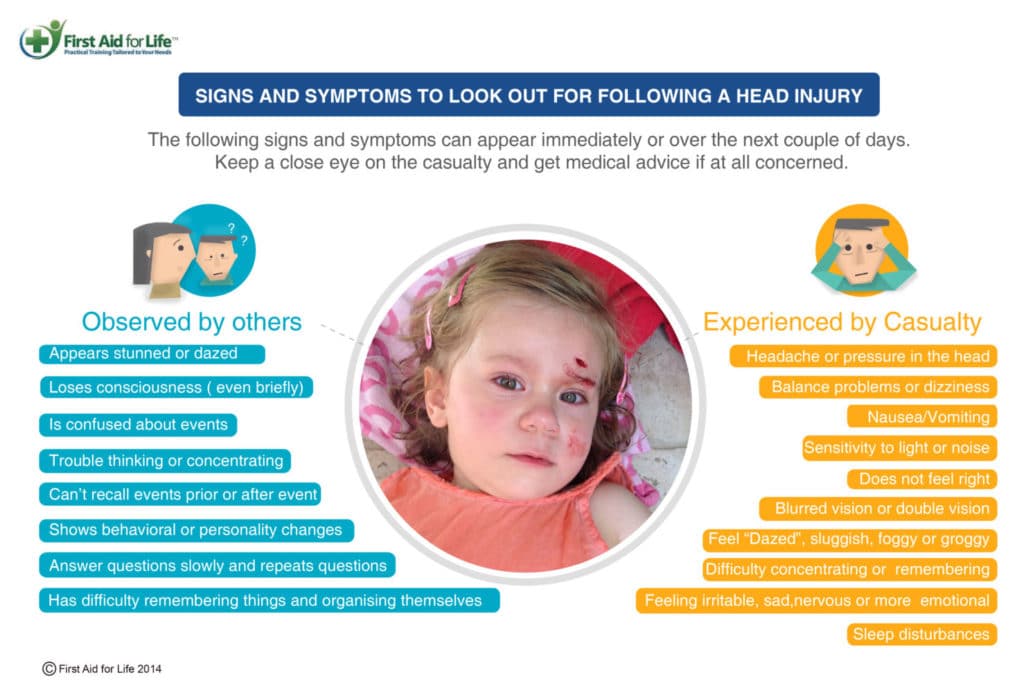
Image Source: firstaidforlife.org.uk
The First Few Moments: What to Do Right Away
A child hitting their head can make any parent worry. Most head bumps are minor. They do not cause big problems. But it is always good to be careful. Here are the first steps to take. Do these right after your child bumps their head.
Assess the Scene and Your Child
First, stay calm. Your child will look to you for comfort. A calm parent helps a child feel safe.
- Check for danger: Make sure the area is safe. Remove anything sharp. Move away from things they could fall on again.
- Look at your child: See how they act. Did they cry right away? Crying is a good sign. It shows their brain is working. It means they feel pain.
- Look at the bump: Check where they hit their head. Is there a cut? Is there a lump? Put gentle pressure on any bleeding cuts. Use a clean cloth.
Offer Comfort and Apply Cold
- Comfort your child: Hold them close. Talk to them in a soft voice. Help them feel better. A child who is scared might cry more. This is normal.
- Apply cold: If there is a bump, use a cold pack. You can use a bag of frozen peas. Wrap it in a thin towel. Put it on the bump for 10-15 minutes. This helps reduce swelling. It can make the bump smaller. It also helps with pain.
Figuring Out the Injury: When Is It Just a Bump?
Most head bumps are minor. They happen often with active toddlers. A minor bump means the head hit a soft surface. Or it was not a hard hit. There are no signs of a serious problem. Knowing what toddler head injury observation involves is key here.
Signs of a Minor Head Bump
- Immediate crying: The child cries as soon as they hit their head.
- Small bump or bruise: A lump or a colored spot might show up.
- No loss of consciousness: They did not pass out. They stayed awake the whole time.
- Normal behavior soon after: They go back to playing. They act like themselves within a few minutes.
- No vomiting: They do not throw up.
- No unusual sleepiness: They are not more tired than usual.
If your child shows only these signs, they likely have a minor injury. Still, watch them closely for the next 24-48 hours.
The Role of Observation
Watching your child closely is very important. This is true even for minor bumps. You are looking for any changes. Changes can show up hours later.
- How often to check: Check on your child every few hours. Do this for the next day or two.
- What to watch for: Look for any new signs. Is their behavior changing? Are they feeling sick? Are they more tired?
This close watch helps you catch any problems early.
Urgent Signs: When to Worry About a Toddler Head Bump
Sometimes, a head bump is more serious. You need to know when to worry toddler head bump. Certain signs of serious head injury child mean you need help right away. These signs tell you to go to the emergency room. Or call 911.
Immediate Emergency Signs
These signs mean call 911 right away. Or go to the nearest emergency room.
- Loss of consciousness: Your child passed out. Even if it was for a short time. This is a very serious sign.
- Seizures: Your child has jerky movements. Their body might shake. They might stare blankly.
- Weakness or numbness: One side of their body seems weak. They cannot move an arm or leg well.
- Trouble walking or balancing: They stumble a lot. They cannot walk straight.
- Repeated vomiting:
Toddler vomiting after head hitis a big red flag. One time throwing up might be okay. But if they throw up more than once, seek help. - Bad headache: Your child complains of a very bad headache. They might hold their head. They might cry a lot due to pain.
- Changes in pupils: One pupil looks bigger than the other. Or they do not react to light the same way.
- Slurred speech: Their words sound mixed up. They cannot talk clearly.
- Fluid from ears or nose: Clear fluid or blood comes from their ears or nose.
- Sunken soft spot (in babies): The soft spot on a baby’s head looks pushed in. Or it bulges out.
- Bruising around eyes or behind ears: Dark bruises appear around their eyes (raccoon eyes). Or behind their ears (Battle’s sign). These show bleeding inside.
Table: Warning Signs Checklist
This table lists the main warning signs. If you see any of these, get help fast.
| Warning Sign | What to Do |
|---|---|
| Loss of consciousness | Call 911 / Go to ER immediately |
| Seizures | Call 911 / Go to ER immediately |
| Repeated vomiting | Call 911 / Go to ER immediately |
| Bad or worsening headache | Call 911 / Go to ER immediately |
| Changes in alertness | Call 911 / Go to ER immediately |
| Trouble walking or balance | Call 911 / Go to ER immediately |
| Weakness on one side of body | Call 911 / Go to ER immediately |
| Fluid/blood from ears/nose | Call 911 / Go to ER immediately |
| Unequal pupil size | Call 911 / Go to ER immediately |
| Slurred speech | Call 911 / Go to ER immediately |
| Bruising around eyes/behind ears | Call 911 / Go to ER immediately |
Spotting Concussion: Its Signs in Toddlers
A concussion is a type of brain injury. It happens when the brain moves inside the skull. This can happen from a bump or a fall. It is important to know concussion symptoms toddler. These symptoms can be hard to spot in little ones. They cannot tell you how they feel.
Common Concussion Signs in Toddlers
Concussion signs might not show up right away. They can appear hours or days later.
- Changes in behavior:
- Irritability or crankiness. They might cry more than usual. They might be hard to comfort.
- Losing interest in favorite toys or games.
- Acting restless or hyper.
- Being withdrawn. Not interacting with others.
- Changes in sleep:
- Sleeping more than usual.
Drowsiness after head bump childcan be a sign. - Trouble falling asleep.
- Trouble waking up.
- Sleeping more than usual.
- Eating changes:
- Not wanting to eat.
- Throwing up (even once).
- Balance problems:
- Stumbling or falling more often.
- Being clumsy.
- Headaches:
- Rubbing their head.
- Crying often for no clear reason.
- Being sensitive to light or sound. They might squint in bright light. They might cover their ears.
- Loss of skills:
- Forgetting things they just learned.
- Trouble with potty training if they were already trained.
- Going back to older behaviors.
- Seizures: As mentioned before, these are serious.
If you see any of these signs, call your child’s doctor. Tell them about the head bump. Describe what you are seeing.
The Sleep Question: Sleeping After a Head Injury
Many parents think they must keep their child awake after a head hit. This is a common myth. The idea is that a sleeping child cannot be watched for signs of injury. But experts say it is okay for a child to sleep if certain conditions are met. This applies to sleeping after head injury toddler.
The Myth vs. Reality
- The Myth: “Never let a child sleep after a head injury. They might slip into a coma.”
- The Reality: If your child was awake and acting normal after the head bump, it is usually fine for them to sleep. Passing out after a head injury is a serious sign. But normal sleep is not. A child needs rest to heal.
When Sleep Is Okay
It is usually okay for your child to sleep if:
- They did not lose consciousness.
- They cried right after the bump.
- They are acting normal now. They are playing and talking as usual.
- They are not throwing up.
- They do not have a bad headache.
- Their balance is fine.
- Their pupils are normal.
If these things are true, let your child sleep. But you still need to watch them closely.
How to Monitor a Sleeping Child
Even if sleep is okay, you cannot stop watching. You need to check on them often.
- Wake them gently: Gently wake your child every 2-4 hours. Do this for the first 24 hours after the bump.
- Check for normal waking: They should wake up easily. They should recognize you. They should act like themselves. If they are hard to wake, or seem confused, get help right away.
- Watch for changes: While they are asleep, watch their breathing. Listen for any strange sounds. Look at their face. Do they look normal?
- Keep them close: If possible, let them sleep in your room. Or close by. This makes it easier to check on them.
This close watch helps make sure no serious problem develops quietly.
After the Bump: Post-Head Injury Care for Children
Once the immediate worry is over, post-head injury care for children is still needed. This care involves watching for delayed signs. It also involves helping your child recover.
Continuing Observation at Home
You need to keep watching your child for at least 24-48 hours. Some doctors suggest watching for up to a week. This is because some signs can show up later.
- Daily checks: Each morning, see how your child acts. Do they seem themselves? Are they eating well?
- Note any changes: Keep a small notebook. Write down any new symptoms. Note when they appear. This helps you tell the doctor later.
Limiting Activity and Rest
Rest is very important after a head injury. Even if it is a minor one.
- Quiet play: Encourage quiet activities. Read books. Do puzzles. Watch a calm show.
- Avoid rough play: Do not let them run, jump, or play sports. Do not let them do anything that could cause another head bump.
- Limit screen time: Some doctors say to limit phones, tablets, or TV for a while. This can help the brain rest.
- Follow doctor’s advice: If you saw a doctor, follow their rules for returning to normal play.
Managing Pain
If your child has a headache or feels sore:
- Acetaminophen (Tylenol) or ibuprofen (Motrin/Advil): You can give these medicines. Always use the right dose for your child’s age and weight. Check with your doctor if you are unsure.
- Never give aspirin: Aspirin is not safe for children. It can cause a rare but serious problem called Reye’s syndrome.
Table: Sample Observation Log
Use this simple log to help you track your child’s condition.
| Time / Date | How child acts (e.g., normal, sleepy, cranky) | Any new symptoms? (e.g., headache, throwing up) | Able to wake easily? | Notes / Actions Taken |
|---|---|---|---|---|
| 8 PM 01/01 | A bit sleepy, but playing. | None | Yes, woke to drink. | Gave water. |
| 12 AM 01/02 | Sleeping soundly. | None | Yes, woke easily. | Checked breathing. |
| 4 AM 01/02 | Sleeping soundly. | None | Yes, woke easily. | Checked breathing. |
| 8 AM 01/02 | Woke up happy. Eating breakfast. | None | Yes. | Normal day. |
| … | … | … | … | … |
Guidance from Experts: Pediatric Head Trauma Guidelines
Doctors and nurses have guidelines for treating head injuries in children. These pediatric head trauma guidelines help them decide when to do more tests. They also help decide when to send a child home.
What Doctors Look For
When you take your child to the doctor or emergency room visit toddler head injury, they will look at several things.
- Age of child: Very young children (under 2 years old) are at higher risk. Their brains are still growing. Their skulls are softer.
- How the injury happened: Was it a fall from a small height? Or a fall from a bike without a helmet? A car crash?
- Signs they see: They will check for all the serious signs mentioned earlier.
- Child’s behavior: How does your child act in the clinic? Are they alert? Are they interacting?
- Physical exam: The doctor will check your child’s head, eyes, reflexes, and balance.
Decision Making for Tests
Doctors use rules to decide if your child needs a CT scan. A CT scan is a special X-ray. It takes pictures of the brain. CT scans expose children to radiation. So doctors try to use them only when truly needed.
-
When a CT scan might be needed:
- If your child lost consciousness.
- If they have a bad headache.
- If they are throwing up a lot.
- If they are very sleepy.
- If the doctor suspects a serious injury based on their exam.
- For very young babies, any head bump might lead to more checks.
-
When a CT scan is often not needed:
- For minor bumps.
- If the child is acting completely normal.
- If there are no worrying signs.
Your doctor will talk to you about the best plan for your child.
When to Go to the Emergency Room
Knowing when to seek emergency room visit toddler head injury care is crucial. Do not wait for your child’s doctor’s office to open if you see any serious signs.
Situations Requiring Immediate ER Visit
Go to the ER right away if your child:
- Lost consciousness, even for a moment.
- Had a seizure.
- Is throwing up more than once.
- Is very sleepy and hard to wake. This is a key
drowsiness after head bump childwarning sign. - Has a very bad headache that gets worse.
- Has clear fluid or blood coming from their ears or nose.
- Shows any weakness on one side of their body.
- Has trouble walking or balancing.
- Has unequal pupil size.
- Has bruising around their eyes or behind their ears.
- You simply feel something is very wrong. Trust your gut feeling.
What to Expect at the ER
At the emergency room, doctors and nurses will check your child carefully.
- Questions: They will ask you how the injury happened. They will ask about your child’s behavior since the bump. Be ready to share details.
- Physical exam: They will check your child’s head, eyes, reflexes, and how they react.
- Tests: They might order tests. This could be a CT scan of the head. It might be blood tests.
- Observation: They might keep your child in the ER for a few hours. They will watch them closely for changes.
- Discharge instructions: If your child is sent home, you will get clear instructions. These will tell you what signs to watch for. They will tell you when to come back. Follow these instructions closely.
The Path to Recovery and Follow-Up
Even after a minor head bump, your child needs time to recover. Post-head injury care for children does not end when you leave the doctor’s office.
At-Home Recovery Tips
- Plenty of rest: Encourage your child to rest. Sleep helps the brain heal.
- Quiet environment: Keep the home calm. Avoid loud noises and bright lights.
- Healthy food: Offer healthy meals and plenty of fluids.
- Watch for new symptoms: Some symptoms can show up days later. Keep watching for any changes.
- Be patient: Your child might be more irritable or tired for a few days. This is normal.
- Ease back into activities: Do not rush them back to normal play or daycare. Talk to your doctor about when it is safe.
When to Follow Up with Your Doctor
- For any new or worsening symptoms: Call your doctor right away.
- For concussions: If your child was diagnosed with a concussion, your doctor will likely want a follow-up visit. They will check your child’s progress. They will give advice on returning to school or activities.
- If you have concerns: Even if you just have questions or worries, call your doctor. It is always better to ask.
Preventing Head Injuries in Toddlers
The best way to deal with head injuries is to prevent them. Toddlers are active. They explore. But you can take steps to make their world safer.
Home Safety Tips
- Stair gates: Use safety gates at the top and bottom of stairs.
- Window guards: Install guards on windows to prevent falls.
- Furniture anchors: Anchor heavy furniture and TVs to the wall. This stops them from tipping over.
- Soft surfaces: Put soft rugs or mats under play areas. Especially where falls might happen.
- Clear clutter: Keep floors free of toys and clutter. This prevents trips and falls.
- Child-proof locks: Lock cabinets that hold dangerous items.
- Supervision: Always watch your toddler closely. Especially near stairs, water, or busy areas.
- Playground safety: Make sure playgrounds have soft ground cover. Like wood chips or rubber mats. Check equipment for safety.
Car Seat and Helmet Use
- Car seats: Always use the right car seat for your child’s age and size. Make sure it is installed correctly. Follow all safety rules.
- Helmets: Make sure your child wears a helmet for:
- Biking or tricycle riding.
- Scooters or skateboards.
- Any sport where head injury is possible.
- Make sure the helmet fits well. It should be worn every time.
Taking these steps can greatly lower the chance of head injuries.
Frequently Asked Questions (FAQ)
Q: Is it okay for my toddler to sleep after a minor head bump?
A: Yes, it is usually okay. This is true if they did not pass out and are acting normal. Gently wake them every 2-4 hours for the first day. Check if they wake easily and act like themselves.
Q: How long should I watch my toddler after a head injury?
A: Watch your child closely for at least 24-48 hours. Some symptoms can show up later. Keep an eye out for any changes in behavior or new signs.
Q: What are the main signs of a serious head injury in a child?
A: Major signs include losing consciousness, repeated vomiting, seizures, severe headache, trouble walking, or changes in alertness. If you see any of these, get help right away.
Q: My toddler threw up once after hitting their head. Should I worry?
A: One episode of vomiting might not be serious. But repeated vomiting is a warning sign. If your child throws up more than once, or acts sick, call your doctor or go to the ER.
Q: Can a toddler get a concussion from a small bump?
A: Yes, a concussion can happen even from a mild bump. It depends on how the brain moved. Watch for signs like changes in behavior, sleep, or balance.
Q: When should I take my toddler to the emergency room for a head injury?
A: Go to the ER if your child passed out, has a seizure, vomits many times, is very sleepy, has a bad headache, or shows any of the serious warning signs listed earlier.
Q: What should I do if my child is hard to wake up after a head bump?
A: If your child is very hard to wake up, confused when awake, or cannot be woken, this is an emergency. Call 911 or go to the nearest ER right away.
Q: How can I make my home safer to prevent head injuries?
A: Use stair gates, anchor furniture, clear clutter, and put soft mats under play areas. Always watch your child closely, especially around stairs or open windows.
Q: My child seems okay, but I still feel worried. What should I do?
A: Trust your feelings. If you are worried, call your child’s doctor or seek medical advice. It is always better to be safe when it comes to head injuries.
Remember, this guide gives general advice. Always talk to your child’s doctor if you are worried about a head injury. They know your child best. They can give the right medical advice.