
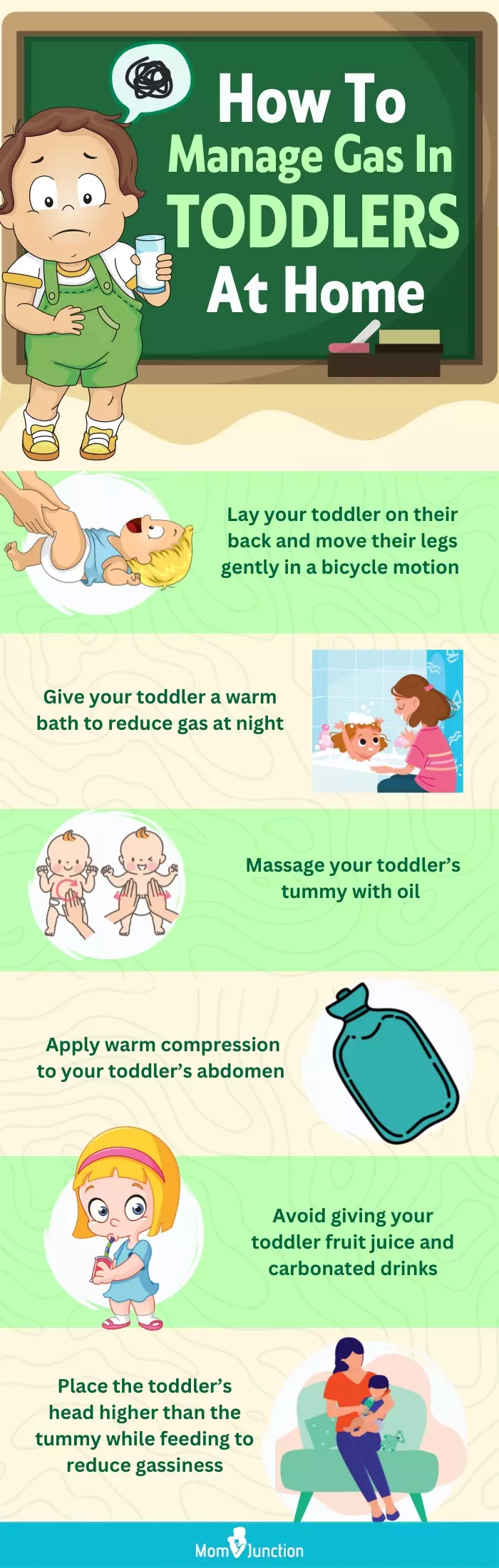
Image Source: cdn2.momjunction.com
Your Guide: How To Relieve Gas In Toddler Painlessly
This guide helps you ease your toddler’s gas pain. What is gas in toddlers? It is air trapped in their belly. This air makes them feel full or hurt. Can I give my toddler gas drops? Yes, but talk to your doctor first. Drops like simethicone can break up gas bubbles. Who is affected by toddler gas? Many little ones get gas. It is very common. Gas can make toddlers fussy and sad. But you can help them feel better. We will show you easy ways to relieve their pain.
Spotting Gas: Signs and Why It Happens
It helps to know if gas is the problem. Your toddler may not say, “My tummy hurts.” But they show signs. Knowing why gas happens also helps.
Noticing Baby Gas Pain Symptoms
Look for these signs. They tell you your toddler might have gas.
* Crying: They might cry a lot. There is no clear reason why.
* Fussiness: They seem upset. This happens even after feeding or napping.
* Drawing legs up: They pull their knees to their chest. This often happens when gas hurts.
* Hard belly: Their tummy may feel tight. It can also look swollen.
* Changes in pooping: They might poop more or less often. Their poop might look different.
* Trouble sleeping: Gas can make it hard for them to rest.
* Lots of burps or farts: They may pass a lot of gas. This can be loud. It can also make them feel better.
* Arching their back: Some toddlers arch their back. This is a sign of pain.
* Refusing to eat: They may not want to eat. Pain can make them lose their appetite.
* Red face when pushing: They might strain hard to pass gas. Their face gets red.
It is important to watch your toddler. These signs help you know when to act. Each toddler is different. But these are common signs of gas.
Main Causes of Gas in Young Children
Gas happens for simple reasons. Knowing why helps you stop it.
* Swallowing air: Toddlers swallow air when they drink fast. This happens with bottles, sippy cups, or straws. Drinking from a regular cup helps reduce this.
* Certain foods: Some foods make more gas. We will talk about these foods soon. Their young bodies may not fully digest some foods.
* Digestion issues: Their tiny bellies are still learning to digest food. Some foods are harder to break down. This can lead to gas.
* Eating too fast: When they eat quickly, they swallow more air. This air gets trapped.
* Drinking from straws: Straws can make them swallow more air. Air gets pulled in with the drink.
* Not moving much: Being still can trap gas. Movement helps gas move through the gut.
* Immature digestive system: A toddler’s gut is still growing. It is not always ready for all foods. This can lead to gas.
* Food sensitivities: Some toddlers react to certain foods. Dairy or gluten can cause gas.
* Constipation: If a toddler is constipated, gas can get trapped behind the stool. This makes gas worse.
* Crying a lot: When a toddler cries hard, they swallow more air. This can make their gas worse.
* Teething: Teething can sometimes cause tummy upset. This can lead to gas.
* Minor infections: A small stomach bug can also cause gas.
Quick Relief: What To Do Now
When your toddler hurts, you want to help fast. Here are quick ways to ease their gas. These are gentle and safe.
Helpful Burping Techniques for Toddlers
Burping helps get rid of swallowed air. This air causes gas.
* Over your shoulder: Hold your toddler with their chin on your shoulder. Gently pat their back. Use a firm, cupped hand. Pat from their lower back up.
* Sitting up: Sit your toddler on your lap. Support their chest and head with one hand. Lean them a bit forward. Pat their back with the other hand.
* Across your lap: Lay your toddler tummy-down across your lap. Gently rub or pat their back. Make sure their head is a bit lower than their bottom.
* Walk around: Sometimes just walking while holding them helps. The movement can shift trapped air.
* After every meal: Try to burp them after they eat or drink. Even a few minutes of trying helps.
* Upright for 20 minutes: After feeding, keep your toddler upright for about 20 minutes. This helps gas rise. It also helps food settle.
* Gentle bounces: While holding them upright, you can gently bounce or sway. This motion can help release gas.
Simple Physical Methods for Relief
These gentle moves can help move gas out. They soothe your child.
* Tummy massage: Lay your toddler on their back. Use a warm hand. Gently rub their tummy in a clockwise circle. Start small around the belly button. Then make bigger circles. You can also trace “I Love U” on their belly. Do “I” down the left side. Do “L” across the top, then down the left. Do “U” upside down, from the right bottom, up, across, and down the left. This follows the path of the large intestine.
* Bicycle legs: Lay them on their back. Hold their legs at the ankles. Gently move their legs as if they are riding a bike. Push their knees towards their chest. This helps push gas along. Do this for a few minutes.
* Warm bath: A warm bath can relax their belly muscles. This helps gas move. The warm water is soothing too. It eases pain.
* Tummy time: For younger toddlers, a bit of tummy time can help. The pressure on their belly helps move gas. Always watch them closely. Make sure they are comfortable. A few minutes at a time is fine.
* Knees to chest: Gently push both knees to your toddler’s chest. Hold for a few seconds. Then release. Repeat several times. This compresses the belly gently. It helps release gas.
* Use a baby carrier: Carrying your toddler upright in a baby carrier can help. The gentle pressure and movement can aid gas release.
Food Adjustments for Less Gas
What your toddler eats matters a lot. Some foods make gas worse. Some foods help. Learning the difference is key.
Foods That Cause Gas in Toddlers
Some foods are known gas makers. Try to watch how your toddler reacts to them.
* Beans and lentils: These are very healthy. But they can cause lots of gas. They have sugars that are hard to digest.
* Broccoli, cabbage, cauliflower: These are “cruciferous” veggies. They are good for health. But they can make a gassy tummy. They contain compounds that cause gas.
* Dairy products: Milk, cheese, and yogurt can cause gas for some. Especially if they have trouble with milk sugar (lactose). This is called lactose intolerance.
* Sugary drinks: Fruit juice, soda, and sweet drinks add air. They can also upset the gut. The sugar feeds bad gut bacteria.
* High-fiber foods: Foods with lots of fiber are great. But too much too fast can cause gas. Think whole grains and some fruits. Introduce them slowly.
* Certain fruits: Apples, pears, and prunes can cause gas in some little ones. These fruits contain sugars that ferment in the gut.
* Fried foods: These are hard to digest for tiny tummies. The fat slows down digestion.
* Onions and garlic: These can also cause gas for some. They have special carbohydrates.
* Carbonated drinks: Soda, sparkling water, and fizzy drinks add gas directly to the stomach.
* Chewing gum: If your toddler is old enough for gum, they swallow air while chewing.
Making Smart Food Choices
- Introduce new foods slowly: When you give a new food, start with a small amount. See how their tummy reacts. Wait a few days before trying another new food.
- Cook gassy veggies well: Cooking them makes them easier to digest. Steaming or boiling can break down gas-causing compounds.
- Smaller meals: Give several small meals rather than a few big ones. This helps digestion. The stomach does not get overloaded.
- Chew food well: Encourage them to chew food properly. This is hard for toddlers. But it helps digestion start in the mouth.
- Limit sugary drinks: Stick to water and milk (if no dairy issues). Water is best for hydration.
- Hydrate often: Water helps food move smoothly through the gut. It also prevents constipation.
- Watch for patterns: Keep a simple food diary. Write down what they eat and if gas happens. This helps you find trigger foods.
- Fiber increase: If adding fiber, do it slowly. Add a little more fiber each week. This lets the gut adjust.
Here is a simple table to help you with food choices:
| Foods That May Cause Gas | Foods That Are Easier on the Tummy |
|---|---|
| Beans, lentils | Rice, oats |
| Broccoli, cabbage | Carrots, green beans |
| Dairy (if sensitive) | Breast milk, formula (if still used) |
| Sugary drinks, juice | Water |
| Apples, pears (raw) | Bananas, cooked apples |
| Fried foods | Baked or steamed foods |
| Onions, garlic | Lean meats, poultry |
| Carbonated drinks | Plain water |
Natural and Home Remedies
Many simple things at home can help ease gas. These are gentle ways to bring comfort. They often work well with other methods.
Gentle Natural Remedies for Toddler Gas
- Weak chamomile tea: Chamomile is a calm herb. Make a very weak tea. Use a small amount of chamomile. Steep it for a short time. Give a tiny bit. Ask your doctor first. Make sure it’s plain chamomile. No added sugar. It helps relax muscles.
- Warm compress: A warm, damp cloth on their tummy can be soothing. Never use hot water. Test the warmth on your wrist first. Place it gently on their belly. The warmth can help gas move.
- Ginger: Ginger can help an upset stomach. You can try a tiny bit of weak ginger tea. Or grate a tiny bit into food. Always talk to your doctor before giving herbs. Ginger has properties that soothe the gut.
- Fennel seeds: Some cultures use fennel for gas. You can make a very weak tea from a few crushed seeds. Again, check with your doctor. Fennel helps relax the gut.
- Peppermint (very mild): Peppermint can ease gas for adults. For toddlers, use it with extreme care. A very, very weak peppermint tea might help. But it can also cause reflux in some. Always check with your doctor first. It is often better to avoid.
- Cinnamon: A tiny pinch of cinnamon in food or a warm drink might help. It has warming properties.
Simple Home Remedies for Baby Gas That Work for Toddlers
Even though we are talking about toddlers, many home remedies for baby gas still work. Their bodies are similar in many ways.
* More tummy time: Even for toddlers, laying on their tummy helps. It puts gentle pressure on the belly. This helps push gas out. Supervise them during tummy time.
* Upright position: Keep your toddler sitting or standing up for a while after they eat. This helps food settle and gas rise. Gravity is your friend here.
* Quiet play: After eating, avoid very active play. Calm play is better. Running around too much can make gas worse.
* Warm bath: A warm bath is a great way to relax tense belly muscles. This can help trapped gas escape. It is also a calming activity.
* Gentle rocking: Rocking your toddler can be soothing. The gentle motion can help gas move. Hold them close.
* Swaddling (for younger toddlers): If your toddler is still small enough, a gentle swaddle can provide comfort. It makes them feel secure. This can help with pain.
* Change of scenery: Sometimes just a walk outside or going to a different room can distract them from the pain. This helps them relax.
Boosting Gut Health: Probiotics
A healthy gut can mean less gas. Probiotics are tiny good bugs. They live in the gut. They are key for good digestion.
How Probiotics for Toddler Digestive Health Can Help
- What are probiotics? They are good bacteria. They help balance the gut. Think of them as tiny helpers for your tummy.
- How they work: They help digest food better. They can stop bad bacteria from growing. A balanced gut makes less gas. They can also help with bowel movements. This prevents gas build-up.
- When to use them:
- If your toddler has gas often. This might mean their gut needs help.
- After taking antibiotics. Antibiotics kill bad bacteria. But they also kill good ones. Probiotics help bring the good ones back.
- If your toddler has loose stools or tummy issues. Probiotics can help firm up stools.
- If your toddler has sensitive digestion.
- Types of probiotics: Look for ones made for kids. They come as drops, powders, or chewables.
- Lactobacillus strains: Often found in yogurt. Helps with digestion. Good for breaking down milk sugars.
- Bifidobacterium strains: Also common. Good for gut health. Helps with overall gut balance.
- Some products combine different strains. This offers a wider range of benefits.
- Food sources: Yogurt with live cultures is a natural source. Look for “live and active cultures” on the label. Fermented foods like kefir can also have them.
- Consider dosage: The right dose is important. Kid-specific probiotics have doses for little ones.
- Always ask your child’s doctor before giving any new supplement. They can tell you the right type and dose. They can also check if probiotics are right for your child.
Less Bloating: Prevention Tips
Stopping gas before it starts is key. Here are ways to keep your toddler’s tummy happy. These tips focus on daily habits.
Preventing Toddler Bloating Relief
- Slow down eating and drinking: Teach your toddler to eat slowly. Remind them to take small sips of drinks. Eating too fast makes them swallow air. Make meal times relaxed.
- Avoid straws often: Straws make kids swallow more air. Use a regular cup instead. Or a sippy cup with a wide spout.
- Limit fizzy drinks: Soda and sparkling water have bubbles. These bubbles add to gas. Stick to plain water.
- Watch for food sensitivities: Some toddlers are sensitive to certain foods. Keep a food diary. Note what they eat and if gas happens. This helps find their trigger foods.
- Stay active: Regular movement helps gas move through the gut. Encourage playtime, walking, and running. A moving body helps a moving gut.
- Proper bottle feeding (if still using): Make sure the bottle nipple size is right. Too big, they drink too fast. Too small, they suck too hard and swallow air. Tilt the bottle to keep the nipple full of milk, not air.
- Portion control: Don’t overload their plate. Small, frequent meals are better. This helps the stomach digest food easier.
- Routine: A regular meal and snack time helps the body expect food. This can aid digestion. Their body gets used to a rhythm.
- Address constipation: If your toddler is constipated, gas often gets trapped. Work to keep their bowels regular. Give plenty of water and fiber-rich foods.
- Limit processed foods: These foods often have ingredients that are hard to digest. They can also mess with gut bacteria. Stick to whole, fresh foods.
- Be patient: Teaching good eating habits takes time. Keep gently reminding them.
When To See The Doctor
Most gas is normal. But sometimes, gas pain can signal something else. It’s good to know when to seek help. Do not hesitate to call your doctor.
Signs That Need a Doctor’s Visit
Call your child’s doctor if your toddler has gas along with any of these:
* Severe pain: They are crying non-stop. They seem to be in much pain. The pain does not go away.
* High fever: Gas usually does not cause a fever. A fever points to another issue.
* Vomiting: Especially if it’s forceful or green. Vomiting with gas can mean a blockage.
* Blood in stool: Any blood in their poop needs quick medical help. This is a serious sign.
* Not gaining weight: If they are losing weight or not growing well. This can mean poor nutrient absorption.
* Chronic issues: Gas that never goes away. Or gas that gets worse over time. This needs a deeper look.
* Lethargy: They are very tired, not acting like themselves. This can mean they are very sick.
* Diarrhea that lasts: Loose poop for many days. This can lead to dehydration.
* Constipation: Not pooping for many days. Or very hard poop. This can be painful.
* Swollen abdomen that doesn’t go down: If their belly stays big and hard.
* Rash: A rash with tummy pain can signal allergies or other issues.
* Pain in other areas: If they point to pain beyond their belly.
Your doctor can check for other issues. They can rule out allergies, infections, or other health problems. They can also give you more ideas for gas relief. They might suggest specific tests or treatments.
Frequently Asked Questions (FAQ)
Are Infant Gas Relief Techniques Safe for Toddlers?
Yes, many gas relief tricks for babies work well for toddlers. Things like tummy massage, bicycle legs, and burping are good for all young children. The main change is how you do them. You might need to use more gentle pressure on a toddler. Always be gentle and watch their reaction. If they seem uncomfortable, stop.
Are Toddler Stomach Ache Remedies the Same as Gas Remedies?
Gas often causes a stomach ache. So, many remedies for gas also help general stomach pain. For example, a warm bath or gentle massage. But not all stomach aches are from gas. If the pain is from being sick, or something else (like appendicitis), gas remedies might not help much. Always look at all symptoms. If you are unsure, talk to your doctor.
How Long Does Toddler Gas Last?
Gas pain usually comes and goes. It often lasts a few minutes to an hour after eating. If the gas is linked to food, it might happen hours later. If your toddler has constant gas pain all day, every day, talk to your doctor. This is not typical for simple gas.
Can Diet Changes Really Help a Lot?
Yes, what your toddler eats is a big part of gas. If they eat foods that cause gas, they will likely get gas. Small changes can make a big difference. For example, less juice and more water. Or cooking vegetables well. Keeping a food diary can truly help find trigger foods.
Is It Okay to Use Over-the-Counter Gas Drops Often?
Gas drops (like simethicone) are usually safe. They are not absorbed into the body. They just break up gas bubbles. But it’s best not to use them all the time. Try to find out what causes the gas first. Use drops when your toddler is very uncomfortable. Always follow the dose on the package. Or ask your doctor for advice. They can help you decide.
My Toddler Is Fussy All the Time. Could It Be Just Gas?
It could be. Gas can make toddlers very fussy. Especially if they can’t tell you they hurt. Watch for other gas signs. These include a hard belly, pulling legs up, or lots of burping. If you try gas relief and it doesn’t help, other things might be making them fussy. This could be teething, tiredness, or feeling sick. Talk to your doctor to find out why.
How Can I Tell If My Toddler Has Lactose Intolerance?
Lactose intolerance means their body cannot break down milk sugar. Signs include gas, bloating, belly pain, and diarrhea after eating dairy. If you suspect this, talk to your doctor. They might suggest removing dairy for a short time to see if it helps. Do this under medical guidance.
What If My Toddler Is Constipated and Gassy?
Constipation often causes gas. The trapped stool makes it hard for gas to pass. Increase water and fiber in their diet. Prunes, pears, and apricots can help. Encourage movement. If constipation is ongoing, talk to your doctor. They might suggest a stool softener.
Final Thoughts
Seeing your toddler in pain is tough. Gas is a normal part of growing up. But you can do a lot to help. Use gentle touch, change what they eat, and keep them moving. Remember to be patient. Your calm actions can help your little one feel better. If you are ever worried, your child’s doctor is there to help. Trust your instincts as a parent. You know your child best.