
Image Source: assets.clevelandclinic.org
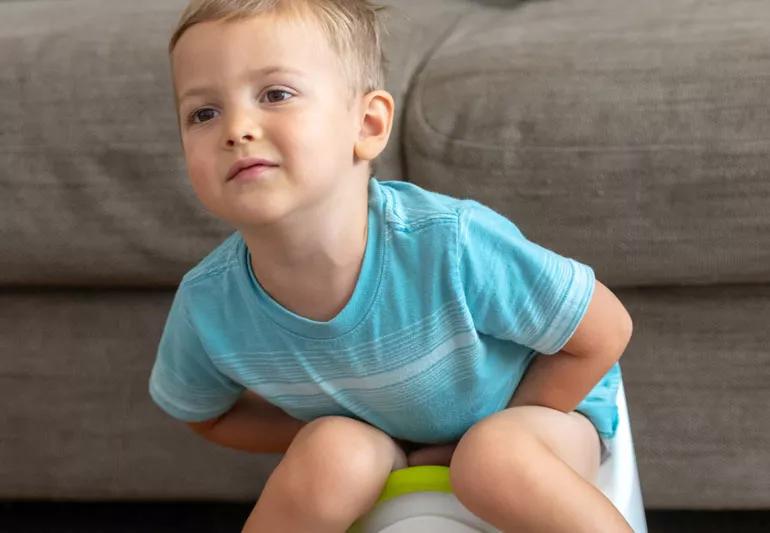
The Ultimate Guide: How To Get Your Toddler To Poop On The Potty
Getting your toddler to poop on the potty can feel like a huge challenge. Many parents wonder if their child is ready or why pooping on the potty is harder than peeing. Rest assured, this is a very common issue. The good news is that with patience, the right approach, and a few smart steps, you can help your little one master this big skill. This guide will show you how to make pooping on the potty easier and less stressful for everyone.
Spotting Readiness for Potty Pooping
Before you begin, look for signs your child is ready. This is key for success. If you start too soon, it can make things harder.
Here are some signs of readiness:
- Shows Interest: Your child watches you use the toilet. They might ask about the potty. They may copy you.
- Stays Dry Longer: Your child stays dry for at least two hours. They may wake up dry from naps. This shows their bladder is stronger.
- Can Follow Simple Steps: Your child can understand and follow easy directions. “Go get the ball” is an example.
- Can Pull Pants Down: They can pull their pants up and down. This helps them be more independent.
- Tells You They Poop: Your child lets you know when they have a dirty diaper. They might point or say “poop.”
- Hides to Poop: Some children hide behind furniture or in a corner to poop. This shows they know a poop is coming.
- Asks for a Clean Diaper: They don’t like a dirty diaper. They want it changed right away.
Remember, every child is different. Some show all these signs. Some show only a few. Try not to rush. Wait for most signs of readiness.
Why Poop Potty Training is Different
Many parents find poop potty training harder than pee training. There are good reasons for this. Peeing is often quick and easy. Pooping takes more effort. It can also feel more scary for a child.
Fear and Control
One big reason for trouble is fear of pooping on toilet. Children can be afraid for many reasons.
- The Poop is Part of Them: For a young child, poop comes from their body. It can feel like losing a part of themselves. They may not understand it.
- Fear of the Toilet Flush: The sound of the toilet flushing can be loud and scary. It can feel like the poop is being “eaten” by the toilet.
- Fear of Falling In: Small children might fear falling into the big toilet bowl. A potty seat can help with this.
- It Feels Different: Pooping on the toilet feels very different from pooping in a diaper. A diaper catches the poop. The toilet makes it disappear. This change can be unsettling.
- Painful Poops: If your child has had hard, painful poops, they might fear pooping again. This can lead to them holding it in.
Control is also a key factor. Pooping is one of the few things a toddler can fully control. They can decide when and where to go. They may use this control to resist going on the potty. This is especially true if they feel pushed or pressured.
Toddler Constipation Potty Training Link
There is a very strong link between toddler constipation potty training problems. If your child has hard, painful poops, they will be afraid to go. They may hold their poop to avoid pain. This holding makes the poop even harder. It becomes a bad cycle.
- The Cycle:
- Child has a painful poop.
- Child decides to hold poop to avoid pain.
- Holding poop makes it dry and hard.
- Next poop is even more painful.
- Child holds poop even more.
If your child is constipated, deal with this first. It is very hard to potty train for poop if they are in pain. We will talk more about diet and other help for constipation later.
Steps to Poop Potty Success
A clear, gentle plan works best. Be patient and keep it positive.
Setting Up for Success
The right tools and a good space make a big difference.
The Right Potty Gear
Choosing the right potty can make your child feel safe.
- A Small Potty Chair: Many experts suggest a stand-alone potty chair.
- Pros: It is small and low to the ground. Your child’s feet can touch the floor. This gives them a stable base. This is important for pushing out poop. It also feels less scary than a big toilet.
- Cons: You have to clean it out after each use.
- A Potty Seat for the Big Toilet: This seat goes on top of your regular toilet.
- Pros: Your child feels like a “big kid” using the adult toilet. You don’t have to empty a separate potty.
- Cons: Your child’s feet might dangle. Use a sturdy stool so their feet are flat. A dangling child cannot push easily.
- A Foot Stool: No matter which potty you choose, a foot stool is a must for the big toilet. Their feet must be firm on the ground or a stool. This helps them push and relax.
Creating a Happy Place
Make the potty area a friendly, calm spot.
- Location: Put the potty in an easy-to-reach place. The bathroom is common. Some parents start with it in the living room for easy access. Move it to the bathroom later.
- Comfort: Make sure it is comfortable. A cold plastic seat can be off-putting. Some have padded seats.
- Supplies Ready: Keep wipes and a basket of books or small toys nearby. This gives them something to do while they wait. This can help them relax.
- Privacy: Some children like privacy. Close the bathroom door if they seem more comfortable.
Building Good Habits
Consistency is key when teaching new skills.
Potty Routine for Toddlers
A regular potty routine for toddlers helps them know what to expect. Predictable times teach their body when to go.
- Timing: Pick a few times each day to offer the potty.
- First thing in the morning.
- Before naps or bedtime.
- About 15-30 minutes after meals. Food often stimulates a bowel movement.
- Before leaving the house.
- The Process:
- Gently ask, “Do you need to use the potty?”
- Lead them to the potty.
- Help them pull down their pants.
- Have them sit for a few minutes. Don’t force them to sit for too long. 3-5 minutes is a good start.
- Read a book, sing a song, or talk calmly.
- If they poop, praise them a lot!
- If not, say “That’s okay! We’ll try again later.”
- Consistency: Stick to the routine daily. This helps their body get used to it.
Diet for Toddler Bowel Movements
What your child eats has a big impact on their poop. A healthy diet helps prevent constipation. This is vital for easy pooping.
- Fiber is Your Friend: Fiber adds bulk to poop. It makes it softer and easier to pass.
- Fruits: Pears, prunes, berries, apples (with skin), peaches, apricots.
- Veggies: Peas, broccoli, beans, sweet potatoes, carrots.
- Whole Grains: Whole wheat bread, oatmeal, brown rice, whole grain pasta.
- Hydration is Key: Water softens poop. Make sure your child drinks enough water throughout the day.
- Offer water often.
- Limit juice. Too much juice can cause diarrhea or add too much sugar. Small amounts of prune or apple juice can help with constipation.
- Limit Constipating Foods: Some foods can slow things down.
- Too much dairy (milk, cheese).
- White bread and white rice.
- Processed snacks.
Here’s a simple food guide:
| Food Category | Good Choices for Poop | Avoid/Limit |
|---|---|---|
| Fruits | Pears, apples, prunes, berries, peaches | Bananas (can be constipating for some) |
| Veggies | Broccoli, peas, beans, spinach, sweet potatoes | None (encourage all!) |
| Grains | Whole wheat bread, oatmeal, brown rice | White bread, white rice |
| Drinks | Water, diluted prune/apple juice | Too much milk, sugary drinks |
Child Holding Poop Tips
Some children become masters at holding their poop. This is often linked to fear or a past painful poop. Here are child holding poop tips:
- Spot the Signs: Watch for signs of holding. Your child might:
- Cross their legs.
- Stiffen their body.
- Wiggle or dance.
- Hide.
- Red face.
- Stay Calm: Do not show anger or frustration. This can make them hold even more.
- Gentle Encouragement: When you see them holding, gently suggest the potty. “It looks like your body needs to poop. Let’s go sit on the potty.”
- Relaxation: Help them relax.
- Deep breaths. “Let’s take a big elephant breath.”
- Warm bath: A warm bath can relax the muscles. Sometimes they will poop in the bath. This is okay.
- Massage: Gently rub their tummy in a clockwise circle.
- Don’t Force: Never force them to sit or push. This can make the fear worse.
- Address the Root Cause: If they are holding due to pain, address constipation first.
- Keep Diapers Handy: If they are holding and need to go, let them poop in a diaper if they must. The goal is to get the poop out, not to make them hold it longer. You can try to have them poop in a diaper while standing over the potty, as a bridge.
Making Potty Time Fun
Keep the mood light and happy. Avoid pressure.
Positive Reinforcement for Potty Pooping
Positive reinforcement for potty pooping is powerful. It means praising and rewarding good tries. This builds confidence and makes them want to try again.
- Praise Effort, Not Just Success: “You sat on the potty like a big kid!” even if nothing happens. “Good try!”
- Specific Praise: Instead of just “Good job,” say “You did such a great job sitting on the potty and trying to push!” or “You put your poop right in the potty!”
- Cheer and Celebrate: Make a big deal when they poop on the potty. Clap, cheer, sing a special song.
- High Fives and Hugs: Simple gestures of approval mean a lot.
- Involve Family: Have other family members give praise too.
Rewards for Pooping on Potty
Small rewards for pooping on potty can give a boost. They should be simple and given right away.
- Sticker Chart: A popular choice. Let your child put a sticker on a chart each time they poop on the potty. When they get a certain number, they get a small prize.
- Small Treats: A single M&M, a few goldfish crackers, or a small piece of fruit.
- Privileges: A special activity like watching a favorite show, choosing a book, or extra playtime.
- Small Toys: A tiny car, a playdough container, or a temporary tattoo.
Important points about rewards:
- Immediate: Give the reward right after they poop. This helps them connect the action with the reward.
- Small and Consistent: Don’t give too much. Make it something you can keep up with.
- Fade Rewards: As they get better, slowly reduce the rewards. Praise becomes the main reward.
- Choice: Let them choose their reward if possible. This gives them a sense of control.
Tackling Common Potty Poop Problems
Even with the best plan, problems can arise. Here’s how to deal with common issues.
Potty Training Poop Refusal
Sometimes, children simply refuse to poop on the potty. This can be frustrating. This is often part of potty training poop refusal.
- Don’t Push: Forcing them will make them resist more. Back off and try again later.
- Relax the Pressure: Take a break from active training for a few days or weeks. Let them wear diapers again.
- Revisit Readiness: Are they truly ready? Maybe they need a bit more time.
- Rule Out Pain: Make sure constipation is not the cause.
- Make it Playful: Use dolls or stuffed animals to show how they use the potty. Read books about potty training.
- Power of Choice: “Do you want to use the red potty or the blue potty?” “Do you want to read this book or that book while you sit?”
- Observe and Learn: Watch when they usually poop. Try to catch that window.
Resistant to Potty Training Poop
If your child is resistant to potty training poop even after trying the above, it can feel overwhelming. This often means deeper fear or control issues.
- Diaper On, On the Potty: If they refuse to poop in the potty but will in a diaper, try this. Let them wear a diaper, but have them sit on the potty while wearing it. This helps them connect the potty with pooping, without the fear of the toilet itself. Slowly, you can try cutting a hole in the diaper, then removing the diaper entirely.
- Sit and Wait: If they often poop at a certain time, have them sit on the potty then. Even for 5-10 minutes. Read books. No pressure.
- Address Fear: Talk about their fears. “Are you scared of the big flush?” “Are you worried about falling?” Acknowledge their feelings.
- Doctor’s Visit: If resistance is strong and long-lasting, especially with holding, talk to your doctor. They can check for medical issues.
- Patience, Patience, Patience: This stage can take months. Do not give up. Your calm approach is their guide.
Dealing with Accidents
Accidents will happen. They are part of learning.
- Stay Calm: Do not scold or shame your child. “Oh, you had an accident. That’s okay. Poop goes in the potty.”
- Help Them Clean Up: Have them help put the dirty clothes in the laundry. This teaches responsibility without shame.
- Focus on the Next Time: Remind them of the potty. “Next time, let’s try to get the poop in the potty.”
- Review the Routine: Did something disrupt their routine? Did they forget to try after a meal?
When Pooping is Painful
If your child cries or strains when pooping, or if their poop is hard and dry, they are likely constipated. This must be fixed.
Addressing Constipation
This is the most crucial step if pain is involved.
- Diet: Revisit the “Diet for Toddler Bowel Movements” section. Increase fiber and water.
- Regularity: Encourage regular potty sits. Even if they don’t poop, sitting can help stimulate.
- Movement: Encourage active play. Running and jumping help digestion.
- No Pressure: Again, do not pressure them to push. This can make them hold more.
Stool Softeners for Toddlers
Sometimes, diet and routine are not enough. In these cases, your doctor may suggest stool softeners for toddlers.
- What they are: Stool softeners are medicines that make poop softer and easier to pass. They are not laxatives that force a bowel movement. They work by drawing water into the stool.
- Common Types:
- Miralax (Polyethylene Glycol 3350): This is often recommended by doctors. It is an osmotic laxative that works by drawing water into the bowel. It is tasteless and can be mixed into drinks.
- Lactulose: Another osmotic laxative.
- Docusate Sodium: A true stool softener that makes the stool softer by helping it absorb water.
- Always Talk to Your Doctor First: Do not give your child any medication without talking to their doctor. They can recommend the right type and dose.
- Long-Term Use: Stool softeners might be needed for weeks or even months. This helps break the cycle of painful poops and holding. Your doctor will guide you on when to stop.
- Combined Approach: Stool softeners work best with diet changes and a regular potty routine.
When to Get Help
Most potty training issues can be solved at home. But sometimes, professional help is needed.
Call your doctor if:
- Severe Constipation: Your child goes less than 3 times a week, has very hard stools, or has painful pooping despite diet changes.
- Extreme Holding: They hold poop for days and are clearly in distress.
- Pain or Blood: You see blood in their poop or on the toilet paper.
- Regression: They were doing well, then suddenly stopped and are very resistant.
- Long-Term Refusal: Poop refusal lasts for many months despite all efforts.
- Concerns about Diet: You are worried about their eating habits or they refuse fiber-rich foods.
Your doctor can rule out medical problems. They can also offer specific advice. They might refer you to a child psychologist or a pediatric gastroenterologist. These experts can help with behavioral issues or serious constipation.
Final Thoughts
Teaching your toddler to poop on the potty is a marathon, not a sprint. It asks for great patience from you. Celebrate every tiny step forward. Even sitting on the potty or showing interest is a win.
Remember that every child learns at their own pace. What works for one child may not work for another. Stay calm, be consistent, and keep it positive. Your child will get there. They need your support and love. Trust your child and trust the process. You are doing a great job!
Frequently Asked Questions (FAQ)
Q1: My toddler pees on the potty but refuses to poop. Is this normal?
Yes, this is very common. Peeing is quicker and less intimidating. Pooping can feel like a bigger deal to a child. They might fear losing a part of themselves or worry about pain. Many children master pee training first. Be patient and focus on making poop time stress-free.
Q2: How long should my toddler sit on the potty to try and poop?
Start with short times, like 3 to 5 minutes. If they are willing to sit longer, up to 10 minutes is fine. Don’t force them to sit for too long. This can make them feel trapped or pressured. If nothing happens, say “That’s okay, we’ll try again later!”
Q3: My child holds their poop until they get a diaper. What should I do?
This is a classic sign of child holding poop tips being needed. It often means they have a fear of pooping on the toilet or have had painful experiences. Try to let them wear a diaper while sitting on the potty. This can be a bridge. You might even cut a hole in the diaper over time. Focus on making sure their poop is soft with diet. Never shame them for needing a diaper. The goal is to get the poop out.
Q4: What are the best foods for toddler constipation potty training?
For soft bowel movements, focus on high-fiber foods and plenty of water. Good choices include pears, prunes, apples (with skin), berries, broccoli, peas, beans, oatmeal, and whole wheat bread. Limit too much dairy, white bread, and processed snacks.
Q5: Can I give my toddler a reward for pooping on the potty?
Yes, rewards for pooping on potty can be very helpful! Small, immediate rewards work best. This could be a sticker, a small treat (like one M&M), or a special privilege. The reward should be given right after they poop. Over time, you can slowly reduce the rewards as they get more confident.
Q6: When should I consider stool softeners for toddlers?
Only consider stool softeners after talking to your doctor. If your child has hard, painful poops, or is consistently holding poop despite diet changes, your doctor might suggest them. They help make poop softer and easier to pass. Never give any medication without medical advice.
Q7: My child is really resistant to potty training poop. What’s the next step?
If your child shows strong resistant to potty training poop, take a step back. Ensure there’s no constipation. Revisit the “Potty Routine for Toddlers” section and keep it calm. If they consistently refuse for weeks or months, or if you are very worried, talk to your pediatrician. They can check for issues and offer tailored advice.