
How can you stop a toddler from pulling hair out? It can be upsetting when a toddler pulls hair. This act is often a way toddlers show feelings. They may be exploring. They might seek attention. Or they could be upset. Stopping this behavior needs calm steps. It calls for patience. It also needs clear teaching. You can guide your child. You can help them use gentle hands. This guide will show you how.
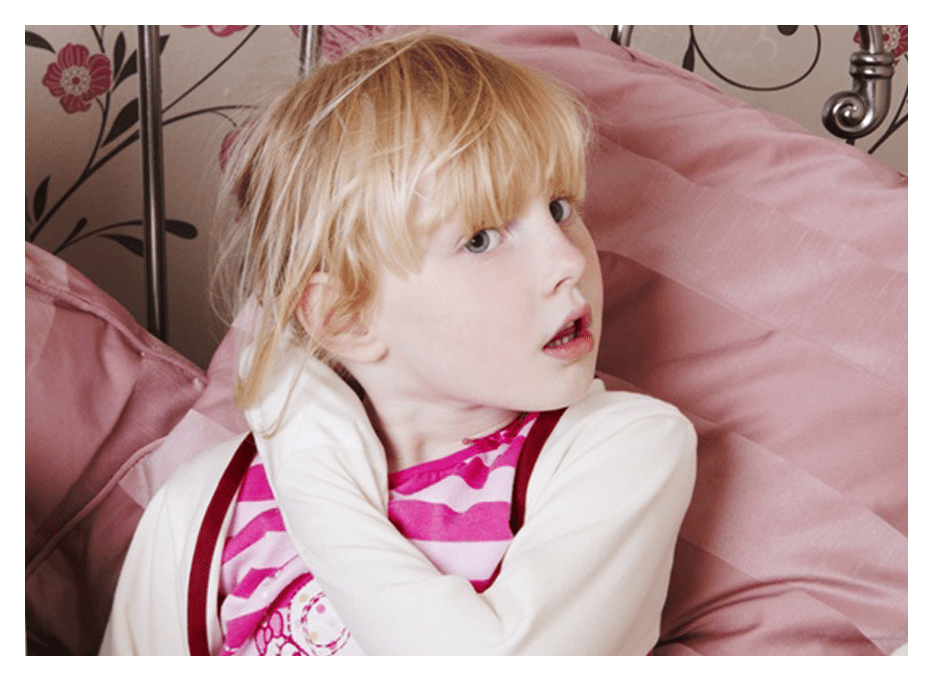
Image Source: scratchsleeves.co.uk
Exploring Why Toddlers Pull Hair
It is key to know why toddlers pull hair. This helps you choose the best way to help them. There are many toddler hair pulling causes. Each one needs a different approach.
Curiosity and Exploration
Toddlers learn by doing. They touch. They grab. They pull. Hair is interesting to them. It is soft. It is long. They might pull it to see what happens. This is part of how they explore their world. They are not trying to be mean. They just want to learn.
Seeking Attention
A toddler learns fast. They learn what gets a reaction. Pulling hair often gets a big reaction. Even a “No!” or a stern face is attention. They might keep doing it to get your eyes on them. They want you. They want your time. This is a common toddler hair pulling causes.
Big Feelings and Frustration
Toddlers have big feelings. They do not have words for them yet. They get mad. They get sad. They get very upset. This can lead to toddler emotional outbursts. Hair pulling can be their way to show this. They might be frustrated. They might feel overwhelmed. They do not know how to tell you this. So, they pull hair. This might be your hair. It might be a sibling’s hair.
Sensory Input Needs
Some toddlers seek certain feelings. This relates to sensory issues toddlers may have. They might like the feel of hair. They might like the pulling action. It gives them a strong sensation. This can be a way to calm themselves. Or it can be a way to feel more alert. They are not bad kids. They just need a different kind of input.
Copying Others
Children learn by watching. They copy what they see. If they see someone pull hair, they might do it too. This can be a sibling. It can be a friend. They might see it on TV. They do not know it is wrong. They are just imitating.
Testing Limits
Toddlers test rules. They want to know what they can do. They want to know what they cannot do. Pulling hair can be a test. They want to see your reaction. They want to see if you will stop them. This is part of growing up.
Pain or Discomfort
Sometimes, a toddler pulls hair because they hurt. They might be teething. They might have an ear infection. They might feel sick. Pulling hair can be a way to cope with pain. It can be a way to distract themselves. Check for other signs of pain.
Stress or Changes
Big changes can stress a toddler. A new baby. A new house. Starting daycare. Even small changes can cause stress. They might not know how to handle it. Hair pulling can be a sign of stress. It can be a way to release tension.
Tiredness or Hunger
Just like adults, toddlers act out when tired. Or when hungry. They might be fussy. They might pull hair. Make sure your toddler gets enough sleep. Offer healthy snacks often. These simple steps can help.
Handling Hair Pulling Right Now
When your toddler pulls hair, act fast. Your calm reaction is key. It teaches them what to do. It also shows them what not to do.
Stay Calm
This is the most important step. Your toddler sees your reaction. If you get mad, they might get scared. Or they might get more upset. Take a deep breath. Speak in a quiet voice. Your calm helps them calm down too.
Remove Their Hand Gently
Do not yank their hand away. Gently take their hand off the hair. Do this without much talk. Just a gentle removal.
Use Clear, Simple Words
Say “No pulling.” Say “Gentle hands.” Use only a few words. Keep it firm. Keep it calm. Do not give a long speech. Toddlers do not understand many words. They learn best from short, clear words. Repeat these words each time.
Shift Their Focus
Move their attention to something else. Offer a toy. Point out a bird outside. Change the activity. This is a good distraction techniques for toddlers. It helps them forget the hair. It teaches them to do something else.
Teach Gentle Hands
Show them how to touch gently. Take their hand. Guide it to pat softly. Say “Gentle touch.” Praise them when they use gentle hands. “Good gentle hands!”
Be Consistent
Always react the same way. Every time they pull hair. This helps them learn. They learn that hair pulling always leads to the same outcome. They learn that it is not okay. Consistency is vital for behavior management toddler.
Long-Term Steps for Gentle Behavior
Teaching a toddler gentle behavior takes time. It needs clear rules. It needs lots of praise. These long-term steps help your child learn.
Setting Clear Rules
Talk about rules often. Make them simple. “We use gentle hands.” “No pulling.” “We do not hurt.” Show them what this means. Use puppets or dolls to act it out.
Consistency Every Time
This is not a one-time fix. It is a daily effort. Every time hair is pulled, follow the same steps. This helps your toddler learn the rule. It helps them feel safe. They know what to expect. This builds good behavior management toddler skills.
Redirection is Key
When you see them about to pull hair, redirect them. Offer a toy. Start a game. Ask them a question. “Do you want to play with the blocks?” This moves their focus. It stops the bad act before it starts. This is a very useful distraction techniques for toddlers.
Positive Reinforcement for Good Choices
Catch your toddler being good. Praise them for gentle hands. If they pat your arm nicely, say, “Good gentle touch! I like that.” Give a high-five. Give a hug. This is positive reinforcement toddler. It makes them want to do the good thing more. They learn that gentle behavior gets your positive attention.
Here is a table showing gentle hand activities:
| Activity | Description | Benefit |
|---|---|---|
| Pat a Pet | Gently stroke a pet or a stuffed animal. | Teaches soft touch. |
| Touch Your Nose | Guide their finger to gently touch their nose. | Helps with body awareness and light touch. |
| Massage Arms | Gently rub lotion on their arms or legs. | Teaches pressure control and soothing touch. |
| High-Fives | Give gentle high-fives. | Fun way to practice light, friendly contact. |
| Gentle Hugs | Practice soft, friendly hugs. | Shows how to use hands for loving gestures. |
| Plant Watering | Use a small cup to gently water a plant. | Focuses on careful, controlled movements. |
| Cloud Touch | Pretend to touch soft clouds in the air. | Encourages light, imaginary touch. |
Teaching Impulse Control
Toddlers act on urges. They see something. They do it. Teaching impulse control toddlers means helping them stop. It means helping them think first.
- Red Light, Green Light: Play this game. Say “Red light!” and they stop. Say “Green light!” and they go. This teaches them to stop.
- Waiting Games: Wait for a turn. Wait for a snack. “We wait for mommy to say ‘go’.” This builds patience.
- Counting: If they are about to grab, count to three. “One, two, three, gentle hands.” This gives them a moment to pause.
Helping with Big Feelings
Toddler emotional outbursts are common. They get overwhelmed. They might hit. They might bite. They might pull hair. Help them learn to handle feelings.
- Name the Feeling: “You seem mad.” “Are you frustrated?” Putting words to feelings helps them.
- Calm-Down Corner: Have a soft spot. Put pillows. Put quiet toys. This is a place they can go to calm down.
- Deep Breaths: Teach them to take big breaths. “Smell the flower, blow out the candle.” Practice this often.
Dealing with Aggressive Toddler Behavior
Hair pulling can be part of wider aggressive toddler behavior. This may include hitting or biting. The core ideas are the same. You need to teach gentle ways. You need to set limits.
- “Gentle Hands” Rule: Make this a family rule. Talk about it often. Praise it often.
- Model Gentle Actions: Show them how you use gentle hands. Pet the dog softly. Touch a friend gently.
- Teach Alternatives: If they want attention, show them how to ask. “Say ‘Mommy, look!'” If they are frustrated, show them how to stomp their feet. Or how to hit a pillow.
- Toddler Biting Hitting Solutions: Many of the same steps apply. Calmly stop the behavior. Say “No hitting/biting/pulling.” Offer an alternative. Redirect their energy. Teach them to use their words.
Sensory Sensitivities and Hair Pulling
Some toddlers seek certain feelings. This can be a major cause of hair pulling. These are called sensory issues toddlers may have.
What are Sensory Needs?
Some children need more input from their senses. They might crave strong touches. They might pull hair to feel the tug. Or they might avoid certain feelings. They might pull hair to feel more in control. This is not bad behavior. It is a need.
Hair Pulling as Sensory Input
The act of pulling hair gives a strong feeling. It can be a way for them to meet a sensory need. It can be a way to calm down. It can be a way to get energy.
Offering Better Sensory Choices
If you think your toddler has sensory needs, offer other options. These should be safe. They should be okay for others.
- Chewy Toys: If they like to bite or chew, offer safe chew toys.
- Weighted Blankets: Some kids like the heavy feel. It can be calming.
- Fidget Toys: Small items they can squeeze or twist.
- Play Dough/Clay: This gives a lot of hand input.
- Sensory Bins: Fill a bin with rice, beans, or water. Add small toys. Let them dig and explore.
- Deep Pressure: Firm hugs. Rolling a therapy ball over their body.
- Rough and Tumble Play: Safe wrestling. Running. Jumping. This helps them get out energy. It gives their body a lot of input.
- Vibrating Toys: Small toys that buzz gently.
- Brushing: A soft brush (like a baby brush) on their skin.
If these needs seem big, talk to your doctor. They might suggest an occupational therapist (OT). An OT can help figure out your child’s exact sensory needs. They can create a plan to help.
Distraction and Redirection Always Help
Distraction techniques for toddlers are very strong tools. They can stop bad behavior fast. They help your toddler move to something good.
- Engaging Toys: Keep a favorite toy handy. When hair pulling starts, offer the toy. “Look at this cool car!”
- Singing Songs: Start singing a silly song. This can break their focus. It can also lighten the mood.
- Changing the Activity: If they are playing with a toy and pulling hair, switch to a new activity. “Let’s go read a book!”
- New Environment: Move to a new room. Go outside. A change of scenery can reset their mood.
- Offering a Choice: “Do you want to play with blocks or read a book?” Giving a choice helps them feel in control. This can lower frustration.
Remember to be quick. Catch them before the pulling gets too bad. Redirect them often.
When to Seek Expert Help
Most of the time, toddler hair pulling is a phase. It gets better with calm steps. But sometimes, it is a sign of bigger issues. This is when you might need help from experts. These can be signs of early childhood behavior problems.
Persistent Behavior
If the hair pulling does not get better. If it gets worse. Or if it lasts for many months. This is a sign to seek help.
Harm to Self or Others
If your toddler is hurting themselves. Or if they are hurting others a lot. This needs fast help. This includes hair pulling. It also includes hitting, biting, or kicking.
Impact on Daily Life
If the hair pulling stops you from doing normal things. Like going to play dates. Or going to the store. If it causes a lot of stress for the family. This is a sign to get help.
Talk to Your Doctor
Your child’s doctor is a good first step. Tell them what is happening. They can check for health issues. They can offer advice. They can send you to a specialist.
Specialist Referrals
- Child Psychologist: They can help figure out why your child is pulling hair. They can suggest behavior plans. They can help with big feelings.
- Occupational Therapist (OT): If sensory needs are at play, an OT is key. They can help with sensory integration. They can give ideas for sensory input.
- Developmental Pediatrician: This doctor checks how children grow and learn. They can see if there are delays. They can help with tricky behaviors.
It is brave to ask for help. It means you want the best for your child. Getting help early can make a big difference.
In Conclusion
Stopping a toddler from pulling hair needs calm and consistent action. Remember, it is often a way they try to tell you something. It might be out of curiosity. It might be for attention. It might be from big feelings or sensory needs.
By using simple words, redirecting their focus, and praising good behavior, you can help them. Teach them impulse control. Show them how to use gentle hands. Learn to manage toddler emotional outbursts. Address aggressive toddler behavior with calm teaching.
Keep using positive reinforcement toddler tactics. Offer distraction techniques for toddlers. If you suspect sensory issues toddlers may be facing, explore sensory alternatives. And remember, it is okay to seek help for early childhood behavior problems if needed.
Your patience and love are the most powerful tools. You are teaching your child how to be gentle. You are helping them grow into a kind person.
Frequently Asked Questions (FAQ)
Is hair pulling normal for toddlers?
Yes, it can be normal for toddlers. It is part of how they explore. It is also a way they show feelings. Many toddlers go through this phase. But it is important to teach them not to do it.
What if my toddler pulls my hair hard?
Stay calm. Gently remove their hand. Say “No pulling. Gentle hands.” Then, redirect their attention. Offer a toy or change the activity. Do this every time. Your calm reaction helps them learn.
How long does hair pulling last?
It is often a phase. For some, it lasts a few weeks. For others, it might last longer. It depends on how you react. It also depends on the reason they are doing it. Consistency in your response can make it stop faster.
Should I punish my toddler for pulling hair?
No. Punishing a toddler often does not work well. It can make them more upset. It can make them pull hair more. Instead, focus on teaching. Teach them what to do instead. Use gentle guidance. Use positive reinforcement.
What if my toddler pulls their own hair?
If your toddler pulls their own hair, the steps are similar. It could be sensory seeking. It could be due to stress. Gently stop them. Offer alternative sensory activities. Offer comfort. If it is severe or causes bald spots, talk to your doctor.