
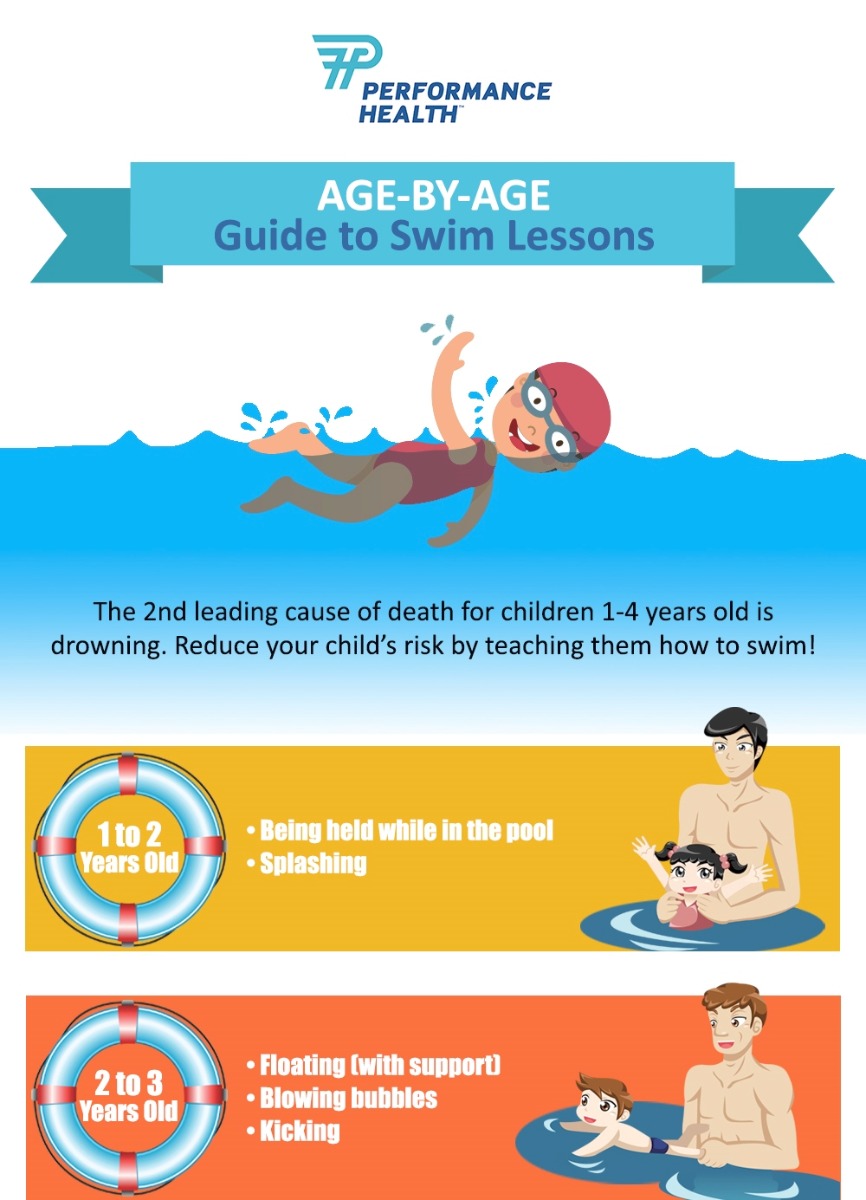
Image Source: www.performancehealth.com
How To Teach My Toddler To Swim: Fun & Easy Steps For Parents
Many parents ask, “What is the best toddler swimming age to start?” The good news is that you can begin getting your toddler used to water very early! While formal swimming lessons for toddlers often start around age 1, simply introducing your little one to the pool or bath water in a fun, safe way can happen much sooner. This guide will walk you through simple, enjoyable steps to introduce your toddler to the water and help them gain basic skills, always keeping toddler water safety as the number one priority.
Why Water Time Matters For Little Ones
Getting your child comfortable and confident around water is a wonderful gift. It’s not just about learning strokes; it’s about safety, fun, and building happy memories. Early water exposure helps little ones feel relaxed instead of scared near pools or lakes. It also lays the groundwork for them to learn vital skills later. Plus, splashing and playing in the water is a fantastic way for toddlers to burn energy and explore new feelings and movements.
Safety First: Rules By The Water
Before any water fun begins, safety rules are a must. Pool safety for young children is not something you can overlook. Always be alert.
Golden Safety Rules
- Watch constantly: Never, ever leave your toddler alone near water, not even for a second. This includes pools, tubs, and even buckets.
- Touch supervision: For toddlers, stay within arm’s reach at all times when they are in or near the water.
- Secure the area: If you have a pool, make sure it has a fence with a self-latching gate. Remove toys from the pool when not in use so they don’t attract children.
- Life jackets: Make sure your child wears a U.S. Coast Guard-approved life jacket when near or on open water (lakes, rivers, boats). It should fit well. Life jackets are also wise for young children around pools, especially before they can swim.
- Set clear rules: Even young toddlers can start learning simple water rules, like “no running near the pool.”
Getting Your Toddler Used To Water
The goal is to make water feel normal and fun, not scary. Getting toddler used to water should be a slow and gentle process.
Starting Small: Bath Time Play
The bath is a perfect place to start.
* Let them splash and play.
* Pour water over their body gently with a cup.
* Sing songs about water.
* Use floating toys.
* Let them get their face wet little by little. Show them how you do it.
First Pool Visits: Keep it Gentle
Your first trips to the pool should be short and happy.
* Find a pool with a shallow entry (like steps) or a very shallow wading area.
* Just sit on the steps with your toddler. Let them splash their hands and feet.
* Hold them close and walk around in the shallow end.
* Let them feel the water on their arms and legs.
* Use toys they like to make it more inviting.
Exploring Swim Classes
Many parents wonder about baby swim classes. These classes are great for getting toddlers used to the water in a safe, guided way. They are usually parent-child classes.
What Happens In Baby/Toddler Swim Classes?
- Parents are in the water with their children.
- Teachers lead songs, games, and activities.
- Focus is on water comfort and basic safety skills.
- Kids learn things like entering and exiting the pool safely.
- They practice getting their faces wet and holding their breath briefly (often by cue words).
- Classes help build a routine and make pool time a positive experience.
While classes are helpful, you can also work on water comfort at home or during family pool time using similar ideas.
Grasping Basic Swim Skills For Toddlers
Toddlers aren’t ready to swim laps, but they can learn important basic swim skills for toddlers. These are building blocks for future swimming.
Key Skills To Focus On
- Water entry and exit: Teach them how to safely get in and out of the pool, usually using steps or the side.
- Getting face wet: Practice putting their chin, mouth, then nose in the water. This often starts by blowing bubbles.
- Blowing bubbles: This is key! It helps them learn to put their face in and control their breath. Practice this in the bath first, then the pool.
- Floating: This is a very important safety skill. Teaching toddler to float takes time and trust.
- Kicking legs: Hold them or use a float and help them kick their legs gently.
- Paddling arms: Encourage simple arm movements in the water.
Teaching Your Toddler To Float
Floating on their back is a vital safety skill. It allows them to rest and breathe if they accidentally fall in water.
Steps For Teaching Toddler To Float
- Build trust: Your toddler needs to feel safe with you holding them in the water.
- Start on their back: Hold them on their back in the shallow water. Support their head and back.
- Sing a song: Use a calming song or phrase to make it relaxing.
- Little by little: At first, just hold them fully. As they get comfy, slowly lessen your support, keeping your hands ready to catch them.
- Support the head: Make sure their ears are in the water and their nose and mouth are out. This feels strange at first.
- Keep it short: Only do it for a few seconds at a time. Praise them greatly afterward.
- Practice often: Regular short sessions are better than long, tiring ones.
It’s okay if they don’t float alone right away. The goal is for them to feel what it’s like to be on their back in the water and trust you.
Making Swimming Fun For Kids
Play is how toddlers learn best! Making swimming fun for kids is key to their progress and confidence. If they are having fun, they will want to be in the water more.
Ways To Boost The Fun
- Sing songs: “Row, Row, Row Your Boat,” “The Wheels on the Bus,” or simple made-up songs about splashing.
- Use toys: Floating toys, cups for pouring, plastic balls, or waterproof books.
- Play simple games: See the section below!
- Bring a friend: If possible, let them play near another child (with parent supervision, of course).
- Use praise: Clap and cheer for their efforts, no matter how small.
- Follow their lead: Let them show you what they are comfortable doing. Don’t force activities.
Fun Pool Games For Toddlers
Simple games turn practice into play. Here are some fun pool games for toddlers.
Easy Pool Games
- Red Light, Green Light (Water version): Stand in shallow water. Say “Green light!” and let them splash and move. Say “Red light!” and everyone freezes.
- Ring Around the Rosy: Do the classic song in a circle in shallow water. “We all fall down!” is fun when you gently dip down together.
- Find the Toy: Throw a floating toy a very short distance in front of them and let them “swim” or paddle to get it.
- Kick, Kick, Kick: Hold them while they hold onto the side or a kickboard. Sing a simple song while they kick their legs.
- Water Pouring: Give them cups and let them pour water on themselves or toys.
Table: Simple Pool Games for Toddlers
| Game Name | How to Play | Skill Practiced |
|---|---|---|
| Red Light, Green Light | Move on Green, Freeze on Red (in shallow water). | Water movement, Listening |
| Ring Around the Rosy | Sing song in a circle, gently dip on “fall down”. | Water comfort, Trust |
| Find the Toy | Throw floating toy short distance, encourage paddling/reaching. | Forward movement, Reaching |
| Kick, Kick, Kick | Hold side/board, sing while child kicks legs. | Kicking legs |
| Water Pouring Fun | Use cups to pour water. | Water comfort, Play |
Using Swim Aids For 2 Year Olds
Floatation devices, or swim aids for 2 year old, can be helpful, but use them wisely. They should not replace your supervision or be seen as life jackets.
Types of Swim Aids
- Puddle Jumpers: These arm and chest floats are popular. They help keep the child upright and buoyant.
- Arm Floats (Swimmies): Worn on the upper arms. Less stable than Puddle Jumpers.
- Kickboards: Good for practicing kicking while holding on.
- Pool noodles: Fun for play and can offer some support, but not reliable floatation.
- Swim vests: Some are aids (not certified), others are certified life jackets. Check carefully.
Important Points About Swim Aids
- They are NOT life jackets: Unless they are U.S. Coast Guard approved, they are not designed to save a life. Never rely on a swim aid to keep your child safe.
- They can create a false sense of security: For both the child and the parent.
- They position the body unnaturally: Many aids hold the child upright, which is not the position used for swimming strokes or floating on the back.
- Use them for play, not learning independent skills: Use aids for fun water time, but practice skills like floating and getting face wet without aids when possible, with close support.
- Always supervise: Even with a swim aid on, stay within arm’s reach.
For structured learning, it’s often better to provide direct physical support rather than relying on an aid. Aids can be great for free play time once basic comfort is established.
Step-by-Step Water Introduction Plan
Here is a simple plan to guide your toddler’s water journey. Remember to go at their pace.
Week 1-2: Getting Comfortable
- Spend extra time making bath time fun and splashy.
- Practice pouring water gently over their legs, arms, and back.
- Put a wet washcloth on their face or let them splash their own face (if they want to).
- Blow bubbles together in the bath.
Week 3-4: First Pool Experiences
- Visit a shallow pool or wading area.
- Just sit on the steps with them. Let them touch the water.
- Hold them close and walk around in shallow water (knee-deep for you).
- Play with water toys near the edge.
- Keep visits short (15-20 minutes).
- Practice gentle splashing together.
Month 2: Adding Movement
- Continue gentle pool visits.
- Hold them while walking in shallow water, encouraging leg kicks.
- Hold them facing you, supporting under their arms, and gently move backward, letting them paddle arms and kick.
- Practice blowing bubbles in the pool water.
- Introduce sitting on the side and dangling legs, then practice safe entry (sliding in on their tummy with your help).
Month 3 Onwards: Building Skills
- Keep practicing bubbles and getting face wet.
- Introduce the idea of floating on their back, with full support.
- Play games that involve gentle movement and reaching for toys.
- Gradually practice getting in and out of the pool more independently (but with your spot).
- If attending baby swim classes, practice what you learn there during other pool visits.
Consistency is key. Frequent, short, positive experiences are better than rare, long ones.
Addressing Challenges
Sometimes toddlers are fearful or resistant to the water. This is normal.
Tips For Fearful Toddlers
- Be patient: Do not force them into the water or to do anything they clearly dislike.
- Start even smaller: Just sit by the pool or bath without getting in. Let them watch others.
- Let them control: Allow them to decide when to get their hands wet, then their feet.
- Use distraction: Toys and songs can help take their mind off their fear.
- Show them: Let them see you happily put your face in the water and blow bubbles.
- Build trust: Hold them securely and speak in a calm, happy voice.
- Try different water: Maybe a different pool (warmer?) or just the bath for longer.
Celebrating Small Wins
Every little step is progress!
* Clapped when they put their chin in the water? Great job!
* Kicked their legs for 5 seconds? Amazing!
* Slid into the pool safely with your help? Way to go!
Positive feedback builds their confidence and makes them want to try again.
The Role Of The Parent
You are the most important part of teaching your toddler about water.
Your Role
- Be present: Give them your full attention.
- Be positive: Your attitude shapes theirs. If you are nervous, they might be too.
- Be patient: Learning takes time.
- Be playful: Make it fun!
- Be safe: Always keep safety rules first.
Wrapping Up Water Fun
Teaching your toddler to be comfortable and safe around water is a wonderful journey. It starts with building trust and making water time happy and fun. Focus on toddler water safety always. Use simple steps for getting toddler used to water. Explore baby swim classes if they fit your family. Work on basic swim skills for toddlers through play. Practice teaching toddler to float gently. Use swim aids for 2 year old with caution, remembering they don’t replace supervision. Most importantly, keep making swimming fun for kids with fun pool games for toddlers. With patience and positive experiences, your little one can build confidence and enjoy the water safely for years to come.
Frequently Asked Questions (FAQ)
Q: What is the right toddler swimming age to start lessons?
A: Many formal classes for toddlers start around 6 months or 1 year old. These are usually parent-child classes focused on water comfort and safety skills, not independent swimming. The most important thing is starting water exposure early in a positive way, regardless of age.
Q: Are baby swim classes worth it?
A: Yes, they can be very valuable. They offer a structured way to get toddlers used to water, teach parents water safety tips, and provide a fun, social environment. They focus on comfort, breath control, and getting used to being in the water with others, which are important first steps.
Q: Can swim aids for 2 year old help them learn to swim?
A: Swim aids can help keep a child afloat and make water time fun. However, they don’t teach swimming strokes and can create a false sense of security. They also position the body differently than how it floats naturally for swimming. Use them for fun play, but practice skills like getting their face wet and floating on their back with your direct support, without aids. Always supervise closely when using aids.
Q: How long should our water practice sessions be?
A: For toddlers, short, frequent sessions are best. Aim for 15-30 minutes per session. Stop if your toddler is cold, tired, or unhappy. You want to end on a positive note.
Q: My toddler is scared of the water. What should I do?
A: Be patient and do not force them. Start very slowly. Just sit by the water, play with water away from the pool, use the bath for comfort, and let them watch others having fun. Build trust by holding them securely. Use toys and songs to make it less scary. Go at their pace, celebrating small steps towards comfort.