
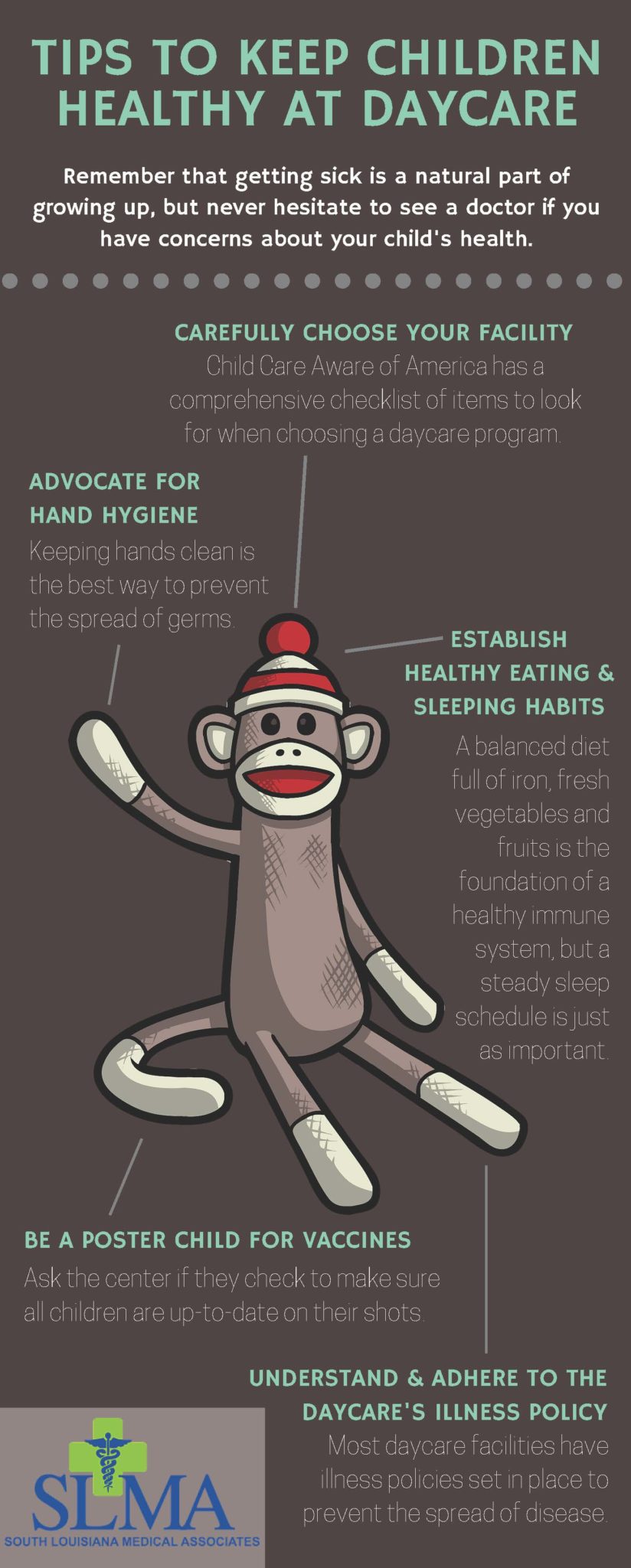
Image Source: www.slma.cc
Tips: How To Prevent Toddler From Getting Sick At Daycare
Toddlers in daycare often catch colds, the flu, stomach bugs, and ear infections. Daycare centers are places where many kids play close together. Germs can spread fast. You can greatly reduce how often your toddler gets sick at daycare by taking simple steps. Parents, caregivers, and daycare staff all play a key part in keeping toddlers healthy. This guide gives you many ways to help your child stay well.
Bolstering Your Child’s Defenses
Helping your child’s body fight off sickness is a key step. A strong body can fight germs better. This is a core part of building toddler resistance to sickness.
Power of Proper Food
What your child eats really matters. Good food helps their body stay strong. This is about nutrition to prevent toddler illness.
- Offer Many Fruits and Veggies: These foods have vitamins. Vitamins help the body fight germs. Give your child bright-colored fruits and veggies. Think of berries, oranges, spinach, and carrots.
- Give Healthy Proteins: Meat, beans, eggs, and nuts help build a strong body. They give your child energy. They also help repair cells.
- Choose Whole Grains: Brown rice, whole wheat bread, and oats are good. They give steady energy. They have important nutrients.
- Limit Sugary Foods: Sugary drinks and treats can make it harder for the body to fight sickness. Offer water or milk instead.
- Include Probiotics: Foods like yogurt with live cultures are good. They help healthy germs grow in the tummy. A healthy tummy helps the whole body.
Table: Immune-Boosting Foods for Toddlers
| Food Type | Examples | Benefits |
|---|---|---|
| Fruits | Oranges, Strawberries, Blueberries, Kiwi | High in Vitamin C, Antioxidants |
| Vegetables | Broccoli, Spinach, Carrots, Sweet Potatoes | Rich in Vitamins A, C, Iron, Fiber |
| Proteins | Chicken, Fish, Lentils, Beans, Tofu, Eggs | Builds and repairs body tissues, carries oxygen |
| Grains | Oats, Whole Wheat Bread, Brown Rice, Quinoa | Provides sustained energy, B vitamins, Fiber |
| Probiotics | Yogurt (with live cultures), Kefir | Supports gut health, aids immunity |
Essential Sleep Time
Sleep is very important for a toddler immune system booster. When kids sleep, their bodies rest and grow. They also make things that fight sickness.
- Aim for Enough Hours: Toddlers need about 11 to 14 hours of sleep each day. This includes naps.
- Keep a Sleep Schedule: Go to bed and wake up at the same time each day. This helps the body know when to rest.
- Create a Calm Space: Make the bedroom dark, quiet, and cool. This helps them sleep better.
- Limit Screen Time: Turn off TVs, tablets, and phones before bed. The lights can make it hard to fall asleep.
Staying Hydrated
Water helps the body work well. It helps move nutrients. It also helps remove bad things from the body.
- Offer Water Often: Give your child water throughout the day. Keep a water bottle handy.
- Limit Juices: Juices have a lot of sugar. Too much sugar is not good. Water is the best choice.
- Watch for Signs of Thirst: Dry lips or less peeing can mean your child needs more water.
Safe Play and Fresh Air
Playing outside is good for kids. Fresh air and a bit of sun help too. The sun gives Vitamin D, which is good for bones and immunity.
- Play Outside Every Day: Let your child play in the park or yard. Just dress them for the weather.
- Balance Indoor and Outdoor Time: Too much time inside can mean more germs. Open windows when you can.
- Get Some Sun: A little bit of sun helps the body make Vitamin D. This vitamin is good for health.
Stopping Germs in Their Tracks
Germs are everywhere. But you can do a lot to stop them from spreading. These are key daycare germ prevention tips.
Proper Hand Cleaning
Washing hands well is the best way to fight germs. This is true for kids and adults. Teaching handwashing techniques for kids early is a great step.
- Wash Often: Wash hands before eating, after playing, after sneezing or coughing, and after using the potty.
- Use Soap and Water: Wet hands, add soap, and rub for 20 seconds. Sing “Happy Birthday” twice. Rub palms, backs of hands, between fingers, and under nails.
- Rinse Well: Rinse all the soap off.
- Dry Hands: Use a clean towel or air dryer.
- Teach by Example: Show your child how to wash their hands. Make it a fun habit.
Table: Steps for Toddler Handwashing
| Step | Action | Tip for Toddlers |
|---|---|---|
| 1 | Wet hands with clean water. | “Let’s make our hands wet!” |
| 2 | Put a small amount of soap. | “A little squirt of soap, please!” |
| 3 | Rub hands together to make bubbles. | “Make bubbles like a superhero!” (Rub for 20 secs) |
| 4 | Rub the back of hands, between fingers. | “Scrub scrub, don’t miss a spot!” |
| 5 | Rinse hands well under clean water. | “Wash all the bubbles away!” |
| 6 | Dry hands with a clean towel. | “Pat dry, now they’re super clean!” |
Keeping Things Clean at Home
Your home can also have germs. Cleaning things often helps.
- Clean High-Touch Spots: Wipe down doorknobs, light switches, and remote controls. Do this often.
- Clean Toys: Wash plastic toys with soap and water. You can put some in the dishwasher. Wash cloth toys in the washing machine.
- Change Bedding: Wash sheets and pillowcases once a week.
- Use Proper Cleaners: Use cleaners that kill germs. Follow label directions.
When Out and About
Germs are everywhere, not just at daycare or home.
- Hand Sanitizer: If soap and water are not around, use hand sanitizer. Make sure it has at least 60% alcohol. Supervise your child when they use it.
- Avoid Touching Face: Teach your child to try not to touch their eyes, nose, or mouth. This is how germs get in the body.
- Carry Wipes: Use wipes to clean shopping cart handles or high chairs when out.
Getting Vaccinated
Vaccines are a powerful tool. They teach the body to fight serious sicknesses. This is a very important part of keeping toddlers healthy at childcare. Staying on the vaccination schedule for toddlers is key.
Why Vaccines Matter
- Protection: Vaccines protect your child from many serious diseases. These include measles, mumps, rubella, polio, and chickenpox.
- Herd Immunity: When most people are vaccinated, it protects those who cannot get vaccines. This is called ‘herd immunity.’
- Prevent Spreading: Vaccinated children are less likely to catch and spread diseases to others. This keeps the whole daycare healthier.
- Follow the Schedule: Talk to your doctor about your child’s vaccine schedule. Keep all shots up-to-date.
Table: Common Toddler Vaccinations (Example)
| Vaccine | Protects Against | Typical Age for Shots |
|---|---|---|
| DTaP | Diphtheria, Tetanus, Pertussis (Whooping Cough) | 2, 4, 6, 15-18 months |
| Hib | Haemophilus influenzae type b | 2, 4, 6, 12-15 months |
| PCV13 | Pneumococcal disease | 2, 4, 6, 12-15 months |
| Polio | Polio | 2, 4, 6-18 months |
| MMR | Measles, Mumps, Rubella | 12-15 months |
| Varicella | Chickenpox | 12-15 months |
| Hep A | Hepatitis A | 12-23 months |
| Flu shot | Influenza (Yearly) | 6 months and older |
Always check with your child’s doctor for the exact and latest schedule.
Working with Your Daycare Center
Your daycare center is your partner in keeping your child healthy. Knowing about daycare hygiene standards and sick policies for daycare centers is a big help.
Choosing a Good Daycare
- Look for Cleanliness: Visit the daycare. See if it looks clean. Are the rooms tidy? Do they clean toys often?
- Check Hygiene Rules: Ask about their rules for cleaning. Do they wash hands often? Do they use hand sanitizer?
- Staff Health: Are staff members healthy? Do they have rules for when staff are sick?
- Safe Spaces: Make sure the space is safe for toddlers. No small items they can choke on.
- Ratio of Kids to Staff: A good ratio means staff can watch kids better. They can also help with handwashing.
Knowing Daycare Rules
Every daycare has rules. Learn them well.
- Sick Policies: Ask about their sick policies for daycare centers. When must a child stay home? When can they come back? Follow these rules. This helps stop germs from spreading.
- Cleaning Routine: Ask how often they clean toys, tables, and other surfaces. Do they use safe cleaners?
- Handwashing Policy: Do all kids and staff wash hands often? Do they teach kids how to do it well?
- Food Prep: How do they handle food? Is it safe and clean?
- Emergency Plans: What if a child gets sick suddenly? Do they have a plan?
Talking to Daycare Staff
Good talks with staff are very helpful.
- Share Health Info: Tell them about any health needs your child has. This includes allergies.
- Ask Questions: If you see something that worries you, ask about it.
- Report Concerns: If you think the daycare is not clean, talk to them.
- Respect Their Rules: If they say your child is too sick to come, respect that. It helps everyone.
- Share Your Plan: Tell them your plan for when your child is sick. Who will pick them up?
During Illness at Daycare
Sometimes, children get sick at daycare.
- Quick Pick-Up: If the daycare calls, pick up your child quickly. This helps prevent more germs from spreading.
- Follow Doctor’s Advice: Get a doctor’s note if the daycare needs it.
- Communicate: Tell the daycare when your child is well enough to return.
Spotting Illness Early
Knowing signs of illness in toddlers at daycare helps you act fast. Early action can stop sickness from getting worse. It also helps prevent spreading germs.
Key Signs to Watch For
- Fever: A temperature higher than normal. Check your child’s temperature if they feel warm.
- Coughing or Sneezing: A lot of coughing or a runny nose can be a sign.
- Sore Throat: Your child might complain that their throat hurts. Or they might refuse to eat.
- Throwing Up or Diarrhea: These are clear signs of a stomach bug.
- Rashes: New spots or bumps on the skin.
- Changes in Behavior: Your child might be more tired, cranky, or not want to play.
- Less Appetite: Not wanting to eat as much as usual.
- Ear Pulling/Rubbing: This can mean an ear infection.
- Red Eyes/Discharge: Can be pink eye.
When to Keep Them Home
It is hard to keep a child home from daycare. But it is very important. It keeps your child safe. It also protects other kids and staff.
- Fever: If your child has a fever, they must stay home. They should be fever-free for 24 hours without fever medicine before going back.
- Vomiting or Diarrhea: Keep them home until it has stopped for 24 hours.
- Contagious Rash: If a rash could spread, keep them home until a doctor says it is safe.
- Eye Discharge: If eyes are red and have pus, it could be pink eye. Keep them home until a doctor says they are not contagious.
- Extreme Tiredness: If your child is very tired and cannot play, they may be too sick.
- Frequent Coughing/Sneezing: If it is constant and they are miserable, keep them home.
- Open Sores: Any open sores that cannot be covered well.
Table: When to Keep Your Toddler Home From Daycare
| Symptom | Action to Take | Return to Daycare Rule (General) |
|---|---|---|
| Fever (100.4°F/38°C+) | Keep home. | 24 hours fever-free without medicine |
| Vomiting/Diarrhea | Keep home. | 24 hours without an episode |
| Contagious Rash | Keep home. See doctor. | Doctor’s note, or when no longer contagious |
| Thick Green/Yellow Mucus | Keep home if significant or with other symptoms. | When clear or doctor’s approval |
| Constant Coughing | Keep home if severe or disruptive. | When manageable and child feels better |
| Conjunctivitis (Pink Eye) | Keep home. See doctor. | 24 hours after starting treatment, or doctor’s note |
| Sore Throat (with fever) | Keep home. See doctor. | 24 hours after antibiotics for strep |
Always check your daycare’s specific sick policy. They may have stricter rules.
What to Do When They Are Sick
When your child is sick at home, care for them well.
- Comfort is Key: Give them lots of hugs. Let them rest.
- Offer Fluids: Make sure they drink water, clear broth, or special rehydration drinks.
- Small Meals: Offer small, easy-to-eat foods.
- Follow Doctor’s Orders: Give medicines only as the doctor says. Do not give adult medicine to children.
- Watch for Worsening: If your child gets worse, call the doctor right away.
Building Stronger Toddler Resistance
It is not just about stopping germs. It is also about making your child’s body strong. This is key for building toddler resistance to sickness and keeping toddlers healthy at childcare.
Lifestyle Choices
- Regular Physical Activity: Play helps bodies grow strong. It boosts energy. It also helps with good sleep.
- Less Stress: Even toddlers can feel stress. A calm home helps them feel safe. This helps their immune system.
- Good Hygiene Habits: Make handwashing a lifelong habit. Teach them about covering coughs and sneezes.
- Lead by Example: Kids copy what adults do. If you eat well, sleep enough, and wash your hands, they will too.
Smart Use of Supplements (If Needed)
Some parents wonder about extra vitamins.
- Talk to Your Doctor: Always ask your child’s doctor before giving any vitamins or supplements. Most healthy children get what they need from food.
- Vitamin D: Some doctors suggest Vitamin D drops for babies and toddlers. It helps bones and immunity.
- Probiotics: These can help with tummy health. Again, ask your doctor first.
The Role of Exposure
It may sound strange, but some exposure to germs is normal. It helps build a child’s immune system over time.
- Not Too Sterile: Don’t try to make your home totally germ-free. A little dirt or dust can be okay.
- Balanced Approach: The goal is not to stop all sickness. The goal is to reduce how often and how severely they get sick. Their bodies learn from fighting off common bugs. This makes them stronger for the next one.
Final Thoughts on Keeping Toddlers Healthy
Keeping your toddler well in daycare takes effort. It is a mix of good habits at home and smart choices about daycare. Remember these main points:
- Nourish Their Body: Good food, enough sleep, and water are the base.
- Fight Germs: Handwashing is your best friend. Keep things clean.
- Trust Vaccines: They are a major shield against bad diseases.
- Partner with Daycare: Work with them, know their rules, and talk openly.
- Spot Sickness Fast: Know the signs and keep sick kids home.
By doing these things, you help your toddler grow up strong. They will still get sick sometimes. All kids do. But you can greatly lower how often and how sick they get. You are building their health for life.
Frequently Asked Questions (FAQ)
Q1: My toddler seems to get sick every other week at daycare. Is this normal?
A1: Yes, it can feel like that! Toddlers often get sick more when they first start daycare. This is because they meet many new germs. Their bodies are learning to fight them. It usually gets better after the first few months.
Q2: Should I give my toddler an immune system booster supplement?
A2: Always talk to your child’s doctor first. Most healthy toddlers get all the nutrients they need from a balanced diet. Extra supplements are usually not needed and can sometimes be harmful if not used right.
Q3: How long should my child stay home from daycare after having a fever?
A3: Most daycares ask that your child be fever-free for 24 hours without any fever-reducing medicine (like Tylenol or Motrin) before returning. Always check your specific daycare’s sick policy.
Q4: What are the most important things for daycare germ prevention tips?
A4: The top tips are frequent and proper handwashing for kids and staff, regular cleaning and sanitizing of toys and surfaces, and strict sick policies that keep ill children home.
Q5: Can good nutrition really make a difference in preventing toddler illness?
A5: Yes, definitely! Good nutrition to prevent toddler illness provides the body with the vitamins, minerals, and energy it needs to build a strong immune system. Foods rich in Vitamin C, Zinc, and other nutrients help the body fight off infections.
Q6: How often should a daycare clean toys?
A6: Daycares should have a schedule for cleaning toys. Toys that go in mouths should be cleaned after each use. Other toys should be cleaned at least daily or as needed if they get dirty. They should use child-safe cleaners.
Q7: My daycare says my child has pink eye. What are the signs of illness in toddlers at daycare for this?
A7: Signs of pink eye (conjunctivitis) often include red, watery eyes, swelling of the eyelids, and sometimes a sticky yellow or green discharge from the eye. Your child might rub their eyes more. It’s important to see a doctor for diagnosis and treatment.
Q8: Is it better to send a child to daycare to “build their resistance” to sickness?
A8: While daycare exposes children to germs that help build immunity over time, it’s not a goal to “get them sick” to build resistance. The focus is on building toddler resistance to sickness through healthy habits (nutrition, sleep, hygiene) and vaccinations, while also using strategies to limit exposure to severe illnesses. Kids will naturally encounter germs in any social setting.