
It can feel hurtful when your toddler acts out. You might ask, “Why is my toddler mean to me?” It feels like they are being unkind on purpose. But the truth is, your toddler is not trying to be “mean.” Their actions usually come from big feelings they cannot yet handle or express. They are learning about the world and how to control themselves. This phase, often called the “terrible twos behavior,” is a normal part of growing up. They are still learning how to manage big emotions like anger, frustration, and sadness. They do not yet have the words or tools to tell you what they need.
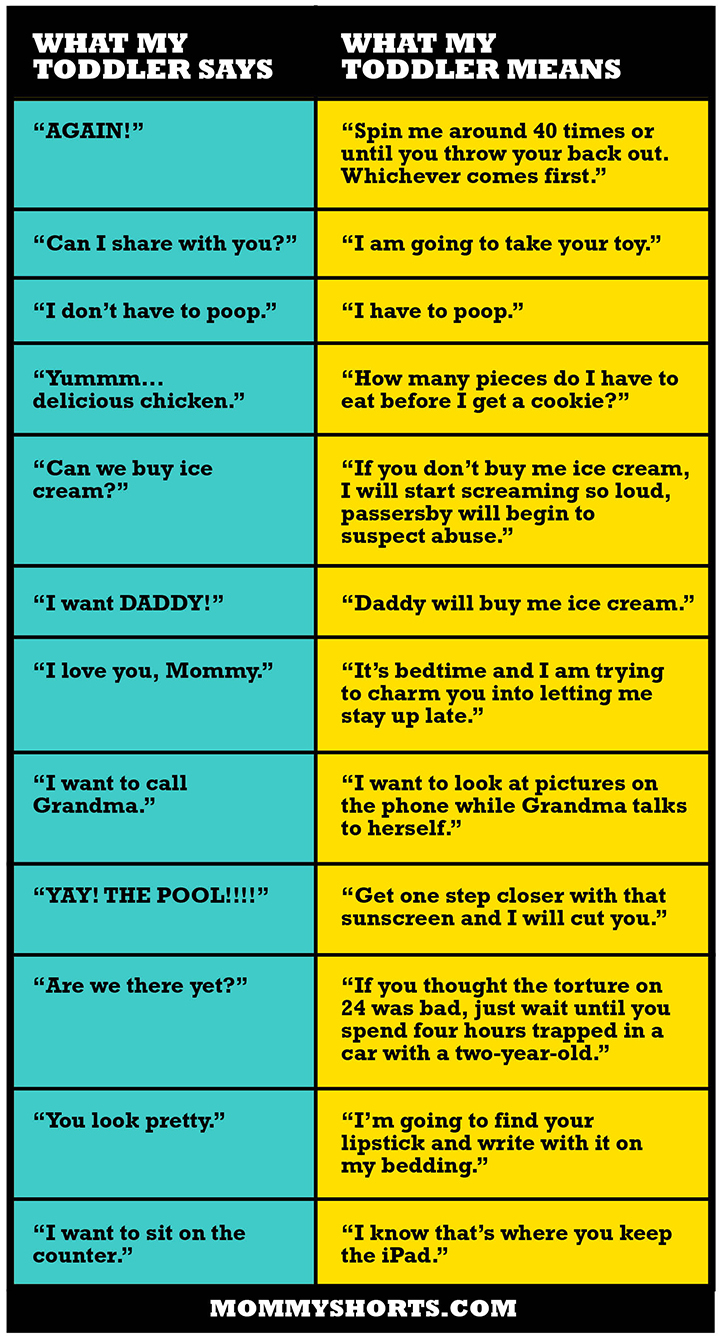
Image Source: www.mommyshorts.com
Grasping Toddler Development
Young children are always learning. Their brains are growing fast. But the parts of the brain that help with self-control are still very new. Toddlers feel things strongly. They get happy quickly. They also get sad or mad just as fast. They act on these feelings. They do not think much about the results of their actions.
The Brain’s Growth Spurt
A toddler’s brain is not fully grown. The front part of the brain helps with good choices and controlling actions. This part is called the prefrontal cortex. It is still very much a work in progress for toddlers. This means they cannot always stop themselves from doing things. They might hit, bite, or throw. They do not do this to hurt you. They do it because their brain is not ready to control these sudden urges.
Language Skills Are Growing
Toddlers are learning to talk. They might know many words. But they often cannot say exactly how they feel. They also cannot tell you what they need. Imagine wanting a toy but not being able to ask for it. Or being very tired but not knowing how to say it. This lack of words causes great frustration. This frustration often comes out as anger or physical actions.
Testing Boundaries: A Key Part of Growth
Toddlers are also learning about rules. They want to know what they can and cannot do. So, they try things out. They push limits. This is called toddler testing boundaries. They are not trying to be bad. They just want to see what happens. This is how they learn about the world and their place in it. This can look like defiance or acting “mean.” But it is part of their learning process.
Interpreting Common “Mean” Toddler Actions
When a toddler acts out, it can be puzzling. It helps to look at common behaviors. Then we can think about what these actions might mean.
When Your Toddler Hits You
Toddler hitting parent is a common and upsetting behavior. It often does not mean your child dislikes you. Instead, it is usually a sign of big feelings.
* Frustration: They might hit when they cannot get what they want. They might hit when they cannot do something. This is a big reason for toddler tantrums reasons.
* Overwhelm: Too much noise or too many people can make them feel stressed. Hitting can be a way to show this stress.
* Seeking Attention: Sometimes, a toddler learns that hitting gets a quick reaction. Even a negative reaction is attention. This is a common form of attention seeking behavior toddlers learn.
* Imitation: They might have seen someone else hit. They are just copying what they saw.
* Testing Limits: They might hit to see what you will do. They want to know the rules.
When Your Toddler Bites You
Biting is also a way for toddlers to show big feelings.
* Overwhelm: Just like hitting, biting can show stress.
* Frustration: They might bite when they cannot express anger with words.
* Teething Pain: Sometimes, biting helps soothe sore gums.
* Seeking Attention: A bite gets a big reaction quickly.
* Lack of Control: They might bite in the heat of the moment. They are not planning to hurt you. They just cannot stop themselves.
When Your Toddler Throws Things
Throwing things is another common behavior.
* Experimenting: Toddlers love to see what happens when they drop or throw things. This is how they learn about gravity.
* Frustration: When they are angry, throwing can release tension.
* Seeking Attention: Throwing something noisy gets a quick look from you.
* Lack of Play Skills: They might not know how to play gently with toys yet.
When Your Toddler Yells or Screams
Toddlers often use their voice to show strong feelings.
* Frustration: They might yell when they are not heard. Or when they want something very badly.
* Excitement: Sometimes, yelling is just pure joy.
* Seeking Attention: A loud scream gets your attention quickly.
* Over-stimulation: Too much noise or activity can lead to yelling.
When Your Toddler Says “No!” or Refuses to Listen
This is classic preschooler defiance.
* Need for Control: Toddlers want to feel in charge. Saying “no” gives them a sense of power.
* Testing Limits: They want to see what happens if they do not listen.
* Developing Identity: They are learning they are separate from you. Saying “no” is a way to show this.
* Lack of Comprehension: They might not fully grasp what you are asking.
What Fuels the Fire? Roots of Aggression
Many things can make a toddler act out. It is rarely just one thing. It is usually a mix of factors. Knowing these can help you respond better.
Big Emotions and Little Tools
Toddlers feel emotions deeply. But they do not have the tools to handle them. This is called toddler emotional regulation. They have not learned how to calm themselves down. They do not know how to tell you they are sad. So, these big feelings spill out. They might cry, hit, or throw. This is not aggression born of malice. It is a sign of needing help.
Overwhelm and Fatigue
Think about how you feel when you are tired or hungry. You might be grumpy. Toddlers are the same, but more so.
* Lack of Sleep: Not enough rest makes anyone cranky. For toddlers, it can lead to meltdowns.
* Hunger: Low blood sugar can make them irritable and quick to anger.
* Over-stimulation: Too many people, too much noise, too much activity. This can overload a toddler’s senses. They might react by acting out.
* Change in Routine: Toddlers like routine. Any big change can upset them.
The Power of Attention
Even negative attention is attention. When a toddler throws a toy and you rush over, they learn a lesson. They learn that doing something “bad” gets your focus. This can lead to more attention seeking behavior toddlers use. They might learn that hitting gets you to stop what you are doing. They want your eyes on them. They want your words, even if they are angry words.
Copying What They See
Children learn by watching others. If they see anger or aggression at home, they might copy it. This does not mean you are a bad parent. But it is something to think about. How do adults in their lives handle stress? How do they show anger? Toddlers are like sponges. They soak it all up.
Seeking Control
Toddlers have very little control over their lives. You tell them what to eat, when to sleep, where to go. This can be frustrating. So, they look for ways to feel in control. Saying “no,” refusing to obey, or acting out can be their way of saying, “I want to decide!”
Communication Gaps
As mentioned, words are hard for toddlers. Imagine wanting to tell someone something important. But you do not know the words. Or the words come out wrong. This builds up a lot of frustration. This frustration often turns into dealing with toddler aggression.
Navigating the Storm: Practical Solutions
Dealing with toddler aggression needs patience. It needs a plan. It is about teaching, not punishing. This is where positive discipline toddlers comes in.
Stay Calm and Connected
Your reaction sets the tone. If you get upset, your child might get more upset.
* Take a Deep Breath: Before you act, take a moment.
* Lower Your Voice: Speak in a calm, firm voice.
* Get Down to Their Level: Make eye contact. This shows you are serious.
* Connect Before You Correct: A hug or a comforting word can help your child feel safe. Then you can talk about the behavior.
Set Clear Rules and Stick to Them
Consistency is key. Toddlers need to know what to expect.
* Simple Rules: Use simple words. “We don’t hit.” “Hands are for gentle touches.”
* Repeat Often: Say the rules every time the behavior happens.
* Follow Through: If you say there will be a consequence, make sure it happens. This helps with toddler testing boundaries. They learn that the rules are real.
Teach Positive Ways to Express Feelings
Help your child learn to show big feelings in good ways. This improves toddler emotional regulation.
* Use Words: “It looks like you are mad. Can you tell me ‘mad’?”
* Model Emotions: “Mommy is feeling frustrated right now.”
* Offer Choices: “Do you want to stomp your feet or hug your teddy when you are mad?”
* Calm-Down Corner: Create a safe, quiet space. Put soft pillows or books there. When they get upset, suggest going to the calm-down corner. This helps with managing toddler meltdowns.
Table: Teaching Emotional Expression
| Emotion | What to Say (to child) | What to Do (together) |
|---|---|---|
| Mad/Angry | “You feel mad. Say ‘I’m mad!'” | Stomp feet, rip paper, hit a pillow, draw a mad face |
| Sad | “You feel sad. It’s okay to cry.” | Hug, cuddle, talk about what made them sad |
| Frustrated | “This is hard. You feel frustrated.” | Take a break, ask for help, try again later |
| Happy | “You are so happy! Show me your happy dance!” | Jump, sing, dance, share a smile |
Redirect Attention
If your toddler is about to do something wrong, try to change their focus.
* Offer a New Toy: “Oh, look at this train!”
* Start a New Activity: “Let’s go look out the window.”
* Change the Environment: Move to a different room. Go outside.
Ignore Minor Attention-Seeking Behavior
Sometimes, the best response is no response. If your toddler is doing something annoying (like whining or making silly noises) just to get your attention, and it is not harmful:
* Turn Away: Do not make eye contact.
* Do Not React: Do not say anything.
* Praise Positive Behavior: When they stop the annoying behavior, give them praise. This helps stop attention seeking behavior toddlers use.
Use Natural and Logical Consequences
Consequences help children learn. They should be related to the behavior.
* Natural: If they throw a toy, the toy gets put away. “It looks like you are not playing nicely with this toy. We will put it away.”
* Logical: If they draw on the wall, they help clean it. “Walls are not for drawing. Let’s get a cloth and clean this.”
* Time-Outs (Brief): For safety reasons (e.g., toddler hitting parent), a short time-out can be used. It is a moment for them to calm down, not a punishment. One minute per year of age.
Offer Choices (When Appropriate)
This gives toddlers a sense of control. It can reduce preschooler defiance.
* “Do you want to wear the blue shirt or the red shirt?”
* “Do you want to put on your shoes first or your coat first?”
* “Do you want to walk to the car or skip to the car?”
Do not offer choices when there is no choice. “Do you want to brush your teeth?” is not a good choice if teeth must be brushed. Instead, “Do you want to use the blue toothbrush or the red toothbrush?”
Praise Good Behavior
Catch your child being good. Point it out.
* “I love how gently you are playing with your cars!”
* “Thank you for using your words.”
* “You did such a good job waiting your turn!”
This makes good behavior more likely to happen again. It builds self-esteem.
Model Good Behavior
Children learn by watching you. How do you handle frustration? How do you speak to others?
* Use Your Words: Say how you feel. “I’m feeling a bit frustrated that this jar won’t open.”
* Calm Down: Show them how you calm down. “I’m going to take a deep breath because I’m feeling a little angry.”
* Apologize: If you make a mistake, say sorry. “Oops, I yelled. I’m sorry.”
Create a Predictable Routine
A steady routine makes toddlers feel safe. It helps them know what comes next. This can reduce anxiety and meltdowns.
* Consistent Sleep Times: Helps reduce fatigue.
* Regular Meals/Snacks: Avoids hunger meltdowns.
* Predictable Play Times: Helps them feel secure.
Ensure Basic Needs Are Met
Before you react to “mean” behavior, check the basics.
* Hungry? Offer a healthy snack.
* Tired? Maybe it’s nap time or quiet time.
* Over-stimulated? Move to a calm, quiet place.
Seek Professional Help If Needed
Most toddler behaviors are normal. But sometimes, extra help is good.
* Extreme Aggression: If hitting or biting is constant and severe.
* Harm to Self or Others: If they hurt themselves or others often.
* No Improvement: If strategies do not help after a long time.
* Developmental Delays: If you worry about their speech or social skills.
Talk to your child’s doctor. They can give advice or suggest a specialist.
Recapping Key Points for Parents
Toddlerhood is a phase of massive growth. It comes with big feelings and actions. Your toddler is not trying to be “mean.” They are learning. They need your patience, your guidance, and your calm. By using positive discipline and teaching them new skills, you help them grow. You build a strong bond.
Remember:
* Their brains are still developing.
* They often lack words to express themselves.
* They are testing boundaries.
* They need your calm guidance.
* Consistency is vital.
It is okay to feel tired or frustrated. Parenting a toddler is hard work. Take care of yourself. Ask for help when you need it. A rested parent is a better parent.
Frequently Asked Questions (FAQ)
h4 What is the “terrible twos behavior”?
The “terrible twos behavior” refers to a common stage of toddler development, typically around ages 18 months to 3 years. During this time, toddlers often show more defiant, aggressive, or tantrum-like behaviors. They are learning to be independent. They are also struggling with big emotions. They do not have the language or control to manage these feelings. It is a normal phase of growth.
h4 How can I help my toddler with toddler emotional regulation?
Help your toddler with emotional regulation by giving them words for their feelings. Say things like, “You seem mad,” or “You look frustrated.” Teach them calm-down actions like deep breaths or hugging a stuffed toy. Create a quiet “calm-down corner.” Model good emotional control yourself. Show them how you handle strong feelings.
h4 Is toddler hitting parent a normal behavior?
Yes, toddler hitting parent is a common behavior, especially between 18 months and 3 years. It is usually not done with bad intent. It is often a sign of frustration, anger, or feeling overwhelmed. It can also be a way of seeking attention. It is important to teach them that hitting is not okay. Show them other ways to express themselves.
h4 What should I do when my toddler has a tantrum?
When your toddler has a tantrum, stay calm. Acknowledge their feelings: “You are mad because you can’t have that.” Ensure they are safe. Do not try to reason during a full meltdown. Wait for them to calm down a little. Then, you can talk about it. If it is for attention, ignore the tantrum (if safe). If it is for something specific, do not give in to the demand if it is unreasonable. Focus on teaching them better ways to cope. This is part of managing toddler meltdowns.
h4 How do I stop attention seeking behavior toddlers use?
To stop attention seeking behavior toddlers use, try to ignore the unwanted behavior if it is not harmful. Do not make eye contact or react. Give lots of positive attention when your toddler is behaving well. Praise them for good choices. Spend special one-on-one time with them every day. This helps them get the attention they need in a good way.
h4 My toddler is always testing boundaries. What can I do?
Toddler testing boundaries is a normal part of development. They are learning about rules. Be clear and consistent with your rules. Use simple language. Make sure consequences are logical and follow through every time. For example, if they throw food, mealtime might end. Give them a few choices where it is safe to do so. This helps them feel some control.
h4 What is positive discipline for toddlers?
Positive discipline toddlers focuses on teaching and guiding, rather than punishing. It means setting clear limits with kindness. It involves showing children how to do things right. It teaches them about consequences in a helpful way. It is about building a strong relationship. It respects the child while also guiding their behavior. It includes things like redirection, offering choices, and praising good behavior.
h4 How is preschooler defiance different from toddler defiance?
Preschooler defiance (ages 3-5) can be more purposeful than toddler defiance. Toddlers often act out due to lack of control or communication skills. Preschoolers might understand the rule but choose to challenge it. They are still testing limits. But they are also trying to assert their independence and identity more strongly. They might use more words to argue. The strategies remain similar: clear rules, consistency, and positive reinforcement. But you can start to use more reasoning.