
Can you potty train your toddler now? Yes, you can! Potty training is a big step for your child. It’s about teaching them to use the toilet. Many parents wonder when to start. The best time is when your child shows they are ready. This guide will help you learn how to potty train your toddler, making it a happy journey for everyone. We will share many potty training tips. We will cover when to start, what to do, and how to handle bumps in the road.
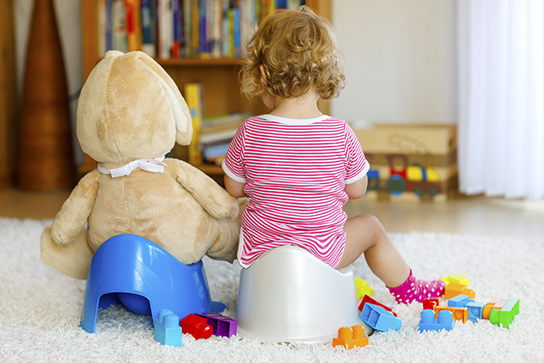
Image Source: health.ucdavis.edu
Deciphering Toddler Toilet Training Readiness
Starting potty training at the right time is key. Your child must be ready in many ways. This is called toddler toilet training readiness. Look for signs that tell you they are prepared. It is not about a certain age. It is about their skills and interest.
Physical Signs of Readiness
Your child’s body needs to be ready.
* Dry for Longer: Your child stays dry for at least two hours during the day. They might also be dry after naps. This means their bladder muscles are getting stronger.
* Good Control: They can hold their pee or poop for a short time. They might tell you before they go, not just after.
* Bathroom Signals: They might move in a certain way or go to a private spot when they need to go. They might grunt or push.
* Movement Skills: Your child can walk, run, and sit down on their own. They can pull pants up and down, even if it’s not perfect.
Mental Signs of Readiness
Your child’s mind also needs to be ready.
* Following Simple Directions: They can understand and follow easy commands. For example, “Go get your ball.”
* Telling You Needs: They can tell you they need to use the potty. Or they can tell you their diaper is wet or dirty. They use words, signs, or sounds.
* Showing Interest: They watch you use the toilet. They might ask what you are doing. They might want to wear underwear like big kids.
* Knowing Body Parts: They can name their body parts, including those related to going to the bathroom.
Emotional Signs of Readiness
Feelings play a big part too.
* Wants to Be Clean: Your child shows they do not like wet or dirty diapers. They might pull at them or ask for a change.
* Wants to Be Independent: They want to do things by themselves. They say “Me do it!”
* Asks Questions: They ask questions about the toilet or about using the potty.
* Shows Pride: They are happy when they do things on their own. They like praise.
Important Note: Do not rush your child. Starting too early can make the process longer. It can also cause stress for both of you. Wait for many signs of readiness, not just one or two. The potty training age range varies a lot. Some kids are ready around 18 months. Others are closer to 3 years old. Each child is different.
Grasping the Basics: Setting Up for Success
Once you see the signs, it’s time to get ready. Good preparation makes potty training smoother. This involves getting the right tools and getting your child used to the idea.
Choosing the Best Potty Chairs for Toddlers
Having the right potty chair is important. It should be safe and comfy.
* Small Potty Chair: These sit on the floor. They are great for little ones. Their feet can touch the floor. This helps them push. They are easy to move around.
* Toilet Seat Reducer: This ring sits on top of your big toilet. It makes the opening smaller. Some kids like this. They feel like a grown-up. You might need a step stool with this. This helps them climb up and rest their feet.
Table: Potty Chair Options
| Potty Type | Pros | Cons | Best For |
|---|---|---|---|
| Standalone Potty | Child’s feet touch floor, portable, easy to get on/off, less scary | Needs to be emptied, takes up space | Young toddlers, those needing more stability |
| Seat Reducer (on toilet) | Child feels like a grown-up, no emptying required | Feet might dangle (needs stool), can feel less secure | Older toddlers, those comfortable with heights |
Let your child help pick the potty chair. This gives them ownership. Make sure it is sturdy and easy to clean.
Gathering Potty Training Supplies
Have these things ready:
* Lots of Underwear: Fun designs or favorite characters can excite your child. Have many pairs for accidents.
* Easy-to-Remove Clothes: Choose pants or shorts with elastic waistbands. Skip tricky buttons or zippers for now.
* Step Stool: If using a toilet seat reducer, a stool is a must. It helps your child get on and off. It also gives them a place to put their feet.
* Small Rewards: Stickers, a special book, or a quick dance can work. Keep rewards small and not food-based.
* Cleaning Supplies: Paper towels, wipes, and a gentle cleaner for accidents.
Getting Your Child Used to the Potty
- Place the Potty: Put the potty in a clear spot. It can be in the bathroom or even a play area at first.
- Talk About It: Talk about the potty in a happy, normal way. Say things like, “Soon you’ll use the big potty like mommy/daddy!”
- Let Them Explore: Let your child sit on the potty fully dressed. Let them play with it. They can put a doll or toy on it. This makes it familiar.
- Read Books: Many great children’s books explain potty training. Reading them together makes it fun.
Effective Potty Training Methods
There are many ways to potty train. The best method depends on your child. It also depends on your family’s style. Here are some effective potty training methods. They all focus on making it a positive experience.
The Child-Led Approach
This method is gentle. It follows your child’s lead.
* Wait for Readiness: You wait until your child shows many signs of readiness. This reduces power struggles.
* Introduce Gently: You offer the potty. You talk about it. But you do not force it.
* Be Patient: You let your child learn at their own pace. You do not set strict timelines. This builds self-confidence.
* Praise Efforts: You praise any effort, not just success. “You sat on the potty! Good job!”
* No Pressure: If your child resists, you take a break. You try again later. This approach is often one of the most gentle potty training approaches.
Quick Potty Training (The “Potty Training in a Day” Idea)
Some methods promise quick results. These often mean a very focused weekend.
* Dedicated Time: You set aside a day or two. You focus only on potty training.
* Underwear Focus: You dress your child in underwear from the start. No diapers.
* Frequent Potty Trips: You take your child to the potty very often. Every 15-30 minutes.
* Rewards for Success: You give big praise and small rewards for each success.
* Be Ready for Accidents: There will be many accidents. You clean up calmly.
* Caution: This method works best for children who are very ready. It can be stressful if your child is not fully prepared. It is not truly “in a day” for most kids. It’s more of a focused start.
Key Elements for Any Method
No matter what method you choose, some things are always helpful.
* Consistency: Do the same things each day. A routine helps your child know what to expect.
* Positive Reinforcement: Cheer loudly for successes. Give high-fives. Use a sticker chart. Focus on what goes right.
* Patience and Calmness: Potty training takes time. There will be good days and bad days. Stay calm, even during accidents. Your calm helps your child stay calm.
* Make it Fun: Sing songs. Read books. Play a game related to the potty. Keep it light and fun.
* Short Potty Visits: Do not make your child sit on the potty for a long time. A few minutes is enough. If nothing happens, that’s okay. Say, “Maybe next time!”
A Sample Potty Training Schedule Example
Having a basic routine helps. It creates chances for your child to use the potty. This is a potty training schedule example you can adapt.
| Time | Activity | Potty Action | Notes |
|---|---|---|---|
| Morning | |||
| 7:00 AM | Wake Up | Go to the potty right away | Many kids need to pee after sleeping. |
| 7:30 AM | Breakfast | ||
| 8:00 AM | Get Dressed, Play | Offer potty before playing | |
| Mid-Day | |||
| 10:00 AM | Snack Time | Offer potty after snack | Liquids make them need to go. |
| 10:30 AM | Outdoor Play | Offer potty before going outside | Prevents accidents while playing. |
| 12:00 PM | Lunch | ||
| 12:30 PM | Naptime Prep | Offer potty before nap | Emptying bladder helps prevent wet naps. |
| 1:00 PM | Nap | ||
| Afternoon | |||
| 3:00 PM | Wake Up from Nap | Go to the potty right away | Another common time for needing to go. |
| 3:30 PM | Snack Time | Offer potty after snack | |
| 5:00 PM | Playtime | Offer potty every hour or so | General check-in, especially if they’ve had drinks. |
| Evening | |||
| 6:00 PM | Dinner | ||
| 7:00 PM | Before Bed Routine | Offer potty before bath and bedtime story | Last chance to empty bladder before sleep. |
| 7:30 PM | Bedtime |
Tips for the Schedule:
* Adjust to Your Child: This is just a guide. Your child’s routine may be different.
* Watch for Signals: If your child does their “potty dance” or wiggles, take them right away. Do not wait for the schedule.
* After Eating/Drinking: Always offer the potty about 20-30 minutes after meals or big drinks.
* Before Leaving Home: Always offer the potty before going out or getting in the car.
* Before Sleep: Always offer the potty before naps and bedtime.
This structured approach is part of many effective potty training methods. It gives both you and your child a predictable rhythm.
Interpreting and Handling Potty Training Resistance
Potty training is not always smooth. Many kids push back at some point. This is called dealing with potty training resistance. It is normal. The key is how you react.
Why Kids Resist
- Seeking Control: Potty training is one of the first things a child can control. They might resist to feel powerful.
- Fear: The toilet can seem big and loud. They might be scared of falling in or the flush.
- Not Ready: If you started too early, they simply might not be ready.
- Changes: Stress, new baby, moving, or changes in routine can cause resistance.
- Comfort of Diapers: Diapers are easy and familiar. Potty training is new and takes effort.
What to Do When Your Child Resists
- Do Not Force It: This is the most important rule. Forcing a child to sit on the potty will only make them resist more. It can turn potty training into a power struggle. This makes it last longer.
- Take a Break: If resistance is strong, step back. Go back to diapers for a few weeks or even a month. Talk about it less. This takes the pressure off everyone.
- Make it Fun: If they resist sitting, try making it a game. Read a special book only on the potty. Sing a potty song. Let a favorite toy sit on the potty first.
- Give Choices: “Do you want to use the small potty or the big potty?” “Do you want to sit on the potty now or in five minutes?”
- Stay Calm: Even if you feel frustrated, try to stay calm. Your calm helps your child feel safe.
- Revisit Readiness: If resistance lasts, check their readiness signs again. Are they truly ready?
Solutions for Potty Training Accidents
Accidents are a normal part of learning. Potty training accidents solutions are about how you react. Your calm response teaches your child it is okay to make mistakes.
How to React to Accidents
- Stay Calm: Take a deep breath. Do not scold or show anger. Say something like, “Oops! Potty is for pee-pee. Let’s try again next time.”
- Clean Up Together: Have your child help clean up, if they are old enough. This teaches them responsibility. It also helps them connect the action (peeing) with the result (wet pants).
- Change Quickly: Get them into dry clothes fast.
- No Shame: Never make them feel bad or ashamed. Accidents are learning moments.
- Review What Happened: Briefly talk about it. “Your pants are wet. Next time, let’s try to get to the potty.”
Common Accident Scenarios and Tips
- Pee Accidents: Most common. Focus on frequent potty trips. Watch for signals.
- Poop Accidents: Can be harder for some kids. Pooping often needs more privacy or a certain feeling. Make sure they feel relaxed. If they hide to poop, that’s a sign they know it’s happening. Gently suggest going to the potty.
- Accidents Right After Potty Time: This happens when they only go a little bit. Or when they didn’t fully empty their bladder. Encourage them to try again. Maybe offer a reward for staying dry longer.
What is Potty Training Regression?
Sometimes, a child who was doing well starts having more accidents. This is called regression. It can feel disheartening, but it’s very common.
* Causes of Regression:
* Stress or big changes (new sibling, new school, moving, illness).
* Developmental leaps (focusing energy on new skills).
* Wanting more attention.
* Testing boundaries.
* How to Handle Regression:
* Stay Calm: Again, do not scold.
* Go Back to Basics: Revisit your regular schedule. Offer the potty more often.
* Reassure: Tell your child it’s okay. “You’ll get back to it.”
* Reduce Pressure: If needed, go back to diapers for a short time to reduce stress.
* Address the Cause: If you know what caused the stress, try to help your child with that.
Potty training accidents solutions are all about patience and positive actions.
Crafting Nighttime Potty Training Strategies
Daytime dryness usually comes before nighttime dryness. Nighttime potty training strategies are a separate stage. It takes more time and depends on physical readiness.
Why Nighttime is Different
- Bladder Control: Your child’s body needs to produce less pee at night. Their bladder also needs to hold more pee for longer. This is a physical milestone.
- Waking Up: Your child needs to wake up when their bladder is full. This is a skill that develops over time.
- Deep Sleep: Some kids sleep very deeply. They might not wake up to the signal.
Signs of Nighttime Readiness
- Waking Up Dry: Your child wakes up with a dry diaper for several mornings in a row.
- Asking to Use Potty at Night: They might wake up and ask to go to the bathroom.
- Dislike of Wet Diapers: They might complain about being wet at night.
Gentle Steps for Nighttime Potty Training
- Continue Daytime Habits: Stick to a regular potty schedule during the day.
- Reduce Liquids Before Bed: Stop giving drinks about 1-2 hours before bedtime. This includes milk.
- Potty Before Bed: Make sure your child uses the potty right before they go to sleep.
- “Dream Potty” (Optional): Some parents gently wake their child to use the potty right before they go to bed themselves. This can help, but it also interrupts sleep. Use with care.
- Use Absorbent Underwear (Pull-Ups): These can bridge the gap between diapers and regular underwear. They catch accidents but feel more like underwear.
- Protect the Bed: Use a waterproof mattress cover. This saves your mattress from accidents.
- Easy Access: Make sure the path to the bathroom is clear and lit. A nightlight can help.
- Praise Dry Mornings: Celebrate every dry morning.
- Be Patient: Nighttime dryness can take months, or even years, after daytime dryness. It is often the last step in potty training.
When to Get Help
Most kids become dry at night between ages 5 and 7. If your older child (over 6 or 7) is still having frequent wet nights, talk to your doctor. They can check if there’s any medical reason or offer more specialized nighttime potty training strategies.
Gentle Potty Training Approaches
Many modern parents choose gentle potty training approaches. These methods focus on positive support. They avoid pressure or punishment. This helps your child feel safe and in control. It builds their confidence.
Key Ideas of Gentle Potty Training
- Child-Led Pace: You let your child decide when they are ready. You do not force them. You wait for clear readiness signs. This was discussed in ‘Deciphering Toddler Toilet Training Readiness’.
- Positive Reinforcement: You praise effort, not just success. “You sat on the potty! Great try!” This makes them want to keep trying.
- No Punishment for Accidents: Accidents are part of learning. You stay calm and understanding. You do not scold or shame. This builds trust.
- Making it Fun: You turn potty time into a positive experience. Use songs, books, or a special small toy. This makes it less like a chore.
- Patient Waiting: If your child resists, you take a break. You do not push. You revisit the idea later. This prevents power struggles.
- Focus on Process, Not Outcome: Celebrate small steps. Sitting on the potty, pulling down pants, saying “potty.” These are all wins.
- Role Modeling: Let your child watch you use the toilet. Talk about it in a normal, natural way. This shows them what to do.
How Gentle Approaches Benefit Your Child
- Less Stress: For both you and your child.
- Greater Confidence: Your child feels good about their learning journey.
- Stronger Bond: You and your child work as a team.
- Long-Term Success: Learning in a positive way often leads to lasting skills.
These approaches are very effective. They honor your child’s feelings and development. This makes the potty training journey a happy one.
Potty Training Age Range: When to Start
Parents often ask about the right potty training age range. The simple answer is: there isn’t one “right” age. It’s much more about readiness than age.
Typical Age Frame
Most children show signs of readiness between 18 months and 3 years old.
* 18-24 Months: Some children show early signs and are ready to start.
* 2-2.5 Years: This is a very common time for children to begin.
* 2.5-3 Years and Beyond: Many children start later, and that’s perfectly normal too. Boys often start a little later than girls.
Why Readiness Matters More Than Age
- Physical Control: A child needs strong bladder and bowel muscles. These develop at different rates.
- Cognitive Ability: They need to understand what you are asking. They need to connect the feeling of needing to go with using the potty.
- Emotional Willingness: They need to want to do it. They need to want to be a “big kid.”
Forcing a child who is not ready can lead to:
* More accidents.
* Longer training times.
* Frustration for everyone.
* Resistance or fear of the toilet.
It’s better to wait a few months than to push too soon. If your child is 3 or even 4 and not yet ready, that is okay. Keep offering the potty in a calm way. Keep watching for those readiness signs. Each child has their own timeline. This focus on readiness is a core part of effective potty training methods and gentle potty training approaches.
Frequently Asked Questions (FAQ)
Here are answers to common questions about potty training.
Q1: My child is scared of the toilet flushing. What can I do?
A1: Many children fear the loud flush. Let them flush the toilet from far away at first. Or, flush only after they have left the bathroom. Explain that the water just goes down the drain. You can also cover the sound with a song or by counting loudly. Make it a game.
Q2: How long does potty training usually take?
A2: There is no set time. Some children pick it up in a few days for pee, but may take longer for poop. Others take several months. Nighttime dryness can take even longer. Focus on small steps and progress, not a deadline.
Q3: Should I use rewards? What kind?
A3: Yes, small rewards can be helpful motivators. Use stickers, a special stamp, a short story, or extra playtime. Keep rewards small and not food-based. The goal is for the child to be proud of their own skill, not just get a prize. Phasing out rewards over time is a good idea.
Q4: What if my child refuses to poop in the potty?
A4: Poop training can be harder than pee training. Some children feel nervous about letting go. Make sure they are not constipated. Set a regular time for trying to poop, like after breakfast. Let them sit on the potty for 5-10 minutes. If they are hiding to poop, gently guide them to the potty instead. Keep it calm and positive.
Q5: My child was doing great, but now they are having accidents again. What happened?
A5: This is called regression. It’s very common. It can be due to stress, a new routine, illness, or even a new developmental leap. Stay calm. Do not scold. Go back to basics: offer the potty often, praise efforts, and stay positive. The regression is usually short-lived.
Q6: When should I try wearing underwear full-time?
A6: After your child has been reliably dry in diapers for several days in a row, especially at regular intervals. You can start with underwear for short periods at home. If they have success, gradually increase the time they wear underwear. Have plenty of spare clothes ready!
Q7: Should I start potty training if we have a big trip or change coming up?
A7: It is usually best to wait. Big life changes (like a new baby, moving, or starting a new daycare) can be stressful for a toddler. Potty training adds another layer of stress. Try to start during a calm, stable period in your child’s life.
Potty training is a journey, not a race. By staying patient, positive, and tuned into your child’s signals, you can make this big step a success.