
Image Source: lh5.googleusercontent.com
Parent’s Guide: How To Stop Toddler From Grinding Teeth
Does your child make odd grinding sounds at night? Or do you see them clench their jaw during the day? Many parents see their little ones rub their teeth together. This common habit is called bruxism.
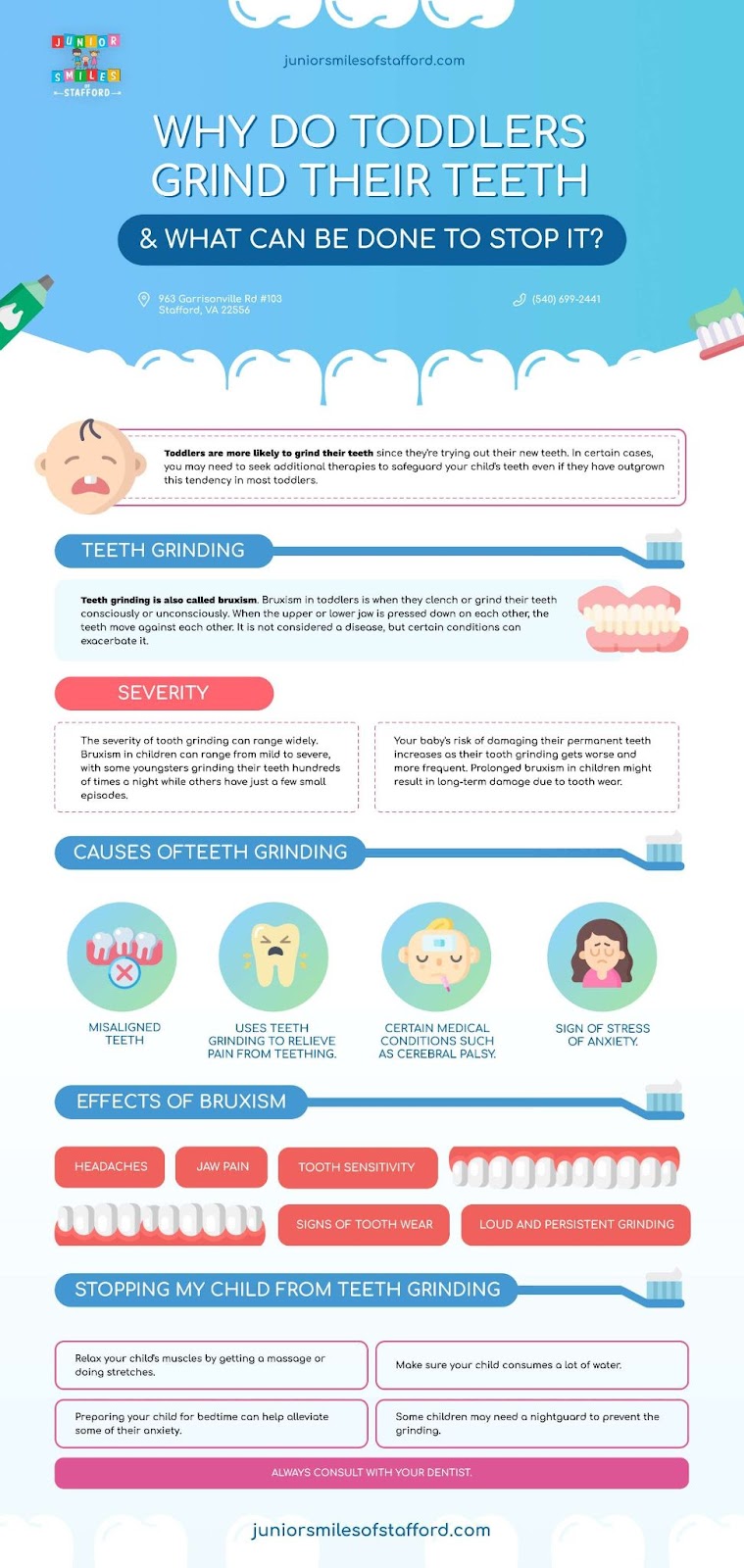
What is toddler teeth grinding? It is when a child rubs, gnashes, or clenches their upper and lower teeth. This often happens without them knowing it. The medical term for this is bruxism.
Can it be stopped? Yes, many simple steps can help stop or lessen it. You can try things at home. Sometimes, a doctor or dentist might need to help more.
Who should you consult? If you are worried, it is always a good idea to talk to your child’s dentist or doctor. They can check your child’s teeth and overall health. They can tell you the best steps to take.
Deciphering Toddler Teeth Grinding
When a toddler grinds their teeth, it can sound quite loud. You might hear it at night while they sleep. Sometimes, they do it during the day when they are awake. This can be a new and odd sound for parents.
It is very common for young children to grind their teeth. Experts say that many kids will do this at some point. It happens more often in toddlers and preschool-aged children. Most children outgrow it as they get older. It is usually not a big worry, but knowing why it happens and what to do can help.
Grasping the Causes of Toddler Teeth Grinding
Many things can make a toddler grind their teeth. It is not always clear why it starts. But doctors and dentists have found some common toddler teeth grinding causes. Knowing these causes can help you find the best way to help your child.
Growth and Development
- New Teeth Coming In: When baby teeth first come in, or when old ones get ready to fall out, a child might grind their teeth. It can feel strange to them. They might grind to test out their new bite. Or it might help ease the feeling of new teeth pushing through gums.
- Jaw Alignment: A toddler’s jaw is still growing. Their teeth might not fit together perfectly yet. Grinding can be a way for them to try and find a comfortable spot for their jaw and teeth. It is like they are “practicing” how their teeth meet.
Pain or Discomfort
- Earaches: An earache can make a child uncomfortable. They might grind their teeth to try and ease the pain or pressure in their ear or jaw area.
- Teething: Teething can be very painful. Grinding can be a way for a child to cope with the pain and pressure in their gums. It can feel like counter-pressure to them.
- Sickness: A cold, stuffy nose, or allergies can make it hard to breathe. If a child has a blocked nose, they might grind their teeth while trying to breathe through their mouth. This can also affect how their jaw rests.
Emotional Factors
- Stress or Worry: Even young children can feel stressed. Big changes can cause stress. Things like a new sibling, a new daycare, or even a different routine can make a child feel uneasy.
Stress and toddler teeth grindingoften go together. Grinding teeth can be a way for them to release this built-up stress. - Excitement: Sometimes, a child might grind their teeth when they are very excited or focused on something. It is like a way to show their intense feeling.
Sleep Issues
- Sleep Problems:
Child nocturnal bruxismmeans grinding teeth at night. It is very common. If a child has trouble sleeping, like sleep apnea (stopping breathing for short times) or restless sleep, they might grind their teeth more. - Night Terrors or Restlessness: Some kids grind their teeth during night terrors or when they are very restless during sleep. Their body is moving a lot, and this can include their jaw.
Other Possible Factors
- Nutrient Lack: Some studies suggest that not having enough certain vitamins or minerals might be linked to grinding. But more research is needed to be sure.
- Hyperactivity: Kids who are very active during the day might also be more restless at night. This can lead to teeth grinding.
- Medication Side Effects: In rare cases, some medicines can cause teeth grinding as a side effect.
- Certain Medical Conditions: While rare, some medical conditions can be linked to bruxism. This is why talking to a doctor is a good idea.
Knowing these causes can help you understand why your child might be grinding. It can also help you choose the best way to help them stop.
Spotting the Signals: Signs of Toddler Teeth Grinding
It is important to know the signs of toddler teeth grinding. You might not always see your child grinding. But you can often hear it or see the effects of it.
Here are the main signs to look for:
- Grinding Sounds: This is the most common sign. You might hear a scraping, clicking, or grating sound, especially at night when your child is sleeping. It can be quite loud.
- Worn or Flat Teeth: Over time, teeth grinding can wear down the chewing surfaces of the teeth. They might look flat, short, or even chipped. You might see small cracks in the enamel. This is a sign of
enamel wear toddler teeth. - Pain in the Jaw or Face: Your child might complain of pain in their jaw, especially in the morning. They might point to their ear or cheek area. This is known as
toddler jaw pain from grinding. - Headaches: Kids might wake up with a headache or complain of a dull ache around their temples. This can be caused by the jaw muscles working too hard.
- Sore Jaw Muscles: If you gently feel your child’s jaw muscles (around the cheeks, near the ears), they might feel tight or sore. Your child might flinch if you touch them.
- Tooth Sensitivity: Worn enamel can make teeth more sensitive to hot, cold, or sweet foods and drinks. Your child might react to these.
- Difficulty Opening Mouth Wide: In some cases, constant clenching can make it hard for your child to open their mouth all the way.
- Cheek Marks: Sometimes, you might see small marks or ridges on the inside of your child’s cheeks. These come from the teeth pressing against the cheek during grinding.
- Trouble Sleeping: While grinding mostly happens during sleep, it can also disrupt sleep quality. Your child might seem tired during the day even after a full night’s sleep.
If you notice any of these signs, it is a good idea to watch your child closely. You can also talk to their dentist or doctor about what you see.
When to Ask for Help: When to Consult Doctor Toddler Teeth Grinding
Most of the time, toddler teeth grinding is not serious. Many kids will stop on their own. But there are times when you should when to consult doctor toddler teeth grinding. Your child’s dentist or doctor can give you the best advice.
You should seek professional advice if you notice any of the following:
- Ongoing Pain: If your child often complains of jaw pain, headaches, or earaches related to grinding.
- Visible Tooth Damage: If you see clear signs of
enamel wear toddler teeth, such as:- Teeth looking flat or very short.
- Chipped or cracked teeth.
- Increased tooth sensitivity.
- Trouble Eating: If
toddler jaw pain from grindingmakes it hard for your child to chew food. - Sleep Problems: If the grinding seems to make your child’s sleep very restless. Or if they seem very tired during the day. This can be a sign of
child nocturnal bruxismcausing sleep disruption. - Child Seems Stressed or Unhappy: If you notice your child is more stressed, anxious, or showing other behavior changes along with grinding.
Stress and toddler teeth grindingcan be a cycle. - You Are Worried: Even if there are no clear problems, your concern is a good reason to ask a professional.
What a Doctor or Dentist Might Do: Pediatric Bruxism Treatment
When you see a doctor or dentist, they will likely:
- Check Your Child’s Mouth: They will look at your child’s teeth, jaw, and gums. They will check for wear, cracks, or any other signs of damage.
- Ask Questions: They will ask about when the grinding happens, how often, and if your child has other symptoms. They will ask about sleep, stress, and overall health.
- Suggest Causes: They might help figure out the likely
toddler teeth grinding causes. - Offer Advice: They will give you advice on home remedies.
- Talk About Treatments: For severe cases, they might suggest specific
pediatric bruxism treatmentoptions. These are rare for toddlers. They might include:- Mouthguards: While common for older children and adults, mouthguards are rarely used for toddlers. This is because toddlers’ jaws are still growing quickly. A mouthguard could stop normal jaw growth. They are also choking hazards for very young children. Your dentist will almost always recommend against one for a toddler.
- Addressing Underlying Issues: If the grinding is due to a medical problem, like allergies or sleep apnea, they will suggest ways to treat that main issue.
- Behavioral Support: If stress is a big factor, they might suggest ways to help your child cope with worries.
It is always best to let a professional guide you on the best path for your child.
Ways to Help at Home: Remedies for Toddler Grinding Teeth
Many remedies for toddler grinding teeth can be tried at home. These often focus on making your child feel more relaxed and comfortable. They also aim to improve sleep quality.
Reduce Stress and Worry
- Talk About Their Day: Spend time talking to your child. Ask about their day. Listen to their worries, even small ones. This can help them let out feelings.
- Calm Play: Do calm activities before bed. This could be reading books, doing a puzzle, or quiet play. Avoid exciting games or loud TV right before sleep.
- Comfort and Cuddles: Offer extra cuddles and comfort. Feeling safe and loved can help ease worry.
- Keep a Routine: Kids do well with a regular daily routine. Knowing what to expect can make them feel more secure. This is especially true for bedtime.
Improve Sleep Habits: Toddler Sleep Bruxism Solutions
Good sleep habits are key for child nocturnal bruxism. They can help reduce grinding at night. These are some simple toddler sleep bruxism solutions:
- Relaxing Bedtime Routine: Have a calming routine every night. This might include a warm bath, reading a story, and a quiet song. Do this at the same time each night.
- Dark and Quiet Room: Make sure your child’s bedroom is dark, quiet, and cool. This helps them sleep better and deeper.
- No Screens Before Bed: Turn off TVs, tablets, and phones at least an hour before bedtime. The light from screens can make it hard to fall asleep.
- Healthy Bedtime Snack: Offer a light, healthy snack if your child is hungry. Avoid sugary drinks or foods close to bedtime.
- Daytime Play: Make sure your child gets enough active playtime during the day. This helps them use up energy and sleep better at night. But avoid very active play right before bed.
Ease Discomfort
- Warm Compress: If your child’s jaw seems sore, gently place a warm, damp cloth on their cheek, near their jaw. Do this for a few minutes before bed. This can help relax the muscles.
- Gentle Massage: Gently rub your child’s jaw muscles with your fingertips. This can help ease tension.
- Water and Hydration: Make sure your child drinks enough water during the day. Dehydration can sometimes make muscle cramps worse.
Other Tips
- Watch for Teething or Earaches: If you think teething or an earache is causing the grinding, try to ease that pain. Give prescribed pain relief if needed.
- Check for Allergies: If allergies are a cause, talk to your doctor about ways to manage them.
- Balanced Diet: Ensure your child gets a healthy, balanced diet.
- Avoid Chewy Foods: If your child’s jaw is sore, for a short time, avoid very hard or chewy foods. This gives the jaw muscles a rest.
Remember, patience is key. It might take some time to see changes. Try one or two new things at a time to see what works best for your child.
Interpreting Feelings and Little Ones: Stress and Toddler Teeth Grinding
Even toddlers feel stressed. They might not be able to tell you how they feel. But changes in their world can make them feel worried or upset. This can show up as stress and toddler teeth grinding.
Here are some common things that can cause stress in a toddler:
- Changes at Home:
- A new baby in the family.
- Moving to a new house.
- Parents starting new jobs or working different hours.
- Big family events or disagreements.
- Changes in Routine:
- Starting daycare or preschool.
- A new caregiver.
- Changes in sleep schedule.
- Fears and Worries:
- Fear of the dark.
- Separation anxiety (worry when a parent leaves).
- Trouble getting along with other kids.
- Nightmares.
How to Help a Stressed Toddler:
- Provide Comfort: Offer extra hugs and reassurance. Let them know you are there for them.
- Talk About Feelings: Use simple words to talk about feelings. Say things like, “Are you feeling sad about your friend leaving?” or “It’s okay to be mad.” This helps them learn to name their emotions.
- Play It Out: Encourage play that lets them act out worries. For example, if they are worried about a doctor visit, they can “play doctor” with their toys.
- Keep Routines: Stick to daily routines as much as you can. Predictability helps kids feel safe.
- Quiet Time: Make sure your child has quiet time each day. This lets them relax and wind down.
- Limit Overstimulation: Too much noise, too many new things, or too many activities can be overwhelming. Try to keep things calm.
- Positive Attention: Give your child lots of positive attention. Praise their good behavior and efforts.
When you help your child deal with stress, you might see their teeth grinding lessen. It shows that addressing the emotional side is a big part of finding toddler sleep bruxism solutions and overall relief.
Facing Future Problems: Enamel Wear Toddler Teeth and Toddler Jaw Pain from Grinding
While most toddlers grow out of teeth grinding without harm, if it continues for a long time or is very severe, it can cause problems. It is good to know what these long-term effects could be.
Damage to Teeth: Enamel Wear Toddler Teeth
The main concern is enamel wear toddler teeth. Enamel is the hard, outer layer of teeth. It protects them.
- Worn-Down Teeth: Constant grinding can make the chewing surfaces of teeth flat. They might look shorter than they should. This can make teeth less effective for chewing food.
- Chipped or Cracked Teeth: The force of grinding can chip or crack small pieces of tooth enamel. In bad cases, it can crack a whole tooth.
- Tooth Sensitivity: When enamel wears away, the inner part of the tooth (dentin) can be exposed. This makes teeth sensitive to hot, cold, or sweet things. Your child might feel a sharp pain when they eat or drink certain foods.
- Loose Teeth: In very rare and severe cases, long-term grinding can make teeth a little loose.
Pain and Discomfort: Toddler Jaw Pain from Grinding
Grinding puts a lot of stress on the jaw muscles and joints. This can lead to toddler jaw pain from grinding.
- Sore Jaw Muscles: Just like any other muscle, the jaw muscles can get sore and tired from overuse. Your child might complain of pain in their cheeks or near their ears, especially in the morning.
- Headaches: Tension headaches are common with chronic grinding. The pain can be felt around the temples or across the forehead.
- Ear Pain: Sometimes, jaw pain can feel like an earache, even if there is no ear infection.
- TMJ Issues: The temporomandibular joint (TMJ) connects the jaw to the skull. If grinding is severe and long-lasting, it can put stress on this joint. This can lead to TMJ problems later in life, though it’s rare in toddlers. Signs of TMJ issues can include clicking or popping sounds in the jaw when opening or closing the mouth.
Impact on Adult Teeth
A common question is if grinding baby teeth affects the permanent adult teeth that will come in later. For most toddlers, grinding baby teeth does not cause lasting harm to the adult teeth developing below. The baby teeth are just a placeholder. However, severe and continued grinding that causes major enamel loss or jaw issues might be a sign that help is needed before adult teeth come in. This is why regular dental check-ups are important. The dentist can watch for any signs of trouble.
Bedtime Answers: Child Nocturnal Bruxism and Toddler Sleep Bruxism Solutions
Most toddler teeth grinding happens at night. This is known as child nocturnal bruxism. It can be quite loud and make parents worry. But there are ways to help.
Why Grinding Happens at Night
During sleep, our bodies do many things without us knowing. Grinding often happens during certain sleep stages. It can be linked to:
- Sleep Stages: Some experts think grinding is more common during light sleep stages or when a child shifts from one sleep stage to another.
- Airway Issues: If a child has a stuffy nose, enlarged tonsils, or adenoids, they might struggle to breathe well at night. This can lead to jaw clenching or grinding.
- Growing Pains: As mentioned, new teeth coming in or jaw growth can be more noticeable when a child is still and quiet at night.
Toddler Sleep Bruxism Solutions
Helping your child sleep better can often reduce nighttime grinding. Here are some toddler sleep bruxism solutions:
-
Consistent Bedtime Routine:
- Warm Bath: A warm bath about an hour before bed can help muscles relax.
- Quiet Story Time: Reading stories helps calm the mind and body.
- Cuddle Time: Gentle hugs and cuddles provide comfort and security.
- Same Time Every Night: Go to bed and wake up at roughly the same time each day, even on weekends. This helps set the body’s sleep clock.
-
Create a Sleep-Friendly Room:
- Darkness: Use blackout curtains to make the room very dark. Even small lights can disrupt sleep.
- Quiet: Keep the room as quiet as possible. A white noise machine can help block out other sounds.
- Cool Temperature: A slightly cool room (around 68-72°F or 20-22°C) is best for sleep.
-
Before-Bed Rules:
- No Sugary Treats: Avoid sugary drinks or snacks close to bedtime. Sugar can make kids hyper.
- No Caffeine: Make sure your child does not have any drinks with caffeine, like some sodas.
- Limit Screen Time: Turn off all screens (TVs, tablets, phones) at least one hour before bed. The blue light from screens can make it harder to fall asleep.
-
Daytime Activity:
- Lots of Play: Ensure your child gets plenty of physical activity during the day. Running, jumping, and playing outdoors helps them burn off energy.
- Avoid Over-Tiredness: While activity is good, make sure your child isn’t overtired by bedtime. Overtiredness can make sleep harder and more restless.
-
Check for Airway Issues:
- If your child snores loudly, breathes through their mouth often, or seems to stop breathing briefly at night, talk to your doctor. These could be signs of sleep apnea or enlarged tonsils/adenoids, which can contribute to grinding. Addressing these issues can be a key
pediatric bruxism treatment.
- If your child snores loudly, breathes through their mouth often, or seems to stop breathing briefly at night, talk to your doctor. These could be signs of sleep apnea or enlarged tonsils/adenoids, which can contribute to grinding. Addressing these issues can be a key
By focusing on calm routines and good sleep hygiene, you can often help your child have more restful nights and less teeth grinding.
Frequently Asked Questions (FAQ)
H4. Is it normal for toddlers to grind their teeth?
Yes, it is very normal. Many toddlers and young children grind their teeth at some point. Most will outgrow it on their own without needing special treatment.
H4. Will my child grow out of teeth grinding?
Most children do grow out of it. It usually stops by the time they are around 6 or 7 years old, especially when their permanent teeth start to come in.
H4. Can toddler teeth grinding damage their adult teeth?
In most cases, grinding baby teeth does not harm the adult teeth growing underneath. Baby teeth are meant to fall out. However, if the grinding is very severe and causes significant wear or jaw pain, it is wise to talk to a dentist to make sure.
H4. Should my toddler wear a mouthguard?
No. For toddlers, mouthguards are almost never recommended. Their jaws are still growing rapidly, and a mouthguard could hinder this growth. Also, mouthguards can be a choking hazard for very young children. A dentist will advise against it for toddlers.
H4. What if my toddler is still grinding teeth when they are older?
If your child is still grinding teeth when they are older (past age 6 or 7) or if it’s causing pain or tooth damage, talk to your dentist. They might suggest different strategies or treatments for older children, such as a nightguard if needed.
H4. How long does toddler teeth grinding usually last?
It varies. For some, it might last a few weeks or months. For others, it could last longer. It often comes and goes, especially during periods of teething or stress.
H4. Can teething cause teeth grinding?
Yes, teething is a common reason why toddlers grind their teeth. The pressure and discomfort of new teeth coming through the gums can lead to grinding as a way to cope or ease the feeling.
Wrapping Up
Finding your toddler grinding their teeth can be worrying. But remember, it is a very common issue for young children. Most of the time, it is harmless and they will outgrow it.
By knowing the toddler teeth grinding causes and signs of toddler teeth grinding, you can better understand why it is happening. Focusing on remedies for toddler grinding teeth at home, like reducing stress and toddler teeth grinding and improving sleep habits, can make a big difference. These toddler sleep bruxism solutions are often the best first steps for child nocturnal bruxism.
Always watch for signs of enamel wear toddler teeth or toddler jaw pain from grinding. If you are worried, or if the grinding is severe or causes problems, do not hesitate to ask your child’s dentist or doctor. They can give you clear advice and help you decide when to consult doctor toddler teeth grinding for pediatric bruxism treatment. With patience and the right steps, your little one can have healthy teeth and happy, quiet nights.