
Why do toddlers bite? Toddlers bite for many reasons. They might be teething, feeling big emotions, or just exploring the world. When toddlers bite, what should you do? First, stay calm. Say “No biting” firmly. Then, focus on the child who was bitten. Later, you can teach your child better ways to act. Biting is a common challenge for many families with little ones. It can feel scary and even shameful. But know that you are not alone. Biting is often a normal part of toddler growth. It is a phase that most children outgrow with the right help. This guide will show you how to help your child stop biting. We will share toddler biting solutions that work.
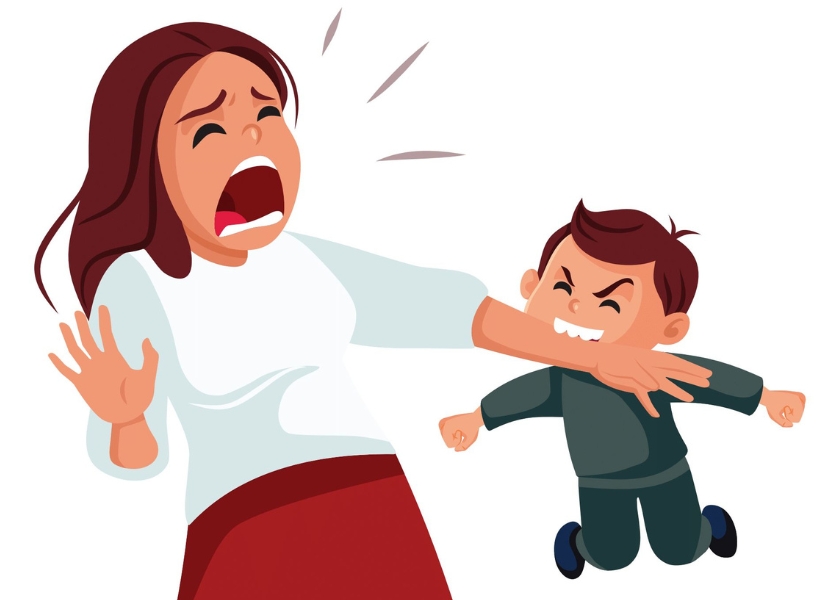
Image Source: dp4g669tqdae4.cloudfront.net
Deciphering Why Toddlers Bite
It helps to know why toddlers bite. This makes it easier to stop the behavior. Biting is rarely done out of pure meanness. It usually comes from a need your child cannot yet say with words. Many things can cause a toddler to bite. Knowing these can help you spot the trigger. This is key to finding good toddler biting solutions.
Common Toddler Biting Causes
Let’s look at the main reasons a young child might bite:
- Teething Pain: Baby teeth pushing through gums hurt. Biting can ease this pain. It puts pressure on the sore gums.
- Exploring Their World: Toddlers learn by using their mouths. They put toys and other things in their mouths. Sometimes, they try to do this with people too. They learn what biting feels like and what reaction it gets.
- Strong Feelings: Toddlers have big feelings. They get angry, frustrated, or excited. They do not have words for these feelings yet. Biting can be a way to let out these strong emotions.
- Needing Attention: Sometimes, biting gets a quick reaction from adults. Even a negative reaction is attention. Your child might bite to get you to notice them.
- Lack of Words: A toddler cannot always say what they want or need. If they want a toy and cannot ask, they might bite to get it. Biting becomes their way to “talk.”
- Testing Limits: Toddlers learn about rules. They want to know what happens if they bite. They are testing to see your reaction. This is part of learning boundaries.
- Copying Others: If a toddler sees another child bite, they might try it too. They are learning social behaviors.
- Overwhelmed Senses: Too much noise, too many people, or too many toys can be overwhelming. A toddler might bite to make the feeling stop.
- Feeling Tired or Hungry: Just like adults, toddlers can be grumpy when tired or hungry. This can lower their ability to handle feelings. Biting might happen more often then.
Handling Biting in the Moment
When your toddler bites, your reaction matters most. How to handle toddler biting right away is very important. Stay calm, but be firm. This teaches your child that biting is not okay. It also helps the child who was bitten.
Immediate Steps When Biting Happens
Follow these steps right away:
- Stop the Biting: Gently, but quickly, separate your child from the other person or object. Do not pull roughly. Just make sure the biting stops.
- Use a Clear, Firm Voice: Look your child in the eye. Say “No biting” or “Biting hurts.” Use a serious tone. Do not yell or get overly emotional. Keep your words short and simple.
- Focus on the Victim: After stopping the bite, quickly turn your attention to the person who was bitten. Ask if they are okay. Offer comfort. This shows your child that biting hurts others. It also shows that the person bitten gets care. This helps your child see that biting is bad.
- Brief Time-Out (If Age-Appropriate): For some toddlers (around 18 months and up), a very short time-out can work. Sit them alone for 1-2 minutes. Say, “We do not bite. You need to sit here for a moment.” Do not make it a punishment. Make it a time to calm down.
- Clean the Bite: If someone was bitten, make sure the bite area is clean. If skin is broken, see a doctor.
- Do Not Bite Back: Never bite your child back. This teaches them that biting is okay. It also hurts them. It does not help them learn.
- Do Not Give Too Much Attention: Do not give a long lecture. Do not make a big scene. This can give your child the attention they might have wanted. Keep your response brief and firm.
Effective Biting Toddler Strategies for the Long Term
Stopping toddler biting needs more than just a quick fix. You need a plan for the future. These biting toddler strategies focus on teaching and guiding your child. They help your child learn better ways to act. They also work on preventing bites before they happen.
Teaching Toddler Not to Bite
This is a key part of the solution. You need to teach your child what to do instead of biting.
- Teach Gentle Touches: Show your child how to be gentle. Say, “Gentle hands.” Guide their hand to stroke softly. Practice this often.
- Use Simple Words for Feelings: Help your child name their feelings. Say, “You seem angry” or “Are you frustrated?” Use pictures of faces showing feelings. This helps them learn to use words instead of biting.
- Offer Safe Things to Bite: If teething is the cause, give them a teething toy. Give them a cold washcloth or safe chew toys. This teaches them what is okay to bite.
- Role-Play: Use dolls or stuffed animals. Show them how to share or ask for a turn. Act out what to do if someone bites. Say, “When someone bites, we say ‘No biting’ and move away.”
- Read Books About Biting: Many children’s books talk about biting. These can be great tools to teach without making it feel like a lecture.
Positive Discipline for Biting
Positive discipline means teaching with kindness and respect. It focuses on what your child should do, not just what they should not do. It helps your child learn from their mistakes.
- Praise Good Behavior: Catch your child being gentle. Say, “Good gentle hands!” or “I like how you used your words!” Praise them often. This helps them know what is right.
- Set Clear Rules: Have a simple rule about biting. Say, “We do not bite people. Biting hurts.” Make sure everyone who cares for your child knows this rule.
- Give Choices: If your child is about to bite because of frustration, give them a choice. “You can stomp your feet or squeeze this pillow. Which do you want to do?” This helps them feel in control. It also teaches them how to handle big feelings.
- Help Them Make Amends: If your child bites another child, help them say sorry. This could be a hug or giving a toy. Do not force it. Guide them gently. Say, “Can we give a gentle pat to make them feel better?”
Environmental Adjustments
Sometimes, changing the environment can help.
- Reduce Stress: Look at your child’s day. Is there too much going on? Is it too loud? Try to make their day more calm and predictable.
- Ensure Enough Rest: A tired child is more likely to bite. Make sure they get enough sleep. Stick to a good sleep schedule.
- Provide Chew Toys: Have safe chew toys available. These are toys made for chewing. If your child is teething or just likes to chew, this gives them a safe outlet.
- Offer Space: In play settings, ensure there is enough space for each child. Crowded areas can lead to more biting.
Boosting Communication Skills
Many toddlers bite because they lack words. Helping them talk more can reduce biting.
- Teach Sign Language: Even before words, toddlers can use signs. Teach signs for “more,” “help,” “stop,” or “all done.” This gives them a way to tell you what they need.
- Narrate Your Day: Talk about what you are doing. “Mommy is cutting the apple.” “You are playing with the car.” This helps them hear words and connect them to actions.
- Ask Open-Ended Questions: Instead of “Do you want milk?” ask “What do you want to drink?” This makes them think about their words.
- Validate Feelings with Words: When your child is upset, put words to their feelings. “You are mad that your tower fell down.” This helps them learn the words for what they feel.
Consistency is Key
For any of these strategies to work, you must be consistent.
- All Caregivers Must Agree: Make sure everyone who spends time with your child knows the rules. This includes parents, grandparents, and daycare staff. Everyone should react to biting in the same way.
- Respond Every Time: Do not let a bite go unnoticed. Every time a bite happens, follow your plan. This helps your child learn what is expected.
- Be Patient: Changing behavior takes time. You might not see results right away. Keep trying. Your child will learn.
Here is a table summarizing common biting reasons and helpful actions:
| Reason for Biting | What It Might Look Like | Helpful Action for Parents |
|---|---|---|
| Teething Pain | Lots of drool, putting hands in mouth | Offer cold teething toys, frozen washcloths. |
| Exploring | Bites different textures, tries biting people | Provide safe chew toys, say “Biting hurts.” |
| Strong Feelings | Tantrums, frustrated sounds, crying | Teach feeling words, offer a pillow to hit, calm time. |
| Needing Attention | Bites, then looks at you | Give positive attention for good behavior. Briefly respond to biting. |
| Lack of Words | Points, grunts, gets upset when not understood | Teach simple words, sign language, help them name feelings. |
| Testing Limits | Bites, then watches your reaction | Firm “No biting,” consistent consequence (e.g., brief time-out). |
| Overwhelmed Senses | Crying in noisy places, rubbing eyes | Reduce sensory input, find quiet spaces, keep routine calm. |
| Tired/Hungry | Extra fussy, yawning, rubbing eyes | Ensure good sleep, offer regular healthy snacks. |
When Toddlers Bite What to Do in Specific Settings
Biting can happen anywhere. Knowing how to handle it in different places helps.
Stopping Toddler Biting Daycare
Daycare is a common place for biting. Many children are together. Toys are shared. This can lead to more bites.
- Talk to the Daycare Staff: Have an open talk with the caregivers. Share your plan for biting. Ask them what their plan is. Make sure you are both on the same page.
- Share Your Observations: Tell them what you think causes your child to bite. Is it when they are tired? Or when a toy is taken?
- Ask for Their Input: Daycare staff see many children. They might have good ideas. They can help you with specific toddler biting solutions for their setting.
- Ensure Consistency: Make sure the daycare uses the same firm “No biting” rule. They should also focus on the child who was bitten.
- Ask About Supervision: Are there enough adults watching the children? Is there enough space for play? These things can help prevent bites.
- Consider a Biting Log: Some daycares keep a log. This tracks when bites happen. It can help you see patterns. This log can help you find triggers.
Biting Other Children
This is often the most upsetting form of biting for parents.
- Teach Empathy: When a child is bitten, gently show your child the hurt. Say, “Look, Sarah is crying. Biting hurts her.” Do not shame your child. Just show the impact.
- Practice Sharing and Taking Turns: Many bites happen over toys. Teach your child to ask for a turn. Teach them to share.
- Shadowing: For a short time, stay very close to your child during play. If you see them about to bite, step in. Stop the action before it happens. Guide them to use words or another action.
- Give Them a “Do-Over”: After a bite, help your child do things better. “Let’s try again. Can you ask for the toy with words?”
Biting Parents or Caregivers
This can feel very personal. It can also be more common at home.
- Immediate Reaction: Use the firm “No biting” rule. Move away from them. Stop playtime. This shows that biting ends the fun.
- Offer Alternative for Affection: If your child bites during a hug, teach them “gentle hugs.” Show them how to cuddle without biting.
- Look for Triggers: Are they biting you when they are tired? When they want your full attention? When you are on the phone? Identify the cause.
- Set Boundaries: Make it clear that your body is not for biting. “My arm is not for biting.” Then offer something that is okay to bite (a chew toy).
Grasping the Toddler Biting Phase
Many parents worry about the toddler biting phase. Is it normal? Will it last forever?
Is Biting Normal?
Yes, for many toddlers, biting is a normal stage. It often peaks between 18 months and 3 years. Most children stop biting on their own with consistent guidance. It is a sign of their growth. They are learning about their bodies, their feelings, and the world around them.
When Does it End?
The biting phase usually passes as children get better at talking. As their language skills grow, they can use words instead of teeth. They also learn more about social rules. Most children stop biting by age 3 or 4. Some might stop sooner. Some might take a bit longer.
Why It’s a “Phase”
It’s a phase because it connects to certain developmental steps:
- Language Burst: As children learn more words, their need to bite to communicate goes down.
- Social Skills: They learn how to play with others. They learn about sharing and empathy.
- Self-Control: Toddlers gain better control over their bodies and their feelings.
- Cause and Effect: They learn that biting leads to negative results (hurt, time-out).
Your calm, firm, and consistent help will guide them through this phase.
When to Seek Extra Support
Most of the time, gentle guidance works. But sometimes, you might need more help.
- Biting After Age 4: If biting continues past age 4, it might be a sign of a deeper issue. Most children have learned to stop by then.
- Frequent or Severe Bites: If your child bites many times a day, or if the bites are very deep and cause serious injury, get help.
- Biting with No Clear Reason: If you cannot find any cause for the biting, and it seems random, talk to an expert.
- Other Problem Behaviors: If biting comes with many other big behavior problems, like extreme tantrums or hurting themselves, seek advice.
- Impact on Development: If biting is stopping your child from playing with others or going to daycare, it’s time for help.
Who Can Help?
- Pediatrician: Your child’s doctor is a good first step. They can check for health issues. They can also point you to other experts.
- Child Psychologist or Behavior Therapist: These experts work with children’s behavior. They can help you understand why your child bites. They can give you tailored strategies.
- Occupational Therapist: If sensory issues cause biting, an occupational therapist can help. They can suggest ways to meet your child’s sensory needs.
Remember, seeking help is a sign of strength. It means you want the best for your child.
Conclusion
Stopping toddler biting can be a tough journey. It tests your patience. But with the right approach, you can guide your child through this phase. Remember these key points: Stay calm. React quickly and firmly. Teach your child what to do instead of biting. Use positive discipline. Work with your child’s daycare. Be consistent.
Every child is different. What works for one may not work for another. Be open to trying new toddler biting solutions. Celebrate small wins. Focus on teaching and loving your child. Biting is a part of their growth. With your firm and gentle help, your child will learn better ways to express themselves. They will learn to be gentle. This phase will pass. You are doing a great job. Keep going!
Frequently Asked Questions (FAQs)
Q1: My toddler bites only me. Why?
A1: If your toddler bites only you, it often means they feel safe to show big feelings around you. They might be testing your limits. Or they might be seeking your full attention. It could also happen during loving moments if they get over-excited. React with a firm “No biting” and move away briefly. This teaches them that biting makes you leave.
Q2: Is biting a sign of aggression?
A2: For toddlers, biting is rarely true aggression. It usually comes from a lack of skills. They do not know how else to share big feelings. They might not know how to get what they want. It is often a way to communicate or explore, not to harm. As they grow, they learn better ways to cope and share.
Q3: What if my toddler laughs when I say “no biting”?
A3: If your toddler laughs, it can be frustrating. They are not laughing to be mean. They might be laughing from feeling nervous. Or they might not fully grasp the rule yet. Do not get angry. Stay calm and firm. Keep your response brief. Focus on the consequence, like a quick time-out or removing them from play. The goal is for them to link biting with an unwanted outcome, not with getting a rise out of you.
Q4: How long does the biting phase usually last?
A4: The toddler biting phase usually starts around 12-18 months. It often peaks between 18 months and 3 years. Most children stop biting on their own by age 3 or 4. They learn better ways to communicate and handle their feelings. Consistency from parents helps speed up this process.
Q5: Should I punish my toddler for biting?
A5: “Punishment” can mean different things. Harsh punishments, like hitting or yelling, do not work well. They can make things worse. Instead, focus on “positive discipline for biting.” This means using clear, firm limits. Use brief time-outs or remove the child from the situation. Teach them what to do instead of biting. Help them use words. This helps them learn rather than just fear you.
Q6: My child bites when they are excited. What can I do?
A6: When your child bites from excitement, teach them other ways to show joy. Say, “You are so excited! Clap your hands!” or “Give a gentle hug!” Redirect their energy. Offer a safe chew toy if they need to bite something. This helps them learn to channel their excitement in a safe way.