
How to wean a toddler? Weaning a toddler means slowly helping them stop breastfeeding or bottle feeding. It is a big step for both child and parent. Can I wean my toddler gently? Yes, you can. Gentle methods make the process easier for everyone. Many ways help a toddler move from breast or bottle to a cup. This guide will show you how to do it with love and care. We will talk about when your child might be ready and good ways to help them. We will also look at how to make the switch smooth.
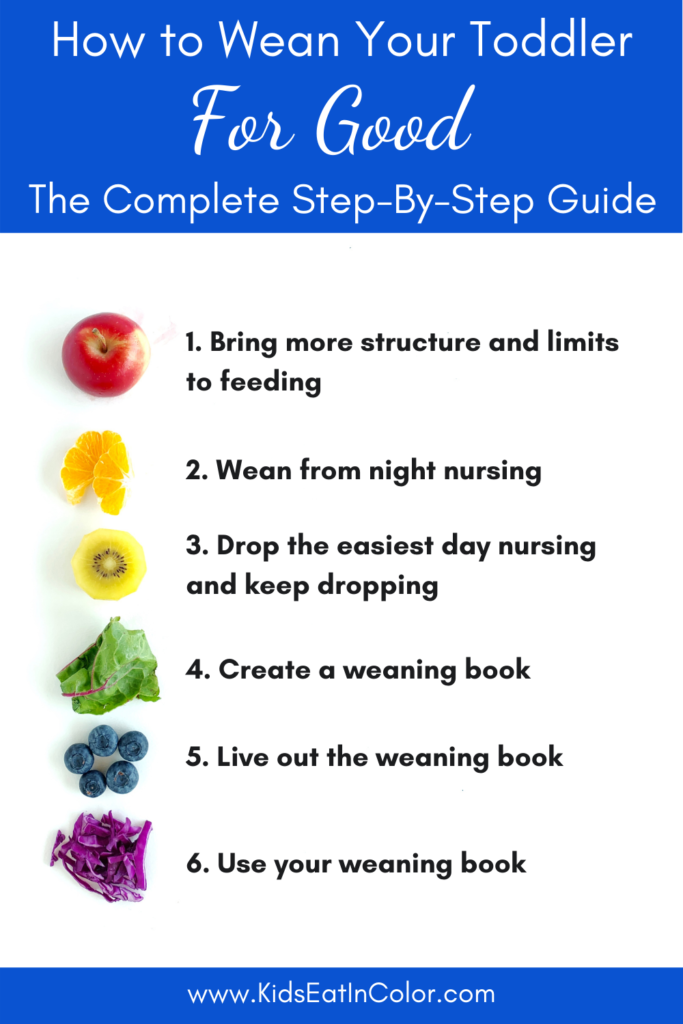
Image Source: kidseatincolor.com
Knowing When to Start Weaning
Deciding when to wean your toddler is a very personal choice. There is no one “right” time. Every child is different. Every family is different. Weaning can start when your child shows signs they are ready. Or, it can happen when you feel ready. Often, it is a mix of both.
Seeing Your Toddler’s Signs
Your toddler might show signs they are ready to wean. Look for these clues:
- Less Interest in Feeding: They might get easily distracted. They might feed for shorter times. They might push away.
- Eating More Solid Foods: Your child might be getting lots of nutrition from solid meals. Breast milk or formula becomes less of their main food.
- Getting Comfort from Other Things: Your toddler might find comfort in a blanket, a toy, or a hug. They may not need the breast or bottle as much for comfort.
- Learning New Skills: They might be too busy playing and exploring. They might not want to stop for a feed.
- Can Drink from a Cup: Your child might be able to drink water or milk from a cup well. This shows they are ready for drinks in new ways.
Preparing Yourself for Weaning
Weaning is a big change for you, too. Think about how you feel.
- Emotional Readiness: Are you ready to let go of this special bond? It is okay to feel sad or mixed up. Many parents do.
- Physical Readiness: If you are breastfeeding, your body needs to adjust. It helps to go slow. This stops blocked ducts or pain.
- Life Changes: Are there any big changes happening soon? Like a new sibling or a move? It might be better to wait if life is already busy. A calm time is best for weaning.
Gentle Ways to Wean
A gradual weaning approach is often best. This means going slow. It gives your toddler time to adjust. It also helps your body if you are breastfeeding. Gentle weaning methods make the process easier for everyone.
A Slow Weaning Path
- Drop One Feed at a Time: Start by cutting out one feed. Pick a feed that seems less important to your toddler. This might be a mid-day feed. Keep the most comforting feeds, like bedtime or morning feeds, for last.
- Offer Distractions: When it is time for a feed you want to drop, offer something else. Play a game. Read a book. Go for a walk. Change the routine.
- Shorten Feeding Times: If your toddler usually feeds for 10 minutes, try 5. Slowly make the feeds shorter.
- Delay Feeds: If your toddler asks for a feed, say, “Yes, in 5 minutes.” Then offer a snack or a different activity. This teaches them to wait. It can also make them less interested.
- Change the Location: Feed your child in a different spot. If you always feed in the living room, try a bedroom. This can break the feeding habit.
Helping Your Child Lead
Sometimes, children wean themselves. This is called child-led weaning. It happens when they naturally lose interest. This is often the easiest way. You just follow their lead.
Parent-Led Weaning
Most often, weaning is parent-led. You decide it is time. Even when you lead, you can still be gentle. Watch your child’s cues. Be ready to slow down if they are having a hard time. The goal is to wean without tears.
Specific Weaning Steps
Weaning looks different for every child. Here are common situations and strategies.
Ending Night Feeds (Night Weaning Toddler)
Night weaning a toddler can be tough. Night feeds are often for comfort. They are part of the bedtime routine. Here are some steps to help:
- Fill Them Up Before Bed: Make sure your toddler has a good dinner. Give them a last big feed or a snack right before bed. This helps them not be hungry at night.
- Change the Bedtime Routine: If feeding is part of your bedtime routine, change it. Read a book. Sing a song. Give a warm bath. Do these things before the feed. Then, slowly move the feed earlier in the evening.
- Offer Other Comfort: When your child wakes at night, offer a hug. Pat their back. Sing to them. Do not offer the breast or bottle right away.
- Use a Partner: If you have a partner, ask them to help at night. If your child sees you, they might expect to feed. A partner can offer comfort without the smell of milk.
- Gradual Reduction: If your child still needs a night feed, make it shorter. Or offer water in a cup instead. Slowly reduce the need for night feeding.
- Sleep Training Methods: Some parents use gentle sleep training methods. These help a child learn to fall asleep by themselves. This can help with night weaning.
Moving from Breast or Bottle to a Cup
The transition from breast to cup or from bottle to cup is a key part of weaning.
Bottle Weaning Strategies
- Introduce a Cup Early: Start offering a cup with water around 6-9 months. This gets them used to it.
- Daytime First: Wean bottles during the day first. Offer milk or water in a cup with meals and snacks.
- Give Up the “Comfort” Bottle: The last bottle to go is often the bedtime one. Like with night feeds, change the routine. Offer milk in a cup before bed, then brush teeth, then read a book.
- Choose the Right Cup: There are many types of cups. Some have spouts. Some have straws. Some are open cups. Let your toddler help pick one.
- Limit Where Bottles Can Be Used: Only allow bottles in the kitchen. This can break the habit of carrying them around.
- Make It Special: When the last bottle is gone, celebrate! Make a big deal about being a “big kid.”
Table: Common Cup Types for Toddlers
| Cup Type | Description | Pros | Cons |
|---|---|---|---|
| Sippy Cup | Has a lid and a spout. | Less messy, good for travel. | Can be hard on teeth, similar to bottles. |
| Straw Cup | Has a lid and a straw. | Better for dental health than sippy cups. | Can be hard to clean. |
| 360-Degree Cup | Drink from any edge, like an open cup. | Helps practice open cup drinking, less spill. | Can still spill if dropped, takes practice. |
| Open Cup | Standard cup without a lid. | Best for dental health, teaches drinking skill. | Very messy, needs supervision. |
Stopping Breastfeeding Kindly (Stopping Breastfeeding Toddler)
Stopping breastfeeding a toddler takes patience. The bond is strong.
- “Don’t Offer, Don’t Refuse” (D.O.D.R.): This is a key gentle weaning method. You do not offer the breast. But if your toddler asks, you do not refuse right away. You can try to distract them first. If that does not work, you can offer a very short feed.
- Set Clear Limits: As your toddler gets older, you can talk to them. “Mommy’s milk is for boo-boos only.” Or “We feed only at home.” This helps set rules.
- Offer Alternatives: Before they ask for the breast, offer a snack. Offer a drink in a cup. Offer a hug.
- Change Clothes: If you wear clothes that make feeding easy, change them. Wear a high-necked shirt. This can be a visual cue for your child.
- Use a Timer: For older toddlers, a timer can work. “You can have milk until the timer goes off.” Make it short.
- Be Patient with Regressions: Your toddler might ask for more feeds during big changes or illness. This is normal. Just go back to your plan when they are feeling better.
- Talk to Your Child: Even if they are very young, explain things simply. “Milk is all gone now. We can have water.” Or “We are big kids now. We drink from a cup.”
When Your Toddler Says No (Toddler Refusing to Wean)
What if your toddler is refusing to wean? This can be very frustrating.
- Do Not Force It: Forcing weaning can make your child more upset. It can make them cling more. Go slow.
- Check for Underlying Needs: Is your child sick? Teething? Feeling stressed? They might need the comfort more now. Wait until things are calm.
- Increase Other Comfort: Give more hugs. More playtime. More one-on-one time. Fill their “love tank” in other ways.
- Reassess Your Plan: Maybe your plan is too fast. Go back a step. Try dropping a different feed. Or make feeds shorter.
- Be Consistent: If you decide to drop a feed, try to stick to it. If you give in sometimes, your child learns that asking more can get them what they want.
- Seek Support: Talk to other parents. Talk to a lactation consultant. They can give new ideas.
Giving Comfort During Weaning
Comfort during weaning is super important. Weaning can be a sad time for your child. It is like losing a friend or a special routine.
Emotional Support
- Lots of Hugs and Kisses: Offer more physical affection. Cuddle them often.
- Special Time Together: Spend extra one-on-one time. Read stories. Play games. Build a fort.
- New Routines: Create new rituals. A special bedtime story. A new song. This fills the gap left by feeding.
- Acknowledge Their Feelings: It is okay for them to be sad or mad. Say, “I know you want milk. It is hard.” Do not shame them for their feelings.
- Distraction and Play: When they ask for a feed, offer a fun activity. “Let’s go play with the blocks!” Or “Let’s draw a picture.”
- Comfort Objects: A special blanket, a teddy bear, or a lovey can help them feel safe.
Other Drinks for Your Toddler (Toddler Milk Alternatives)
When you cut back on breast milk or formula, your toddler needs other drinks. Toddler milk alternatives are important for nutrition.
- Water: Water is always best for thirst. Offer it often throughout the day.
- Whole Cow’s Milk: For toddlers over one year, whole cow’s milk is a common choice. It has fat and vitamins they need. Offer 16-24 ounces (about 2-3 cups) per day. Too much can fill them up and stop them eating solid foods.
- Fortified Plant Milks: If your child cannot have cow’s milk (allergy or choice), look for fortified plant milks.
- Soy Milk: Good protein, often fortified with calcium and Vitamin D.
- Oat Milk: Can be a good choice, often fortified.
- Almond Milk: Often low in protein and calories. Make sure it is fortified.
- Rice Milk: Often low in protein and calories. Make sure it is fortified.
- Always check the label to ensure they are fortified with calcium and Vitamin D. Unsweetened kinds are best.
- Toddler Formulas: These are available but often not needed if your toddler eats a good diet. They can be expensive. Check with your child’s doctor.
Table: Common Toddler Milk Alternatives
| Milk Type | Who Can Have It? | Benefits | Things to Watch For |
|---|---|---|---|
| Whole Cow’s Milk | Toddlers over 1 year. | Good fat, protein, calcium, Vitamin D. | Allergies, too much can lead to iron lack. |
| Fortified Soy Milk | Toddlers over 1 year (if no soy allergy). | Good protein, often fortified. | Can have a strong taste, soy allergies. |
| Fortified Oat Milk | Toddlers over 1 year. | Good for tummy, often fortified. | Varies in nutrients, check labels. |
| Fortified Almond Milk | Toddlers over 1 year (if no nut allergy). | Lower calories, often fortified. | Often low in protein and fat, check labels. |
| Water | All toddlers. | No calories, good for hydration. | No nutrients, need other foods for energy. |
Ensuring Good Nutrition
Make sure your toddler eats well during weaning. Offer a wide range of healthy foods.
* Balanced Meals: Give three meals and two or three snacks a day. Include fruits, veggies, grains, and protein.
* Healthy Fats: Make sure they get enough healthy fats. These are important for brain growth. Examples: avocado, nuts (ground or butter), fatty fish.
* Iron-Rich Foods: If they are not getting breast milk, make sure they get enough iron. Examples: red meat, beans, fortified cereals.
* Offer, Don’t Force: Let your child decide how much to eat. Do not make meal times a fight.
Addressing Challenges
Weaning can be hard. Sometimes you hit bumps in the road.
When Weaning is Hard
- Tantrums: Your toddler might have big feelings. Stay calm. Validate their feelings. Then offer a distraction.
- Sleep Problems: Night weaning can mess up sleep for a bit. Stick to your new routines. Be patient.
- Clinginess: Your child might want to be closer to you. Give them extra snuggles. Reassure them.
- Physical Discomfort (for parent): If you are breastfeeding, your breasts might feel full. Go very slowly. Hand express a little milk. Use warm compresses.
- Guilt: You might feel guilty. It is normal. Remember, you are doing what is best for both of you.
Seeking Support
- Talk to Your Partner: Make sure you are on the same page. Work as a team.
- Friends and Family: Lean on your support system. Ask for help with distraction or comfort.
- Health Professionals: If you are struggling, talk to your child’s doctor. A lactation consultant can also help with gentle weaning plans. They are experts in stopping breastfeeding a toddler.
Weaning Without Tears: A Summary
The goal of weaning without tears is to make the process as peaceful as possible. It means:
- Patience: Weaning takes time. Do not rush it.
- Gentle Steps: Go slowly. Drop one feed at a time.
- Focus on Comfort: Give lots of love, hugs, and one-on-one time.
- Offer Choices: Let your toddler choose a cup or a new snack.
- Consistency: Once you drop a feed, try to stick to it.
- Flexibility: Be ready to adjust your plan. Life happens.
- Positive Reinforcement: Praise your toddler for trying new things.
- Trust Your Gut: You know your child best.
Frequently Asked Questions (FAQ)
Q: How long does it take to wean a toddler?
A: It can take weeks or even months. It depends on your child’s age, how they react, and how fast you want to go. Going slowly is often best.
Q: Is it okay to breastfeed my toddler past one year?
A: Yes, it is perfectly fine. The World Health Organization (WHO) suggests breastfeeding up to two years and beyond. It is a personal choice.
Q: What if my toddler cries a lot during weaning?
A: Crying is normal. It is how they show big feelings. Stay calm. Offer comfort. Distract them. If crying is too much, slow down your plan.
Q: Should I cut out night feeds first?
A: Many parents find it easier to cut daytime feeds first. Night feeds are often the last to go. This is because they are very comforting.
Q: My toddler won’t drink milk from a cup. What now?
A: Try different kinds of cups. Try different types of milk alternatives. Give water often. Make sure they get enough calcium and Vitamin D from other foods. Think about yogurt, cheese, or fortified cereals.
Q: Can I wean my toddler cold turkey?
A: “Cold turkey” weaning is usually not advised. It can be hard on your child emotionally. It can also cause pain and health issues for the parent, like blocked ducts or infection if breastfeeding. A gradual approach is much better.
Conclusion
Weaning your toddler is a journey. It is a time of change for your whole family. By going slow, being gentle, and giving lots of love, you can make it a smooth path. Remember to watch your child’s cues. Celebrate their progress. And trust that you are doing a great job guiding them through this important step.