
Image Source: assets.clevelandclinic.org
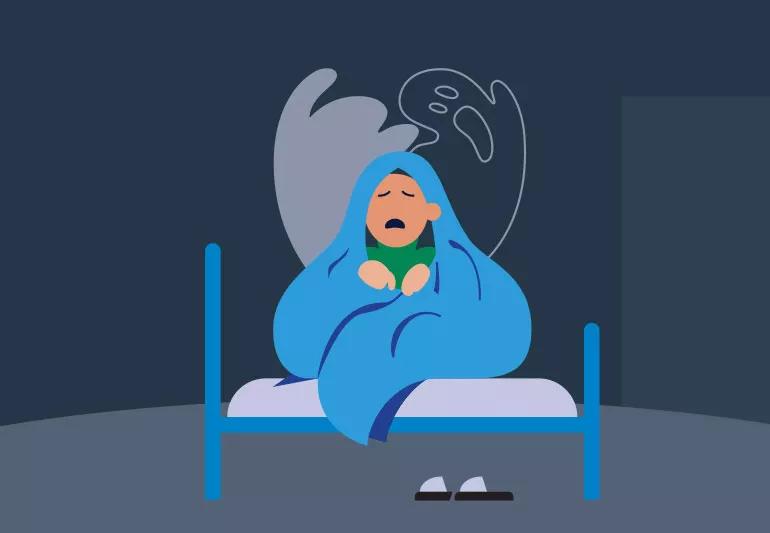
Unpacking Why Is My Toddler Having Nightmares: Triggers & Help
Why is my toddler having nightmares? Toddlers often have nightmares. These bad dreams are a normal part of growing up. They happen because a toddler’s brain is growing quickly. New things they learn and see during the day can show up in their sleep. Sometimes, big feelings or changes in their daily life can also cause nightmares. Nightmares are different from night terrors. With nightmares, your child wakes up and remembers the scary dream. They need your comfort.
Shedding Light on Toddler Nightmare Causes
Nightmares in toddlers often come from a mix of things. Their fast-growing minds play a big part. So do their daily experiences and any stress they feel. It is important to know what might cause these bad dreams. This helps you help your child feel safe.
Developmental Stages and Nightmares
A toddler’s brain is like a sponge. It soaks up everything. They learn new words. They learn new skills. They learn about the world around them. This big growth can make their dreams more active.
- Brain Growth: Toddlers’ brains are making many new connections. They are learning how things work. This can lead to vivid dreams. Their imagination is also getting very strong. This means their dreams can feel very real to them.
- New Feelings: Toddlers feel many new emotions. They might feel happy, sad, or mad. They do not always know how to show these feelings. Sometimes, these big feelings show up in their dreams.
- Active Play: During the day, toddlers play a lot. They imagine many things. They might pretend to be a superhero or a scary monster. This active imagination can spill over into their sleep, sometimes causing bad dreams.
Real-Life Experiences and Their Impact
What your toddler sees and does during the day can become part of their dreams. Some things are fun. Some things can be a bit scary for them.
- New Places or People: A visit to a new park can be exciting. But meeting a new person can also feel strange. These new sights and sounds can turn into dreams.
- Scary Shows or Stories: Even cartoons can be too much for a small child. A loud noise or a scary character can stick with them. This might lead to a bad dream. It is good to watch what they see.
- Big Daytime Events: Maybe they went to a loud birthday party. Or maybe they saw a big dog. These events can be replayed in their minds at night. Sometimes, they come out as a scary dream. Even a small fall or a bump can make a toddler feel scared. This fear can then show up in their sleep.
Stress Triggers for Toddler Nightmares
Toddlers feel stress too. They might not show it like adults. But big changes or worries can lead to nightmares. These are common toddler nightmare causes.
- Big Changes: Moving to a new house is a big change. So is getting a new baby brother or sister. Starting daycare can also be hard. These big life changes can make a toddler feel unsure. This feeling can turn into bad dreams.
- Family Problems: If there is tension at home, toddlers can feel it. Even if they do not understand what is happening, they sense things. This can make them worry. Worries can lead to nightmares.
- Feeling Sick: When a toddler is not well, they often do not sleep well. A fever can make dreams more intense. Being in pain or just feeling bad can also cause bad dreams.
- Separation Anxiety: Many toddlers get worried when parents leave. They might cry when you drop them off. This worry can make them feel unsafe. This feeling can then lead to nightmares.
- Anxiety in Toddlers Nightmares: Sometimes, toddlers have general worries. They might worry about small things. Or they might worry about big things they do not understand. This general anxiety can often show up as scary dreams. If your toddler often seems worried during the day, it might link to their nightmares at night. Look for signs like clinging, being shy, or being upset easily.
Deciphering Toddler Night Terrors vs Nightmares
It is easy to mix up nightmares and night terrors. But they are very different. Knowing the difference helps you know how to help your child. This is a key point in addressing toddler sleep problems.
Here is a table showing the main differences:
| Feature | Nightmare | Night Terror |
|---|---|---|
| What it is | A scary dream | A sudden sleep event, not a dream |
| When it happens | Later in the night (REM sleep) | Early in the night (deep non-REM sleep) |
| Child’s state | Wakes up fully or almost fully | Partially or not awake at all |
| Memory | Child remembers the dream | Child does not remember anything |
| Reaction | Scared, wants comfort, may cry | Screaming, thrashing, eyes open but glazed |
| Response | Needs comfort, soothing, reassurance | Do not wake them, keep them safe |
| Getting back to sleep | Easier, after comfort | Falls back into deep sleep quickly |
Grasping Nightmares
Nightmares are bad dreams. They happen during REM sleep. This is the part of sleep when we dream most. For toddlers, nightmares are common.
- What they are: A nightmare is a dream that feels very scary. It makes your child feel unsafe or upset.
- When they happen: Nightmares usually happen in the last part of the night. This is when toddlers have more REM sleep. It could be around midnight or in the early morning.
- How kids react: A child having a nightmare will usually wake up. They might cry out. They will look scared. They will know you are there. They can tell you about the bad dream, even if it is just a few words. They will want hugs and comfort from you.
Interpreting Night Terrors
Night terrors are different. They are not dreams. They are a sleep issue. They happen during deep sleep.
- What they are: A night terror is a sudden event during sleep. The child might scream, cry, or thrash around. Their eyes might be open. But they are not awake. They are still asleep. It can look very scary to parents.
- When they happen: Night terrors happen in the first few hours of sleep. This is when deep sleep occurs. It is usually an hour or two after falling asleep.
- How kids react: During a night terror, a child might sit up. They might scream. They might look like they are awake. But they are not. They will not respond to you. They will not remember what happened later. Do not try to wake them. Just make sure they are safe. They will usually calm down on their own and go back to deep sleep.
Comforting Toddler After Bad Dream: Steps to Help
When your toddler wakes up from a bad dream, they need you. Your calm actions can help them feel safe again. This is vital when your toddler is waking up crying from dream.
When Toddler Waking Up Crying from Dream
Your first job is to go to your child. Show them you are there.
- Go to them quickly: When you hear your child cry, go to their room fast. Your presence makes them feel safe.
- Stay calm: Your child will be scared. If you are also scared or upset, it will make them more so. Take a deep breath. Speak in a soft, quiet voice.
- Physical comfort: Pick them up. Give them a hug. Cuddle them close. Physical touch is very calming for young children. It helps them feel safe and loved.
- Reassurance: Tell them they are safe. Say it was just a dream. “It was just a dream, sweetie. You are safe. Mommy/Daddy is here.” Repeat these words gently.
- Check for real fears: Briefly check if there is anything real bothering them. Is their blanket tangled? Is a toy making a shadow? Fix any small, real issues.
Simple Words to Use
Words are powerful. Use simple, clear, and loving words.
- “It was just a dream.” This helps them know it was not real. It happened in their mind, not in their room.
- “You are safe.” This is the most important message. Tell them they are safe and you are there to protect them.
- “I am here.” Let them know they are not alone. Your presence is the best comfort.
- “That dream cannot hurt you.” This helps them separate the dream from reality.
Getting Back to Sleep
After comfort, the goal is to get them back to sleep.
- Soft light: Turn on a small nightlight if they like one. A dim light can make the room feel less scary. But do not turn on bright lights. This can make them fully awake.
- Comfort item: Make sure they have their favorite blanket or stuffed animal. These items give them a sense of security.
- No harsh punishment: Never get angry at a child for having a nightmare. They cannot help it. They need your love.
- Avoid big talks right away: Do not try to ask many questions about the dream. Do not try to fix the dream. Just offer comfort. You can talk about the dream more in the morning if they want to. But for now, focus on getting them back to sleep.
- Stay until calm: Stay with your child until they are calm and sleepy again. You might sit by their bed. You might hold their hand. Or you might give them a few more gentle cuddles.
How to Stop Toddler Nightmares: Prevention Strategies
While you cannot stop all nightmares, you can do things to make them less likely. These tips focus on how to stop toddler nightmares and build good sleep habits.
Creating a Peaceful Bedtime Routine
A calm, consistent bedtime routine helps toddlers wind down. This can lead to better sleep and fewer nightmares.
- Consistent times: Put your toddler to bed at the same time each night. Wake them up at the same time each morning. This helps their body know when to sleep.
- Wind-down activities: Start calming activities about an hour before bed. This means no rough play. No loud TV. Instead, try reading books. Do a quiet puzzle. Have a warm bath.
- Warm bath: A warm bath can help a toddler relax their body. It is a good step to calm down before bed.
- Avoid screens before bed: Screens (TV, tablets, phones) give off a light that can make it hard to sleep. Turn them off at least an hour before bedtime. This helps their brain get ready for rest.
Managing Daytime Stress and Fears
What happens during the day affects sleep. Helping your child deal with daytime worries can help preventing toddler bad dreams.
- Talk about fears: Let your child talk about things that scare them. Listen to them. Do not tell them their fears are silly. Say, “That sounds scary.”
- Play-acting fears: Sometimes, playing about a fear can help. If they are scared of monsters, pretend to be a monster. Then you can make the monster silly. This helps them feel control over the fear.
- Limit scary shows: Be careful about what your toddler watches. Even things meant for kids can be too much for some. If a show seems to bother them, turn it off.
- Ensure a sense of safety: Make sure your child feels safe in their home. This means having a loving and calm home. It also means their sleeping space feels secure.
Ensuring Good Toddler Sleep Problems Habits
Good sleep habits are the best defense against nightmares. This includes how much sleep they get and where they sleep. This is part of toddler sleep problems management.
- Dark, quiet room: Make their room as dark as possible. Use blackout curtains if needed. Keep the room quiet. Use a white noise machine if outside sounds are a problem.
- Cool temperature: A room that is too warm can make sleep hard. Keep the room a bit cool. Around 68-72 degrees Fahrenheit (20-22 Celsius) is often good.
- Regular naps: Toddlers still need naps. Missing naps can make them overtired. Overtiredness can lead to more nightmares. Stick to a nap schedule.
- Enough sleep for their age: Make sure your toddler gets enough sleep each day. This includes naps and night sleep.
Here is a table showing recommended sleep hours for toddlers:
| Age Group | Recommended Sleep Hours (24-hour period) |
|---|---|
| 1-2 Years | 11-14 hours (including naps) |
| 3-5 Years | 10-13 hours (including naps) |
Dealing with Anxiety in Toddlers Nightmares
If anxiety is a root cause of nightmares, you need to address it. This means looking at anxiety in toddlers nightmares directly.
- Spot signs of worry: Look for signs of worry in your child during the day. Do they cling more? Do they avoid new things? Are they often quiet or sad?
- Offer comfort and talk: Give them lots of hugs. Talk about their day. Let them share what is on their mind. Ask about their feelings.
- Help them cope with changes: When big changes happen, talk about them. Explain what will happen. Let them ask questions. This helps them feel more ready.
- When to get help: If anxiety seems strong, or if nightmares are very frequent and upsetting, it is okay to ask for help. A doctor or child expert can offer advice.
Preventing Toddler Bad Dreams: Daily Habits
Beyond a good routine, some daily habits can also help keep nightmares at bay. These are small steps that add up to big benefits for preventing toddler bad dreams.
Food and Drink before Bed
What your child eats and drinks before bed can affect their sleep.
- Avoid heavy meals: Do not give your toddler a big, heavy meal right before bed. A full tummy can be uncomfortable. It can make sleep harder. Offer a light snack if they are hungry.
- No caffeine: This might seem obvious, but make sure no drinks have caffeine. This includes some sodas or even chocolate milk in large amounts. Caffeine makes it hard to sleep.
Comfort Items and Nightlights
These simple things can make a child feel safer at night.
- Stuffed animals, blankets: A favorite stuffed animal or a special blanket can be a great comfort. They provide a sense of security and familiarity.
- Dim nightlight if needed: Some children feel safer with a dim nightlight. Choose one that gives off a soft glow. Too much light can stop deep sleep.
Reassurance and Open Talk
Keep talking about their day and feelings. This open talk builds trust and helps ease worries.
- Let them share their day: At dinner or before bed, ask your child about their day. “What was your favorite part of today?” “What made you smile?”
- Validate feelings: If they share a worry, say, “It’s okay to feel scared sometimes.” Do not dismiss their feelings. This teaches them their feelings are important.
When to Seek Help for Toddler Sleep Problems
Most nightmares are normal. But sometimes, they can be a sign of a bigger issue. Or they can cause too much stress for the family. Knowing when to get help for toddler sleep problems is key.
Consider seeking help if:
- Frequent, severe nightmares: If your toddler has nightmares very often. Or if the nightmares are very upsetting to them.
- Changes in daytime mood: If nightmares are making your child very tired, grumpy, or scared during the day.
- Fear of sleep: If your child starts to fear bedtime or refuses to go to sleep because of nightmares.
- Impact on family sleep: If the nightmares are causing everyone in the family to lose a lot of sleep.
- Signs of deeper anxiety: If you see other signs of strong anxiety in your child during the day. This could be constant worry, clinginess, or trouble in social settings.
- Nightmares after a trauma: If nightmares start or get worse after a very scary or upsetting event.
- Nightmares linked to physical issues: If your child snores loudly, struggles to breathe at night, or has other physical issues during sleep. These might need a doctor’s check.
Talking to your child’s doctor is a good first step. They can check for health issues. They can also give advice or point you to a child sleep expert.
Frequently Asked Questions (FAQ)
Are nightmares normal for toddlers?
Yes, nightmares are very normal for toddlers. Their brains are growing fast. Their imagination is strong. They are learning about many new things. This can lead to vivid and sometimes scary dreams.
Can diet cause nightmares?
While not a common main cause, certain foods or drinks right before bed can affect sleep. Heavy meals or sugary drinks can make it harder for your child to sleep well. This can lead to more restless sleep and possibly more dreams, including bad ones.
Should I wake my toddler during a nightmare?
Yes, if your toddler is having a nightmare, they will often wake up crying. You should go to them, comfort them, and help them wake fully. Reassure them that it was just a dream and they are safe. This is different from a night terror, where you should not wake them.
How long do toddler nightmares last?
The nightmare itself might last only a few minutes. But the fear and crying can last longer. Getting your child calm and back to sleep might take 10 to 30 minutes, or even more for some children. The dream memory usually fades by morning.
What is the difference between night terrors and bad dreams in toddlers?
Nightmares are scary dreams your child remembers when they wake up. They happen later in the night. Your child will want comfort. Night terrors are sudden sleep events. They happen early in the night during deep sleep. Your child is not truly awake and will not remember it. They might scream or thrash. You should not wake them during a night terror; just keep them safe.