
Potty training a toddler marks a big step. It changes life for both parents and kids. Many parents wonder, “How long does potty training take?” The truth is, it varies greatly. Some children learn in a few days. Others might need months. It depends on the child and the method used. This guide will help you through each step. We will cover readiness signs, effective methods, and tips for smooth training.
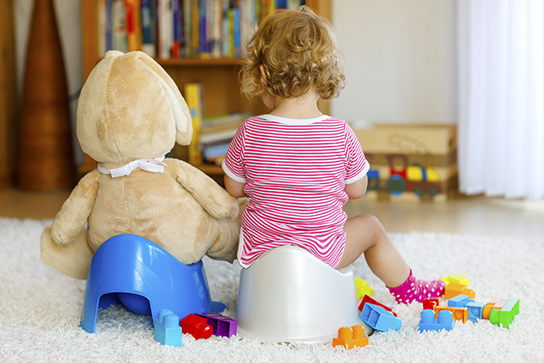
Image Source: health.ucdavis.edu
Grasping Potty Training Readiness
Starting potty training at the right time is key. Your child must be ready, not just old enough. Forcing it too soon can cause delays. It can also create a bad feeling about the potty. Look for clear signs of toddler potty training readiness. These signs show your child is ready to learn.
Signs of Physical Readiness
Your child’s body needs to be ready.
* Dry diapers: They stay dry for at least 2 hours. They are also dry after naps. This shows their bladder muscles are getting stronger.
* Regular bowel movements: Your child has predictable poops. This helps them know when they need to go.
* Motor skills: They can walk to the potty. They can pull their pants up and down. They can also get on and off the potty by themselves.
Signs of Cognitive Readiness
The mind needs to be ready too.
* Following simple directions: Your child can understand basic commands. For example, “Go get your ball.”
* Communicating needs: They can tell you they need to pee or poop. They might use words, signs, or gestures.
* Curiosity about the potty: They show interest in the toilet. They might ask what you are doing. They may want to sit on the potty.
* Connecting cause and effect: They know a wet diaper makes them feel yucky. They understand that going to the potty will make them feel better.
Signs of Emotional Readiness
Emotional cues are just as important.
* Desire for independence: Your child wants to do things by themselves. They want to be a “big kid.”
* Showing discomfort: They tell you when their diaper is wet or dirty. They might pull at it.
* Praise motivates them: They like getting praise for good things they do.
* Not being too stubborn: They are not in a phase of saying “no” to everything.
If your child shows most of these signs, they are likely ready. Trying to rush potty training when they are not ready can make it harder.
Potty Training Age Recommendations
There is no “perfect” age. Most children show readiness between 18 months and 3 years. Some are ready earlier. Some are ready later.
* 18-24 months: Some kids are ready now. They show many readiness signs.
* 2-3 years: This is the most common age range. Most children are ready during this time.
* Over 3 years: Do not worry if your child is older. Every child learns at their own pace.
Focus on the readiness signs, not the age.
Best Potty Training Methods
Many ways can help your child learn. What works for one child might not work for another. Find a method that suits your child’s personality.
The Child-Oriented Method
This method is slow and gentle. It follows the child’s lead.
* Key idea: Wait for clear readiness signs.
* Steps:
1. Introduce the potty early. Let your child sit on it fully clothed.
2. Talk about the potty. Use simple words for body functions.
3. When ready, offer to sit on the potty without a diaper. Do it after waking up or meals.
4. Praise all efforts. Even sitting on the potty is good.
5. Be patient. Do not push. Let your child guide the process.
* Pros: Less stress for child and parent. Fewer power struggles.
* Cons: Can take a longer time.
The “Potty Training in a Day” Method
This method is more intense. It aims to teach in a short time.
* Key idea: A focused, intense day of training.
* Steps:
1. Pick a day when you can focus only on training.
2. Dress your child in training pants or underwear. No diapers.
3. Give lots of liquids. This makes them need to go often.
4. Take them to the potty every 15-20 minutes.
5. Reward success quickly and with much praise.
6. Use a doll to show how to use the potty.
* Pros: Can be fast if child is truly ready.
* Cons: Can be very stressful if child is not ready. Not suitable for all kids. Many accidents might happen.
The Three-Day Method
This is a mix of the two. It is focused but gives a bit more time.
* Key idea: Three days of focused training.
* Steps:
1. Remove diapers completely for three days.
2. Stay home and focus on the potty.
3. Take child to potty often.
4. Reward every success.
5. Prepare for many accidents.
* Pros: Often quicker than child-oriented. Gives some time to get used to it.
* Cons: Can still be stressful. Needs full parent commitment for 3 days.
No matter the method, consistency is vital. Everyone caring for the child should use the same plan.
Potty Training Tools and Essentials
Having the right items helps make training easier. These potty training tools and essentials prepare your child for success.
Potty Seat Options
- Stand-alone potty chair:
- Pros: Child’s feet touch the floor. This gives them a sense of control. It is portable. Easy to empty and clean.
- Cons: Needs cleaning after each use. Takes up floor space.
- Toilet seat insert:
- Pros: Sits on top of your regular toilet. Child uses the “big” toilet. Less cleaning than a potty chair.
- Cons: Child’s feet might dangle. May need a step stool. Some kids fear falling in.
Step Stool
A step stool is a must if using a toilet seat insert. It helps your child reach the toilet. It also lets their feet rest. This makes it easier to push for a bowel movement.
Training Pants vs. Underwear
- Training pants (Pull-ups):
- Pros: Feel like underwear but offer some absorbency. Good for trips outside or naps.
- Cons: Can feel too much like a diaper. May slow down learning.
- Cotton underwear:
- Pros: Child feels wet right away. This teaches them cause and effect. Makes them want to stay dry.
- Cons: More accidents and messes to clean.
Many parents start with training pants for a short time. Then they switch to cotton underwear. This helps the child feel the wetness.
Other Helpful Items
- Easy-to-remove clothing: Choose pants with elastic waistbands. Avoid overalls or tricky buttons.
- Books and videos: Potty training books can help children understand the process. They make it less scary.
- Wipes: Easy clean-up for little bottoms.
- Cleaning supplies: Accidents will happen. Have paper towels, disinfectant, and spare clothes ready.
Potty Training Rewards System
A good potty training rewards system can motivate your child. Rewards make going to the potty seem like a fun game. They make your child want to try.
Types of Rewards
- Praise and cheers: Simple words like “Good job!” or “You did it!” are powerful. Clap and cheer when they try or succeed.
- Stickers: Give a sticker for each try or success. Let them put it on a chart.
- Small treats: A small candy, a cracker, or a piece of fruit. Use these only for big successes, like a full pee or poop in the potty.
- Fun activities: Let them watch a favorite show for 5 minutes. Or read an extra story.
- Non-food items: A tiny toy, a new coloring book, or a special crayon.
How to Use Rewards
- Start small: Reward efforts, not just success. Praise sitting on the potty. Praise trying to go.
- Be immediate: Give the reward right after the child goes to the potty. This links the action to the reward.
- Be consistent: Always give a reward for the same behavior.
- Fade rewards: As your child gets better, slowly reduce the rewards. The act of staying dry becomes the reward. Praise will always be important.
Here is an example of a reward chart:
| Day | Sat on Potty | Small Pee | Big Pee | Poop | Reward Given | Notes |
|---|---|---|---|---|---|---|
| Monday | ✅ | ✅ | Sticker | Sat for 1 minute | ||
| Tuesday | ✅ | ✅ | Small toy | First poop in potty! | ||
| Wed. | ✅ | ✅ | ✅ | Sticker | Dry all morning |
Dealing with Potty Training Accidents
Dealing with potty training accidents is a big part of the journey. Accidents are normal. They are learning moments, not failures. Your reaction matters a lot.
How to React to Accidents
- Stay calm: Do not get angry. Do not scold your child. This can make them feel ashamed. It can also cause fear of the potty.
- Reassure your child: Say something like, “It’s okay. Accidents happen. Next time, let’s try to get it in the potty.”
- Help them clean up: Involve them in cleaning the mess. This helps them learn responsibility. It also makes them aware of the wetness. “Oops, you made a puddle. Let’s get a towel.”
- Change clothes quickly: Make sure they are dry and comfortable.
Preventing Accidents
- Frequent potty trips: Take your child to the potty often. Do it every 1-2 hours. Do it after waking up, before leaving home, and before naps/bed.
- Watch for signs: Look for signs they need to go. They might start wiggling, holding themselves, or looking focused.
- Remind them: Gently remind them to use the potty. “Do you need to go potty before we play?”
- Keep a routine: A regular schedule helps. Potty after breakfast, before bed, etc.
Remember, every accident is a step closer to success. They are practicing.
Nighttime Potty Training Tips
Nighttime potty training tips are different from daytime. Many children master daytime dryness long before nighttime. This is because nighttime dryness depends on physical growth. It depends on their bladder muscles getting stronger. It also depends on their body making less pee at night.
When to Start Nighttime Training
- Focus on daytime first: Master daytime potty use completely.
- Dry diapers in the morning: Look for several mornings in a row where their diaper is dry. This is the main sign of readiness.
- Child’s desire: If they show a wish to be dry at night, that’s a good sign.
Steps for Nighttime Potty Training
- Limit drinks before bed: Cut off liquids an hour or two before bedtime. Offer a small drink with dinner.
- Potty before bed: Make a trip to the potty part of the bedtime routine.
- Use absorbent underwear (initially): Use “pull-ups” or training pants that hold wetness. This gives you time to react.
- Protect the mattress: Use a waterproof mattress cover. This saves your mattress from accidents.
- Nighttime trips (optional): Some parents wake their child to use the potty during the night. Do this only if it works for your family. Some experts say it can hinder the child learning to wake on their own.
- Praise morning dryness: Celebrate every morning the child wakes up dry.
- Patience is key: Nighttime dryness can take months or even years. Do not rush it. Some children may need night pants until age 6 or 7. This is normal.
| Tip Category | Action | Why it Helps |
|---|---|---|
| Liquid Intake | Limit drinks 1-2 hours before bedtime. | Reduces the amount of urine the bladder holds overnight. |
| Bedtime Routine | Ensure a potty trip is the last step before bed. | Empties the bladder before sleep. |
| Bedding Care | Use a waterproof mattress protector. | Protects the bed from accidents. |
| Patience | Understand it may take a long time. | Night dryness is physical, not learned behavior. |
Potty Training Regression Solutions
Potty training regression solutions are needed when a child who was trained starts having accidents again. This can be frustrating. But it is very common.
Common Reasons for Regression
- Stress or change: A new baby, moving, starting school, or family problems. These can make a child feel insecure.
- Illness: A cold, fever, or a urinary tract infection (UTI) can cause accidents.
- Too much pressure: If parents are too pushy, the child might regress.
- Losing interest: The novelty of the potty may wear off.
- Wanting attention: Sometimes, accidents get a lot of attention.
- Busy playing: The child might be too busy playing to notice the need to go.
How to Handle Regression
- Rule out medical causes: See a doctor first if regression is sudden or severe. Check for UTIs.
- Stay calm and supportive: Do not scold. Your child needs comfort, not anger. Say, “It’s okay. We’ll try again.”
- Go back to basics:
- Reintroduce frequent potty trips.
- Bring back the reward system if you stopped it.
- Use training pants temporarily if needed, especially for outings.
- Look for the cause: Talk to your child in a gentle way. Ask if anything is bothering them. Observe their behavior.
- Lower expectations: It is okay if they need more help for a while.
- Increase positive reinforcement: Praise them often for any successes, even small ones.
- Be patient: Regression is often short-lived. It will pass.
Potty Training Resistance Strategies
Sometimes, children resist using the potty. This potty training resistance strategies section will help. They might refuse to sit. They might throw tantrums. They might just say “no.”
Why Children Resist
- Not ready: The most common reason. They might not have the physical or emotional readiness yet.
- Power struggle: They want control. Saying “no” to the potty is a way to feel in charge.
- Fear: Fear of the toilet flushing, falling in, or the sound it makes.
- Constipation: If pooping hurts, they may hold it. This leads to accidents or refusal.
- Uncomfortable potty: The potty seat might be too big or unstable.
How to Deal with Resistance
- Stop and take a break: If resistance is strong, pause potty training for a few weeks. Come back to it later. This reduces pressure.
- Give choices: Let your child choose their potty chair or a book to read on the potty. “Do you want to use the small potty or the big potty?”
- Make it fun:
- Use potty books.
- Sing potty songs.
- Put a few drops of blue food coloring in the toilet water to make it “magical.”
- Do not force: Never force your child to sit on the potty. This creates bad feelings. It makes resistance worse.
- Be firm but kind: Once you decide to start, be consistent. “When we go to the store, we go potty first.”
- Address fears: If they fear the flush, let them flush after leaving the room. Explain the sounds.
- Check for constipation: Ensure they are having regular, soft bowel movements. High-fiber foods and water help.
- Model behavior: Let them see you use the toilet. Explain what you are doing.
- Ignore the resistance, praise the positive: Do not react to “no.” Instead, praise any small step towards the potty. “Thank you for getting close to the potty.”
How Long Does Potty Training Take?
As mentioned earlier, there is no set answer to “how long does potty training take?” It is not a race. Each child has their own timeline.
- Quick learners: Some children, especially those who are highly ready, might get the main idea in a few days to a week. This is often for daytime pee.
- Average learners: Many children take 3 to 6 months to be mostly dry during the day.
- Longer process: For some, it can be a year or more for full dryness, including bowel movements and nighttime.
- Nighttime dryness: This often takes the longest. It can take until age 5, 6, or even 7.
Focus on progress, not speed. Celebrate small wins. Do not compare your child to others. Every child develops at their own rate. Patience is your most important tool.
Frequently Asked Questions (FAQ)
Q1: What is the best age to start potty training?
A1: There is no single “best” age. Most children are ready between 18 months and 3 years. Look for readiness signs, not just their age. These signs include staying dry for longer, showing interest in the potty, and being able to communicate needs.
Q2: Should I use a potty chair or a seat reducer on the big toilet?
A2: It depends on your child. A potty chair lets their feet touch the ground, giving them control. It is also portable. A seat reducer helps them get used to the “big” toilet. Some kids prefer one over the other. Try both if you are unsure.
Q3: What if my child refuses to sit on the potty?
A3: Do not force them. Forcing can create fear and make training harder. Take a break from training for a few weeks. Then, try again gently. Make it fun. Use books or songs. Give choices, like which potty to use.
Q4: How do I handle accidents?
A4: Stay calm. Do not scold your child. Reassure them that it is okay. Help them clean up the mess. Change their clothes. Remind them gently to try the potty next time. Accidents are part of learning.
Q5: My child was potty trained, but now has accidents again. What happened?
A5: This is called regression. It is common. It can be due to stress, a new baby, illness, or changes in routine. Check for medical reasons first. Then, go back to basics. Use rewards again. Be patient and supportive. Regression usually passes.
Q6: Is it okay to use pull-ups during potty training?
A6: Yes, pull-ups can be helpful. They feel like underwear but offer some protection from messes. This can be good for outings or naps. However, some children find pull-ups too much like a diaper. They may not feel the wetness. For faster learning, cotton underwear can be better.
Q7: How can I potty train at night?
A7: Nighttime training takes longer. It depends on physical readiness. Look for dry diapers in the morning for many days in a row. Limit drinks before bed. Have your child use the potty before sleeping. Use a waterproof mattress cover. Be patient; it can take years for some kids.
Q8: What are good rewards for potty training?
A8: Praise, high-fives, and cheers are great. Stickers on a chart work well. Small treats or tiny toys can also motivate. Give rewards right after the success. Slowly reduce rewards as your child becomes more consistent.
Potty training is a journey unique to each child. It needs patience, consistency, and a positive approach. Celebrate each small step forward. Soon, your child will be a potty pro!