
Image Source: caitsplate.com
How To Hide Veggies In Toddler Food: 5 Easy Tips!
Feeding a toddler can feel like a daily battle. Many parents ask, “Can I hide veggies in toddler food?” The short answer is a big yes! It is a smart way to help your little one get good food. Some parents also wonder, “Is it bad to hide vegetables?” No, it is not bad. It is a helpful trick. It is a great starting point for getting toddlers to eat broccoli and other healthy foods. Think of it as a toddler nutrition hack. It helps you offer healthy meals for fussy toddlers. In this guide, we will share five simple ways to sneak more veggies into your child’s meals. These picky eater veggie tricks can make mealtime much easier.
1. The Blend-In Method: Making Purees and Sauces
Blending vegetables is a top trick. It makes veggies vanish into foods your child already likes. This method works well for many dishes. It helps your child get important vitamins and minerals without them even knowing.
Why Blending Works So Well
Blending changes the look and feel of vegetables. Your child might not like seeing green bits. They might not like bumpy textures. Blending fixes this. It makes foods smooth. It mixes the veggie taste with other flavors. This way, the veggies disappear. Your child gets the good stuff, and you get peace of mind. This is a key part of hidden vegetable toddler recipes.
Best Veggies for Blending
Some vegetables blend better than others. Look for veggies with a mild taste. Or choose ones that turn a good color. Carrots, sweet potatoes, and butternut squash are great. They are naturally sweet. They add a nice orange color. Zucchini and cauliflower also work well. They do not have a strong taste. They can turn white sauces creamy. Leafy greens like spinach are good, too. They blend almost invisibly into dark sauces or smoothies.
Recipes for Success
You can use blended veggies in many foods. Here are some simple ideas:
- Sneaky Veggie Pasta Sauce: This is a classic. Cook carrots, zucchini, bell peppers, and spinach. Cook them until they are very soft. Blend them with your regular tomato pasta sauce. You can also add onions and garlic for more flavor. Make the sauce smooth. Pour it over pasta. Your child will likely not notice the hidden goodness.
- Creamy Mac and Cheese: Add pureed pumpkin, butternut squash, or cauliflower to cheese sauce. Cook the squash or cauliflower first. Make it very soft. Blend it until it is smooth. Then stir it into your cheese sauce. It makes the sauce creamier. It also adds a healthy boost.
- Soups and Stews: Puree cooked vegetables right into your child’s soup. For example, add pureed carrots and peas to chicken noodle soup. Or blend in sweet potatoes to a beef stew. This works for blended vegetable purees for babies too. As they grow, you can keep using this trick.
Blend-In Veggie Chart
This table shows good veggies for blending. It also shows where to hide them.
| Vegetable | Taste/Color | Best Uses |
|---|---|---|
| Carrots | Mild, sweet, orange | Pasta sauce, mac & cheese, purees |
| Butternut Squash | Sweet, mild, orange | Soups, stews, mac & cheese, purees |
| Zucchini | Very mild, light | Pasta sauce, purees, soups, baked goods |
| Cauliflower | Mild, white | Mac & cheese, mashed potatoes, white sauces |
| Spinach | Mild, green (when cooked) | Pasta sauce, green smoothies, purees |
| Pumpkin | Sweet, mild, orange | Soups, purees, baked goods, cheese sauce |
2. Baking Brilliance: Sweet Treats with a Secret
Baking is another great way to hide veggies. Many kids love muffins, breads, and cookies. You can add vegetables to these treats. The sweetness of the baked goods hides the veggie taste. This makes healthy eating fun.
The Power of Muffins and Breads
Muffins and quick breads are perfect. Their soft textures easily hide grated or pureed vegetables. The flavors of fruit, sugar, and spices cover the veggie taste. Kids often grab muffins for breakfast or a snack. This means they get veggies without thinking. These vegetable loaded muffins for kids are a true lifesaver.
Top Veggies for Baking
Certain veggies shine in baked goods. Carrots and zucchini are top picks. They add moisture. They have a mild flavor. Sweet potato and pumpkin work well too. They bring a natural sweetness and nice color. Even beets can be used in chocolate cakes for a rich color and moist texture.
Recipe Ideas
Here are some simple ideas for baking with veggies:
- Carrot or Zucchini Muffins: Grate fresh carrots or zucchini. Add them to your favorite muffin batter. Use about 1 cup of grated veggie for every 2 cups of flour. Add cinnamon or nutmeg. This makes them taste extra good. Kids will love these moist, sweet muffins.
- Sweet Potato Brownies: Boil and mash sweet potatoes. Add the mash to your brownie mix. The sweet potato makes the brownies moist and fudgy. It also adds vitamins. The chocolate taste easily covers the sweet potato flavor.
- Pumpkin Bread or Cookies: Use canned pumpkin puree in your bread or cookie recipes. Pumpkin adds moisture and a nice fall flavor. It is full of Vitamin A. Kids will just think it is a special treat.
Baking Veggie Swaps
This table shows good veggies for baking. It also shows where to use them.
| Vegetable | Form to Use | Best Uses |
|---|---|---|
| Carrots | Grated, pureed | Muffins, quick breads, cookies, cakes |
| Zucchini | Grated | Muffins, quick breads, fritters |
| Sweet Potato | Pureed, mashed | Brownies, muffins, quick breads |
| Pumpkin | Pureed | Muffins, quick breads, cookies, pancakes |
| Beets | Pureed | Chocolate cakes, red velvet treats |
3. Smoothie Smarts: Fun Drinks with a Punch
Smoothies are a very easy way to add veggies. Kids often love drinking their food. Smoothies are sweet from fruit. This sweetness hides the taste of added vegetables. A smoothie for picky eaters can be a game changer.
Why Smoothies Are Great
Smoothies are quick to make. They are easy for little hands to hold. They are a good way to get a lot of nutrients in one go. You can add a mix of fruits, veggies, and other healthy things. Think yogurt, milk, or seeds. The strong taste of fruits like banana and berries covers mild veggie tastes. This makes smoothies a perfect toddler nutrition hack.
Best Veggies for Smoothies
Spinach and kale are fantastic for smoothies. They blend very smoothly. Their taste is mild, especially when mixed with sweet fruits. Cauliflower is another secret weapon. It adds creaminess. It has almost no taste. Avocado adds good fats and a creamy texture. It does not change the flavor much. Cooked beets can add a vibrant color and nutrients.
Creative Smoothie Combos
Here are some tasty smoothie for picky eaters ideas:
- Green Power Smoothie: Blend spinach (a handful) with banana, mango, and a splash of milk or yogurt. The fruit makes it sweet. The spinach adds iron and vitamins. The color might be green, but the taste is all fruit.
- Creamy Berry Smoothie: Mix frozen berries with cooked cauliflower florets (steamed and cooled). Add some yogurt and a little honey or maple syrup. The berries give a bright color and strong flavor. The cauliflower makes it thick and creamy.
- Tropical Surprise: Blend a small piece of cooked sweet potato or pumpkin puree with pineapple and coconut milk. This tastes like a dessert. It has healthy hidden veggies.
- Avocado Chocolate Delight: Blend half an avocado with cocoa powder, milk, and a sweetener. The avocado adds good fats and creaminess. Your child will just think it is a chocolate shake.
Smoothie Ingredient Pairing
This table shows good veggies for smoothies. It also shows what fruits pair well with them.
| Vegetable | Best Fruit Pairings | Notes |
|---|---|---|
| Spinach/Kale | Banana, berries, mango, pineapple | Mild taste, blends well, vibrant color |
| Cauliflower | Berries, banana, pineapple | Adds creaminess, very mild flavor |
| Avocado | Berries, banana, chocolate, cocoa | Adds healthy fats and creaminess |
| Carrots | Orange, pineapple, mango | Adds sweetness and Vitamin A, light orange color |
| Zucchini | Berries, banana, peach | Very mild, adds bulk, good for texture |
| Sweet Potato | Banana, pumpkin spice, dates | Adds natural sweetness and thickness |
4. Texture Transformation: Grating and Mashing Magic
Sometimes, simply changing the texture of a vegetable makes it invisible. Grating or mashing veggies into other foods works wonders. Your child might not mind the small pieces or the smooth texture. This is part of creative ways to hide veggies.
The Art of Disguise
Grating breaks veggies into tiny bits. They blend in with ground meat or cheese. Mashing makes veggies smooth. They mix well into other mashed foods. The goal is to make the veggie’s texture disappear. This way, your child focuses on the main dish. They do not pick out the vegetable.
Ideal Veggies for Grating or Mashing
Carrots and zucchini are excellent for grating. They are firm enough to grate finely. Their mild taste helps them hide. Cauliflower and parsnips are great for mashing. When cooked, they become very soft. They can blend right into mashed potatoes. Even broccoli florets, when steamed until very soft, can be mashed and mixed in.
Meal Ideas
Here are some ways to use grated and mashed veggies:
- Meatballs or Meatloaf: Grate zucchini, carrots, or finely chop mushrooms. Mix them into your ground meat. The veggies add moisture and nutrients. They are hard to see. Your child just thinks it is a regular meatball.
- Mashed Potato Boost: Steam and mash cauliflower or parsnips. Mix them with your regular mashed potatoes. Start with a small amount. Slowly add more. The white color and creamy texture of these veggies blend perfectly. This is a clever way to add getting toddlers to eat broccoli (or its cousin, cauliflower).
- Fritters and Pancakes: Grate zucchini or carrots into pancake batter. You can also make savory fritters. Mix grated veggies (like sweet potato, zucchini, or corn) with an egg and a little flour. Fry them like small pancakes. These are fun for kids to eat.
- Egg Dishes: Finely grate veggies like zucchini, carrots, or bell peppers into scrambled eggs or an omelet. Cook them first if you want them softer. The small bits get lost in the egg.
Grating and Mashing Guide
This table shows good veggies for grating and mashing. It also shows where to use them.
| Vegetable | Method | Best Uses |
|---|---|---|
| Carrots | Grated | Meatballs, meatloaf, sauces, fritters |
| Zucchini | Grated | Meatballs, meatloaf, sauces, eggs, fritters |
| Cauliflower | Mashed, grated | Mashed potatoes, white sauces, mac & cheese |
| Parsnips | Mashed | Mashed potatoes, purees |
| Bell Peppers | Finely chopped, grated | Pizza, eggs, stir-fries, sauces |
| Sweet Potato | Mashed | Mashed dishes, baked goods, fritters |
5. Flavor Fusion: Pairing Veggies with Favorite Foods
This tip is about adding veggies to foods your child already loves. The strong, familiar taste of their favorite food hides the new veggie flavor. This is one of the most creative ways to hide veggies.
The Power of Familiarity
Kids often stick to what they know. They love certain tastes and smells. When you add a new ingredient to a loved dish, it makes it easier for them to accept. The familiar flavors lead the way. The hidden veggie becomes part of that good experience. This is a very effective picky eater veggie trick.
Smart Pairing Strategies
Think about your child’s favorite foods.
* Cheese: Cheese is a great disguise. It has a strong, appealing flavor.
* Tomato Sauce: Tomato sauce is also very strong in flavor.
* Sweetness: Sweet foods (like fruit or honey) can hide mild veggies.
* Spices: Mild spices like cinnamon or vanilla can help.
Examples of Success
Here are ways to pair veggies with favorite foods:
- Cheesy Dishes: Make a cheese sauce. Blend in pureed butternut squash or carrots. Add it to macaroni and cheese. Or use it as a sauce for chicken nuggets. The cheesy taste covers the veggie.
- Pizza Toppings: Finely chop mushrooms, bell peppers, or onions. Add them to your child’s pizza. Chop them very small. Mix them with the cheese and sauce. They will be hard to spot.
- Oatmeal Boost: Add grated zucchini or pureed pumpkin to your child’s morning oatmeal. Stir in some cinnamon and a touch of maple syrup. It makes the oatmeal more hearty and healthy.
- Quesadillas: Sprinkle finely grated carrots or zucchini into quesadillas. The melting cheese and tortilla bread will hide them well.
- Yogurt Mix-ins: Stir a tiny bit of pureed sweet potato or pumpkin into yogurt. Add a fruit puree or a little honey. This makes a nutritious snack.
This strategy works for many healthy meals for fussy toddlers.
Beyond Hiding: Other Picky Eater Strategies
While hiding veggies is a great tool, it should not be the only one. It is also good to help your child accept veggies openly. These are good toddler nutrition hacks for the long run.
Involving Kids in Cooking
Let your child help in the kitchen. Even simple tasks can make a difference. Let them wash veggies. Let them stir ingredients. Let them pick out a veggie from the grocery store. When kids help make food, they are more likely to try it. It makes them feel in control.
Offering Choices
Give your child a small choice. “Do you want carrots or peas with dinner?” This gives them power. They feel like they picked it. Even if they choose not to eat it, you offered. Do not force them to eat.
Repeated Exposure
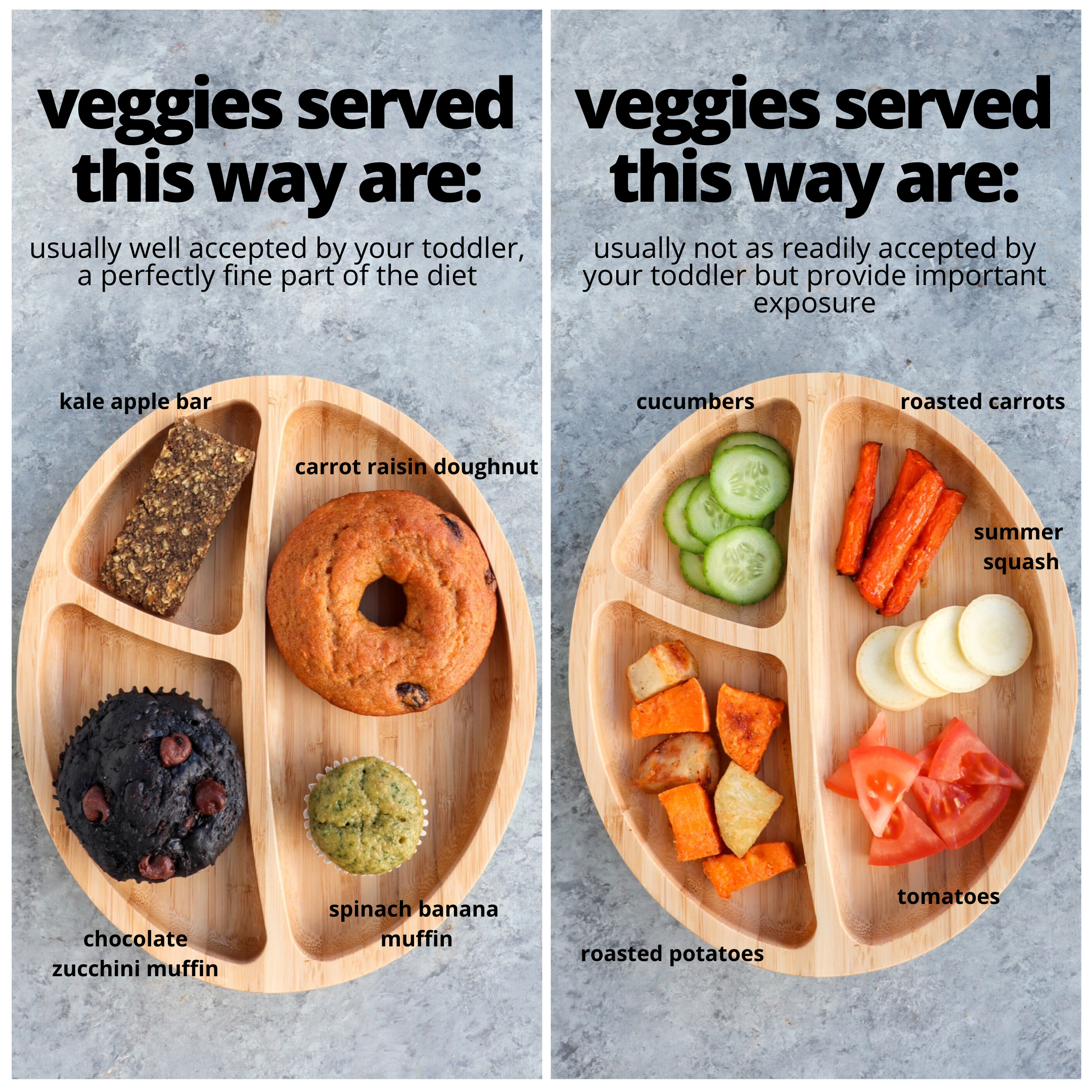
Keep offering vegetables, even if your child says no. It can take many tries (10-15 or even more!) for a child to accept a new food. Offer it in different ways. Try raw, cooked, roasted, or steamed. Do not pressure them. Just put it on the plate. Eventually, they might try a bite. This is key for getting toddlers to eat broccoli on its own.
Key Considerations for Veggie Hiding
Hiding veggies is a helpful trick. But remember a few things.
Keep it Balanced: Hiding vs. Exposure
Do not hide all vegetables. It is good to hide some. But also offer visible veggies. Let your child see and touch them. Talk about the colors and shapes. This helps them learn about food. The goal is to build healthy eating habits over time. Hiding is a bridge. It is not the final destination.
Don’t Give Up
Feeding toddlers can be hard. There will be good days and bad days. Some tricks work. Some do not. Keep trying. Celebrate small wins. Every bite of hidden veggie is a step forward.
Safety First
Always be careful with choking hazards. Even when hiding veggies, make sure textures are safe. Purees should be smooth. Grated veggies should be fine enough. Cook foods until they are soft. Never give hard, round foods like whole grapes or nuts to very young toddlers.
Conclusion
Feeding picky toddlers can be stressful. But with these picky eater veggie tricks, you can add more goodness to their meals. Blending, baking, smoothying, grating, and flavor pairing are powerful tools. They are all creative ways to hide veggies. These hidden vegetable toddler recipes help your child get the nutrients they need. Remember to also offer visible veggies. Teach your child about food. This makes mealtime less of a fight. It builds a healthy future for your child. Keep trying. You are doing a great job!
Frequently Asked Questions
Is it okay to hide vegetables in food?
Yes, it is perfectly fine to hide vegetables in food. It is a helpful way to ensure your child gets important nutrients. Many parents use this trick, especially when children are very picky eaters. It is a short-term strategy to bridge the gap until they accept visible vegetables.
What are the best vegetables to hide?
The best vegetables to hide are usually those with mild flavors and good blending or grating qualities. Good choices include:
* Carrots: Mild, sweet, orange.
* Butternut Squash: Sweet, mild, orange.
* Zucchini: Very mild, blends well.
* Cauliflower: Mild, adds creaminess, almost no taste.
* Spinach: Mild, blends well into dark foods or smoothies.
* Sweet Potato: Sweet, adds moisture.
Will my child ever eat whole vegetables?
Many children who are picky eaters do eventually eat whole vegetables. Hiding veggies can help them get used to the taste of certain foods. It also ensures they get nutrients. Continue to offer small amounts of visible vegetables without pressure. It can take many tries for a child to accept a new food. Keep a positive attitude at mealtime.
How much hidden vegetable is enough?
There is no exact “enough.” The goal is to add as many veggies as you can without changing the taste or texture too much. Start small. See how your child reacts. Then, you can slowly increase the amount. Even a little bit of hidden veggie every day adds up. It makes a big difference in their nutrition over time.