
Image Source: images.ctfassets.net
The Right Way: How To Clean Toddler Ears Effectively & Safely
What is the safest way to clean toddler ears? Can I remove earwax from my baby’s ears at home? What are the dangers of cotton swabs for toddlers? Who should I ask for advice about earwax in kids? The safest way to clean toddler ears is to focus only on the outer ear. Use a soft, damp cloth. You should not try to remove earwax from your baby’s inner ears at home. Cotton swabs are very dangerous for toddlers’ ears and should never be used. If you have concerns about earwax or your child’s ears, always ask a pediatrician for advice. This guide will show you how to keep your toddler’s ears clean and healthy in the right way.
Knowing Why Ear Cleaning Matters (And Why Less Is More)
Many parents wonder how to clean their child’s ears. It is a common question. But often, less is more when it comes to ear care. Your toddler’s ears usually clean themselves. Earwax, or cerumen, is a natural and good part of the ear. It traps dirt and dust. It stops germs. It also protects the delicate skin inside the ear.
The ear canal makes earwax. Tiny hairs, called cilia, move earwax out of the ear. They act like a tiny conveyor belt. So, most of the time, earwax simply falls out on its own. You do not need to do much. Pushing things into the ear can cause problems. It can push earwax deeper. It can hurt the eardrum. It can cause infections.
The Ear’s Own Cleaning Process
Think of earwax as a natural shield. It is sticky. It catches tiny bits of dust, dirt, and dead skin cells. This keeps them from going deeper into the ear. Earwax also has special parts that fight germs. This helps keep the ear healthy.
As your child talks, chews, or moves their jaw, earwax slowly moves out. It makes its way to the outer ear. Once it reaches the outer part, it dries up and flakes away. This is how the ear cleans itself. It works very well.
When Your Child Might Need Help
Most times, you should leave earwax alone. But sometimes, a child might have too much earwax. This can block the ear. It can make hearing hard. It can cause discomfort. This is when you might need to do something.
Also, if you see dirt or food on the outside of the ear, you should clean it. Good hygiene around the outer ear is still important. This helps prevent skin problems. It keeps the area clean and fresh. Remember, the goal is always safety first. Gentle care is the best care for your child’s delicate ears.
The Dangers of Incorrect Cleaning Methods
It is easy to make mistakes when cleaning ears. Some common methods are actually harmful. It is vital to know what not to do. This will protect your child’s hearing and overall ear health.
Why Cotton Swabs Are a No-Go
Many people use cotton swabs for ear cleaning. But these are very dangerous for toddlers’ ears. They are not safe. They should never go into the ear canal. This is a crucial piece of pediatrician advice ear wax kids often hear.
Here is why cotton swabs are a big risk:
- Pushing Earwax Deeper: Cotton swabs often push earwax further into the ear. This can make the wax get stuck. It can create a block. This block can lead to hearing problems. It can cause pain.
- Damaging the Eardrum: A child might move suddenly. You might push too hard. A cotton swab can easily poke and tear the eardrum. This can cause severe pain. It can lead to hearing loss. It often needs medical care.
- Irritation and Infection: The skin inside the ear canal is very thin and gentle. A cotton swab can scratch it. These tiny scratches can get infected. This causes more pain and discomfort. It needs doctor visits and medicine.
- Leaving Cotton Fibers: Sometimes, tiny pieces of cotton can break off. They can stay in the ear. This can cause irritation. It can also lead to infection.
Parents must grasp the dangers of cotton swabs toddlers face. They are truly not designed for ear cleaning. The packaging on most cotton swabs even says “Do not insert into ear canal.” This warning is there for a good reason.
Other Harmful Practices
Cotton swabs are not the only danger. Other methods can also hurt your child’s ears.
- Ear Candling: This involves putting a hollow candle in the ear. It is then lit at the other end. The idea is that it creates a vacuum. This vacuum supposedly pulls earwax out. This is a false belief. Ear candling is very dangerous. It does not work. It can cause burns. It can push wax deeper. It can put candle wax into the ear. This is not safe at all.
- Sharp Objects: Never use sharp items. Hairpins, keys, or toothpicks are not for ear cleaning. They can cause serious injury. They can cut the ear canal. They can puncture the eardrum. This can lead to permanent damage.
- Over-Cleaning: Even safe methods can be harmful if done too often. Over-cleaning can dry out the ear canal. It can take away the good protective earwax. This can make the ear more likely to get infections.
Learning these dangers is key. The best rule is to never put anything smaller than your elbow into your ear. This rule applies even more to toddlers. Their ears are extra sensitive and fragile.
Gentle and Safe Ear Care at Home
Keeping your toddler’s ears clean is simple. You just need to focus on the outer parts. This is the safest way to clean toddler ears. It is also the most effective. You do not need special tools or complex steps.
External Ear Cleaning: The Safest Approach
The outer ear is the part you can see. It includes the earlobe and the curves of the ear. This part collects dirt, sweat, and food bits. Cleaning this area regularly is good hygiene. It helps keep the skin healthy.
What you will need:
- A soft washcloth or a clean cotton ball.
- Warm water.
- A mild soap (optional, if the ear is very dirty).
- A soft towel for drying.
This approach is the gentle ear cleaning for babies and toddlers need. It protects their sensitive skin. It keeps them safe from harm.
Simple Tools You Can Use
You do not need many baby ear cleaning tools. In fact, fewer tools mean less risk.
- Soft Washcloth: This is your best friend for ear cleaning. It is gentle. It is easy to control.
- Cotton Balls: These can be good for wiping the outer curves. Make sure they are soft. Do not break them apart.
- Your Finger: Sometimes, just your finger wrapped in a washcloth is enough. It gives you good control.
What NOT to use (again):
- Cotton swabs
- Ear picks
- Any sharp objects
- Small toys or fingers (unless wrapped in cloth)
Remember, the ear canal is a “no-entry” zone for objects.
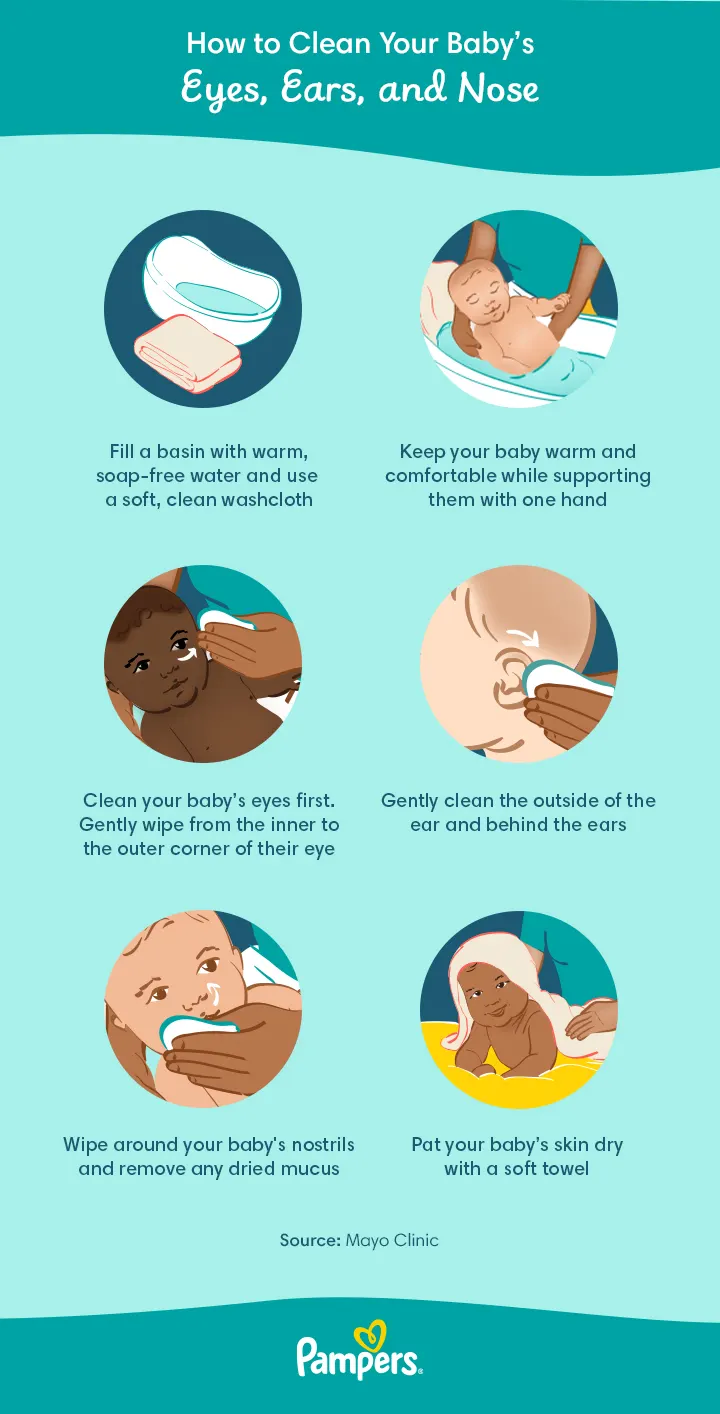
Step-by-Step Guide for External Cleaning
Here is a simple way to clean your toddler’s outer ears:
- Gather Supplies: Get your soft washcloth or cotton balls, warm water, and a towel ready.
- Warm the Cloth: Dip the washcloth in warm water. Wring it out well. It should be damp, not dripping wet. You can add a tiny bit of mild baby soap if needed, then rinse the cloth well again.
- Wipe the Outer Ear: Gently wipe the outside of your toddler’s ear. Clean behind the ear. Clean the folds and curves of the outer ear. Do not push the cloth into the ear canal. Just wipe what you can see.
- Remove Debris: If you see any loose earwax at the opening, you can gently wipe it away. Use the corner of the damp cloth. Do not dig or push.
- Dry Carefully: Use a soft, dry towel to gently pat the ear dry. Make sure there is no moisture left. Moisture can lead to skin irritation.
- Frequency: Clean your toddler’s outer ears a few times a week. You can do it during bath time. This is often enough.
| Item | Use for Cleaning | Safe for Ear Canal? | Notes |
|---|---|---|---|
| Soft Washcloth | Outer ear, behind ear | No | Damp, not dripping; best choice |
| Cotton Ball | Outer ear, curves | No | Use whole, do not break |
| Mild Baby Soap | If very dirty, rinse well | No | Use sparingly, rinse cloth thoroughly |
| Cotton Swabs | None | Absolutely Not | DANGEROUS, pushes wax, harms eardrum |
| Ear Picks | None | Absolutely Not | DANGEROUS, causes injury |
| Fingers (uncovered) | None | No | Can introduce germs |
This gentle care keeps your child’s ears clean and healthy without any risks.
When to Consider Internal Ear Wax Removal
Even with the ear’s natural cleaning, sometimes earwax builds up. This can happen to some toddlers. It is not always a sign of bad hygiene. It can be due to ear canal shape or how much wax the body makes. This is when you might need to think about toddler ear wax removal.
Recognizing Excessive Ear Wax
How do you know if your toddler has excessive ear wax in toddlers? Look for these signs:
- Hearing Changes: Your child might not respond when called. They might turn up the TV volume. They might seem to misunderstand words.
- Ear Pain or Discomfort: They might pull at their ear. They might complain their ear hurts. They might seem fussy or irritable.
- Fullness Sensation: They might say their ear feels “blocked” or “full.”
- Tinnitus: They might hear ringing or buzzing sounds. This is harder to spot in toddlers, but they might react to sounds not there.
- Discharge or Odor: Sometimes, earwax buildup can lead to infection. This can cause discharge or a bad smell.
- Visible Blockage: You might be able to see a large, dark plug of wax near the ear opening. Remember, only look, do not try to pull it out.
If you see these signs, it is time to act. But act safely.
Signs Your Toddler Might Need Help
When earwax causes problems, your child needs help. A large block of earwax can be very uncomfortable. It can affect their learning and playtime. It can also be a sign of how to remove earwax from baby ears if it is causing distress or hearing loss.
It is important not to ignore these signs. Even if it is just earwax, it can impact your child’s day-to-day life. Untreated earwax can also sometimes lead to other issues, like infections, if it traps water.
Over-the-Counter Ear Drops
Sometimes, ear drops for children can help soften earwax. This allows it to come out naturally. These drops are usually found in pharmacies. They often contain mineral oil, baby oil, glycerin, or hydrogen peroxide.
How to Use Them Safely:
- Check with Your Doctor First: Always talk to your pediatrician before using ear drops. This is very important. They can tell you if drops are safe for your child. They can also check if there is an infection. Drops can be harmful if the eardrum has a hole.
- Read Instructions Carefully: Follow the package directions exactly.
- Warm the Drops: Hold the bottle in your hand for a few minutes. This makes the drops body temperature. Cold drops can cause dizziness.
- Position Your Child: Have your child lie on their side. The affected ear should face up.
- Apply Drops: Gently pull the outer ear up and back. This helps open the canal. Put the right number of drops into the ear. Do not touch the ear with the dropper tip.
- Stay Still: Keep your child in this position for a few minutes. This allows the drops to soak in.
- Wipe Excess: Wipe away any drops that leak out. Do not put a cotton ball or tissue into the ear canal.
- Repeat as Directed: Use the drops for the number of days the doctor or package says.
When to Avoid Them:
- Ear Pain: If your child has ear pain, do not use drops without a doctor’s check. Pain can mean an infection or a hole in the eardrum. Drops can make these worse.
- Ear Discharge: If fluid is coming from the ear, do not use drops. This also suggests an infection or a hole.
- Tubes in Ears: If your child has ear tubes, do not use drops unless the doctor says it is okay.
Using ear drops is a form of toddler ear wax removal. But it must be done with great care and doctor approval.
Professional Help for Ear Wax
Sometimes, earwax buildup is too much for home care. Or, it might be causing problems that need a doctor’s eye. Knowing when to get professional help is key for your child’s ear health. This ties into pediatrician advice ear wax kids need.
When to See a Doctor
You should take your child to the pediatrician if:
- Home treatments do not work: You tried softening drops, but the wax is still there.
- Symptoms get worse: Your child’s hearing is still bad, or they have more pain.
- Signs of Infection: There is discharge, a bad smell, fever, or increased pain. (More on this later).
- Concerns about hearing: You worry that wax is affecting your child’s hearing or development.
- You cannot see the ear drum: The earwax is completely blocking the view.
- Your child has ear tubes or a hole in the eardrum: These cases always need a doctor’s care for earwax.
Do not try to remove stubborn earwax yourself. This can cause more harm than good. A doctor has the right tools and training.
Professional Wax Removal Methods
If needed, your pediatrician can remove earwax safely. They have different methods:
- Ear Drops (Prescription Strength): Sometimes, a doctor will give stronger ear drops than you can buy. These work better to break down very hard wax.
- Ear Syringing or Irrigation: The doctor uses a special syringe. It gently washes out the ear canal with warm water or saline. This is different from doing it at home. Doctors have better control and can see inside. They use a special scope called an otoscope. They can stop if there is any problem.
- Manual Removal (Curette or Suction): For very hard or large pieces of wax, the doctor might use small tools. These tools are called curettes or forceps. They can also use a small suction device. This is done with a special microscope or otoscope. This lets them see very clearly. This is a skilled procedure. Only a trained medical professional should do it.
These methods for how to remove earwax from baby ears or toddlers are safe when done by a doctor. They reduce the risk of injury. They ensure the ear is fully cleared.
| Method | Description | Performed By | Safety Note |
|---|---|---|---|
| Prescription Drops | Stronger drops to dissolve wax | Parent (with doctor’s OK) | Doctor must okay use, checks eardrum first |
| Irrigation | Gentle washing with warm water/saline | Doctor | Done with visual guidance |
| Manual Removal | Using tiny tools (curette, forceps, suction) | Doctor | Done with microscope or otoscope for clear view |
Spotting Ear Infections
Sometimes, ear problems are not just about earwax. They can be ear infections. It is important to know the signs of ear infection toddlers show. An ear infection needs medical care. It is a common problem in young children.
Signs to Look For
Ear infections, or otitis media, happen when germs get into the middle ear. This area is behind the eardrum. It often happens after a cold or flu.
Watch for these common signs:
- Ear Pulling or Tugging: This is a very common sign in babies and toddlers. They pull at their ear because it hurts.
- Fever: Your child might have a high temperature.
- Irritability and Crying: They might be unusually fussy. They may cry a lot.
- Difficulty Sleeping: Lying down can make ear pain worse. Your child might have trouble sleeping.
- Loss of Appetite: Eating and drinking can be painful because of chewing and swallowing.
- Drainage from the Ear: Yellow, white, or bloody fluid might come from the ear. This is a clear sign of infection. It might mean the eardrum has a hole.
- Bad Smell from the Ear: An unusual odor can mean infection.
- Balance Problems: If the infection is severe, they might be clumsy or have trouble walking.
- Hearing Problems: Sounds might seem muffled. They might not respond as usual. This can also be a sign of fluid buildup behind the eardrum.
- Vomiting or Diarrhea: Some young children show these signs with ear infections.
These signs can be subtle in very young children. Always trust your gut if something feels wrong.
When to Seek Medical Attention for Infections
If you notice any of the signs of ear infection toddlers display, call your pediatrician right away. Ear infections need quick medical attention.
Why is it important to see a doctor?
- Pain Relief: A doctor can give medicine to help with pain.
- Treatment: Antibiotics might be needed to clear the infection. Only a doctor can say if antibiotics are needed.
- Preventing Complications: Untreated ear infections can lead to more serious problems. These include:
- Hearing Loss: Repeated infections or fluid buildup can cause temporary or even permanent hearing loss.
- Spread of Infection: Rarely, infection can spread to other parts of the head. This can be serious.
- Eardrum Damage: Severe infections can rupture the eardrum.
Your doctor will look into your child’s ear with an otoscope. They will check the eardrum. They will decide the best treatment. Never try to treat an ear infection at home without medical advice.
Preventing Ear Issues
Good habits can help prevent many ear problems. This includes proper ear cleaning and general health care.
Best Practices for Ear Health
- Gentle Cleaning Only: Stick to external cleaning only. Use a damp cloth to wipe the outer ear. This is the safest way to clean toddler ears.
- Avoid Cotton Swabs: Remind yourself and others in the household. These are a major source of ear injury and impacted wax.
- Dry Ears After Bathing: Gently pat the outer ear dry after baths or swimming. Water left in the ear can lead to “swimmer’s ear” (an outer ear infection). You can use a towel to gently dry the ear opening.
- Manage Allergies and Colds: Colds and allergies can cause ear infections. If your child has frequent colds, talk to your doctor.
- Breastfeeding: For infants, breastfeeding can help reduce ear infection risk.
- Avoid Smoke: Exposure to secondhand smoke greatly increases the risk of ear infections in children. Keep your home smoke-free.
- Limit Pacifier Use: Some studies suggest that frequent pacifier use, especially past age 6 months, might slightly increase ear infection risk.
- Proper Bottle Feeding: If bottle-feeding, hold your baby slightly upright. Do not let them drink from a bottle while lying flat. This can cause liquid to flow into the Eustachian tubes, leading to infection.
Regular Check-Ups
Regular check-ups with your pediatrician are important. Your doctor will look at your child’s ears during these visits. This allows them to spot problems early. They can see excessive ear wax in toddlers. They can check for signs of infection or fluid. This regular check-up is part of good pediatrician advice ear wax kids can benefit from. It is a proactive way to keep your child’s ears healthy.
Frequently Asked Questions (FAQ)
Q1: How often should I clean my toddler’s ears?
A1: You should clean the outer ear and behind the ear a few times a week, or as needed, with a soft, damp cloth. The inner ear usually cleans itself and does not need cleaning from you.
Q2: My toddler has a lot of visible earwax. Is this normal?
A2: Some children naturally make more earwax than others. If it is only at the opening and not causing problems, it is usually normal. If it is blocking the ear or causing pain or hearing issues, talk to your pediatrician.
Q3: Can olive oil help with earwax removal?
A3: Warm olive oil can sometimes help soften earwax. You can use a few drops. But always talk to your pediatrician before using any drops or oils in your child’s ear. This is especially true if you suspect an infection or a hole in the eardrum.
Q4: What if my toddler cries or resists when I try to clean their ears?
A4: Try to make it a positive experience. Do it during bath time when they are relaxed. Use gentle movements. If they resist too much, stop. Do not force it. You can try again later or focus only on what they allow. If they are in pain, see a doctor.
Q5: My toddler has tubes in their ears. How do I clean them?
A5: If your child has ear tubes, you must follow your ENT specialist’s specific instructions for ear care. Generally, you should avoid getting water into the ears without earplugs, and never put anything into the ear canal. For earwax, always consult the specialist.
Q6: Can a child’s ear infection clear up on its own?
A6: Some ear infections, especially mild ones, can clear up on their own. However, it is always best to see a doctor for a diagnosis. A doctor can decide if antibiotics are needed or if it is safe to just watch and wait. Pain relief is also important.
Conclusion
Cleaning your toddler’s ears safely means doing very little. The ears clean themselves. You should only clean the outer ear with a soft, damp cloth. Never put anything into the ear canal. Cotton swabs are very dangerous. If you see signs of excessive earwax, hearing problems, or infection, always talk to your pediatrician. They can give the best advice and safe care. By following these simple rules, you can keep your child’s ears healthy and safe for many years to come.