
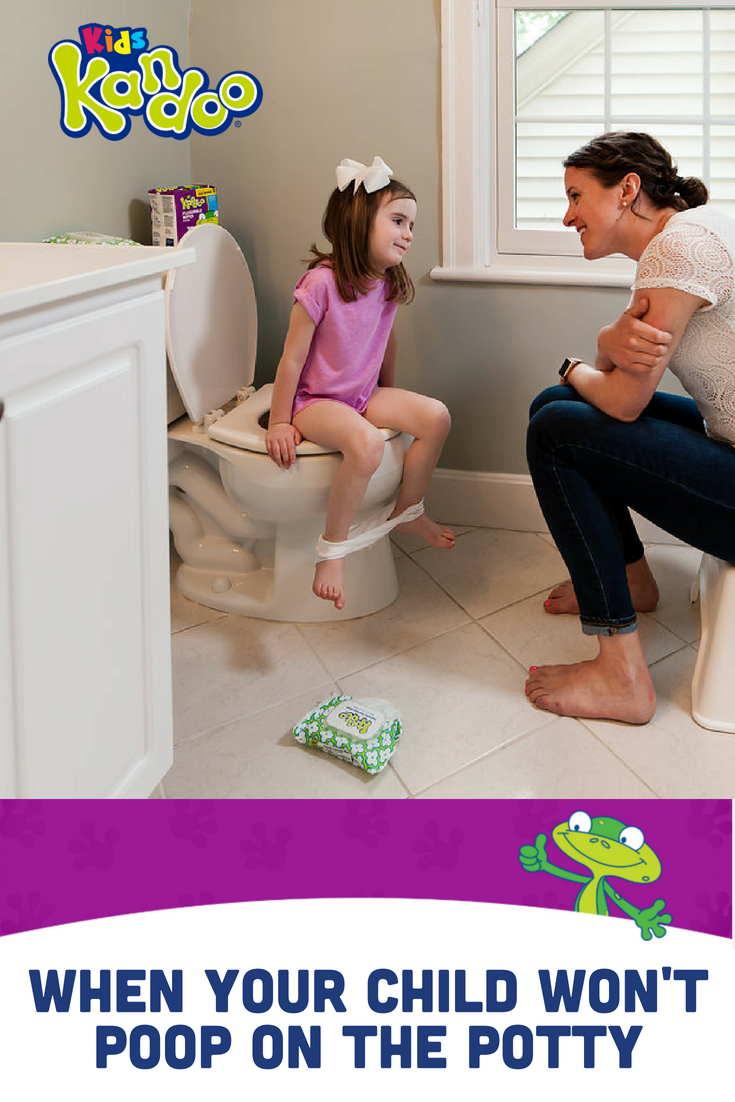
Image Source: kandookids.com
The Ultimate Guide: How To Get Toddler To Poop On Potty
Getting a toddler to poop on the potty can be a big challenge. Many parents wonder why their child can pee on the potty but struggles with poop. This is a common issue for many families. Pooping on the potty is often harder than peeing. This guide will help you understand why this happens. It will give you clear steps and gentle tips to help your little one. We will cover common issues like toddler poop refusal and constipation in potty training. You will learn potty training strategies for bowel movements and how to help your child struggling to poop on potty. We will also look at dietary solutions for toddler constipation. You can help your child feel good about pooping on the potty.
Why Poop Is Harder Than Pee for Toddlers
Many parents find that pee training goes smoothly. Poop training can be a different story. It often brings more stress. This is very normal. There are a few good reasons why pooping on the potty is tougher for kids.
What Makes Pooping Tricky?
- Bigger Change: Pee is small. It often comes out fast. Poop is bigger. It takes more work. It can feel strange to push it out in a new place.
- Feeling of Loss: For a small child, letting go of poop feels like losing a part of them. This sounds odd to adults. But to a toddler, it can be a real feeling. They have always just let it go in a diaper. Now they need to push it out. It needs to go into a hole. This is a big change.
- Control is Key: Toddlers love to be in charge. They want to decide things. Pooping is one thing they can control. They might hold it in. This is called withholding poop toddlers. They do this because they can. It gives them power.
- Fear of the Toilet: The toilet can look scary. It is big. It makes a loud flush sound. It has a big hole. Some kids worry about falling in. Some worry about the flush. This is a real fear of pooping toilet. They might think the poop will fall away forever. Or they might think they will fall too.
- Painful Past: If a child had a hard poop or constipation before, they might be scared to go again. They remember it hurting. So they hold it in. This makes the next poop even harder. It becomes a bad cycle. This is a big reason for potty training poop problems.
- Privacy: Pooping is a private act. Kids are used to doing it in a diaper. They might hide to poop. The potty is often out in the open. They might not feel safe or private enough there.
These feelings are big for a small child. They are learning so much. We need to be patient. We need to be kind. We must remember that it is not about being naughty. It is about big feelings and new fears.
Spotting the Signs: Is Your Toddler Ready?
Starting potty training too soon can make poop issues worse. It is best to wait until your child shows signs of being ready. This makes the process much smoother. It lowers stress for everyone.
Readiness Checkpoints
Look for these signs. They tell you your child is ready to learn.
- Physical Readiness:
- Can they stay dry for longer? They might have dry diapers for 2 hours or more. They might wake up dry from naps.
- Can they walk and sit well? They need to get on and off the potty by themselves.
- Do they have regular, soft bowel movements? This is very important. If they are constipated, fix that first.
- Cognitive Readiness:
- Do they know when they are peeing or pooping? They might tell you. Or they might hide. They show awareness.
- Can they follow simple directions? Like “Go to the bathroom” or “Pull down your pants.”
- Do they show interest in the potty? They might ask about it. They might watch you use the toilet.
- Emotional Readiness:
- Do they want to please you? They like to do things you ask.
- Do they tell you they have a wet or dirty diaper? They show they know.
- Do they show signs of independence? They want to do things on their own.
If your child shows most of these signs, they are likely ready. If not, wait a bit longer. There is no rush. Every child learns at their own pace. Starting when they are truly ready helps avoid problems. This includes potty training poop problems.
Setting Up for Success: Your Poop Potty Plan
A good plan makes things easier. When you are ready to start, think about what you will use. Think about when you will try.
Picking the Right Gear
The right potty gear can make a big difference. Your child needs to feel safe and comfy.
- Potty Chair:
- Pros: It is small. It is low to the ground. Kids can get on and off easily. Their feet can touch the floor. This helps with pushing. It feels less scary than a big toilet.
- Cons: You have to clean it out. Some kids do not like that.
- Toilet Seat Insert:
- Pros: It fits on your big toilet. You do not need to clean a separate pot. It helps kids feel more secure on the big toilet.
- Cons: Kids might need a stool to get on and off. Their feet might dangle. This is not good for pooping.
Important Tip: No matter what you choose, make sure your child’s feet are flat. They need good foot support. This helps them push out poop. A small step stool is key for big toilets. It helps them feel stable. It puts their body in the right position.
Creating a Poop Routine
Kids thrive on routines. A regular potty time helps them learn what to expect.
- Timing is Everything: Pay attention to when your child usually poops. Many kids poop after waking up. Many poop after a meal. Try to have them sit on the potty at these times.
- Short and Sweet: Do not make them sit for too long. 5-10 minutes is enough. If nothing happens, that is okay. They can try again later.
- Make it Calm: The bathroom should be a calm place. Do not rush them. Do not make them feel bad if they do not go.
- Consistent Practice: Try to do this every day. Even if it is just for a few minutes. Regular sitting helps their body learn.
Talking About Poop
How you talk about poop matters. Make it a normal, natural thing.
- Use Simple Words: Use words like “poop” or “poo” or “bm.” Do not use bad words for it. Do not make it seem dirty or gross.
- Read Books: There are many good children’s books about potty training. They show kids pooping on the potty. This helps kids see it as normal. It can ease fear of pooping toilet.
- Positive Talk: Say things like, “Your body needs to get rid of that poop!” Or, “Poop keeps your tummy healthy!”
- Show and Tell (Optional): Some parents show their own toilet habits. This can help normalize it. But only if you and your child are comfortable.
By setting up a calm, planned routine, you create a good space for success.
Navigating Potty Training Poop Problems
Even with a good plan, problems can pop up. Potty training poop problems are very common. Knowing how to handle them helps a lot.
Addressing Poop Withholding
Withholding poop toddlers is when a child tries to hold in their poop. They might do this for a few reasons. They might be scared of the potty. They might be scared it will hurt. Or they just want control.
- Signs of Withholding:
- Crossing legs.
- Rocking back and forth.
- Hiding to poop.
- Straining, but not letting it out.
- Becoming very fussy.
- How to Help:
- No Pressure: Do not push them. Do not make them feel bad. This makes them hold it even more.
- Make Poop Soft: Focus on diet first. Soft poop is easier to pass. We will talk about this more later.
- Take a Break: If they are holding it due to fear, take a break from potty training. Let them wear diapers again. Let them poop in their diaper if they need to. The goal is to get the poop out. This stops constipation.
- Reward Success: If they poop, even in a diaper, praise them. Say, “Good job letting your poop out!”
Dealing with Fear
Fear of pooping toilet is a big hurdle. The toilet can seem loud and strange.
- Make it Less Scary:
- Let them decorate the potty. Use stickers. Make it their own.
- Keep the lid down when not in use. This makes the hole less visible.
- Do not flush when they are sitting there. Flush after they leave the room. Or let them flush if they want to.
- Put a picture of a friendly character on the wall.
- Read books about friendly toilets.
- Talk About it: Ask them what scares them. “Is it the loud flush?” “Do you worry about falling?” Listen to their worries. Do not laugh at them.
- Small Steps:
- First, just sit on the potty fully dressed.
- Then, sit with pants down.
- Then, just try to pee.
- Slowly, try to poop.
When Constipation Hits
Constipation in potty training is a very common problem. It is often linked to poop withholding. Hard, painful poops make kids scared to go. This makes them hold it more. It leads to a bad cycle.
- Signs of Constipation:
- Pooping less often than normal. Less than 3 times a week.
- Poops are hard, dry, or look like small pebbles.
- Pain or crying when pooping.
- Stomach pain.
- Small amounts of liquid poop in their pants. This is liquid going around a blockage.
- How to Help:
- Dietary Solutions: This is the first and best step. More fiber and more water. We will detail this soon.
- Regular Movement: Encourage active play. Moving helps bowels move.
- Talk to Your Doctor: If diet changes do not work, see your doctor. They might suggest a stool softener. This makes poop soft and easy to pass. It is not a laxative. It is safe for kids. This can break the cycle of fear and pain.
Do not ignore constipation. It makes potty training nearly impossible. It can lead to long-term issues. Fixing constipation is key to getting a child struggling to poop on potty to succeed.
Smart Potty Training Strategies for Bowel Movements
Once you have set the stage and addressed any problems, it is time for active strategies. These potty training strategies for bowel movements help encourage your child.
Making Potty Time Fun
Boring or stressful potty times do not help. Make it light and engaging.
- Potty Books: Keep fun books near the potty. Let them look at the pictures while they sit.
- Potty Songs: Sing a short, silly song. Or play some calming music.
- Short Play: Let them play with a small toy while sitting. A car or a doll.
- No Screens: Avoid screens on the potty. It can make them distracted. They might not pay attention to their body’s signals.
Rewards That Work
Rewards can be a great tool. But use them wisely.
- Small Rewards: Do not give big gifts. Small things work best. A sticker, a stamp on their hand, or a small treat.
- Immediate Praise: As soon as they poop on the potty, give lots of praise. “Wow! You did it! Great job pooping on the potty!”
- Reward Chart: A sticker chart can be fun. One sticker for a poop. When they get a certain number, they get a small prize.
- Focus on Effort, Not Just Success: Praise them for sitting on the potty. “You did a good job trying!” This teaches them to keep trying.
- Avoid Over-Rewarding: The goal is for them to feel good about doing it. Not just for the reward.
“Poop Power” Positions
The way a child sits on the potty truly matters for pooping. It makes it easier to push.
- Squatting Position: This is the most natural way to poop. It opens up the bowels.
- If using a potty chair: Their feet should be flat on the floor. Their knees should be a little higher than their hips.
- If using a toilet insert: Use a sturdy step stool. Make sure their feet are flat on the stool. Their knees should be higher than their hips. You can even get a small stool that wraps around the toilet base, like a “Squatty Potty” for kids.
- Leaning Forward: Encourage them to lean forward a bit. Put their elbows on their knees. This also helps.
Make sure they are comfy. If they are not comfy, they will not relax enough to poop.
The “Just Sit” Approach
Sometimes, the best thing to do is take the pressure off.
- Regular Sitting Times: Have them sit on the potty for 5-10 minutes. Do this 2-3 times a day. After meals is often a good time.
- No Expectation to Poop: Tell them, “It’s just time to sit on the potty.” Do not say, “You need to poop now.”
- Keep it Casual: If they do not go, that is fine. Say, “No worries, maybe next time!”
- Consistency: The more they sit, the more likely they are to get used to it. Their body might relax and let go.
This approach is good for child struggling to poop on potty. It builds routine without stress.
From Diaper to Potty
Many kids poop in a diaper but not on the potty. This is a common part of potty training poop problems.
- Diaper On, On the Potty: Some parents let their child wear a diaper. Then they have the child sit on the potty with the diaper on. The child can still poop in the diaper. But they are sitting on the potty. This links the feeling of pooping with the potty. Once they are okay with this, cut a small hole in the diaper. The poop might fall into the potty. Then slowly reduce the diaper.
- The “Dirty Diaper Transfer”: If they poop in their diaper, take the dirty diaper to the potty. Empty the poop into the potty. Let your child flush it. This shows them where poop goes. It helps with encouraging toilet use for poop.
- Offer the Potty First: If you see them about to poop (hiding, grunting, etc.), quickly ask, “Do you want to try the potty?” Do not force it. Just offer.
- Be Patient with Accidents: Accidents will happen. Do not get upset. Simply clean it up. Say, “Poop goes in the potty next time.”
- Tips for Toddler Potty Training Poop:
- Praise all efforts.
- Keep food soft.
- Stay calm.
- Remember it is a process.
Dietary Solutions for Smoother Bowel Movements
Diet plays a huge role in how easy it is for a child to poop. Dietary solutions for toddler constipation are often the first line of defense. Soft poop is happy poop!
Fiber-Rich Foods
Fiber adds bulk to poop. It makes it soft and easy to pass. Aim for a good amount of fiber each day.
Here is a table of fiber-rich foods that toddlers often like:
| Food Group | Food Item | How to Serve (Toddler-Friendly) | Fiber Content Tip |
|---|---|---|---|
| Fruits | Pears, apples, berries | Sliced with skin, cut into small pieces, pureed | High in skin! |
| Prunes, apricots, figs | Cut small, prunes are very helpful for poop | Natural laxative | |
| Peaches, plums | Fresh or canned in juice (not syrup) | Good fiber source | |
| Vegetables | Peas, broccoli, sweet potatoes | Steamed, mashed, roasted soft, small florets | Steam until soft |
| Carrots, spinach | Cooked and mashed, or finely chopped | Great for vitamins | |
| Grains | Whole-wheat bread, oats | Toast, oatmeal, whole-grain pasta, brown rice | Check labels for “whole grain” |
| Legumes | Beans (black, pinto), lentils | Mashed into dips (hummus), added to soups, soft cooked | Good for protein too |
- Start Slow: Do not add too much fiber too fast. This can cause gas or tummy aches. Add a little more each day.
- Offer Often: Include fiber at every meal.
Hydration is Key
Water makes fiber work. Fiber without enough water can actually make constipation worse.
- Water, Water, Water: Offer water often throughout the day. Keep a water bottle handy.
- Juices (in moderation):
- Prune juice: This is very helpful for constipation. Start with a small amount (1-2 ounces). You can mix it with water.
- Apple juice: Can also help.
- Pear juice: Another good choice.
- Avoid sugary drinks: Limit soda and very sweet juices. They do not help.
- Soups and Broths: These add liquid to the diet.
Foods to Limit
Some foods can make constipation worse for some kids.
- Excess Dairy: Too much milk or cheese can sometimes cause constipation in sensitive kids. This does not mean cut it out completely. Just watch the amounts.
- Processed Foods: White bread, white rice, fast food, and many snack foods are low in fiber. They can slow down digestion.
- Too Much Meat: While protein is good, too much meat without enough fiber can lead to constipation.
Always talk to your child’s doctor or a dietitian before making big diet changes.
When to Seek Expert Help
Most potty training poop problems can be solved at home with patience and diet changes. But sometimes, you need more help.
Signs It’s More Than Potty Training
- Chronic Constipation: Your child is constipated often. They go days without pooping. Their poops are always hard and painful. This is not just a potty training issue. It is a medical issue.
- Painful Pooping: Your child cries or screams every time they try to poop. They hold it for a very long time to avoid pain.
- Soiling (Encopresis): Liquid poop smears in their pants. This happens when hard poop is stuck in the rectum. Liquid poop leaks around it. This means they are severely constipated. It needs medical help.
- Blood in Stool: If you see blood, call your doctor right away.
- Fever or Vomiting with Constipation: These are signs of a more serious issue.
- Behavioral Issues: If constipation is causing severe behavior problems. If it is affecting their daily life a lot.
Who to Call:
* Your Pediatrician: They are the best first stop. They can check for medical issues. They can suggest stool softeners. They can refer you to a specialist if needed.
* Pediatric Gastroenterologist: This is a doctor who specializes in kids’ digestive systems. They can help with severe or long-term constipation.
Do not feel bad about asking for help. It means you are a good parent who cares. Early help can prevent bigger problems later.
Patience and Positivity: Your Best Tools
Potty training, especially for poop, is a marathon, not a sprint. Your attitude makes a huge difference.
Celebrating Small Wins
Every step forward is a win.
* Praise for sitting: “Great job sitting on the potty!”
* Praise for trying: “You tried so hard to push!”
* Praise for awareness: “You told me you had to go! That’s wonderful!”
* Praise for accidents: If they have an accident but tell you, praise them for telling you.
* Big cheer for success: When they poop on the potty, make it a big deal! Happy claps, big smiles, a little song.
Avoiding Pressure
Pressure makes kids hold poop in more. They will dig their heels in.
* No Punishment: Never punish for accidents. Never scold. This creates fear.
* No Forcing: Do not force them to sit on the potty. Do not hold them there.
* Be Patient: It can take weeks or months for poop training. Some kids take longer.
* No Comparisons: Do not compare your child to other kids. Every child is different.
Staying Calm
Your child feels your stress. If you are tense about poop, they will be too.
* Deep Breaths: When you feel frustrated, take a deep breath.
* Take a Break: If you or your child are stressed, step away. Try again later.
* Remember the Goal: The goal is for your child to poop happily on the potty. It is not a race. It is about a healthy, happy child.
Remember, you are teaching a life skill. It takes time. It takes effort. But with a gentle, patient approach, you can help your child master pooping on the potty. You are doing a great job!
Frequently Asked Questions (FAQ)
Q: My toddler only poops in their diaper. What do I do?
A: This is common. First, make sure their poop is soft. Then, try having them sit on the potty while wearing a diaper. This links the potty with pooping. Once they are okay with this, cut a small hole in the diaper. The poop might fall into the potty. Then, slowly try without the diaper. You can also empty any dirty diaper poop into the potty. Let them flush it. This shows them where poop goes.
Q: How long does it take for toddlers to poop on the potty?
A: There is no set time. Some kids learn in a few days. Others take weeks or months. It depends on the child. It depends on any problems like constipation or fear. Be patient. Focus on small steps. Do not set a deadline.
Q: Should I punish my child for accidents?
A: No, never punish for accidents. Punishment makes children scared. They might hide accidents. They might hold their poop in. This makes the problem worse. Instead, stay calm. Clean it up. Say, “Poop goes in the potty next time.” Focus on praise when they try or succeed.
Q: My child holds poop for days. Is this normal?
A: Holding poop for days is not normal or healthy. It can cause serious constipation. It often means your child is scared or has control issues. Address this right away. Focus on making poop soft with diet changes. Offer very gentle encouragement. Do not pressure them. If it keeps happening, talk to your pediatrician. They might suggest a stool softener to help break the cycle.