
Can you help your toddler speak sooner and faster? Yes, you can! How to promote verbal skills in young children? Many simple steps at home can make a big difference. You can make toddler language development fun. Helping your child talk more is a journey. It is full of little wins. Every sound, every word, and every tiny sentence is a step forward. Let’s look at easy ways to help your child find their voice.
Image Source: lookaside.fbsbx.com
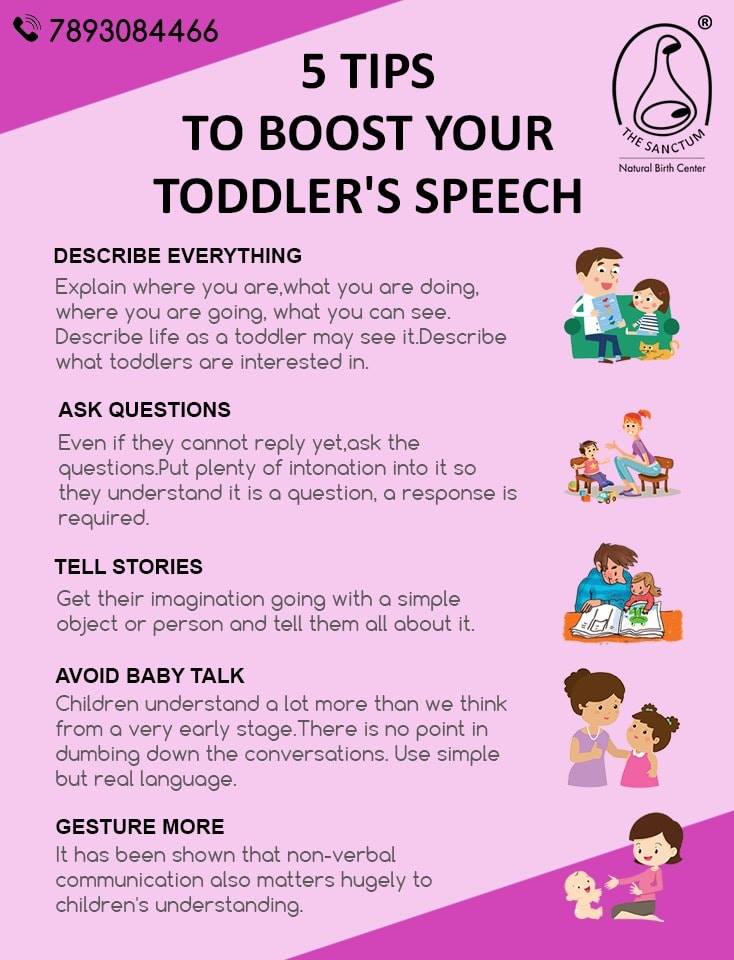
Grasping Early Milestones
Grasping how toddlers learn to talk is key. Kids do not just wake up and speak. They learn little by little. First, they make sounds. Then, they babble. Next come single words. After that, two-word phrases. Each child moves at their own pace. But there are general guides.
What is normal toddler language development?
* Around 12 months: They may say their first true words. These often include “mama” or “dada.” They might point to things they want. They can follow simple directions. For example, “Give me the ball.”
* Around 18 months: Many toddlers know 10 to 20 words. They try to copy words you say. They point to body parts. They can follow two-step directions. Like, “Get your shoes and put them on.”
* Around 24 months: They often use 50 words or more. They start putting two words together. Things like “More juice” or “Go car.” They can point to many pictures in a book. They ask simple questions. Like “What’s that?” or “Where ball?”
Remember, these are just guides. Your child might do things a bit sooner or a bit later. That is normal. What is most important is that they keep learning new things. They should keep trying to talk.
Deciphering How Toddlers Learn
How do tiny humans learn such a big skill as talking? It is a complex process. But you can simplify it.
* Hearing Words: Kids learn by hearing words. They hear you talk. They hear others talk. They hear words linked to things.
* Seeing Actions: They see you point. They see you use your hands. They link words to actions.
* Joining In: They try to copy sounds. They try to copy words. They learn by trying.
* Getting Responses: When they make a sound, you react. You smile. You talk back. This teaches them their sounds matter. This makes them want to talk more.
Everyday moments are teaching moments. A simple walk, mealtime, or bath time can be full of talk.
Playful Ways to Talk More
Activities to encourage talking can be super fun. Play is a child’s main job. Use playtime to help them talk.
* Talking During Play:
* Describe what you are doing. “I am building a tall tower.”
* Describe what they are doing. “You are rolling the blue car.”
* Make sounds for toys. “The cow says moo!” “The car goes vroom!”
* Ask simple questions. “Where is the bear?” “What color is this?”
* Wait for their answer. Give them time.
* Bubbles Fun:
* Blow bubbles. Say “bubbles!”
* Pop them. Say “pop!”
* Wait for your child to ask for more. They might say “more” or just point.
* You can say, “More bubbles?” before blowing more.
* Toy Animal Sounds:
* Get toy animals.
* Make animal sounds. “The dog says woof!”
* Ask, “What does the cow say?”
* Encourage them to make the sounds.
* Ball Play:
* Roll a ball. Say “roll!”
* Give them the ball. Say “my turn!” or “your turn!”
* Ask them to throw or roll. “Throw the ball!”
* This teaches words like “roll,” “throw,” “catch,” “ball.”
* Playing with Blocks:
* Build a tower. Say “up, up, up!”
* Knock it down. Say “crash!” or “down!”
* Ask, “More blocks?” or “Build big tower?”
* This teaches words like “up,” “down,” “big,” “little,” “more.”
These activities to encourage talking are simple. They fit into any day. The key is to talk, talk, talk.
Book Time Fun
Reading books is one of the best ways to help building toddler vocabulary.
* Point and Name:
* As you read, point to pictures. Name them clearly. “Look! A dog!”
* Use simple words.
* Even if your child cannot say the word, they hear it. They link the word to the picture.
* Ask Simple Questions:
* “Where is the cat?”
* “What color is this apple?”
* “What sound does the duck make?”
* Make it Fun:
* Use different voices for characters.
* Make sounds.
* Let your child turn the pages.
* Let them choose the book.
* Read the same books over and over. Kids love repetition. It helps them learn.
* Talk About the Story:
* “The bear is sleepy.”
* “The bunny is hopping.”
* Link the story to real life. “Remember our dog? Just like the dog in the book!”
Reading daily helps your child hear many new words. It shows them how words make stories. This builds their communication skills in young children.
Music for Tiny Voices
Songs are like magic for toddler language development.
* Sing Simple Songs:
* “Twinkle, Twinkle Little Star”
* “The Wheels on the Bus”
* “Old MacDonald Had a Farm”
* These songs have easy words and actions.
* Add Actions:
* Do the hand motions for “Itsy Bitsy Spider.”
* Wiggle fingers for “Twinkle, Twinkle.”
* Actions help link words to meaning.
* Fill in the Blanks:
* Sing a familiar song. Stop before a key word.
* “The wheels on the bus go all around the…” (wait for them to say “town”).
* Even if they do not say the word, they might point. Or they might make a sound.
* Make Up Songs:
* Sing about your day. “Time to eat our yummy food, yummy food.”
* Sing about bath time. “Splish, splash, bath time fun!”
* This links words to daily events.
Singing is a joyful way to learn words. It helps with rhythm and listening too.
Chatting Through the Day
Everyday moments are goldmines for talk. This is part of good parenting strategies for speech.
* Mealtime Talk:
* “Do you want more milk?”
* “This carrot is crunchy.”
* “Are you full?”
* Name the foods. “Apple,” “Banana,” “Toast.”
* Describe the taste. “Sweet,” “Yummy,” “Sour.”
* Bath Time Talk:
* “Let’s wash your hair.”
* “Splash, splash!”
* “Where is your ducky?”
* Name body parts. “Nose,” “Toes,” “Hands.”
* Getting Dressed Talk:
* “Put on your blue socks.”
* “Your shirt is soft.”
* “Arms in, legs in.”
* Name clothes. “Pants,” “Shirt,” “Shoes.”
* Name colors. “Red,” “Green,” “Yellow.”
* Walk Time Talk:
* “Look! A big dog!”
* “The car goes fast.”
* “We are walking on the sidewalk.”
* Point out objects. “Tree,” “Bird,” “Cloud.”
* Describe what you see. “Big,” “Small,” “Loud.”
Talking about what you are doing helps your child link words to real life. It promotes verbal skills in a natural way.
Hand Signs for Words
Some kids learn words better with help from gestures. This is part of communication skills in young children.
* Using Gestures:
* Wave bye-bye. Say “bye-bye.”
* Shake your head no. Say “no.”
* Nod your head yes. Say “yes.”
* Give a high-five. Say “high-five.”
* You can also teach simple signs. Like “more” (tap fingertips together). Or “all done” (hands up, palms out).
* Why Gestures Help:
* They give another way to share meaning.
* They can ease the pressure of saying words.
* They help kids communicate even if they cannot speak words yet.
* This can lead to more words later.
Using gestures along with words is a strong parenting strategy for speech.
Smart Ways Parents Help
Good parenting strategies for speech make a big difference. These are simple habits you can build.
Speaking Clearly
Your child learns from you. So, speak clearly.
* Use Simple Words: Do not use big, long words. Use short, easy words.
* Speak Slowly: Do not rush your words. Say them at a gentle pace.
* Use Correct Grammar: Speak in proper sentences. Your child will learn the correct way.
* Model Good Talk: If your child says “Car go,” you can say, “Yes, the car is going.” You are showing them the right way without correcting them.
Give Them Time to Talk
It is easy to jump in and talk for your child. But they need time.
* Wait: When you ask a question, wait for them to answer. Count to 5 in your head.
* Let Them Try: Do not finish their sentences. Let them try to find the words.
* Show You are Listening: Lean in. Look at them. Nod your head. This tells them you care what they say.
Adding to Their Words
This helps with building toddler vocabulary.
* Expand on Their Words:
* If your child says “Ball,” you can say, “Yes, a red ball!” or “Roll the ball!”
* If they say “Juice,” you can say, “You want more juice!”
* You are adding words. You are making their message bigger.
* You are not correcting them. You are just showing them more words.
* Add Descriptions:
* “Big dog.”
* “Fast car.”
* “Cold milk.”
* This adds details and new words.
Joyful Chatting
Make talking fun! Kids learn best when they are happy.
* Make Eye Contact: When you talk, look at your child.
* Smile and Be Warm: Show them you enjoy talking to them.
* Follow Their Lead: Talk about what they are interested in. If they point to a plane, talk about the plane.
* Be a Play Partner: Get on their level. Play with them. Talk as you play.
These parenting strategies for speech build a strong base for talk.
Welcoming First Sounds
Encouraging first words is very exciting.
* Celebrate All Sounds:
* If your child babbles “ba-ba-ba,” babble back! “Ba-ba-ba!”
* If they make a sound like a word, cheer them on!
* Even if it is not perfect, praise their effort.
* Link Sounds to Meaning:
* If they say “da-da,” point to Dad. “Yes, Dada!”
* If they say “uh-oh,” pretend to drop something.
* Use Single Words: When you are trying to get a first word, use single, clear words.
* “Ball.”
* “More.”
* “Up.”
* “Bye.”
* Repeat these words often.
| Common First Words for Toddlers |
|---|
| Mama |
| Dada |
| Bye |
| More |
| Ball |
| Book |
| Car |
| Dog |
| Juice |
| Up |
| No |
| Yes |
| Mine |
| All done |
Encouraging first words means being patient. It means being a good listener. And it means celebrating every tiny sound.
Spotting Slow Talk
Sometimes, parents wonder if their child is talking enough. It is good to know the signs of speech delay in toddlers.
* By 12 Months:
* Not babbling. (Like “bababa” or “dadada”)
* Not using gestures. (Like waving or pointing)
* Not trying to get your attention with sounds.
* By 18 Months:
* No single words.
* Not pointing to show you things.
* Not responding to their name consistently.
* Not understanding simple words.
* By 24 Months:
* Does not use at least 50 words.
* Does not put two words together. (Like “more juice” or “go bye-bye”)
* Does not copy words or sounds.
* Hard to understand most of the time.
* No interest in talking or playing with others.
* Any Age:
* Loses speech or communication skills they once had. This is very important.
* Seems to have trouble hearing.
* Seems to not notice sounds.
If you see these signs of speech delay in toddlers, it is good to talk to your doctor. Early help is often the best help.
Ways to Aid Slow Talkers
If your child is a late talker, do not panic. Many things can help.
* Keep Talking: Even more important now. Talk all the time.
* Follow Their Interests: If they look at something, talk about that thing.
* Use Visuals: Point to pictures. Use real objects. Show them what you mean.
* Simplify Your Language: Use very short sentences. Use one word at a time if needed.
* Give Choices: “Apple or banana?” This makes them choose a word.
* Wait, Wait, Wait: Give them extra time to answer. Do not rush them.
* Reduce Screen Time: TV and tablets do not teach real talk. Real talk happens with real people.
* Play Face-to-Face Games: Sing songs. Play peek-a-boo. These get them looking at your mouth.
* Seek Professional Help: This is a big one. Sometimes, a little extra help is needed.
When a Helper is Needed
When should you think about speech therapy for toddlers?
* If You Have Worries: Trust your gut. If you feel something is off, talk to your child’s doctor.
* If There Are Clear Delays: Based on the signs mentioned before, if your child is behind, talk to a doctor.
* If Your Doctor Suggests It: They might point you to a speech-language pathologist. This is a person who helps kids with speech.
What happens in speech therapy for toddlers?
* Assessment: A speech therapist will meet your child. They will play games. They will see how your child talks and plays. They will check their hearing.
* Play-Based Therapy: For toddlers, therapy is mostly play. The therapist uses games and toys to teach words and sounds.
* Parent Coaching: They will teach YOU how to help your child at home. This is vital. You are the main teacher.
* Goals: They will set clear goals. For example, “Say 10 new words in 3 months.” Or “Use 2-word phrases.”
Getting speech therapy for toddlers does not mean something is wrong with your child. It just means they need a bit more support. It is like needing glasses for your eyes. It helps them grow their communication skills in young children.
More Than Just Words
Communication skills in young children are more than just saying words. It is about how they share their thoughts.
* Listening Skills:
* Can your child hear you? Do they respond to their name?
* Do they follow simple directions?
* Help them listen by calling their name first. Get their eyes on you.
* Social Talk:
* Do they look at you when you talk?
* Do they take turns in play?
* Do they share smiles or sounds with you?
* These are early social steps. They lead to talking with others.
* Playing for Talk:
* Play is how toddlers learn everything.
* Play “peek-a-boo.” This teaches turn-taking.
* Play “chase.” This uses actions and sounds.
* Playing with dolls or cars helps them act out stories. This builds ideas for words.
Strong communication skills in young children build a base for school and life. They help your child make friends. They help them tell you what they need. They help them share their big thoughts.
Summary Table: Key Strategies
| Strategy | What to Do | How it Helps |
|---|---|---|
| Talk, Talk, Talk | Narrate your day, describe actions. | Kids learn by hearing words used often. |
| Read Books Daily | Point to pictures, ask simple questions. | Builds vocabulary, shows print awareness. |
| Sing Songs | Use actions, stop for “fill-in-the-blank.” | Teaches rhythm, memory, links words to actions. |
| Play Actively | Get on their level, make sounds, describe play. | Makes learning fun, links words to actions and objects. |
| Model Clear Speech | Use simple words, speak slowly, expand their words. | Teaches correct grammar and pronunciation. |
| Give Them Time | Wait for their answer, do not rush. | Builds confidence, shows you value their attempts. |
| Use Gestures/Signs | Wave, point, use simple signs like “more.” | Provides another way to communicate, reduces frustration. |
| Praise All Efforts | Cheer for sounds, babbles, and words. | Encourages more attempts, builds positive feelings. |
| Limit Screen Time | Favor real-life talks over passive watching. | Real interaction is key for speech development. |
| Seek Help Early | Talk to doctor if concerns arise. | Early intervention offers the best outcomes. |
Frequently Asked Questions (FAQ)
Is it okay if my toddler is not speaking full sentences yet?
Yes, it is totally okay! Most toddlers start with single words. Then they move to two-word phrases. Full sentences usually come later. Often closer to age 3. Focus on their progress. Are they using more words over time? Are they trying to put words together? That is what matters.
How much screen time is okay for my toddler’s speech?
Experts suggest very little to no screen time for toddlers under 18-24 months. For older toddlers, limit it to one hour a day. Choose high-quality shows. Watch with them. Talk about what you see. Screen time alone does not teach speech. Real talks with real people do.
My child points to things instead of saying the word. Is this a concern?
Pointing is a great first step! It shows your child wants to communicate. It is a good communication skill in young children. When they point, say the word for them. “You want the ball!” Then, wait. See if they try to say it. Keep using the word. Soon, they might try to say it themselves.
What if my toddler mixes up sounds or words?
This is very common. Toddlers are still learning to make all the sounds. They might say “wawa” for water. Or “nana” for banana. Just say the word correctly for them. “Yes, water!” Do not correct them. Just model the right way. Their speech will get clearer over time.
Does having an older sibling help or hurt toddler speech?
It can do both! Older siblings can be great language models. They can talk to and play with the toddler. But sometimes, older siblings might talk for the younger one. Or they might be so good at talking that the younger one does not need to try as hard. Make sure you still give your toddler one-on-one talk time. Encourage them to speak for themselves.
Can being bilingual cause speech delays?
No, being bilingual does not cause speech delays. Children can learn two languages at once. They might mix languages sometimes. Or they might start talking a little later than kids learning one language. But in the long run, they catch up. And they gain many benefits from knowing two languages. Continue to speak both languages at home.
Final Thoughts
Helping your toddler speak is a wonderful journey. It is about connecting with them. It is about making language a fun part of your day. Remember to talk a lot. Read books. Sing songs. Play. And most importantly, listen to your child. Celebrate every sound. Every word. Every step. You are their best teacher. By following these simple steps, you can help your toddler find their voice sooner and faster.