
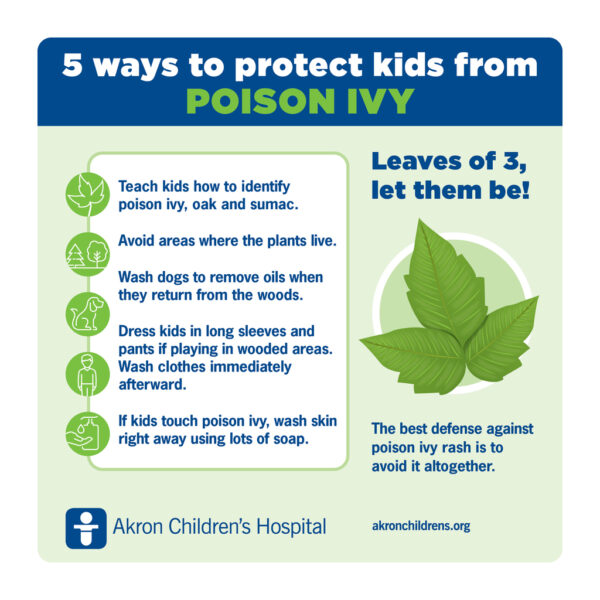
Image Source: www.akronchildrens.org
Parent’s Guide: How To Treat Poison Ivy On Toddler’s Skin
Poison ivy is a common plant. It causes an itchy rash. This rash happens when skin touches an oily sap called urushiol. This sap is found in poison ivy plants. It is also in poison oak and poison sumac. Many parents ask, “Can I treat poison ivy on a toddler at home?” Yes, for most mild cases, you can treat poison ivy at home. You can use simple steps and things you have in your house. Still, sometimes a doctor is needed. “When to take toddler to doctor for poison ivy?” You should see a doctor if the rash is bad, covers a large part of the body, or shows signs of infection. Also see a doctor if it is on the face or genitals. “What is the healing time for poison ivy rash on toddlers?” A poison ivy rash often gets better in about 1 to 3 weeks. It may take longer for severe cases.
Deciphering Poison Ivy: What It Is and Why It Affects Toddlers
Poison ivy is a plant. It has a special oil called urushiol (yoo-ROO-shee-ol). This oil is the problem. When this oil touches skin, it causes a rash. Not everyone reacts to it. But most people do. The rash is red, itchy, and bumpy. Sometimes, blisters form.
Toddlers love to explore. They touch everything. They crawl on the ground. They play in bushes. This makes them more likely to touch poison ivy. Their skin is also more tender than adult skin. So, the rash can seem worse on them. It is important to know about poison ivy. This helps keep your child safe.
What Urushiol Does
Urushiol is very strong. It can stay active for a long time. It can be on clothes, tools, or even pet fur. If your toddler touches something with urushiol on it, they can get the rash. The rash does not spread from person to person. But the oil can. If the oil is on skin or clothes, it can touch other parts of the body. Or it can touch other people. This is why quick cleaning is key.
Immediate Steps After Exposure
If you think your toddler touched poison ivy, act fast. Quick action can stop a bad rash. Or it can make the rash less severe.
Washing Your Toddler’s Skin
This is the first and most important step.
* Use soap and water. Wash the skin right away. Do it within minutes, if you can.
* Scrub gently. Use warm water and regular soap. Wash all skin that might have touched the plant.
* Rinse well. Rinse the skin for a long time. Make sure all the oil is gone.
* Don’t forget under nails. Urushiol can hide under fingernails. Clean them well. This stops the oil from spreading later.
Cleaning Clothes, Toys, and Pets
The oil can stick to many things.
* Wash clothes. Put all clothes that touched the plant in the wash. Use hot water and laundry soap. Wash them by themselves. Do not wash them with other clothes.
* Clean toys. Wash any toys that might have touched the plant. Use soap and water.
* Bathe pets. If your pet ran through poison ivy, the oil might be on their fur. Bathe your pet. Use pet shampoo. Wear gloves to protect your hands.
Identifying Poison Ivy Rash on Toddlers
It is good to know what poison ivy rash looks like. This helps you treat it fast. The rash often appears 12 to 72 hours after touching the plant. Sometimes, it can take longer.
What the Rash Looks Like
- Redness: The skin turns red. This is usually the first sign.
- Itching: The rash is very itchy. Toddlers may try to scratch it a lot.
- Bumps and streaks: Small bumps may appear. Sometimes, the rash forms lines or streaks. This happens where the plant brushed the skin.
- Blisters: Small or large blisters may form. They can leak clear fluid. These blisters are a big part of the rash.
- Swelling: The skin around the rash can swell.
How It Might Differ on Toddlers
Toddlers have softer skin. Their skin may react more strongly. The rash might seem more red or puffy. They also may not know to stop scratching. Scratching can make the rash worse. It can also lead to infection.
Poison Ivy Blister Care for Toddlers
Blisters are common with poison ivy. It is important to care for them the right way. This helps prevent infection and speeds healing.
- Do not pop blisters. Popping them can lead to infection. The fluid inside the blisters does not spread the rash. The fluid is just a reaction from the body.
- Keep them clean and dry. Wash the area gently with soap and water. Pat it dry.
- Cover them loosely. If your toddler can reach the blisters, cover them. Use a loose bandage or gauze. This stops scratching. It also protects the skin. Change the bandage often.
- Watch for signs of infection. If the blisters look redder, swollen, or have pus, see a doctor. Also watch for a fever.
Effective Remedies for Itchy Poison Ivy
The main goal is to stop the itch. Stopping the itch helps your toddler feel better. It also stops scratching. Scratching can make the rash worse and lead to infection.
General Principles for Relief
- Keep it cool: Cool temperatures help calm itchy skin.
- Keep it dry: Letting the rash dry out can help it heal.
- Keep it clean: Clean skin prevents infection.
Itchy Poison Ivy Treatment for Kids: At-Home Help
Here are some things you can do at home to help your child.
- Cool Baths: Give your toddler a cool bath. Do not use hot water. Hot water can make the itch worse.
- Oatmeal baths: Add colloidal oatmeal to the bath. This is finely ground oatmeal. It helps soothe itchy skin. You can buy it at a drug store. Or you can grind regular oats into a fine powder. Add about 1/2 cup to the bathwater. Let your child soak for 15-20 minutes.
- Cool Compresses: Place a cool, wet cloth on the rash. This can give fast relief. Do this for 15-30 minutes, a few times a day.
- Calamine Lotion: This is a pink lotion. It helps dry out the rash. It also makes the skin feel cooler. Apply a thin layer to the rash. You can use it many times a day. Make sure it is fully dry before putting clothes on.
- Hydrocortisone Cream: This is a mild steroid cream. It helps with itching and swelling.
- Safe poison ivy cream for children: Use 1% hydrocortisone cream. This strength is safe for toddlers. Do not use it for more than a few days without asking a doctor. Do not put it on broken skin or open blisters. A thin layer is all you need.
- Oral Antihistamines: These medicines can help with itching. They work by blocking a chemical in the body that causes itching.
- Ask your doctor first. Always talk to your pediatrician before giving your toddler any medicine. They will tell you the right dose. Examples include diphenhydramine (like Benadryl) or loratadine (like Claritin). Some can make your child sleepy.
Table 1: Common At-Home Treatments for Poison Ivy Itch
| Treatment Method | How It Helps | How to Use for Toddlers | Notes |
|---|---|---|---|
| Cool Baths | Reduces itch, calms skin | Use cool water. Add colloidal oatmeal for extra relief. | Avoid hot water. |
| Cool Compresses | Gives fast, local itch relief | Apply a cool, damp cloth to affected areas for 15-30 min. | Can be done often throughout the day. |
| Calamine Lotion | Dries rash, reduces itch | Apply a thin layer to rash. Let it dry completely. | Can be used multiple times a day. |
| Hydrocortisone Cream | Reduces itch and swelling | Use 1% strength. Apply a thin layer. Consult doctor for long use. | Do not use on broken skin or open blisters. |
| Oral Antihistamines | Reduces overall itching | Ask doctor for dose and type. Some may cause drowsiness. | Only use if recommended by a doctor. |
Home Remedies for Poison Ivy in Infants (and Toddlers)
For very young babies, always talk to a doctor first. Their skin is extra sensitive. For toddlers, many natural options can help. These are often used alongside other treatments.
Natural Poison Ivy Treatment for Toddlers
- Oatmeal: As mentioned, colloidal oatmeal in a bath is very soothing. It helps calm inflamed skin.
- Baking Soda Paste: Baking soda can help dry the rash and ease itching.
- How to make: Mix 3 parts baking soda with 1 part water.
- How to use: Make a thick paste. Apply a thin layer to the rash. Let it dry. Do this a few times a day.
- Aloe Vera: This plant is known for soothing skin.
- How to use: Use pure aloe vera gel. Apply it to the rash. It can help cool the skin and reduce irritation. Make sure it is 100% pure, with no added perfumes.
- Apple Cider Vinegar (Diluted): Some people find this helps dry out the rash.
- How to use: Mix 1 part apple cider vinegar with 1 part water. Dip a cotton ball in the mix. Dab it gently on the rash. Do not use on open skin or blisters. It can sting. Test a small area first.
- Witch Hazel: This is a liquid extract. It can help dry the rash and ease itching.
- How to use: Apply witch hazel with a cotton ball. Dab it gently on the rash.
When Professional Help is Needed
Most poison ivy rashes get better at home. But some cases need a doctor’s help. It is vital to know when to take your toddler to a doctor for poison ivy.
When to Take Toddler to Doctor for Poison Ivy
You should call your child’s doctor if you see any of these signs:
- Rash covers a large area: If the rash is over a quarter of the body, it is severe.
- Rash on sensitive areas: If the rash is on the face, especially near the eyes, or on the genitals. Swelling in these areas can be serious.
- Signs of infection: Look for:
- Fever (body temperature above normal)
- Pus coming from the blisters
- Increased redness or swelling around the rash
- Streaks of red spreading from the rash
- Pain that gets worse
- Rash not getting better: If the rash does not improve after 7 to 10 days of home care.
- Severe discomfort: If your toddler cannot sleep or is very cranky because of the itch.
- Breathing trouble: This is very rare. But if your child has trouble breathing or swelling in the throat, get emergency help right away. This can be a sign of a severe allergic reaction.
A doctor might prescribe stronger medicine. This could be stronger steroid creams or oral steroids. These can help control severe reactions.
Preventing Poison Ivy Spread in Toddlers
Once your toddler has poison ivy, stopping it from spreading is important. This means stopping the oil from moving to other body parts. It also means preventing other rashes.
Key Steps for Preventing Poison Ivy Spread in Toddlers
- Hand hygiene: Make sure your toddler washes their hands often. This is very important. Teach them to wash after touching the rash. Or help them wash their hands.
- Keep nails short: Trim your toddler’s fingernails. This helps stop them from breaking the skin when they scratch. Broken skin can lead to infection. Short nails also hold less oil.
- Avoid scratching: This is hard for toddlers. Try to distract them. Keep them busy. Use the soothing treatments listed above to reduce the itch. If they scratch, the skin can get infected. The oil is usually gone after a good wash. But scratching can still cause problems.
- Wash all affected items: Remember that urushiol can stick to clothes, bedding, and toys. Wash anything that touched the rash. Use hot water and soap.
- Cover the rash (loosely): If your toddler cannot stop scratching, cover the rash with a loose bandage. Or put light clothing over it. This protects the skin. It also reminds them not to scratch. Do not use tight bandages. They can trap moisture. This can make the rash worse.
- Clean surfaces: Wipe down surfaces your toddler touches often. This includes tabletops, doorknobs, and car seats. Use a household cleaner.
Healing and Recovery
A poison ivy rash does not go away overnight. It takes time to heal. Knowing what to expect helps you care for your toddler.
Healing Time for Poison Ivy Rash on Toddlers
The healing time for poison ivy rash on toddlers can vary.
* Mild cases: A mild rash may start to improve in 5 to 7 days. It may be fully gone in 10 days.
* Moderate cases: These might take 1 to 2 weeks to heal.
* Severe cases: A very bad rash with large blisters or much swelling can take 3 weeks or longer to heal.
What to Expect During Healing
- First few days: The rash appears. It gets redder and itchier. Bumps and blisters form.
- Next 1-2 weeks: The blisters start to dry out. They form crusts. The itching may slowly get less. The skin begins to heal.
- Last stages: The crusts fall off. New, healthy skin forms underneath. Sometimes, the skin might look a bit discolored for a while.
Important Note: The rash does not spread just by scratching. The rash only spreads if the oil is still on the skin. Once the oil is washed off, new rashes only appear if new skin touches the oil. If a rash gets worse or new spots appear, it often means more oil was still on skin or clothes. Or, it means the rash is still developing from the first exposure.
Will It Scar?
Most poison ivy rashes do not leave scars. But, if a child scratches too much, it can break the skin. This can lead to infection. A bad infection might leave a small scar. So, preventing scratching is important.
Keeping Poison Ivy Away: Prevention is Best
The best way to treat poison ivy is to not get it. Teach older toddlers about “leaves of three, let it be.” This helps them spot the plant.
- Cover up: When playing outdoors in wooded areas, dress your toddler in long sleeves and pants.
- Wash after play: Always wash skin and clothes after outdoor play. This is true even if you do not think they touched poison ivy.
- Know your yard: Learn to spot poison ivy in your yard. Remove it carefully. Wear gloves and protective clothing. Do not burn poison ivy. The smoke can carry urushiol. It can cause lung problems if breathed in.
By taking careful steps, you can help your toddler through a poison ivy rash. You can also work to keep them safe from it in the future. Always talk to your doctor if you have worries about your child’s health.
Frequently Asked Questions (FAQ)
Q1: Can a toddler be allergic to poison ivy the first time they touch it?
A: Most people do not get a rash the very first time they touch poison ivy. The body needs to be exposed once to learn to react. This is called sensitizing. After that first time, a rash will likely appear with future contact.
Q2: What if my toddler eats poison ivy?
A: This is rare. If a toddler eats poison ivy, it can cause problems in the mouth and throat. This is a serious issue. Seek urgent medical care right away.
Q3: Does clear fluid from blisters spread the rash?
A: No, the clear fluid in poison ivy blisters does not spread the rash. The rash only spreads if the original urushiol oil is still on the skin or other items. Once the oil is washed off, the rash cannot spread. The fluid is just a body reaction.
Q4: How long does the itch last?
A: The worst itching usually lasts for the first few days to a week. As the rash starts to dry and heal, the itch will slowly get less.
Q5: Can I use rubbing alcohol to clean the skin after exposure?
A: Yes, if done quickly. Alcohol can help dissolve urushiol. But soap and water are often enough. Alcohol can also dry out or irritate sensitive toddler skin if used too much. Use it with care. Follow with a good soap and water wash.