
Can you make your toddler stop biting? Yes, you can. It takes patience and the right steps. This guide offers many toddler biting solutions. It will help you learn how to respond when toddler bites and how to help your child use calm ways to show feelings. Biting is common for young kids, but we can guide them away from it.
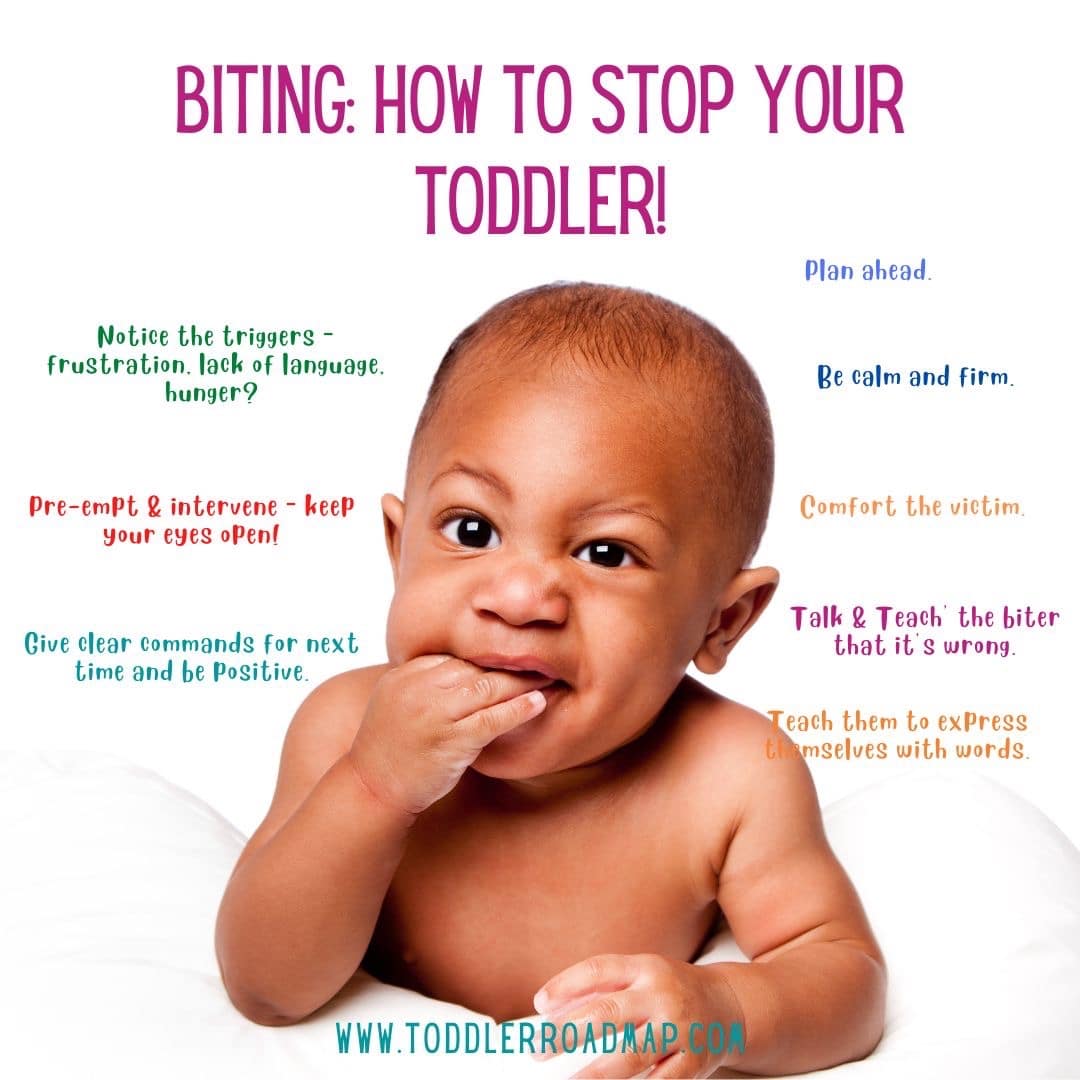
Image Source: sueatkinsparentingcoach.com
Reasons Toddlers Bite
Toddlers bite for many reasons. It is rarely done to be mean. Usually, it is how they tell us something. Knowing why they bite is the first step to stopping it.
Exploring the World
Young children learn by using their mouths. They put toys in their mouths. They put hands in their mouths. Sometimes, they even bite people gently at first. This is a way to explore how things feel. They might not know it hurts.
Feeling Teething Pain
When new teeth push through gums, it can hurt a lot. Biting helps ease this pain. It gives pressure on the gums. This is like how babies chew on teething rings. But sometimes, they bite skin instead.
Wanting Attention
Sometimes, a child bites to get your eye. Even if the attention is negative, like you yelling, it is still attention. They learn that biting makes you look at them fast. This can happen if they feel ignored.
Strong Feelings and Frustration
Toddlers have big feelings. They get angry. They get sad. They get excited. But they do not have the words to say how they feel. Biting can be their way to let out these strong feelings. This is a key reason toddlers bite. If they cannot get a toy they want, or if another child takes their toy, they might bite.
Needing Control
Little ones want to make choices. They want to be in charge. When they feel like they have no say, they might bite. It gives them a sense of power.
Sensory Needs and Biting
Some toddlers bite due to their sensory needs. Their bodies might need more input from their mouths. They might seek strong feelings in their mouth. Biting gives them intense oral input. This is not about being bad. It is about their body needing something. They might also chew on clothes or other things. This is part of sensory needs and biting.
Being Overtired or Overwhelmed
A child who is tired or has too much going on can get upset easily. When they are pushed past their limit, they might bite. They do not have the energy to control their actions.
Copying Others
Children learn by watching. If they see another child bite, they might try it too. They do not know it is wrong. They are just copying what they saw.
How To Respond When Toddler Bites
When your child bites, your fast and calm response is very important. It sets the stage for how they will learn.
Be Quick and Calm
React at once. But try to stay calm. Your child needs to see you are in charge. A loud, angry voice might scare them. It might even make them bite more for attention.
- Stop the action: Gently move your child away from the person they bit.
- Speak clearly: Say “No biting!” or “Biting hurts!” Use a firm, simple voice.
- Check on the person bitten: Give comfort to the child or person who was bitten. Make sure your child sees this. This teaches them that biting causes pain.
Make It Simple
Do not give long talks. Toddlers cannot understand many words. Keep your message short and clear.
For example: “No biting. Biting hurts friends. We use gentle hands.”
Do Not Bite Back
Some parents think biting back will teach a lesson. It will not. It teaches your child that biting is okay if you are angry. It also scares them. It does not help them learn gentle ways.
Use a Time-Out (If Ready)
For some children, a very short time-out can help. This means taking them away from the fun for a moment. This is not about punishment. It is about a break to think.
* The time-out should be short. One minute for each year of age is a good rule. A 2-year-old might sit for 2 minutes.
* Make sure they are safe in the time-out spot.
* Do not talk much during the time-out.
* After the time-out, talk about what happened. Then, move on.
Preventing Toddler Biting: Key Strategies
Stopping biting before it starts is the best way. These toddler biting strategies focus on making biting less likely. This is about preventing toddler biting.
Look for Triggers
Think about when and where your child bites.
* Does it happen when they are tired?
* When they are hungry?
* When they are playing near certain toys?
* When they are around certain kids?
Knowing the trigger helps you change things. For example, if they bite when tired, plan quiet play or naps before that time.
Teach Words and Feelings
Give your child words to use. When they can say “Mad!” or “My turn!” they are less likely to bite.
* Help them name their feelings: “Are you feeling angry?” “Are you sad?”
* Teach simple words for their needs: “More,” “Help,” “My turn,” “No.”
* Read books about feelings. Talk about how the characters feel.
Offer Safe Bite Options
If your child bites due to teething or sensory needs, give them something safe to bite.
* Chew toys
* Teething rings
* Hard, safe foods (like carrot sticks if they are old enough)
* Special chewy necklaces made for kids. These can meet sensory needs and biting in a good way.
Help Them Learn to Share
Many biting incidents happen over toys.
* Teach “my turn” and “your turn.”
* Set a timer for sharing.
* Have plenty of toys so kids do not have to fight over just one.
* Supervise play closely, ready to step in.
Watch Play Closely
Stay near your child during play, especially with other kids. This way, you can see signs of trouble. You can step in before a bite happens.
* Look for tense faces.
* Watch for hands getting close to mouths.
* Step in if you see a conflict forming. Offer help or words.
Make the Home Safe
Remove things that make biting more likely.
* If your child bites when they are bored, offer new toys or activities.
* If they bite when overstimulated, make a quiet space for them.
* Ensure they have enough safe play areas.
Use Distraction
When you see biting coming, distract your child.
* “Look at this toy!”
* “Do you want to play with the blocks?”
* Change the activity quickly.
Positive Discipline for Biting
Discipline means to teach. It is not about punishing. Positive discipline for biting focuses on teaching your child what to do instead of biting. It helps them learn good ways to act.
Teach Empathy
Help your child see how their actions affect others. This is hard for young kids. But you can start early.
* After a bite, say: “Look, [child’s name] is sad. Biting hurts.”
* Show them the hurt spot. “Ouch. This makes [child’s name] cry.”
* Help your child say sorry. “Can you give [child’s name] a hug?” Or “Can you say sorry?” Do not force it. Just offer the chance.
Give Clear Rules
Have simple rules that are easy to remember.
* “We use gentle hands.”
* “No biting people.”
* Say these rules often. Show what they mean.
Offer Choices
Give your child small choices. This helps them feel some control. When they feel in control, they might be less likely to bite.
* “Do you want to play with the red ball or the blue car?”
* “Do you want to put on your shoes now or after your snack?”
Use Redirection
If your child is about to bite, redirect their action.
* “You want to bite? Here is your chew toy.”
* “You are angry? Tell me ‘mad’!”
* Guide them to a better behavior.
Praise Good Actions
When your child uses words or plays gently, praise them a lot.
* “Good job using your words!”
* “You used gentle hands! That makes me happy.”
* This makes them want to do the good thing again.
Be Firm and Consistent
Every time a bite happens, react the same way. If you sometimes let it go, your child gets mixed signals. This makes it harder for them to learn. Consistency is key to toddler behavior management.
Table: Quick Guide to Biting Responses
| Situation | What To Do | What NOT To Do |
|---|---|---|
| Biting Happens | Step in fast. Say “No biting!” Comfort the person bitten. | Yell, hit, or bite back. |
| Child is Frustrated | Help them use words: “Are you mad?” Offer words like “Mine!” | Ignore their feelings. Let them keep biting. |
| Sensory Seeking | Offer safe chew toys or hard snacks. | Get angry about their need for oral input. |
| Wanting Attention | Give attention for good behavior. Briefly ignore biting. | Give big, loud attention for biting. |
| Preventing Biting | Watch closely. Teach gentle hands. Offer choices. | Assume they will grow out of it without teaching. |
When Biting Becomes a Pattern: Stopping Toddler Aggression
Sometimes, biting does not stop with simple changes. It can become a regular thing. This is when you need more targeted stopping toddler aggression tactics and may need 2-year-old biting help.
Seek Help from Others
If biting is not stopping, talk to your child’s daycare teachers. Ask them:
* Does the biting happen there?
* When does it happen?
* How do they handle it?
Working with them helps keep rules the same.
Talk to Your Doctor
If you are worried, talk to your child’s doctor. They can check for any health issues. They can also point you to experts who help with child behavior. This is part of good toddler behavior management.
Look at Your Child’s World
Think about if anything big has changed for your child.
* New baby?
* New house?
* New daycare?
* Stress at home?
Big changes can make kids act out. Give them extra comfort and time.
Make Sure Needs Are Met
Biting can be a sign of unmet needs.
* Is your child sleeping enough?
* Are they eating well?
* Do they get enough playtime and exercise?
* Do they get enough one-on-one time with you?
Meeting these basic needs can make a big difference.
Try a Behavior Chart (Older Toddlers)
For older toddlers (around 2.5 or 3), a simple chart can help.
* Give a sticker for times they use gentle hands.
* Talk about the stickers and what they mean.
* This can give them something to work toward.
Do Not Give Up
Stopping biting takes time. There will be good days and bad days. Stay strong and keep using the same steps. Your child will learn.
Special Biting Scenarios
Biting can happen in different ways. Each needs a slightly different thought.
Biting Other Children
This is often due to sharing issues, frustration, or not knowing how to play with others.
* Response: Separate the children. Comfort the child who was bitten. Clearly state, “No biting friends. We use gentle hands.”
* Prevention: Supervise play closely. Teach sharing. Have many toys. Teach words for asking for turns.
Biting Parents or Caregivers
This can be for attention, frustration, or testing limits.
* Response: Say “No biting!” firmly. Remove yourself for a short time if it is for attention. “Mommy does not play when you bite.” Then come back soon.
* Prevention: Give lots of positive attention for good behavior. Set clear limits. Give choices to let them feel some control.
Biting Themselves
This can be a sign of deep frustration, feeling overwhelmed, or sensory needs.
* Response: Comfort them gently. Try to figure out why they are upset. “Are you sad? Are you mad?” Offer a safe chew toy.
* Prevention: Help them put feelings into words. Reduce things that make them feel overwhelmed. Offer ways to calm down, like a quiet space or a hug. Meet sensory needs and biting with safe chewing items.
How To Help Your Child Learn Calmly
Teaching kids not to bite is a journey. It is about guiding them to better ways to act.
Teach Calming Skills
Help your child learn how to calm down.
* Deep breaths: “Let’s take a big breath like a dragon.”
* Hugs: Offer a warm hug.
* Quiet time: Have a cozy corner for quiet play.
* Fidget toys: Small toys they can squeeze or play with.
Model Good Behavior
Children learn from you. Show them how to handle strong feelings.
* When you are upset, say: “I feel frustrated. I will take a deep breath.”
* Show kindness and gentle actions.
Celebrate Small Wins
Every step forward is a win.
* “You used your words instead of biting! Good job!”
* “You were gentle with your friend today. I am proud of you.”
* These small praises add up and help your child learn.
Take Care of Yourself
Dealing with biting can be tiring. Make sure you get rest and support. A calm parent can help a child better. Ask for help from family or friends if you need it.
Final Thoughts on Toddler Biting Solutions
Stopping toddler biting is possible. It needs a mix of fast action, patient teaching, and a lot of love. Remember, your child is learning. They need your help to find better ways to show their feelings and get what they need. By being clear, calm, and steady, you can guide them past this stage. The goal is to help your child grow into a gentle and kind person.
Frequently Asked Questions (FAQ)
H3: How long does it take for a toddler to stop biting?
It is different for each child. Some children stop in a few weeks with steady effort. Others may take months. The key is to be steady in your actions. Do not give up.
H3: Is biting a sign of a bad child?
No, biting is not a sign of a bad child. It is a sign that your child needs help to learn new skills. It is often a normal part of how young kids grow and explore. It means they need you to teach them.
H3: What if my child bites a lot at daycare?
Talk to the daycare teachers often. Share what you do at home. Ask what they do. Work together so everyone uses the same rules. This makes it easier for your child to learn. If it keeps happening, ask the daycare if they have a child behavior expert who can help.
H3: Should I punish my child for biting?
Punishment like yelling or hitting does not work well for biting. It can make kids scared. It does not teach them what to do instead. Focus on teaching. Use clear, calm steps. Show them the right way to act. This is part of positive discipline for biting.
H3: When should I worry about my child’s biting?
Most biting is normal for toddlers. But you might want to talk to your doctor or a child expert if:
* The biting is very strong or hurts a lot.
* It happens many times a day.
* Your child is over 3 or 4 years old and still biting a lot.
* The biting is with other very worrying actions.
These can be signs that more help is needed.