
Potty training a toddler can feel like a big step. Many parents ask, “How do I potty train my toddler?” You can help your child learn this skill. It takes time and patience. Every child learns at their own pace. This guide will show you how to make potty training easy and fun for both of you. We will cover key steps, helpful tips, and ways to handle bumps along the road.
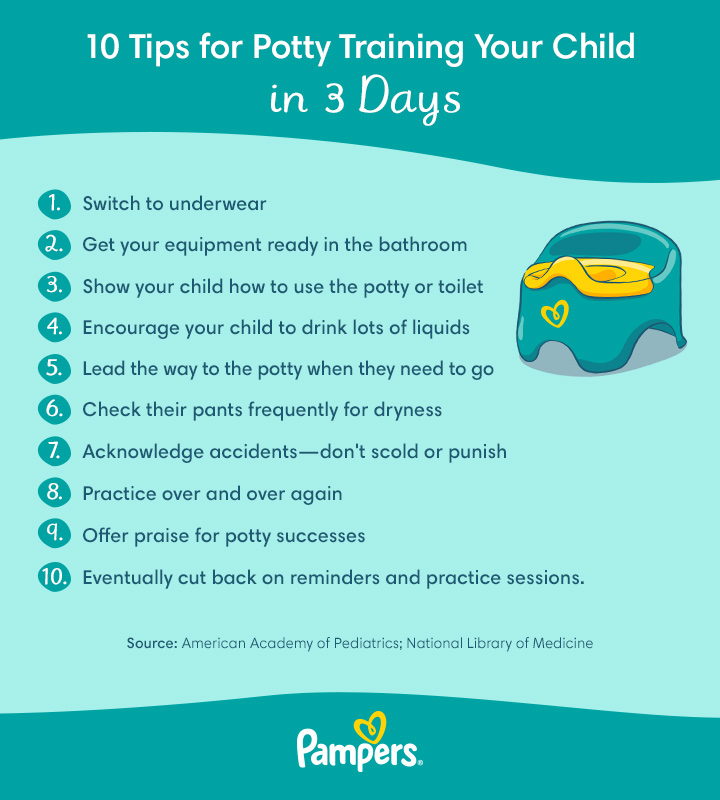
Image Source: images.ctfassets.net
When to Begin: Spotting Readiness
Knowing when to start potty training is key. There is no one perfect age. Most children are ready between 18 months and 3 years old. Some may be ready sooner. Others may take longer. Look for signs that your child is ready. These are called potty training readiness signs. Starting when your child is ready makes the process easier.
Key Readiness Signals
Your child will show you when they are ready. Pay close attention to their actions. These signs fall into a few groups.
Physical Cues
- Dry for Longer: Your child stays dry for at least 2 hours. They may also be dry after naps. This means their bladder muscles are getting stronger.
- Regular Bowel Movements: Your child has predictable poops. They are not too hard or too soft. This shows good control.
- Aware of a Full Diaper: They may tell you they have a wet or dirty diaper. They might tug at it. Or they may go to another room to poop.
- Can Pull Pants Up and Down: They can dress and undress themselves. This helps them get to the potty in time.
- Good Motor Skills: They can walk to the potty. They can sit on it without help.
Cognitive Cues
- Can Follow Simple Steps: Your child can understand basic instructions. For example, “Go get your toy” or “Put this in the trash.”
- Shows Interest: They might watch you use the toilet. They may ask about the potty. They may want to wear underwear.
- Communicates Needs: They can use words or signs to say they need to go. They might say “potty” or “pee-pee.”
- Understands “Wet” and “Dry”: They know what these words mean. They can tell you the difference.
- Mimics Adults: They like to copy what grown-ups do. This includes going to the bathroom.
Emotional Cues
- Wants Independence: Your child likes to do things by themselves. They want to be a “big kid.”
- Seeks Approval: They want to please you. They like praise for good behavior.
- Shows Curiosity: They are interested in the toilet. They may ask to sit on it.
- Gets Upset by Dirty Diapers: They do not like being messy. They may ask to be changed.
If your child shows many of these signs, they are likely ready. Do not rush them. Forcing potty training can cause delays. It can also make your child scared or upset.
Here is a general toilet training age guide. Remember, these are just averages. Your child may be different.
| Age Range (Months) | Readiness Signs Commonly Seen | Potty Training Approach Suggestion |
|---|---|---|
| 18-24 | Some physical, cognitive cues | Introduce potty, make it fun, no pressure |
| 24-30 | Many signs, good communication | Start gentle, consistent training |
| 30-36 | Most signs, good control | Focused training, aim for daytime dryness |
| 36+ | Fully ready, can be quick learners | May be ready for faster training |
Choosing Your Method: Best Approaches
There are different best potty training methods. Some parents like a slow, child-led way. Others prefer a quicker, more focused method. There is no single “best” way for everyone. Choose the method that fits your child and your family.
Child-Oriented Approach
This method is slow and steady. It waits for your child to show interest. It puts your child in charge of the timing. You introduce the potty. You make it a fun, no-pressure thing. This method builds on your child’s natural curiosity. It often leads to less resistance. It can take longer, but it is often less stressful.
Key Steps in Child-Oriented Training
- Introduce the Potty: Get a small potty chair. Let your child pick it out. Put it in the bathroom. Let them sit on it fully clothed. Make it a new “toy.”
- Talk About It: Use simple words. Say things like “When your diaper is wet, we can use the potty.” Read books about potty training.
- Offer Potty Times: Suggest sitting on the potty at certain times. Do this after waking up. Or after a meal. Do not force them to sit.
- Celebrate Small Wins: Praise them for sitting. Praise them for trying. Even if nothing happens.
- Let Them Lead: Let your child decide when they want to use it. If they are not interested, try again another day.
Rapid Training Approach
This method is also called “potty training in a day” or “weekend potty training.” It is more intensive. It works best for children who are very ready. They should have many readiness signs. This method aims for quick success. It requires a lot of focus from parents over a short time.
Key Steps in Rapid Training
- Prepare: Gather all potty training supplies. Plan a free weekend or a few days.
- Go Commando: Have your child wear loose clothes or no pants. This helps them feel when they are wet.
- Frequent Potty Breaks: Take your child to the potty very often. Do this every 15-20 minutes at first.
- Drink Lots of Liquids: Give your child water or juice. This makes them need to pee more often. More chances to practice!
- Use a Doll: Show your child how to potty train a doll. This helps them learn what to do.
- Lots of Praise: Cheer loudly for every success. Even for a drop in the potty.
Parent-Led Approach
This method is somewhere in between. Parents set a schedule. They encourage using the potty at certain times. But they also respond to the child’s cues. It is a mix of structure and flexibility.
Key Steps in Parent-Led Training
- Set a Schedule: Take your child to the potty every 1-2 hours. Do this even if they do not say they need to go.
- Observe Patterns: Note when your child usually pees or poops. Take them to the potty right before those times.
- Teach Routine: Show them the steps: pull down pants, sit, pee/poop, wipe, flush, wash hands.
- Be Patient: If they do not go, that’s okay. Say “Maybe next time.”
- Use Rewards: Offer small, immediate rewards for success. (More on this later!)
All easy potty training techniques share some common ideas. They rely on patience, consistency, and positive support.
Making it Easy: Everyday Potty Tips
Once you choose a method, apply general toddler toilet training tips. These make the process smoother. They help your child feel safe and in control.
Setting the Stage
- Get the Right Gear: You need a potty chair or a toilet seat insert. Let your child help pick it out. Make sure their feet can touch the floor or a stool when sitting on the big toilet. This helps them push.
- Choose a Location: Put the potty in an easy-to-reach spot. The bathroom is common. Some parents start with it in the play area. Move it to the bathroom later.
- Dress for Success: Loose, easy-to-remove clothing is best. Pants with elastic waists are great. Avoid overalls or complicated buttons.
- Use Visuals: Put a chart on the wall. Or use pictures to show the steps. This helps visual learners.
The Potty Routine
- Frequent Potty Visits: Offer the potty often. Do this when your child wakes up. Do it after meals. Do it before leaving the house. Do it before bed.
- Short and Sweet: Potty sessions should be short. A few minutes is enough. If nothing happens, that’s fine. Say “We’ll try again later.”
- Be Consistent: Try to stick to a routine. This helps your child learn what to expect.
- Model Behavior: Let your child watch you use the toilet. Explain what you are doing in simple words. “Mommy is peeing on the potty.”
- Teach Wiping: Show them how to wipe. For girls, teach front to back. Help them at first.
- Hand Washing: Always end with hand washing. Make it fun with bubbles or a special soap.
Clothes and Gear
Consider different types of training pants.
* Diaper-like training pants: These are like diapers. They hold accidents well. Your child might not feel wet. Good for starting or for outings.
* Cloth training pants: These are thicker than underwear. They absorb a little. Your child will feel wet. This helps them learn. Good for home use.
* Underwear: Move to underwear when your child is having fewer accidents. This is a big step! Celebrate it!
Potty Training Rewards Ideas
Positive reinforcement is powerful. Use potty training rewards ideas to encourage your child. Rewards should be small and given right away.
| Type of Reward | Examples | When to Use |
|---|---|---|
| Praise | “Great job!” “You did it!” “So proud of you!” | For every attempt, even if nothing happens. |
| Stickers | A sticker on a chart. | For sitting on the potty, for trying. |
| Small Toys | A tiny car, a colorful crayon. | For a successful pee or poop in the potty. |
| Special Time | Read an extra book, play a favorite game. | For staying dry all day or for consistent effort. |
| Edible Treats | A few mini marshmallows, a small cracker. | Use sparingly for big successes, if desired. |
Make a sticker chart. Let your child put a sticker on it each time they use the potty. When the chart is full, they get a bigger reward. This could be a new book or a trip to the park. The goal is to fade out rewards over time. The act of being dry becomes its own reward.
Dealing with Bumps: Solving Potty Problems
Potty training is not always a straight path. You might face challenges. Knowing how to handle potty training problems solutions can save stress.
Facing Accidents
Dealing with potty training accidents is normal. Every child has them.
* Stay Calm: Do not get mad. Your child did not mean to have an accident. Anger can make them scared of the potty.
* Clean Up Together: Have your child help clean up. This teaches them about the consequence. “Oh dear, the floor is wet. Let’s get a towel.”
* Change Clothes: Change them into dry clothes right away.
* Remind Gently: Say, “Next time, tell me when you need to go.” Or “Let’s try to make our pee in the potty.”
* Review Readiness: If accidents are constant, your child may not be ready. Take a break. Try again in a few weeks.
Refusal to Potty
Sometimes, children refuse to use the potty.
* Do Not Force It: Forcing them can make them resist more. It can turn potty time into a power struggle.
* Find the Reason: Is it fear? Is it they want to play? Try to talk to them.
* Make it Fun: Sing songs. Read books. Use special potty toys.
* Try Different Times: Maybe they do not like the current schedule.
* Give Control: Let them pick out the potty. Let them choose when to sit, within reason.
* Take a Break: If refusal is strong, step back for a while. Revisit it later.
Fear of the Toilet
Some children are scared of the big toilet.
* No Flushing While They Are Sitting: The sound can be loud and scary. Flush after they get off.
* Use a Potty Chair: A small potty chair feels safer. It is low to the ground.
* Use a Step Stool: If using the big toilet, a stool helps their feet feel firm. It gives support.
* Explain the Sounds: Tell them the sounds are just water. “Woosh! The water goes down.”
* Decorate the Bathroom: Make the bathroom a friendly place. Use colorful bath mats.
Regression Stages
Your child might be doing well. Then, suddenly, they start having many accidents. This is called regression. It is common.
* Common Causes: New baby, moving house, starting preschool, illness, stress, or even just being tired.
* Be Patient: Do not panic. Go back to basics.
* Revisit Rewards: Bring back a sticker chart or small rewards.
* Increase Potty Breaks: Offer the potty more often.
* Check for Illness: A urinary tract infection (UTI) can cause accidents. If you suspect one, see a doctor.
* Reassure Your Child: Tell them it is okay. “You are still learning. We will help you.”
Nighttime Dryness: Tips for Bedtime
Daytime potty training is usually achieved first. Nighttime potty training tips are different. It takes longer for children to control their bladder at night. This is a physical thing. Their brain must get the signal. Their bladder must be able to hold pee for a long time.
When to Start Night Training
- Patience is Key: Most children are not ready for night dryness until age 3-5. Some even later.
- Look for Dry Diapers: If your child’s diaper is dry many mornings in a row, they might be ready.
- Physical Readiness: They must be able to wake up from sleep when their bladder is full.
- No Pressure: Do not push nighttime training. It can make them anxious.
Nighttime Potty Habits
- Limit Drinks Before Bed: Stop drinks 1-2 hours before bedtime.
- Potty Before Bed: Always have your child use the potty right before they go to sleep.
- “Dream Wee”: Some parents gently wake their child for a “dream wee.” This means taking them to the potty before you go to bed. Do not fully wake them. This is not for everyone. It can disrupt sleep.
- Use Nighttime Pants: Many children wear pull-ups or absorbent nighttime underwear. This saves laundry. It also keeps them feeling secure.
- Protect the Mattress: Use a waterproof mattress cover. This protects the bed from accidents.
Handling Wet Nights
- No Blame: Never punish or shame your child for a wet bed. It is not their fault.
- Change Calmly: Clean them up and change the sheets without fuss.
- Reassure: “It’s okay. Your body is still learning.”
- Track Patterns: Note if accidents happen at the same time. Or on certain days.
- Consult a Doctor: If your child is 6 or older and still wetting the bed often, talk to your doctor. There might be a medical reason.
Keeping Calm: A Positive Mindset
Your attitude means a lot. A positive and patient approach helps your child feel safe and ready to learn.
Celebrate Small Wins
- Praise Effort: Always praise your child for trying. “You sat on the potty! Good job!”
- Acknowledge Success: When they use the potty, celebrate! “Wow! You peed in the potty! High five!”
- Focus on Progress, Not Perfection: Each step forward is a win. Do not expect zero accidents right away.
Avoid Pressure
- No Shaming or Punishment: This can create fear. It can make your child hide accidents.
- Do Not Compare: Every child is different. Do not compare your child to others.
- Let Them Lead (Often): Let your child have some say. This gives them control.
- Take Breaks: If you both feel frustrated, take a break from training. Come back to it later.
Seek Support
- Talk to Other Parents: Share your experiences. You are not alone.
- Read Books and Articles: Learn more tips.
- Ask for Help from Childcare: Talk to teachers or caregivers. They can help keep up the routine.
- Consult a Doctor: If you have major concerns, talk to your pediatrician. They can offer advice or check for medical issues.
Potty training is a journey. It has ups and downs. With patience, consistency, and a lot of love, your child will get there. Celebrate every step. Enjoy this new phase of growing up!
Frequently Asked Questions (FAQ)
Q1: My child was doing great, but now they are having many accidents. What happened?
A1: This is called regression. It is very common. It can happen due to stress (new sibling, moving, starting school), illness, or being tired. Go back to basics. Offer more frequent potty breaks. Use rewards. Be patient and reassuring. Most children return to being dry quickly.
Q2: What if my child refuses to sit on the potty at all?
A2: Do not force them. Forcing can make them afraid or resentful. Make the potty fun. Let them decorate it. Read books about potty training. Let them sit on it fully clothed. If refusal continues, take a break for a few weeks or months. Try again later when they show interest.
Q3: How long does potty training usually take?
A3: It varies a lot. For daytime dryness, it can take a few weeks to several months. Some children learn very quickly. Others take longer. Nighttime dryness often takes much longer, sometimes years after daytime training. Patience is the most important tool you have.
Q4: Should I use a potty chair or a seat on the big toilet?
A4: Both are fine. A potty chair is low to the ground. It feels safe and stable for smaller children. A seat insert for the big toilet helps them use the family toilet. Many parents start with a potty chair. They move to the big toilet later. Let your child choose what they like. Make sure their feet can rest on a stool if using the big toilet. This gives them a sense of security and helps with pushing.
Q5: My child always poops in their diaper, but pees in the potty. Is this normal?
A5: Yes, this is very common. Pooping can be harder to control than peeing. Some children feel nervous about pooping on the potty. The sensation is different. They might want privacy. Keep offering the potty for poop. Suggest sitting on it after meals when bowel movements are more likely. Praise any attempt, even if nothing happens. You can also try to time it. If they usually poop at a certain time, take them to the potty just before then.