
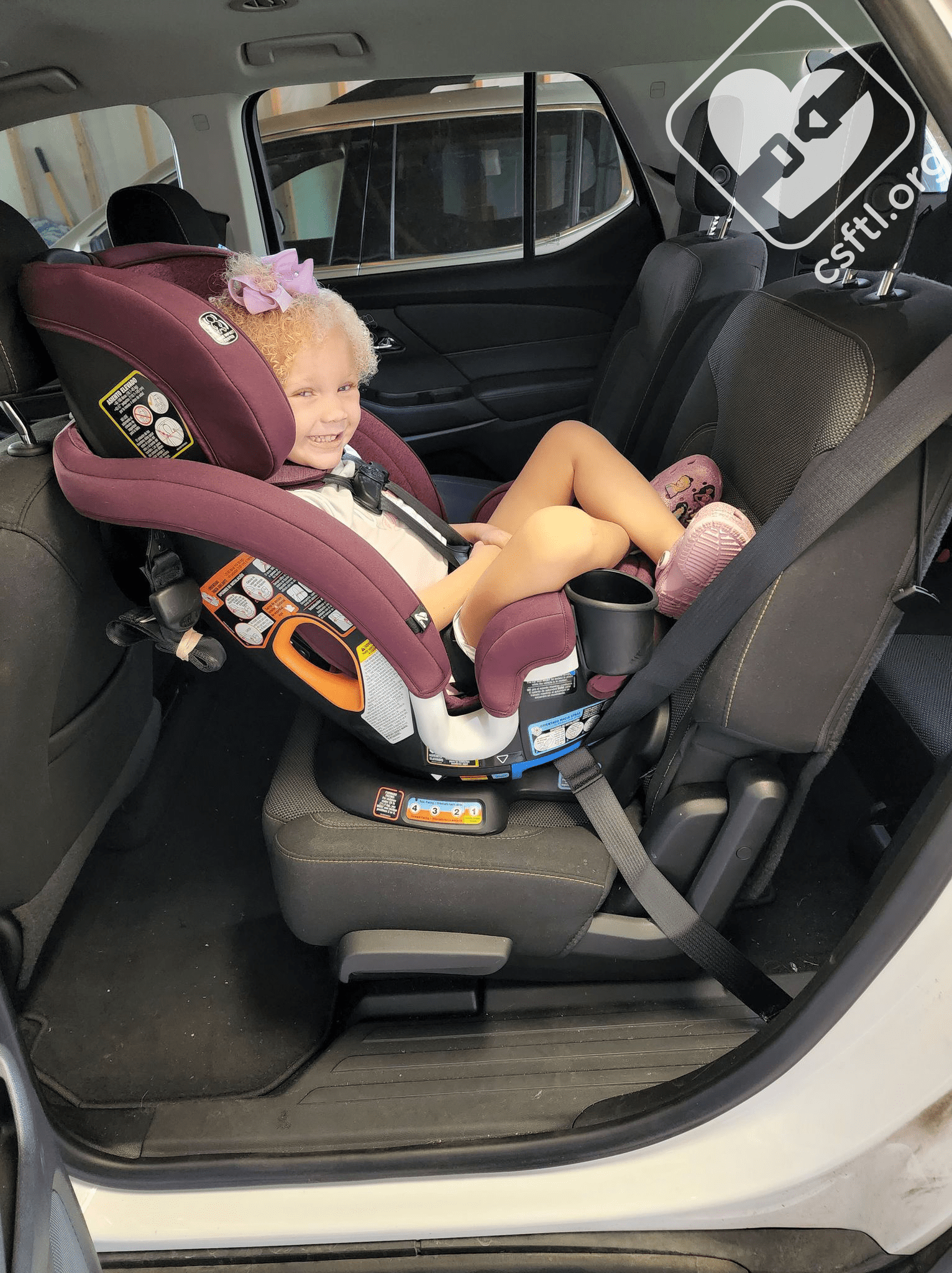
Image Source: csftl.org
Expert Advice: How Long Should Toddler Be Rear Facing?
For how long should a toddler be rear facing in a car seat? The simple answer, guided by AAP rear facing car seat guidelines, is: as long as possible. This means keeping your child rear facing until they reach the maximum height or weight limit of their convertible car seat, not just until they are 2 years old. The rear facing until 2 years old recommendation was once a common minimum, but current advice, part of extended rear facing recommendations, stresses going beyond that age, often until 3 or even 4 years old, to ensure the safest ride.
Bringing a new baby home marks a huge step for any family. Safety becomes the main focus. Car seats are vital for protecting our little ones. But figuring out car seat rules can be tough. One of the biggest questions parents ask is about rear facing. When is it time to turn the seat around? This guide will clear up that question. It will share the latest safety advice. It will help you make the best choice for your child’s ride.
Why Rear Facing Saves Lives: Safety First
Car crashes are a leading cause of harm to children. This is why car seat safety matters so much. A rear-facing car seat offers the best safety for babies and toddlers. It protects their most delicate body parts.
The Physics of a Crash: A Child’s Body
When a car stops fast in a crash, everything inside keeps moving. This is called inertia. For a child in a car seat, their body is thrown forward. If they are facing forward, their head and body are held back only by the harness straps. This puts a lot of stress on their neck and spine.
Think about a small child’s body. Their head is very heavy. It is about 25% of their total body weight. For adults, the head is only about 6% of body weight. A child’s bones and neck muscles are also still soft. They are not fully formed. In a forward-facing seat, their head wants to keep moving forward. But the harness holds their shoulders back. This can cause the neck to stretch too much. It can lead to serious spinal cord injuries. These injuries can be deadly.
The Shielding Power of Rear Facing
A rear-facing car seat works like a shield. In a frontal crash, the child is pushed into the back of the car seat. The seat shell takes the force of the crash. It spreads that force out across the child’s whole body. This includes their head, neck, and back. It is like being cradled. This helps to protect their fragile head and neck. It greatly lowers the risk of serious injury.
This is a key reason for the benefits of extended rear facing. Studies show that rear-facing children are much safer in a crash. They are five times safer than children riding forward facing. This is especially true for young children. Their bones and ligaments are still growing. Their spine is not strong enough to handle crash forces when facing forward.
Deciphering the Guidelines: How Long is “Long Enough”?
The advice on car seat safety has changed over time. It used to be common to turn a child forward facing at one year old and 20 pounds. But research shows this is not the safest choice. Experts now advise keeping children rear facing much longer.
AAP Rear Facing Car Seat Guidelines: The Big Shift
The American Academy of Pediatrics (AAP) is a top group for child health. In 2018, they updated their car seat safety rules. They moved away from a set age and weight limit. Instead, they now say children should stay rear facing as long as possible. This means until they reach the top weight or height limit of their specific car seat.
This new guidance supports extended rear facing recommendations. It means that for most children, they will stay rear facing well past their second birthday. Many children will be rear facing until they are three or even four years old. This advice is based on solid research. It shows that rear facing protects children best.
The “Minimum” Myth vs. “Maximum” Reality
The rear facing until 2 years old recommendation was once seen as the goal. But it is now seen as the absolute minimum for many children. It is much safer to think about the maximum limits of your car seat.
- When to switch car seat forward facing? You should only switch your child to forward facing once they have reached the maximum rear-facing height or weight limit of their car seat. It is not about a specific age. It is about the child fitting the seat safely in the rear-facing position. This means your child will often be rear facing well past age two. They might be three, four, or even five years old. This depends on their size and the car seat.
Interpreting Car Seat Limits
Each car seat has specific limits. These limits are set by the car seat maker. They are based on safety tests. It is very important to know your car seat’s limits. These limits tell you how long you can safely use the seat.
Rear Facing Car Seat Age and Weight Limits
All car seats have a weight limit. Some also have an age limit. But the most important limit is often height.
- Infant Car Seats: These seats are only for babies. They are usually used from birth up to 22-35 pounds. They also have a height limit. Once your baby outgrows either the weight or height limit, they need a new seat. They will need a convertible car seat. These seats allow rear facing for a longer time.
- Convertible Car Seats: These seats can be used rear facing and then forward facing. They are designed to last for several years. Most convertible car seats allow children to rear face up to 40 pounds or even 50 pounds. They also have a height limit. This limit is often when the child’s head is one inch below the top of the car seat shell. This is a very common way to tell when a child has outgrown the rear-facing height limit.
Example of Typical Convertible Car Seat Rear Facing Limits:
| Car Seat Type | Rear Facing Weight Limit (Typical) | Rear Facing Height Limit (Typical) |
|---|---|---|
| Infant Car Seat | 22-35 lbs (10-16 kg) | ~32 inches (81 cm) or when head is 1 inch from top of seat |
| Convertible Car Seat | 40-50 lbs (18-23 kg) | Head is 1 inch below the top of the headrest/shell when fully extended |
It is crucial to read your car seat’s manual. The manual has the exact limits for your seat. Do not guess. Do not rely on what others say. Your manual is the best source for convertible car seat rear facing duration.
Don’t Worry About Leg Room!
A common worry for parents is leg room. Many parents think their child must be uncomfortable with bent legs. They worry their child’s legs are too long. But this is almost never a safety issue.
- Safety vs. Comfort: Kids are flexible. They can bend their legs or cross them. This is normal for them. Their legs might touch the back of the vehicle seat. This is okay. It does not mean they are too big for the car seat. In fact, bent legs offer some protection in a crash. They act like a crumple zone.
- Injury Risk: Leg injuries are very rare in rear-facing crashes. Head and neck injuries are far more serious. These are the injuries a rear-facing seat protects against. Never turn a child forward facing just because their legs look cramped.
The Transition: When and How to Make the Change
So, you’ve kept your child rear facing for as long as possible. They have hit the maximum height or weight limit of their convertible car seat. Now it is time to make the switch to forward facing. This is when to switch car seat forward facing.
Toddler Car Seat Transition Advice: A Step-by-Step Guide
Making the switch should be done with care. Follow these steps:
- Check All Limits: Make sure your child has reached all of the rear-facing limits for their seat. This means both the weight limit AND the height limit. If they only meet one limit, but not the other, they should stay rear facing if possible.
- Read the Manual (Again!): Your car seat manual will tell you how to convert the seat. It will show you how to change the straps and recline angle. It will also tell you which seat belt path to use for forward facing.
- Proper Installation: This is the most important step for child car seat safety best practices.
- Choose the Right Spot: Always install the car seat in the back seat. The center rear seat is often the safest if a good install can be achieved there.
- Tight Fit: The car seat should not move more than one inch side-to-side or front-to-back at the belt path. Use either the car’s seat belt or the LATCH system. Do NOT use both unless your car seat manual specifically says you can.
- Top Tether: For forward-facing seats, always use the top tether strap. This strap anchors the top of the car seat to a special anchor point in your vehicle. It greatly reduces head movement in a crash.
- Recline Angle: Make sure the seat is at the correct forward-facing recline angle. The manual will show you.
- Harness Fit:
- Strap Height: For forward-facing, the harness straps must be at or above your child’s shoulders. Never below.
- Snugness: The straps should be snug. You should not be able to pinch any excess webbing at their shoulder. The chest clip should be at armpit level.
Is Your Child Truly Ready?
Remember, turning forward facing is a big step down in safety. So, do it only when truly needed. The child needs to be mature enough to sit properly for the whole ride. They must not play with the straps. They must stay in the seat.
- Age Matters: While age is not the only factor for switching, younger children (under 2) are never ready to face forward. Their bodies simply aren’t developed enough to handle crash forces in that position. The rear facing until 3 years old recommendation is a great goal to aim for. Many children can and should stay rear facing even longer.
Common Concerns and Fathoming the Facts
Parents have many questions and worries about extended rear facing. Let’s look at some of them.
“My Child’s Legs Are Too Long!”
This is the most common concern. As discussed, it is rarely an issue. Children are very flexible. They can sit with bent knees. They can cross their legs. They can put their feet up on the seat back. Leg injuries are much less common and less serious than head and neck injuries. Do not turn your child forward just because their legs look uncomfortable. Their safety comes first.
“My Child Gets Bored/Cranky Rear Facing.”
Some children might complain. They might want to see out the front window. You can help by:
- Using a Mirror: A car seat mirror lets you see your child. It also lets them see their own reflection.
- Giving Toys: Provide soft, safe toys for the ride.
- Playing Music/Stories: Keep them entertained with songs or audiobooks.
- Talking to Them: Talk to your child. Point out things they can see from their window.
- Short Breaks: For long trips, plan stops so your child can stretch their legs.
Remember, a few minutes of fussing is always better than a serious injury.
“What if We Get Rear-Ended?”
This is another common worry. While all crashes are serious, rear-end crashes are usually less forceful. Also, children in rear-facing seats are still very well protected. They are cradled by the car seat. The seat takes the force. The child’s body is safely supported.
Child Car Seat Safety Best Practices
Beyond the direction your child faces, many other things ensure car seat safety. These are key child car seat safety best practices.
Proper Installation Every Time
- Read the Manual: Always read both your car seat manual and your vehicle manual. Each car seat and car is different.
- Tightness Check: Once installed, grab the car seat at the belt path. Try to move it. It should not move more than one inch in any direction.
- LATCH or Seatbelt: Use either the Lower Anchors and Tethers for Children (LATCH) system OR the vehicle’s seat belt. Do NOT use both at the same time unless your car seat manual specifically says it is allowed.
- Top Tether (Forward Facing): Always use the top tether when your child is forward facing. This is vital for safety.
Harness Fit Matters
- Strap Height:
- Rear Facing: The harness straps should be at or below your child’s shoulders.
- Forward Facing: The harness straps should be at or above your child’s shoulders.
- Snugness: The harness straps must be snug against your child’s body. After buckling, try to pinch the strap vertically at your child’s collarbone. If you can pinch a fold of webbing, it’s too loose. Tighten it more.
- Chest Clip: The chest clip should be at armpit level. This helps keep the straps properly placed on the shoulders.
Bulky Clothing and Coats
Avoid bulky coats, snowsuits, or thick sweaters under the harness straps. These can create extra space. This space can compress in a crash. This makes the harness loose. Dress your child in thin layers. Then, put their coat on over the buckled harness. Or use blankets over the harness.
Check Expiration Dates
Car seats have an expiration date. This date is usually found on a sticker on the seat itself. It is also in the manual. Materials can weaken over time. The car seat might not be safe after this date. Do not use an expired car seat.
Register Your Car Seat
Fill out and send in the registration card that comes with your car seat. This way, the company can alert you if there is a safety recall.
Seek Expert Help
If you have any doubts about your car seat installation, find a certified Child Passenger Safety Technician (CPST). They can check your installation. They can teach you how to do it correctly. You can find one near you through Safe Kids Worldwide or your local health department.
Conclusion: Prioritizing Your Child’s Safety
The decision of how long should toddler be rear facing is a key one for every parent. The clear advice from safety experts and the AAP is to keep your child rear facing for as long as possible. This means reaching the maximum height or weight limits of their car seat. For most children, this will mean staying rear facing well past their second birthday, often until ages three or four.
Choosing to extend rear facing offers the best protection for your child’s still-developing body. It gives their head, neck, and spine the support they need in a crash. Ignore common myths about leg room. Focus on the proven safety benefits. Always follow your car seat’s manual and practice child car seat safety best practices. By doing so, you give your child the safest ride possible, every single time.
Frequently Asked Questions (FAQ)
Q1: My child’s legs are bent or touching the back of the seat. Is this safe?
Yes, absolutely. Bent legs are normal for rear-facing children. Their bodies are flexible. It does not mean they are uncomfortable or unsafe. Leg injuries are very rare in rear-facing crashes. Head and neck safety is the main goal.
Q2: What is the absolute latest age a child can be rear facing?
There is no absolute “latest” age. A child can stay rear facing until they reach the maximum height OR weight limit of their convertible car seat. Some larger convertible car seats allow rear facing up to 50 pounds, meaning some children can stay rear facing until age 5 or even older.
Q3: Can my child’s head hit the back of the vehicle seat in a crash while rear facing?
No. In a crash, a rear-facing child’s body moves into the car seat. The car seat shell takes the force. It cradles and protects the child’s head, neck, and spine.
Q4: My child is crying and seems unhappy rear facing. What should I do?
Try to make the ride more enjoyable with toys, music, or talking. Stop for breaks on long trips. A few minutes of fussing is far better than the risk of serious injury. Staying rear facing is the safest choice for their growing body.
Q5: Does a child need to be able to walk to forward face?
No. Being able to walk is not a car seat safety rule. The rules for turning forward facing are based on your child’s height and weight, and the car seat’s limits, not on their ability to walk.
Q6: My car seat manual says I can turn my child forward facing at 1 year old AND 20 pounds. Why do you say longer?
While some older car seat manuals might list a lower minimum age, current safety guidelines from experts like the AAP recommend keeping children rear facing as long as possible. This means until they reach the maximum height or weight limit of their specific car seat, often well past 2 years old. The manual tells you the minimum age to switch, not the safest age. Always go by the maximum limits for rear facing.