
Image Source: assets.childrens.com
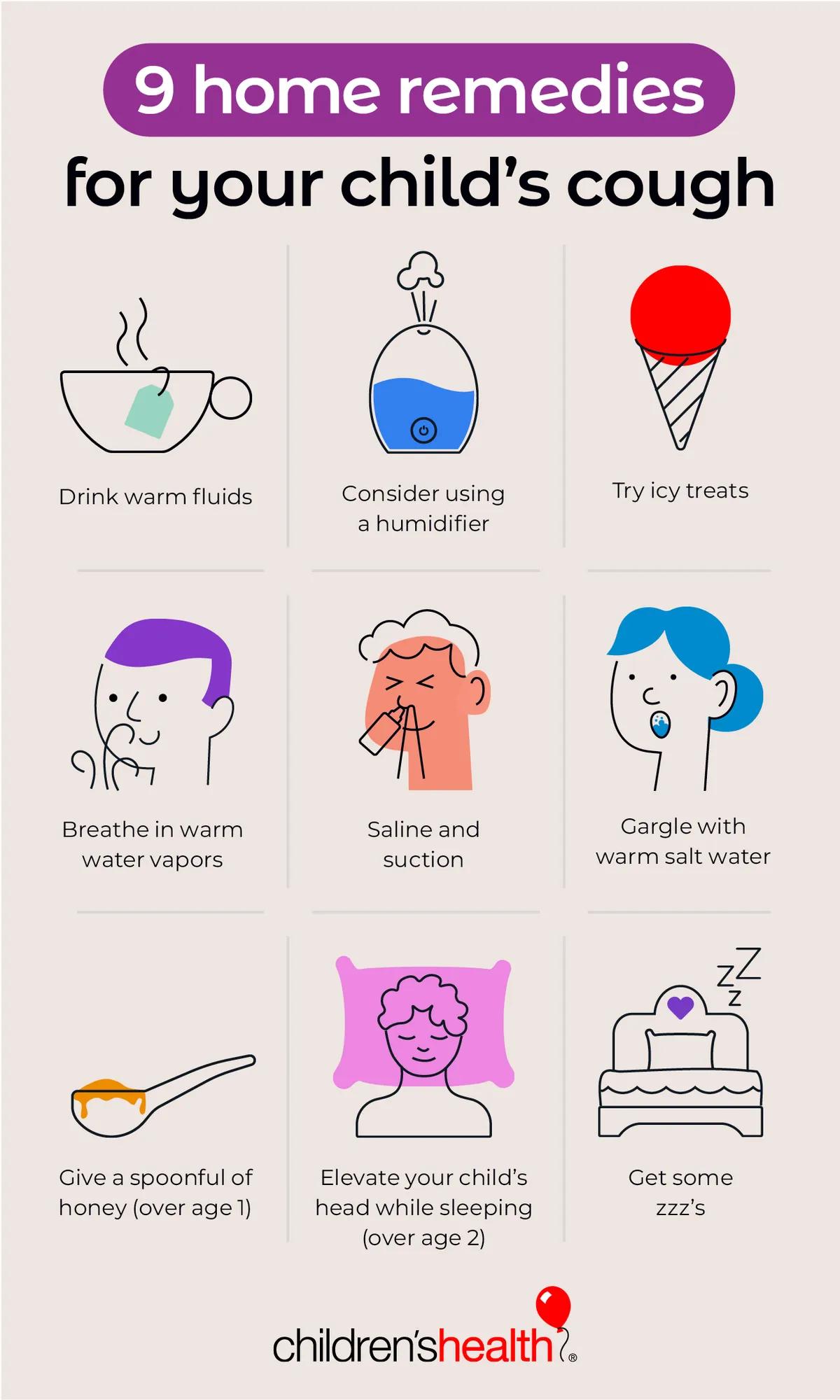
How To Help A Cough In Toddler & When To See A Doctor
A cough is a common thing for toddlers. It is a reflex. It helps clear their airways. Most coughs come from simple colds. These often get better on their own. You might wonder, “When should I worry about toddler cough?” You should worry if your child has trouble breathing. Look for fast breathing or noisy breaths. Also, worry if your child’s lips turn blue. A cough with a high fever or one that gets worse often needs a doctor’s check. You may also ask, “Can I use safe cough medicine for toddlers?” For very young children, most over-the-counter cough medicines are not safe or helpful. Always talk to a doctor before giving any medicine to your child. This guide will help you know how to ease a cough in your little one and when to get help.
Grasping Toddler Coughs
Coughs are a normal part of growing up. Young children get many colds each year. Each cold can bring a cough. A cough is how the body cleans the throat and lungs. It gets rid of mucus or germs. Most coughs are not serious. They usually go away in a week or two.
Why Toddlers Cough
Your child might cough for many reasons. The most common reason is a cold. Colds are caused by viruses. These viruses make extra snot and mucus. This can drip down the throat. This drip makes your child cough. Allergies can also cause coughs. Tiny bits like pollen or dust make the nose runny and itchy. This can also lead to a cough. Sometimes, a toddler might get a cough after choking on food. This clears the airway.
Types of Toddler Coughs
Coughs can sound different. Each sound might tell you something. Knowing the type of cough helps you know how to help.
- Dry Cough: This cough has no mucus. It often sounds like a tickle in the throat. It is common with colds or allergies. A dry cough can also happen early in a cold.
- Wet or Chesty Cough: This cough sounds wet. It might make a rattling sound. It means there is mucus or phlegm in the lungs. Your child might cough up mucus. This is common with chest colds or bronchitis.
- Barking Cough: This cough sounds like a seal. It is often rough and loud. This type of cough often points to croup. Croup is a swelling in the windpipe. It often gets worse at night.
- Whooping Cough: This cough comes in fits. After many coughs, your child might take a deep breath. This breath makes a “whooping” sound. This is a very serious cough. It needs a doctor right away. It is called pertussis.
Gentle Toddler Cough Remedies
Many things can help your child feel better. These are often simple home remedies. They can ease your child’s symptoms. This section covers natural ways to help your child.
Hydration is Key
Giving your child enough to drink is very important. Fluids help thin mucus. This makes it easier for your child to cough up. It also helps keep the throat moist. This can soothe a sore throat.
- Water: Offer small sips often. Make it easy for your child to drink.
- Clear Broth: Warm broth can be soothing. It adds fluids and some salts.
- Diluted Juice: A little juice, mixed with water, can be fine. Avoid too much sugar.
- Popsicles or Ice Chips: These can help a sore throat. They also add fluids. Your child might like them more than plain water.
The Sweet Power of Honey
Honey is a great natural cough relief for toddlers. It works well for coughs. It helps coat the throat. This calms the cough reflex. Honey is safe for children older than one year. Do not give honey to babies younger than one year. It can cause a rare but serious illness.
- How to Use: Give 1/2 to 1 teaspoon of honey. Give it before bed. You can mix it with warm water. You can also mix it with lemon juice.
- Benefits: Studies show honey can work as well as some cough medicines. It lessens nighttime coughing. It helps children sleep better.
Saline Solutions for Stuffy Noses
Often, a cough starts with a stuffy or runny nose. Too much mucus can drip down the back of the throat. This causes a cough. Saline drops or sprays can help clear the nose.
- How to Use: Lay your child down. Put 1 or 2 drops of saline in each nostril. Wait a moment. Then, use a nasal aspirator or bulb syringe. Gently suck out the mucus. Do this before feeding and sleep.
- Benefits: Saline is just salt water. It is very safe. It helps loosen thick mucus. This makes it easier for your child to breathe. It can reduce post-nasal drip. This can lessen the cough.
Elevating the Head
Raising your child’s head can help with nighttime coughing. It lessens the drip of mucus down the throat. This can make breathing easier.
- How to Use: For toddlers, you can put a pillow under the mattress. Place it at the head of the bed. This slightly raises the entire top part of the body. Do not use pillows directly under your child’s head in the crib. This is not safe for very young children. For older toddlers, a small pillow might be okay. Talk to your doctor first.
- Benefits: Gravity helps mucus drain away from the throat. This stops it from irritating the airways. It helps with nighttime cough toddler help.
Warm Baths and Showers
Steam can do wonders for a chesty cough. It helps loosen mucus in the chest and throat. This makes it easier to cough up.
- How to Use: Take your child into a steamy bathroom. Turn on the hot water in the shower. Close the door. Sit in the room for 10-15 minutes. Do not put your child directly in the hot water. You can also give your child a warm bath. The warm water and steam help.
- Benefits: The warm, moist air helps open airways. It thins thick mucus. This offers chesty cough relief toddler.
Humidifier for Toddler Cough
A humidifier adds moisture to the air. Dry air can make a cough worse. It can dry out the throat and nasal passages. A humidifier can help.
- Type: Use a cool-mist humidifier. Warm-mist humidifiers can burn your child.
- Placement: Place the humidifier near your child’s bed. Keep it out of reach. Do not put it too close to the bed.
- Cleaning: Clean the humidifier daily. Follow the maker’s instructions. Mold can grow in dirty humidifiers. Mold can make your child sick.
- Benefits: It moistens the air. This helps soothe irritated airways. It can loosen mucus. This is a great way for nighttime cough toddler help.
Vapor Rubs (with Caution)
Some vapor rubs are made for children. These often contain mild ingredients. These might help soothe a cough.
- Ingredients: Look for rubs made with camphor, menthol, or eucalyptus oil. Make sure they are for children.
- How to Use: Rub a small amount on your child’s chest or throat. Do not put it on the face. Do not use it under the nose. Do not use it for babies. Only use it for children aged two years and older.
- Caution: Some children can be sensitive to these rubs. Always do a patch test first. Check the age limits on the product.
Sore Throat Remedies for Toddlers
A cough often comes with a sore throat. Soothing the throat can make your child feel better.
- Popsicles: Cold popsicles can numb a sore throat. They are also a fun way to get fluids.
- Soft Foods: Offer soft foods that are easy to swallow. Think about yogurt, applesauce, or mashed potatoes. Avoid spicy or crunchy foods.
- Warm Drinks: Warm tea (caffeine-free) with a little honey (for kids over 1) can be soothing.
- Saltwater Gargle: For older toddlers who can gargle, a saltwater rinse can help. Mix 1/4 teaspoon of salt in 8 ounces of warm water. Have them gargle and spit it out. Make sure they do not swallow it.
Here is a quick look at some home remedies:
| Remedy | What It Does | How to Use (Toddlers 1+) |
|---|---|---|
| Honey | Calms cough, coats throat | 1/2-1 tsp before bed or mixed with warm liquid |
| Fluids | Thins mucus, hydrates | Water, clear broth, diluted juice, popsicles |
| Saline Drops/Spray | Clears nasal passages | 1-2 drops per nostril, then use aspirator |
| Elevate Head | Lessens post-nasal drip | Pillow under mattress at head of bed |
| Steam | Loosens chest mucus | Sit in steamy bathroom (10-15 mins) |
| Humidifier | Adds moisture to air, soothes airways | Cool-mist humidifier in child’s room, clean daily |
| Popsicles | Soothes sore throat, adds fluids | Offer as needed, helps with discomfort |
Special Focus: Nighttime Cough Toddler Help
Nighttime coughs can be the worst. They keep your child (and you) from sleeping. Many home remedies help more at night. Getting good sleep is important for healing.
Before Bed Routines
- Warm Bath: A warm bath right before bed can help. The steam from the bath helps loosen mucus. It also relaxes your child. This helps them sleep better.
- Honey Dose: Give your child a dose of honey. Do this about 30 minutes before bedtime. This helps coat the throat. It can reduce irritation all night. Remember, only for children over one year old.
- Saline Rinse: Clear their nose before bed. Use saline drops and an aspirator. This reduces mucus dripping down their throat. This helps them breathe better while lying down.
Bedroom Environment
- Humidifier Use: Always run a cool-mist humidifier in your child’s room. Start it before bedtime. It keeps the air moist. This stops the throat from drying out. It also helps loosen chesty cough relief toddler symptoms.
- Head Elevation: Raise the head of the bed. You can place a firm pillow under the mattress. This helps gravity pull mucus down. It stops it from pooling in the throat. This can reduce coughing fits.
- Clear Air: Make sure the room is clean. Dust and pet dander can make coughs worse. Keep the room free of irritants. Avoid strong smells.
Comfort and Reassurance
A coughing child can be scared. Offer comfort. A gentle back rub can help. Sit with them for a bit. Reassure them that they are okay. A calm child often coughs less.
When to Worry About Toddler Cough and See a Doctor
Most coughs are not serious. But some signs mean you should call the doctor. Or even get emergency help. Knowing these signs is important.
Signs to Watch For
- Trouble Breathing:
- Fast breathing: Is your child breathing much faster than usual?
- Noisy breathing: Do you hear wheezing, whistling, or a harsh sound (stridor) when they breathe in?
- Nostril flaring: Do their nostrils open wide with each breath?
- Chest sinking in: Do you see their chest or ribs pull in with each breath? This is called retractions.
- Shortness of breath: Do they seem to struggle for air?
- Changes in Color:
- Blue lips or face: This is a serious sign. It means they are not getting enough oxygen. Get help right away.
- High Fever:
- For any baby under 3 months, a fever over 100.4°F (38°C) needs a doctor.
- For toddlers, a high fever (over 102°F or 39°C) that does not go down with medicine. Or a fever that lasts more than a few days.
- Cough Type Changes:
- Barking cough that gets worse or comes with breathing trouble. This can be croup.
- Whooping sound after coughing fits. This is a sign of pertussis.
- Sudden cough with no other cold signs. This might mean something is stuck in their airway.
- Long-Lasting Cough: A cough that lasts more than 2-3 weeks. Or one that gets worse.
- Child Looks Very Sick:
- They are very sleepy.
- They are not drinking much.
- They are very cranky and hard to comfort.
- They have ear pain.
- Vomiting: Vomiting after coughing is common. But if they cannot keep any fluids down, see a doctor.
When to Get Emergency Help (Call 911)
Call 911 right away if your toddler:
- Has severe trouble breathing.
- Turns blue around the mouth or face.
- Stops breathing.
- Is not moving or is not responding.
When to See Your Doctor Soon
Call your doctor if your child has:
- A cough that lasts more than 2-3 weeks.
- A cough with a fever that does not go away.
- A cough that gets worse.
- A barking cough with noisy breathing.
- Signs of an ear infection (pulling at ear, crying).
- Any concerns that worry you.
Safe Cough Medicine for Toddlers
It is very important to talk about cough medicine for toddlers. For young children, cough and cold medicines are often not recommended.
Why Caution is Key
- Not for Young Children: The American Academy of Pediatrics says not to use over-the-counter (OTC) cough and cold medicines for children under 4 years old. Some doctors say not to use them for children under 6.
- No Real Benefit: Studies show these medicines do not help coughs in toddlers. They might even cause harm.
- Side Effects: These medicines can cause serious side effects. These include drowsiness, upset stomach, or even fast heart rates.
- Risk of Overdose: Many cough and cold medicines have more than one active ingredient. If you give other medicines (like for fever), you might give too much of one ingredient.
What to Do Instead
Instead of cough medicine, focus on comfort and home remedies.
- Pain Relievers for Fever/Discomfort: If your child has a fever or pain, you can give acetaminophen (like Tylenol) or ibuprofen (like Motrin). Always use the right dose for your child’s age and weight. Check with your doctor if unsure. These medicines treat the fever and pain. They do not treat the cough directly. But they can make your child feel better overall. This can help with the cough.
- Humidifier: As mentioned, this is a great, safe tool.
- Honey: For children over one year old.
- Fluids: Keep your child well-hydrated.
Always ask your doctor before giving any medicine to your child. This is especially true for toddlers. They can guide you on what is safe and helpful for your child’s specific cough.
Toddler Cold Cough Treatment & Prevention
The best treatment for a toddler cold cough is often time and comfort. But you can also take steps to prevent coughs and colds.
Preventing Colds and Coughs
- Hand Washing: Teach your child to wash hands often. Use soap and water for 20 seconds. Wash after coughing, sneezing, and before eating. This is the best way to stop germs.
- Avoid Sick People: Try to keep your child away from sick people. If you are sick, wash your hands often. Cough into your elbow.
- Clean Surfaces: Clean toys and surfaces often. Germs can live on surfaces for hours.
- Healthy Habits: Make sure your child gets enough sleep. Give them healthy foods. A strong body fights off germs better.
- Flu Shot: Get your child a flu shot every year. The flu can cause a bad cough. It can also lead to other problems. The flu shot helps prevent this.
When a Cough Starts
When your child starts coughing, focus on:
- Rest: Let your child rest a lot. Healing takes energy.
- Hydration: Keep fluids going in.
- Comfort: Use home remedies. These help soothe symptoms.
- Observation: Watch your child for any signs that the cough is getting worse. Or that they need a doctor.
Helping a toddler with a cough means being patient and caring. Most coughs will pass. Use simple home methods to make your child more comfortable. Always know when to call the doctor. Your calm care makes a big difference.
Frequently Asked Questions (FAQ)
Is a humidifier safe for a toddler’s room?
Yes, a cool-mist humidifier is safe. It adds moisture to the air. This helps soothe irritated airways. It also helps loosen mucus. Make sure to clean it daily. This stops mold and bacteria from growing. Place it out of your child’s reach.
How long does a toddler cough last?
Most coughs from a cold last about one to two weeks. Some can linger longer. If a cough lasts more than three weeks, or if it gets worse, call your doctor.
Can I give my toddler cough drops?
No, cough drops are not safe for toddlers. They are a choking hazard. For older children who can safely suck on them, they might help a sore throat. But not for young children. Instead, offer honey (for children over 1). Or popsicles for a sore throat.
What are signs a toddler cough is serious?
Look for trouble breathing. This includes fast breathing, noisy breaths like wheezing, or their chest sinking in. Also, look for blue lips or face. A high fever that won’t go down. Or a cough that sounds like a seal barking (croup) or a “whoop.” If your child seems very sick, call your doctor. If breathing is very hard or lips are blue, get emergency help.
Can teething cause a cough in toddlers?
Sometimes, teething can cause a cough. This happens because of extra saliva. This saliva can drip down the throat. This causes a minor cough. But teething alone does not usually cause a bad cough, fever, or breathing problems. If those symptoms are present, it is likely something else.