
Image Source: images.ctfassets.net
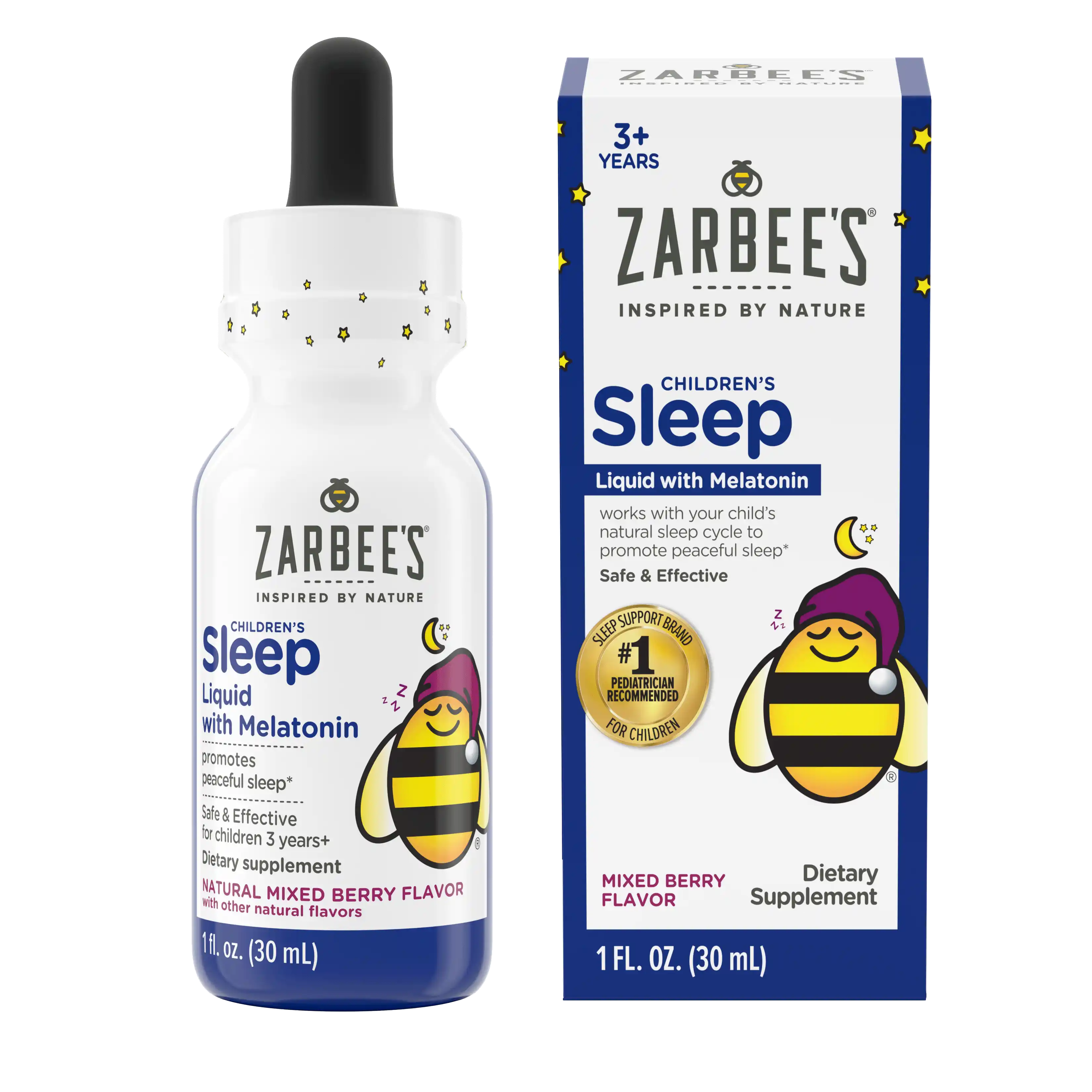
Can I Give A Toddler Melatonin Safely? A Parent’s Guide
Can you give a toddler melatonin? In most cases, pediatricians advise against giving melatonin to toddlers. It is generally not safe as a first choice for sleep issues. Melatonin is a hormone, not a gentle herb. Its effects on young, growing bodies are not fully known. Always talk to your child’s doctor before you even think about giving your toddler melatonin for sleep.
What is Melatonin?
Melatonin is a hormone your body makes naturally. It helps control your sleep and wake times. Your brain makes more melatonin when it gets dark. This tells your body it is time to sleep. Less melatonin is made when it is light. This helps you wake up.
Melatonin supplements are not natural. They are man-made. They aim to boost the melatonin levels in your body. This can help you feel sleepy. But for toddlers, this process is still developing. Giving extra melatonin might mess up their body’s natural sleep rhythm.
Why Parents Consider Melatonin for Toddlers
Many parents struggle with getting their toddlers to sleep. Toddler sleep problems are very common. It can feel really hard. When your child does not sleep, you do not sleep. This makes parents feel tired and hopeless.
You might see ads for melatonin. You might hear friends talk about it. It can seem like a quick fix. You just want your child to rest. You want to rest too. This is a very common feeling. It is normal to look for help when sleep is tough. But it is important to know the facts first.
The Big Question: Is Melatonin Safe for Young Children?
Many parents ask, “Is melatonin safe for young children?” The simple answer is: we do not know enough. There is not much research on how melatonin affects toddlers over time. Most studies are on adults. What works for an adult might not be good for a small child.
The FDA does not check melatonin supplements. This means companies can sell them without proving they are safe or work well. The amount of melatonin in a pill might not be what the label says. It could have other things too. This is a big risk for toddlers. Their bodies are small. They are still growing fast. Any unknown substance can cause big problems.
Most doctors say no to melatonin for young children. They prefer other ways to help kids sleep. These other ways are safer. They teach good sleep habits. This is better for a child in the long run.
Side Effects of Melatonin in Toddlers
Even though melatonin is natural to the body, taking it as a supplement can cause problems. The side effects of melatonin in toddlers can be mild. But they can also be upsetting for a child. And some effects are not well known.
Common side effects often look like this:
- Drowsiness: Your child might be too sleepy the next day. This can make them grumpy or tired.
- Dizziness: They might feel wobbly. This can make them clumsy.
- Nausea: They might feel sick to their stomach. They could even throw up.
- Headaches: Your child might get a headache. They might not be able to tell you this well.
- Worse mood: They might be more irritable. They could cry more.
- Nightmares: Some children report bad dreams.
- Bedwetting: Melatonin might cause more bedwetting in some children.
Less common side effects are also a worry. These are not seen often. But they can be more serious. We do not know the full list of these. This is because young children are not studied enough. The long-term effects are also not known at all. This is a big concern for growing kids. Their bodies are changing quickly.
Melatonin Dosage for Toddlers: A Tricky Topic
There is no standard melatonin dosage for toddlers. Doctors do not have clear guidelines for this. This is because it is not typically recommended for them. If a doctor does suggest it, it is usually for special cases. These are often kids with certain health needs. Even then, they start with a very, very low dose.
Many studies on children use doses like 0.3 mg or 0.5 mg. Some go up to 1 mg. But even these low doses can be too much. It is often said that “less is more” with melatonin. Taking too much can make side effects worse. It might also make the body less able to make its own melatonin later. This is something we do not want for growing kids.
Important: Never guess how much melatonin to give. Never give an adult dose. Never give a child’s dose if a doctor has not told you to. If a doctor says to try it, they will give you a very specific amount. They will tell you how to measure it. They will also tell you how long to use it. This will be for a very short time.
A parent might ask, “How much melatonin for 2 year old?” Again, the answer is usually none. If a doctor suggests it, it will be a tiny amount. It will be for a short time. This is only after checking everything else first.
Forms of Melatonin for Toddlers
Melatonin comes in many forms. You can find it as pills, gummies, chewables, and liquid melatonin for toddlers.
- Gummies and Chewables: These are often sweet. They taste good to kids. This can be a problem. Kids might think they are candy. They might try to eat too many. Also, these often have sugar and other things. Some might have more melatonin than stated on the label. This makes dosing hard and risky.
- Pills: These are usually for older kids or adults. Toddlers can choke on them.
- Liquid Melatonin for Toddlers: This form can be easier to measure. You can give a very small drop. This is good if a doctor tells you to use a tiny dose. But even with liquid, it is easy to give too much. You need to be very careful. Use the dropper that comes with it. Make sure it has clear marks.
No matter the form, always read the label. But remember, these products are not regulated. What is on the label might not be exactly what is in the bottle. This adds to the risk for toddlers.
Pediatrician Recommendation Melatonin
A pediatrician recommendation for melatonin is rare. It is not the first thing a doctor will suggest. Doctors will only think about melatonin in very special cases. They will only do so after trying many other things first. They will also rule out other health problems.
When might a doctor consider it?
- Certain conditions: Some children with conditions like ADHD or autism spectrum disorder might have severe sleep problems. Their bodies might make melatonin differently. Even then, it is used with caution. It is part of a bigger plan.
- Severe, ongoing sleep issues: If a child has very bad sleep problems for a long time. And if nothing else has worked. And if it is truly affecting their health and daily life.
- Specific medical needs: Sometimes, a child might have a medical problem that messes up their sleep. In these rare cases, a doctor might suggest it.
But even in these cases, it is usually for a very short time. It is not a daily, long-term solution. The doctor will watch your child very closely. They will check for any side effects. They will also look for other ways to help. Melatonin is seen as a tool for short-term help. It is not a fix for all sleep problems.
Long Term Effects of Melatonin on Child Development
One of the biggest concerns about giving melatonin to toddlers is the unknown long term effects of melatonin on child development. Children are growing fast. Their brains and bodies are still forming. Melatonin is a hormone. Hormones play a huge role in growth. They affect puberty, growth, and many body functions.
What we do not know is:
- Impact on natural hormone making: Will giving melatonin stop a child’s body from making its own melatonin well? Will it mess up other hormone levels?
- Brain development: Will it affect how a child’s brain grows? Will it change how they learn or feel?
- Puberty: Will it impact when and how a child goes through puberty? Some studies in animals hint at this.
- Sleep patterns later in life: Will using it early make it harder for them to sleep naturally as teens or adults?
There are no long-term studies to answer these questions fully. This is a very big unknown. Because of these unknowns, most doctors are very careful. They prefer to use methods that are proven safe and helpful for long-term growth.
Melatonin for Toddler Sleep Problems: When to Consider Other Options First
If your toddler has sleep problems, melatonin should not be your first thought. It should be a last resort, if even considered at all. Most toddler sleep problems are about habits or needs. They are not about not having enough melatonin.
It is much better to look for the reason your child is not sleeping. Then, you can fix that reason. This helps your child learn to sleep well on their own. This is a skill they need for life.
Here are common reasons why toddlers have trouble sleeping:
- Not enough routine: Kids thrive on routine.
- Too much screen time: Phones, tablets, and TVs can wake up the brain.
- Too much sugar or caffeine: Sugary drinks or snacks too close to bedtime.
- Fear or anxiety: Worries about being alone, bad dreams.
- Growth spurts or teething: Physical discomfort can disrupt sleep.
- Excitement: Being too hyped up before bed.
- Not enough daytime play: Kids need to burn off energy.
- Inconsistent bedtime: Going to bed at different times each night.
Addressing these issues is key. It helps to build healthy sleep habits. This is a lasting solution. Melatonin is not.
Toddler Sleep Aid Alternatives: Natural Sleep Remedies for Toddlers
Instead of melatonin, focus on natural sleep remedies for toddlers. These are safe. They teach your child good sleep habits. They help your child’s body learn to sleep naturally. These are the best toddler sleep aid alternatives.
Establish a Strong Bedtime Routine
A consistent bedtime routine is the most powerful sleep aid. It signals to your child’s brain and body that it is time to wind down.
- Set a Regular Bedtime: Pick a bedtime and stick to it, even on weekends. An hour before this time, start your routine.
- Consistent Steps: Do the same things in the same order every night. This creates a predictable flow.
- Quiet Activities: The routine should be calm and relaxing. Avoid anything exciting.
Create a Calm Bedtime Ritual
What you do during the routine matters. Make it a special, calm time.
- Warm Bath: A warm bath can relax muscles and signal wind-down time.
- Quiet Play: A few minutes of calm, floor play. No running or jumping.
- Story Time: Reading books together is a wonderful way to connect and relax.
- Soft Songs or Lullabies: Gentle music can soothe a child.
- Cuddles and Quiet Talk: A few minutes of loving touch and calm conversation.
- Dim the Lights: Lower the lights in your home an hour before bedtime. This helps the body make its own melatonin.
Optimize the Sleep Environment
The bedroom itself plays a big part in sleep. Make it a sleep haven.
- Dark Room: Make the room as dark as possible. Use blackout curtains. Even a little light can stop melatonin production.
- Quiet Space: Keep noise levels low. Use a white noise machine if outside sounds are a problem.
- Cool Temperature: A room that is too warm makes it hard to sleep. Aim for 68-72°F (20-22°C).
- Safe and Comfortable: Make sure the crib or bed is safe and comfy.
- No Screens: Remove all screens from the bedroom. This includes TVs, tablets, and phones. The blue light from screens can disrupt sleep.
Daytime Habits That Boost Sleep
What your child does during the day affects their sleep at night.
- Regular Naps: Make sure your toddler gets enough daytime naps. Too little sleep can make them overtired, leading to trouble sleeping at night. Too much sleep can also make nighttime sleep hard. Find the right balance for your child.
- Plenty of Physical Activity: Let your child run, jump, and play outside during the day. This burns energy. It also helps them be tired when bedtime comes.
- Balanced Diet: Make sure your child eats healthy, regular meals. Avoid heavy meals close to bedtime.
- Limit Sugary Drinks and Foods: Sugary items, especially late in the day, can make kids hyper.
- Consistent Wake-Up Time: Even on weekends, try to wake your child around the same time. This helps set their body clock.
Addressing Underlying Issues
Sometimes, sleep problems are a sign of something else.
- Fear of the Dark/Separation Anxiety: These are common. Offer comfort. Use a dim nightlight if needed. Make sure your child feels safe.
- Teething/Sickness: Pain or discomfort will make sleep hard. Treat the issue.
- Major Life Changes: Moving, a new sibling, or starting daycare can affect sleep. Be patient and offer extra comfort.
- Sleep Apnea: If your child snores loudly, gasps, or pauses breathing during sleep, see a doctor. This could be sleep apnea.
When to Seek Professional Help
If you have tried everything and your toddler still struggles with sleep, it is okay to get help.
- Pediatrician: Talk to your child’s doctor first. They can check for health issues. They can also offer advice.
- Sleep Consultant: A certified sleep consultant can help you make a custom plan. They can guide you through it.
- Child Psychologist/Therapist: If fears or anxiety are big problems, a therapist can help your child cope.
Here is a table summarizing natural sleep remedies for toddlers:
| Method | What to Do | Why it Helps |
|---|---|---|
| Routine | Stick to a regular bedtime and wake-up time. | Sets the body’s internal clock. |
| Bedtime Ritual | Warm bath, quiet story, lullabies, gentle cuddles. | Signals winding down; calms the brain and body. |
| Sleep Environment | Dark, quiet, cool room (68-72°F/20-22°C), no screens. | Promotes melatonin production; prevents distractions. |
| Daytime Activity | Plenty of running, jumping, playing outside. | Helps burn energy; makes body tired for sleep. |
| Healthy Diet | Balanced meals; limit sugar/caffeine, especially before bed. | Stabilizes blood sugar; avoids stimulants. |
| Address Fears | Comfort fears of dark or being alone; gentle reassurance. | Builds security; reduces anxiety. |
| Consistent Naps | Ensure appropriate nap length for age. | Prevents overtiredness or undertiredness. |
When to See a Doctor About Toddler Sleep
You should see a doctor about your toddler’s sleep if:
- Sleep problems are severe and ongoing: If your child often takes hours to fall asleep or wakes many times a night.
- You notice breathing issues: Loud snoring, gasping, or pauses in breathing during sleep.
- Your child seems overly tired during the day: They are always sleepy, irritable, or have trouble focusing.
- They have extreme night terrors or sleepwalking often: These can be very upsetting.
- Their sleep problems affect their health or mood: They are often sick, grumpy, or their behavior changes.
- You have tried many natural methods without success.
Your doctor can check for health problems. They can also offer guidance. They can help you find the best path for your child.
Frequently Asked Questions (FAQ)
Q: Can I give my 1-year-old melatonin?
A: No, giving melatonin to a 1-year-old is generally not advised. Their sleep patterns are still forming. Doctors rarely recommend it at this young age. Focus on routines and good sleep habits first.
Q: What is the best natural sleep aid for toddlers?
A: The best natural sleep aid for toddlers is a strong, consistent bedtime routine. This includes a calm ritual, a dark and quiet room, and plenty of daytime activity. It helps your child’s body naturally prepare for sleep.
Q: How long does melatonin take to work in toddlers?
A: If given, melatonin usually takes 30 to 60 minutes to make a child feel sleepy. But it is not a magic pill. It does not always make a child sleep through the night. Its effects can vary widely among children.
Q: Is there a “safe” dose of melatonin for toddlers?
A: No, there is no widely accepted “safe” dose for toddlers. Doctors do not have standard guidelines. If a doctor suggests it in rare cases, they will tell you a very specific, tiny amount. This is often 0.3 mg to 0.5 mg, and only for a short time.
Q: Can melatonin make toddlers hyper?
A: Yes, in some children, melatonin can have the opposite effect. Instead of making them sleepy, it can make them more active or irritable. This is called a “paradoxical” effect. It is another reason to be careful.
Final Thoughts
Giving a toddler melatonin is a choice that needs great care. Most doctors say it is not a good idea for most toddlers. The lack of research, unknown long-term effects, and side effects are big worries. It is always best to talk to your child’s doctor first.
Instead, put your energy into creating healthy sleep habits. A consistent routine, a calm sleep space, and good daytime activities are powerful tools. They help your child learn to sleep well on their own. This skill will help them for years to come. Remember, you are building good sleep for life.