
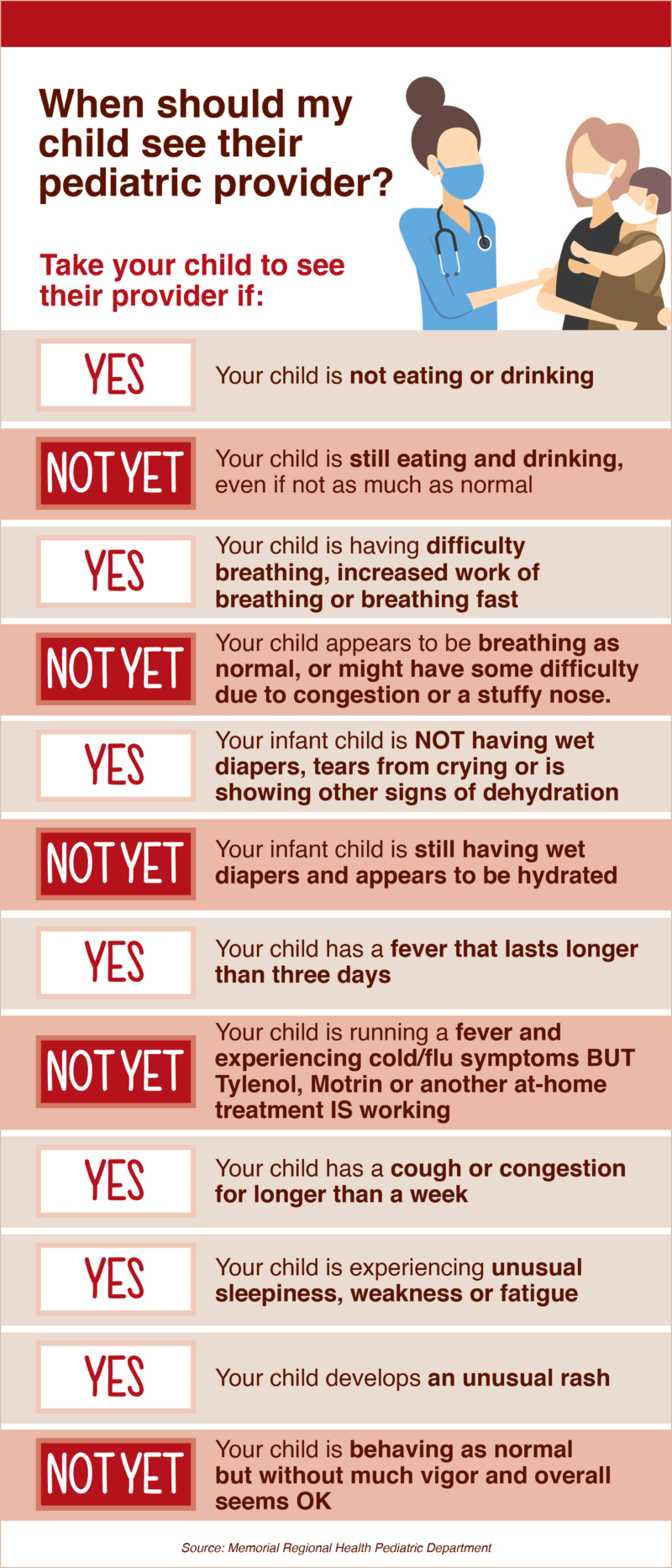
Image Source: memorialregionalhealth.com
Know When: How Many Days Of Fever Before Doctor Toddler
When your toddler has a fever, knowing when to see a doctor is a big worry for parents. For most toddlers, a fever that lasts more than two to three days needs a doctor’s check. This is especially true if other worrying signs appear. These signs are often called toddler fever warning signs. If your child is younger than three months and has any fever (even a low one), see a doctor right away. For an infant aged three to six months with a fever over 102°F (38.9°C), call the doctor. If your 2-year-old has a high fever or seems very sick, do not wait; call your doctor. It is smart to talk to your doctor early if you feel unsure. This helps prevent bigger issues later.
Grasping What Fever Means
A fever is not a sickness itself. It is a sign that your child’s body is fighting off an illness. It is a good sign that their immune system is working. A fever means your child’s body temperature is higher than normal. For kids, a temperature of 100.4°F (38°C) or higher is a fever.
Most fevers in toddlers are caused by small infections. These are often viruses. They can be things like colds or the flu. Sometimes bacteria can cause a fever. This could be an ear infection or a throat infection. Knowing what a fever is helps you decide what to do.
Taking Your Toddler’s Temperature Safely
Taking your child’s temperature the right way is key. It helps you know if they have a fever. It also helps you track how high it is. There are a few ways to do this.
Different Ways to Check Temperature
- Rectal (in the bottom): This is the best way for young babies and toddlers. It gives the most exact reading. Use a digital thermometer. Put a little petroleum jelly on the tip. Gently put it about half an inch into the bottom. Wait for the beep.
- Armpit (axillary): This is easy to do but not as exact. Put the thermometer in your child’s armpit. Make sure their arm stays close to their body. Wait for the beep. This method often reads lower than the true body temperature.
- Forehead (temporal artery): These thermometers are quick. They scan the forehead. They are good for quick checks. But they might not be as exact as rectal readings.
- Ear (tympanic): These work fast. They measure heat in the ear canal. They are good for kids over 6 months old. Make sure you use it right. The thermometer needs to fit well in the ear.
Tips for Checking Temperature
- Always read the directions for your thermometer.
- Wash the thermometer with soap and water or rubbing alcohol after each use.
- Keep your child calm. This makes it easier to get a good reading.
- Do not take a temperature right after a bath or a lot of running around. Wait about 30 minutes.
When to Worry About Toddler Fever
Not all fevers are serious. But some signs mean you should get help fast. It is important to watch your child, not just the number on the thermometer. When to worry about toddler fever depends on how your child acts. It also depends on other signs they show.
High Fever Toddler Medical Attention
A high fever in a toddler can be scary. But a high number alone is not always the main problem. A child with a high fever who is playing and drinking may be fine. A child with a low fever who seems very sick needs quick care. Still, very high fevers do need attention.
- For any child under 3 months: Any fever at all (100.4°F / 38°C or higher) needs a doctor right away. Their bodies cannot fight sickness well yet.
- For a child 3 to 6 months old: Call the doctor if their temperature is 102°F (38.9°C) or higher. Also call if they seem sick or fussy.
- For a child over 6 months: Call the doctor if the fever is 103°F (39.4°C) or higher. Also call if they have other worrying signs.
Toddler Fever Warning Signs
These are signs that your child might need medical help soon. Look for these symptoms requiring doctor for toddler fever:
- Trouble breathing: Fast breathing, working hard to breathe, or wheezing sounds.
- Skin changes: A rash that looks like small red or purple dots (petechiae) that do not fade when you press on them. Pale, gray, or blotchy skin.
- Very sleepy or hard to wake up: Your child is not acting like themselves. They are very tired. They do not respond to you.
- Stiff neck: Your child has trouble bending their neck forward.
- Severe headache: They complain of a very bad head pain.
- Constant crying: Crying that you cannot comfort. This is not normal for your child.
- Refusing to drink: Your child will not take any liquids. This can lead to dehydration.
- Fewer wet diapers: This is a sign of not enough fluids.
- Signs of dehydration: Dry mouth, no tears when crying, sunken eyes.
- Pain when peeing: Your child cries or strains when they try to pee.
- Seizure: Your child shakes all over. Their eyes might roll back. This is a febrile seizure. Most are not harmful but need a doctor’s check.
- Fever comes and goes for more than 24 hours: If the fever goes away and then comes back quickly.
If you see any of these toddler fever warning signs, call your doctor or get medical help.
Fever Duration Limits for Toddlers
How long a fever lasts is a big clue. This helps decide if you need to see a doctor. There are fever duration limits for toddlers. Watching how long the fever stays is part of child fever home monitoring duration.
Persistent Fever Toddler When to Seek Help
A fever that just will not go away is called a persistent fever. This needs a doctor’s visit.
- For toddlers over 6 months: If the fever lasts more than 3 days (72 hours), even if other signs are mild, call your doctor.
- Fever that comes and goes: If your child’s fever gets better and then comes back after a few days, call your doctor. This could mean a new infection or one that is not getting better.
It is important to remember that a fever that lasts a long time can use up your child’s energy. It can also hide other problems. So, if the fever goes on, it is time to get medical advice.
Toddler Fever Doctor Visit Guidelines
Knowing when to call the doctor is part of being a parent. These toddler fever doctor visit guidelines help you make that choice. They are based on pediatrician recommendations toddler fever.
When to Call the Doctor Based on Age and Temperature
| Age of Child | Temperature | Action Needed |
|---|---|---|
| Under 3 Months | 100.4°F (38°C) or higher (rectal) | Call doctor right away. This is an emergency. |
| 3 to 6 Months | 102°F (38.9°C) or higher | Call doctor. |
| Under 102°F (38.9°C) but child seems very sick | Call doctor. | |
| Over 6 Months | 103°F (39.4°C) or higher | Call doctor. |
| Any temperature, but child seems very sick | Call doctor. | |
| Fever lasts more than 3 days (72 hours) | Call doctor. | |
| Fever comes and goes for more than 24 hours | Call doctor. | |
| Fever with a new rash | Call doctor. |
Other Reasons to Call the Doctor for a Toddler Fever
Even if the temperature is not very high, you should call your doctor if:
- Your child has a chronic health problem: Like heart problems, cancer, or a weak immune system. Fevers can be more serious for them.
- Your child has had a recent vaccine: A low fever for a day or two after a shot is normal. But a high fever or a long fever needs a check.
- You are worried: Trust your gut feeling. If something just feels wrong, call your doctor. They are there to help.
- The fever comes with specific pains: Like a severe earache, sore throat that makes it hard to swallow, or tummy pain.
- Fever in 2 year old when to call doctor: For a 2-year-old, the same rules apply as for older toddlers regarding high temperatures or persistent fevers. However, pay extra attention to changes in their behavior. If they are much less active, refuse to drink, or seem confused, call the doctor.
Caring for a Toddler with Fever at Home
While you watch for warning signs, you can do things at home to help your child feel better. This is part of child fever home monitoring duration.
Making Your Child Comfortable
- Offer fluids often: Water, clear soups, juice (diluted), or special electrolyte drinks for kids. Keep offering small amounts often. Staying hydrated is very important.
- Dress lightly: Do not overbundle your child. Light clothes help the body cool down.
- Keep the room cool: Set the room temperature to a comfortable level. Avoid a hot room.
- Use fever reducers if needed: Medicines like ibuprofen (for kids 6 months and older) or acetaminophen can help bring the fever down. Always read the label for the right dose for your child’s weight. Do not give aspirin to children or teens.
- Lukewarm bath: A quick bath in lukewarm water can help cool your child. Do not use cold water or alcohol rubs. These can be dangerous.
- Rest: Encourage your child to rest. They do not need to stay in bed all day. Quiet play is fine.
Monitoring Your Child’s Condition
- Watch their behavior: This is the most important thing. Is your child playing a little? Are they taking fluids? Do they smile at you? Or are they very sleepy and cranky?
- Keep a fever log: Write down the time, temperature, and any medicine given. Also note how your child seems. This helps you and the doctor see patterns.
- Check for dehydration signs: Look for dry mouth, fewer wet diapers, no tears, or sunken eyes.
- Look for new symptoms: A new rash, vomiting, or trouble breathing means you should call the doctor.
When to Call Emergency Services
Sometimes, a fever needs very fast help. Call 911 (or your local emergency number) right away if your toddler has a fever and any of these signs:
- Trouble breathing or blue lips.
- A seizure that lasts more than 5 minutes.
- Stiff neck with fever.
- A rash that looks like tiny red or purple dots that do not fade when pressed.
- Extreme fussiness or pain that you cannot soothe.
- Is very floppy or does not respond to you at all.
- Has just had surgery or a medical procedure.
- Has a serious health problem and now has a fever.
Deciphering Fever: What the Number Means
It is easy to focus only on the temperature number. But the number itself is not the whole story. Deciphering fever means looking at the big picture.
A temperature of 103°F might not be as serious as 101°F. It all depends on how your child looks and acts. A child with a high fever who is still playing may be less sick than a child with a lower fever who is very sleepy and unresponsive.
The main point is to watch your child. Are they still smiling? Are they drinking liquids? Are they making eye contact? These are good signs. If they are not doing these things, then it is time to worry. The fever number gives you a clue. But your child’s overall state gives you the answer.
Preventing Fever and Other Illnesses
While you cannot stop all fevers, you can take steps to keep your child healthy. This can lower how often they get sick.
- Wash hands often: Teach your child to wash their hands. Make sure you wash your hands often too. Use soap and water for at least 20 seconds. Hand sanitizer is good when soap is not around.
- Stay away from sick people: Try to keep your child away from others who are coughing or sneezing.
- Get vaccines: Make sure your child gets all their shots on time. Vaccines protect against many serious diseases that cause fever.
- Healthy habits: Make sure your child eats well, sleeps enough, and gets exercise. These things help their body fight off germs.
- Clean surfaces: Clean toys and surfaces that your child touches often.
- Do not share cups or utensils: This helps stop germs from spreading.
Key Takeaways for Toddler Fever
- A fever is your child’s body fighting germs.
- The age of your child matters a lot. Any fever under 3 months is a big deal.
- Watch your child’s behavior more than just the temperature number.
- A fever lasting more than 3 days (72 hours) needs a doctor’s check. This is a key fever duration limit for toddlers.
- Know the toddler fever warning signs that mean you need help fast.
- Keep your child hydrated and comfortable at home.
- Always call your doctor if you are worried. Trust your instincts.
Frequently Asked Questions (FAQ)
Q1: What temperature is considered a fever in a toddler?
A: A temperature of 100.4°F (38°C) or higher is considered a fever in a toddler. This is usually measured rectally for the most accuracy.
Q2: Can a high fever cause brain damage in a toddler?
A: No, in almost all cases, a fever itself does not cause brain damage. The brain has its own thermostat. Brain damage from heat usually happens with extreme heatstroke, not common fever. Febrile seizures can happen, but they do not cause brain damage.
Q3: My toddler just had a vaccine and now has a fever. Is this normal?
A: Yes, a low-grade fever (up to 102°F or 38.9°C) for one to two days after a vaccine is common. It means your child’s body is building protection. If the fever is very high or lasts longer, call your doctor.
Q4: When should I give my toddler fever medicine?
A: Give fever medicine (like acetaminophen or ibuprofen, if old enough) if your child is uncomfortable. Do not give it just because of the number on the thermometer. If your child is playing and seems fine, medicine may not be needed. Always check the dose for their weight.
Q5: What is a febrile seizure and how serious is it?
A: A febrile seizure is a fit or convulsion that happens when a child has a fever. It usually happens in children from 6 months to 5 years old. Most febrile seizures are short and do not cause harm to the child’s brain. But it can be very scary to see. If your child has a febrile seizure, get medical help. Call 911 if it lasts more than 5 minutes. Your doctor will want to check your child after any seizure.
Q6: How can I tell if my toddler is dehydrated when they have a fever?
A: Look for these signs:
* Fewer wet diapers (or no wet diapers for 8-12 hours).
* Dry mouth and tongue.
* No tears when crying.
* Sunken eyes.
* Less active or very sleepy.
If you see these signs, call your doctor right away. Keeping your child drinking fluids is very important.
Q7: Should I wake my toddler up to give them fever medicine?
A: No, generally, you do not need to wake a sleeping child to give fever medicine. Rest is important for healing. If your child is sleeping peacefully and seems comfortable, let them sleep. Only wake them if your doctor told you to do so for a special reason.
Q8: What if my toddler’s fever goes away and then comes back?
A: If a fever goes away for a day or so and then comes back, it is a good idea to call your doctor. This could mean a second infection. It might also mean the first infection is not fully gone. Your doctor can help figure out the cause. This falls under persistent fever toddler when to seek help guidelines.