
Can a toddler have melatonin safely? This is a common question for tired parents. The short answer is: generally, no, not without a doctor’s clear advice. Melatonin is not a magic sleep cure for toddlers. It is not always safe for them. Giving melatonin to toddlers should only happen if a pediatrician says it is okay. They will also tell you when to give toddler melatonin, if at all. This is very important.
Image Source: images.ctfassets.net
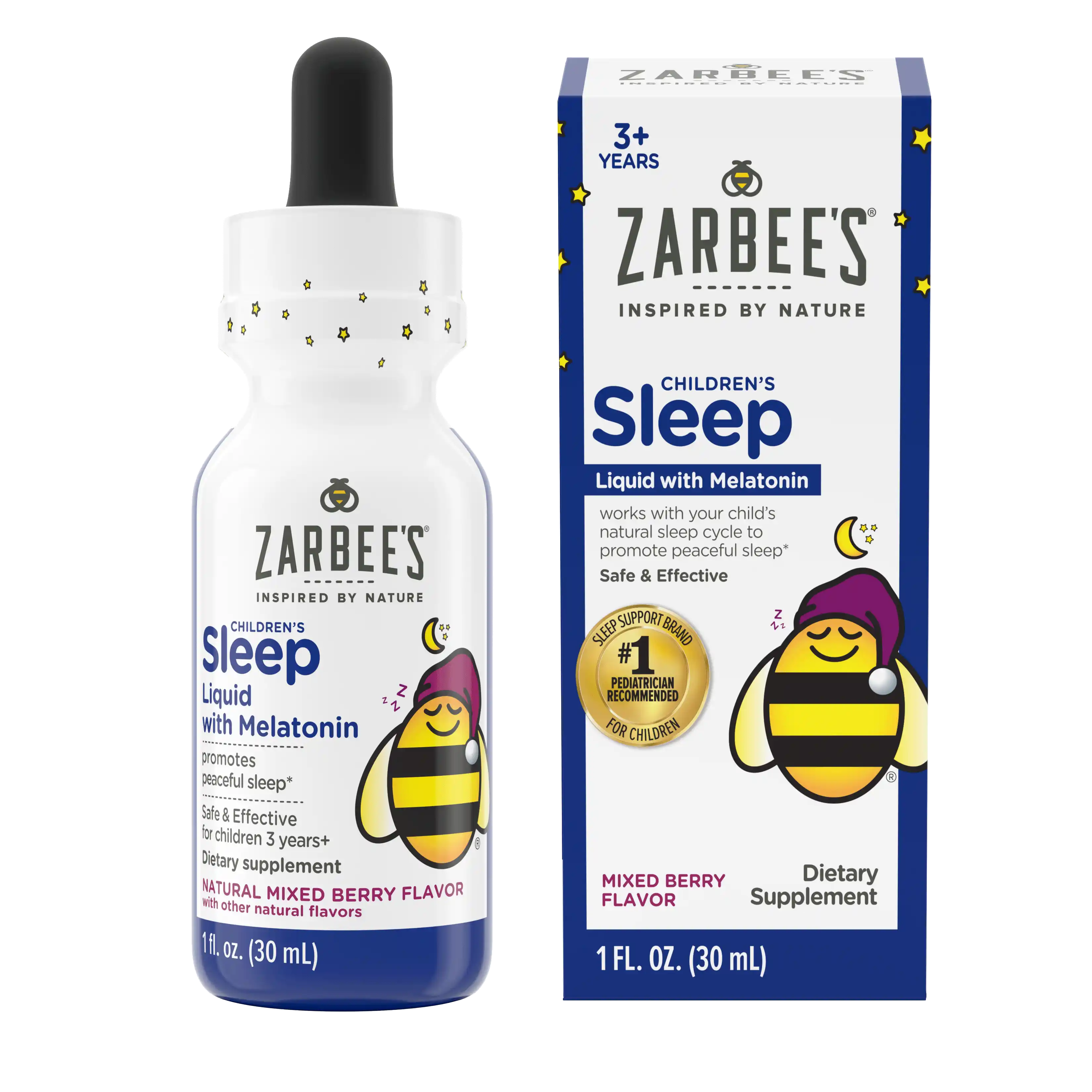
Grasping Melatonin for Young Children
Melatonin is a natural hormone. Your body makes it. It helps control your sleep and wake times. It works with your body’s clock. This clock tells you when to sleep and when to be awake. Darkness makes your body make more melatonin. This helps you feel sleepy. Light makes it make less. This helps you wake up.
Some people take melatonin as a supplement. They hope it will help them sleep. These supplements are often made in labs. They are not regulated like medicines. This means they do not have strict rules for how they are made.
For adults, melatonin can help with some sleep issues. These include jet lag or shift work. But children are different. Their bodies are still growing. They react to things in new ways.
Is Melatonin Safe for Toddlers? A Closer Look
Many parents look for solutions when their child does not sleep. Melatonin might seem like an easy answer. But doctors often warn against it for toddlers. They say it is not fully safe.
There are many reasons for this warning. One big reason is a lack of research. Scientists have not studied melatonin enough in young children. We do not know what it does to them long-term. We do not know if it is truly safe for their growing bodies.
Another concern is that melatonin supplements are not medicines. The FDA does not check them closely. This means a bottle might not have what its label says. It might have too much melatonin. It might have too little. It could even have other things not listed. This makes giving melatonin to a toddler very risky. You cannot be sure of what you are giving them.
Toddlers need a lot of sleep. Good sleep helps them grow. It helps their brains learn. Poor sleep can be hard for families. But using melatonin without a doctor’s clear OK is not wise. Always talk to your child’s doctor first. They can help you find safe ways to help your child sleep better.
Pediatrician Recommendations: What Doctors Say
Pediatricians are children’s doctors. They know a lot about young bodies. Most pediatricians do not suggest melatonin for toddlers. They say to try other things first. They want to make sure your child is healthy.
If a toddler has sleep problems, the doctor looks for the cause. It could be something simple. Maybe the child is not tired enough. Maybe the bedtime routine is not good. Sometimes, a child has a health problem. This problem could stop them from sleeping.
Doctors might only think about melatonin for a few kids. These are kids with special needs. Or kids with certain medical issues. For example, some kids with ADHD have trouble sleeping. Some kids with autism also have sleep issues. In these cases, a doctor might suggest melatonin. But they will watch the child closely. They will start with a very small amount.
Your pediatrician is your best helper. They know your child’s health history. They can give advice for your specific child. Do not buy melatonin without talking to them. Do not start giving it to your child on your own.
Melatonin Dosage for Toddlers: A Tricky Subject
There is no standard dose for melatonin for toddlers. This is because doctors do not usually suggest it. The bottles you buy do not have child-specific doses. They are made for adults.
Even if a doctor does suggest melatonin, the dose will be very low. It will be much smaller than an adult dose. They might start with 0.5 mg. They might go up to 1 mg. This is a tiny amount. It is hard to measure small amounts accurately.
Giving too much melatonin can cause problems. It can make a child too sleepy. It can make them grumpy the next day. It can also cause other side effects.
Because there is no set dose, it is easy to give too much. This is another reason why it is risky. You cannot guess the right amount. Your child’s body weight and age matter. But there is no science to guide the dosage for a toddler.
If a doctor does suggest melatonin, they will tell you the exact dose. They will also tell you how to give it. They will explain how to watch for problems. Do not try to figure out the dose yourself.
Toddler Melatonin Side Effects: What Can Happen?
Even though melatonin is natural, it can still cause side effects. This is true for toddlers, too. Their bodies are small and sensitive.
Here are some side effects that can happen:
- Drowsiness or Sleepiness: Your child might be too sleepy the next day. They might seem groggy.
- Dizziness: They might feel unsteady.
- Nausea: They might feel sick to their stomach.
- Diarrhea: Loose stools can occur.
- Headache: Some children might get a headache.
- Irritability: Your child might seem fussy or upset.
- Nightmares or Vivid Dreams: Melatonin can affect dreams.
- Bed-wetting: Some parents report this as a side effect.
- Allergic reactions: Though rare, a child could be allergic. Look for hives or trouble breathing. This is an emergency.
Also, melatonin can affect other medicines. It can make them work differently. Or it can make their side effects worse. Always tell your doctor about all medicines your child takes. This includes vitamins and supplements.
The biggest unknown is how melatonin affects a child’s brain. Their brain is still growing very fast. We do not know if melatonin changes this growth. We do not know if it can affect their natural sleep cycle long-term. This is a very serious concern for doctors.
Long-Term Effects of Melatonin on Toddlers: The Uncharted Territory
This is a big concern for doctors and parents. We do not know the long-term effects of melatonin on toddlers. There are no studies that follow children for many years. We do not know what happens if they take it every night.
Think about a child’s body. It makes its own melatonin. What happens if you add extra melatonin from a bottle? Could it make their body stop making its own? This is a worry. If the body stops, then the child might need to take melatonin forever to sleep. This is not what we want for a growing child.
Also, melatonin helps control other hormones. Hormones are body messengers. They tell the body to do many things. They help with growth and puberty. Could melatonin affect these other hormones? Could it change how a child grows? We do not know. This is a big unknown risk.
Because of these big unknowns, doctors are very careful. They want to avoid any risk to a child’s long-term health. This is why they only suggest melatonin in very special cases. Even then, they use the lowest dose for the shortest time.
Melatonin Gummies for Kids Safety: A Sweet Trap?
Melatonin gummies are popular. They look like candy. They taste sweet. This makes them very appealing to children. But this also makes them very dangerous.
Here are reasons why melatonin gummies for kids safety is a big worry:
- Overdose Risk: Kids love candy. They might eat many gummies. If they eat too many, they can get too much melatonin. This can lead to serious side effects. It can make them very sleepy. They might have trouble breathing.
- Uneven Dosing: Each gummy might not have the same amount of melatonin. Some might have more, some less. This makes it hard to give the right dose.
- Choking Hazard: Gummies can be a choking risk for young children.
- Hidden Ingredients: Like other supplements, gummies are not tightly checked. They might have other things not on the label. Some might have sugar or dyes.
- Teeth Problems: The sugar in gummies can hurt teeth. This can lead to cavities.
Parents might think gummies are safe because they are made for “kids.” But these are often for older children or teens. They are not made for toddlers. Always keep all medicines and supplements away from young children. Treat melatonin gummies like any other medicine. Lock them up. Keep them out of reach.
When to Give Toddler Melatonin: Very Specific Cases
Most toddlers do not need melatonin. Their sleep problems can be fixed in other ways. But in very rare cases, a doctor might suggest it. This is only after trying everything else.
Here are situations where a doctor might consider it:
- Severe Sleep Disorder: If a child has a medical sleep problem. This is not just a child who fights bedtime. This is a real diagnosed condition.
- Neurodevelopmental Conditions: Children with autism or ADHD sometimes have very hard sleep issues. Their natural sleep rhythms can be off. A doctor might try melatonin here.
- Major Routine Changes (Short-Term): For example, severe jet lag from long trips. But this is usually for a very short time. It is not for everyday use.
- Certain Medical Procedures: Sometimes, a doctor might use a tiny dose to help a child sleep for a medical test. This is done under strict medical watch.
It is key to remember: these are special cases. They are not for common toddler sleep struggles. Your doctor will make this choice. They will weigh the pros and cons. They will make sure it is the only option. They will also give you clear instructions on when to give toddler melatonin and how much.
For the vast majority of toddlers, regular melatonin use is not needed. It is not helpful. It could be harmful.
Natural Sleep Aids for Toddlers: Gentle Ways to Rest
Before thinking about any supplement, try natural ways. These are safe. They often work very well. They help a child learn to sleep on their own.
Here are some natural sleep aids for toddlers:
- Good Bedtime Routine: A calm, steady routine is number one.
- Start Early: Begin the routine about an hour before sleep.
- Warm Bath: A warm bath can relax muscles.
- Quiet Play: No rough play. No screen time.
- Read Books: Reading a story is calming.
- Cuddles: Gentle hugs and quiet talk.
- Dim Lights: Make the room dark and peaceful.
- Consistent Time: Go to bed at the same time every night. This helps set the body’s clock.
- Comfortable Sleep Space:
- Dark Room: Make it as dark as possible. Use blackout curtains.
- Cool Room: A slightly cool room is best for sleep. Around 68-72°F (20-22°C).
- Quiet Place: Use a white noise machine if needed. It can block out other sounds.
- Cozy Bed: Make sure bedding is comfy.
- Active Days:
- Lots of Play: Let your child run and play a lot during the day. This helps them use energy.
- Sunshine: Get outside in daylight. This helps set their body clock.
- Healthy Food:
- Balanced Meals: Give healthy food. Avoid sugary drinks close to bedtime.
- No Caffeine: No soda or other drinks with caffeine.
- Limit Screen Time:
- No Screens Before Bed: Turn off TVs, tablets, and phones at least an hour before sleep. The blue light from screens can keep brains awake.
These natural ways build good sleep habits. They teach your child’s body how to get ready for sleep. They are safe for all toddlers.
Melatonin Alternatives for Toddlers: Building Sleep Skills
If natural methods need a boost, focus on behavior changes. These are safe and help your child learn. They are good melatonin alternatives for toddlers.
- Sleep Training Methods: There are many ways to teach a child to sleep.
- Fading: Slowly reduce how much you help your child sleep.
- Chair Method: Sit in a chair in their room. Move it closer to the door each night.
- Check and Console: Go in to check on them, but do not pick them up. Offer quick comfort.
- Bedtime Fading: Put them to bed later, then slowly move the time earlier. This helps if they are not sleepy at bedtime.
- Address Fears: Toddlers can have fears.
- Night Lights: A dim night light might help.
- Monster Spray: A silly “monster spray” (water in a bottle) can calm fears.
- Talk About It: Let them talk about their worries during the day.
- Consistent Wake-Up Time: Even on weekends, try to wake them up at the same time. This helps keep their body clock steady.
- Nap Schedule: Make sure naps are not too long or too close to bedtime.
- Short Nap: Some toddlers need shorter naps as they grow.
- Earlier Nap: Move the nap earlier in the day.
- Praise Good Sleep: Tell your child how proud you are when they sleep well. Give them a sticker or small reward.
These methods help your child build independent sleep skills. They teach their brain and body what to do at bedtime. They are much safer than giving melatonin.
Deciphering Persistent Sleep Problems
Sometimes, sleep problems are more than just a bad habit. They can be a sign of something else. This is when your doctor can help a lot.
What kinds of things might cause hard sleep issues?
- Sleep Apnea: This is when a child stops breathing for short times during sleep. They snore loudly. They might gasp. They might seem tired all day. This needs a doctor’s care.
- Restless Legs Syndrome: This makes legs feel tingly or crawly. It makes a child want to move their legs. It can be hard for them to fall asleep.
- Allergies or Asthma: If a child is stuffy or coughs, it can make sleep hard.
- Reflux: Stomach acid can come up the throat. This can be painful when lying down.
- Sensory Processing Issues: Some children are very sensitive to sounds or textures. This can make it hard to calm down for sleep.
- Anxiety: Toddlers can feel anxious. This can make them worry at bedtime.
- Iron Deficiency: Low iron can sometimes cause sleep problems.
If you have tried all the natural tips and your child still struggles, talk to your doctor. They can check for these deeper issues. They can suggest other steps. They might send you to a sleep doctor for children. This kind of doctor is an expert in child sleep.
A Path to Better Toddler Sleep: Practical Advice
Building good sleep habits is a process. It takes time and patience. Here is a simple guide to help your toddler sleep better without melatonin:
1. Create a Rock-Solid Bedtime Routine:
* Time it right: Start your routine at the same time every night.
* Keep it calm: Baths, stories, and quiet play are great.
* Limit light: Dim the lights as bedtime gets closer.
* Consistency is key: Do the same things in the same order every night.
2. Make the Sleep Space a Haven:
* Darkness reigns: Use blackout curtains to block light.
* Cool and comfy: Keep the room cool and cozy.
* Quiet zone: Use a white noise machine if your home is noisy.
3. Power Down Screens:
* No screens before bed: Turn off all screens at least an hour before sleep.
* Reading is better: Encourage reading books instead.
4. Ensure Enough Daytime Activity:
* Play hard: Let your toddler run, jump, and play outside during the day.
* Sunlight exposure: Get them outside for natural light.
5. Mind the Naps:
* Consistent naps: Keep nap times regular.
* Watch the clock: Make sure naps are not too long or too close to bedtime.
6. Offer Healthy Foods:
* Balanced meals: Give nutritious meals.
* Avoid sugary snacks: No sugary drinks or treats near bedtime.
7. Be Patient and Persistent:
* Changes take time: It can take weeks to build new sleep habits.
* Stay strong: Stick with your plan. Your child will learn.
8. Talk to Your Pediatrician:
* When to seek help: If sleep problems continue after trying these tips.
* Medical concerns: If you worry about sleep apnea or other health issues.
Table: Natural Sleep Aids vs. Melatonin for Toddlers
| Feature | Natural Sleep Aids (Behavioral) | Melatonin for Toddlers (Supplement) |
|---|---|---|
| Safety | Very safe, no known side effects | Safety not fully known, potential side effects |
| Regulation | No regulation needed | Not regulated like medicine, quality varies |
| Long-Term Effects | Builds healthy, lasting sleep skills | Unknown, potential long-term risks |
| Body’s Own Melatonin | Encourages body to make its own melatonin | May reduce body’s own melatonin production |
| Accessibility | Easy to start at home, no cost | Can buy over-the-counter, varying cost |
| Doctor’s Recommendation | Often the first advice from pediatricians | Rarely recommended, only for specific cases |
| Primary Goal | Teach independent sleep, improve sleep habits | Induce sleep chemically (short-term) |
| Side Effects | None | Drowsiness, dizziness, nausea, irritability, etc. |
| Usage | Daily, consistent routine | Very short-term, specific medical cases only |
This table makes it clear that natural sleep aids are the preferred and safer option for toddlers.
Frequently Asked Questions (FAQ)
Q1: What is the main risk of giving melatonin to a toddler?
The main risk is that we do not know its long-term effects. Melatonin supplements are also not regulated. This means you cannot be sure of what is in the bottle. There is also a risk of side effects.
Q2: Can melatonin help a toddler with sleep problems from teething?
No, melatonin is not for teething pain. It will not help with the discomfort. Use pain relief for teething, like an infant pain reliever, if suggested by your doctor. Melatonin is not a painkiller.
Q3: My toddler wakes up many times at night. Should I give them melatonin?
Waking up often is common for toddlers. Melatonin is usually not the answer. Focus on a strong bedtime routine. Make sure their room is dark and quiet. Talk to your doctor if it keeps happening. They can check for other causes.
Q4: How quickly does melatonin work in toddlers if given?
If a toddler takes melatonin, it might make them sleepy in about 30 to 60 minutes. But this can be different for each child. Remember, it is not a guaranteed sleep switch.
Q5: Is there a natural melatonin for toddlers?
Your toddler’s body makes its own natural melatonin. You cannot buy “natural melatonin” as a supplement. The supplements are made in labs. The best way to help your child make their own melatonin is with a good sleep routine. Make sure they get enough sunlight during the day. Make their room dark at night.
Q6: What if my toddler accidentally takes melatonin gummies?
If your toddler eats melatonin gummies, call poison control right away. The number is 1-800-222-1222. Even if they seem fine, get medical advice. Gummies often have too much melatonin for toddlers. They can also have other things in them.
Q7: Will melatonin fix my toddler’s early morning waking?
Melatonin often only helps with falling asleep. It does not always help with staying asleep. It might not help with early morning waking. A better approach is to keep a consistent wake-up time. Make sure their room stays dark in the early morning.
Concluding Thoughts: Prudence and Care
When it comes to your toddler’s sleep, care and caution are key. Melatonin might seem like a quick fix. But it is not a safe choice for most young children. The science is just not there to say it is fully safe. There are too many unknowns about its long-term effects on growing bodies.
Instead, put your energy into building strong, healthy sleep habits. A calm bedtime routine, a dark and quiet room, and lots of daytime activity are powerful tools. These methods help your child’s body learn how to sleep naturally. They are safe. They teach skills for life.
If your toddler has very hard sleep problems, always talk to their pediatrician. They can look for causes. They can guide you to safe solutions. Your child’s doctor is your best partner in their health journey. Trust their advice. Choose healthy habits over unproven supplements for your little one’s sleep.