
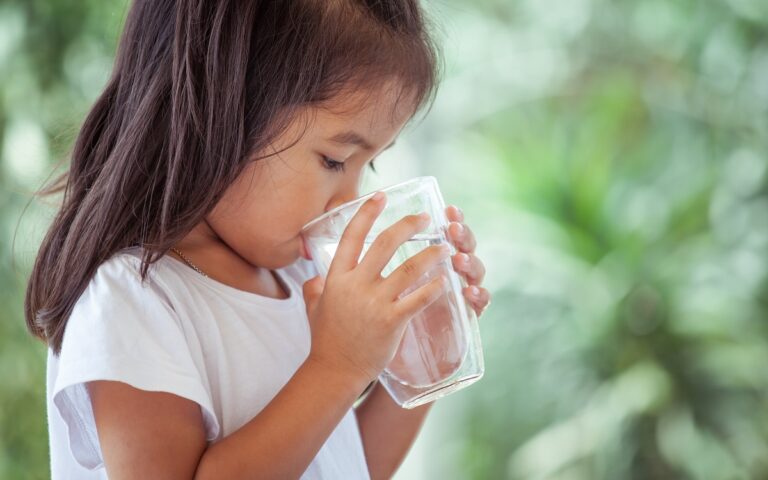
Image Source: assets.thebraintumourcharity.org
Common Causes: Why Is My Toddler Always Thirsty Explained
Is your toddler always thirsty? Do they ask for drinks constantly? It can be worrying for parents. Often, a child’s increased thirst is just normal. They are growing fast. They are very active. They need more fluids. But sometimes, being always thirsty can be a sign. It might point to a small issue. Or, rarely, it might point to a more serious health problem. This guide will help you know the difference. We will explore why your toddler might be constantly drinking water. We will also show you warning signs to watch for.
Normal Thirst: Why Your Toddler Needs Fluids
Toddlers are busy. They run, jump, and play all day. All this activity makes them thirsty. It is a healthy sign. Their bodies need a lot of water. Water helps them grow. It keeps their organs working right.
Growing Bodies Need More Water
Think about how fast your toddler grows. They change every day. This rapid growth needs fuel. It needs water. Water helps build new cells. It carries nutrients where they need to go. Young children have a higher water need per pound of body weight than adults. This is just how their bodies work.
Active Play Makes Them Thirsty
Your toddler is a little energy ball. They burn a lot of calories. They sweat, even when you do not notice it. This sweating loses water. So, they need to drink more to replace it. A child playing hard will drink more. This is perfectly normal. It is a good sign they are active.
Weather and Environment
The weather also plays a part. On hot days, kids sweat more. This makes them very thirsty. They need to drink more water to stay cool. Dry air can also be a cause. Air conditioning or heating can dry out the air. This makes little mouths and throats feel dry. A dry throat makes them want to drink more.
Food Choices Affect Thirst
What your toddler eats matters. Salty snacks can make anyone thirsty. Foods high in sugar can also make them want more water. This is because salt and sugar change the body’s fluid balance. Giving your toddler healthy snacks can help. Fruits and vegetables have water in them.
Moving from Milk to Water
As toddlers get older, they drink less milk. They start to drink more water. This is a natural step. Their bodies are learning to rely on water for hydration. This means they will ask for water more often.
Signals of Too Much Thirst: When to Watch Closely
Sometimes, thirst goes beyond normal. It becomes excessive thirst. Doctors call this polydipsia. If your toddler is always thirsty, it could be a sign. But how do you know if it is too much?
What is Polydipsia in Toddlers?
Polydipsia means drinking much more than normal. It is more than just wanting a drink after playing. It means constantly asking for water. They might even try to drink from unusual places. Or they might cry for water. They might seem obsessed with getting a drink. This is one of the key polydipsia in toddlers symptoms.
How to Spot Excessive Thirst
It can be hard to tell what is “too much.” Here are some signs:
- Constant Requests: Your toddler asks for a drink every few minutes.
- Always Sipping: They always have a cup of water with them. They drink from it constantly.
- Waking for Water: They wake up at night just to get a drink.
- More Peeing: With more drinking often comes more peeing.
- Still Thirsty: Even after drinking a lot, they still seem thirsty.
If you see these toddler constantly drinking water warning signs, it is time to look closer. It might be nothing serious. But it is good to know what else could be going on.
Tackling Dehydration: What to Look For
Dehydration happens when the body loses too much fluid. Toddlers are very prone to this. They have smaller bodies. They lose fluids faster. Dehydration can be serious. It needs quick action.
What Dehydration Means for Toddlers
Water makes up a big part of a toddler’s body. They need it for every body function. If they do not drink enough, or lose too much, they get dehydrated. This can happen fast. Even a mild case can make them feel tired. Severe dehydration is a medical emergency.
Signs of Dehydration in Toddlers
It is vital to know the dehydration signs in toddlers. They can be subtle at first. Then they get more clear.
Here is a table of signs:
| Mild Dehydration Signs | Moderate to Severe Dehydration Signs |
|---|---|
| Feels thirsty | Very sleepy or cranky |
| Dry lips and mouth | No tears when crying |
| Less frequent urination | Fewer wet diapers (or none for hours) |
| Darker urine | Sunken soft spot on head (for infants) |
| Little or no sweat | Sunken eyes |
| Skin not bouncing back | Cold, clammy skin |
| Fast breathing or heartbeat | |
| No energy |
What to Do If You Suspect Dehydration
If you see any signs, act fast.
1. Offer Fluids: Give sips of water. Give oral rehydration solutions. These have special salts and sugars. They help the body absorb water better.
2. Avoid Sugary Drinks: Sodas or fruit juice can make dehydration worse.
3. Seek Medical Help: If signs are moderate or severe, call your doctor right away. Or go to an urgent care clinic. Do not wait.
Sometimes, excessive thirst is the body trying to fix dehydration. But it is a cycle. If they cannot keep fluids down, they will stay dehydrated.
Illness and Thirst: After Sickness or During
Illness is a common reason for a toddler always thirsty after illness. Or even during it. Sickness often leads to fluid loss.
Fever and Thirst
When a toddler has a fever, their body heats up. They sweat to cool down. This sweating makes them lose a lot of water. So, they will be very thirsty. It is the body’s way of asking for more fluids. Giving water often helps bring down the fever. It also keeps them hydrated.
Vomiting and Diarrhea
These are big fluid robbers. Each time a child vomits or has diarrhea, they lose water and salts. This loss can be huge. It can quickly lead to dehydration. This is why doctors always say to offer fluids often during these times. They will drink a lot to try and make up for the loss. Oral rehydration solutions are best here. They replace salts too.
Sore Throat and Colds
A sore throat can make swallowing painful. This makes toddlers not want to drink. But colds often cause a toddler dry mouth and thirst. This is because they might breathe through their mouth. Or cold medicines can dry things out. So, they feel thirsty even if they are not active. Offer sips of water. Warm clear broths can also help.
Oral Health and Thirst: Mouth Dryness
Sometimes, the mouth itself is the problem. A dry mouth can make a toddler feel very thirsty.
Causes of Dry Mouth in Toddlers
Several things can cause a dry mouth:
- Breathing Through the Mouth: If your toddler has a stuffy nose or allergies, they might breathe through their mouth. This dries out the mouth. It can happen a lot at night.
- Certain Medicines: Some common medicines can have dry mouth as a side effect. Antihistamines for allergies are one example.
- Less Saliva: Rarely, a toddler might not make enough saliva. Saliva keeps the mouth moist.
How Dry Mouth Leads to Thirst
When the mouth is dry, the body thinks it needs more water. It sends signals of thirst. So, your toddler will drink more. They are trying to wet their mouth. But it might not solve the underlying dry mouth issue. If you think dry mouth is the cause, check their nose. Is it stuffy? Are they breathing through their mouth a lot? Talk to your doctor about this.
When Thirst Points to Deeper Issues: Medical Causes
Most of the time, excessive thirst is harmless. But sometimes, it can be a red flag. It can point to a serious health problem. It is important to know these toddler excessive thirst causes.
Diabetes (Type 1): A Key Concern
Type 1 diabetes is a serious cause of excessive thirst. It happens when the body does not make insulin. Insulin helps sugar get into cells for energy. Without insulin, sugar builds up in the blood. The body tries to get rid of this extra sugar. It does this by making you pee a lot. This causes extreme thirst.
Here are the main diabetes symptoms in young children:
- Extreme Thirst (Polydipsia): Your child is always asking for drinks. They cannot get enough water.
- Frequent Urination (Polyuria): They pee a lot. They might suddenly wet the bed again after being potty trained. They might need diaper changes more often. This is a key sign when paired with thirst (toddler frequent urination and thirst).
- Weight Loss: Despite eating a lot, they lose weight. This is because their body cannot use sugar for energy. It starts to burn fat and muscle.
- Extreme Hunger: They eat more than usual. But they still lose weight.
- Tiredness: They might be very sleepy or lethargic.
- Fruity Breath: Their breath might smell sweet, like fruit.
- Blurred Vision: Rare in toddlers, but can happen in older children.
- Yeast Infections: Girls might get yeast infections.
If you see these signs together, especially extreme thirst and frequent peeing, see a doctor right away. Early diagnosis of Type 1 diabetes is vital.
Kidney Health: Filters and Fluids
The kidneys are amazing filters. They keep the body’s fluids balanced. They remove waste. They also make sure the body has the right amount of water. If the kidneys do not work well, this balance is off. This can lead to excessive thirst. This is a possible toddler kidney problems excessive thirst cause.
How Kidneys Affect Thirst: Healthy kidneys reabsorb water. They make sure you do not lose too much in your pee. If kidneys are not working right, they might not reabsorb water well. This means more water leaves the body in urine. The body tries to make up for this loss by making the child very thirsty. This also leads to toddler frequent urination and thirst.
Other Signs of Kidney Issues:
- Swelling in hands, feet, or face.
- Poor growth or weight gain.
- Being tired all the time.
- Changes in urine (cloudy, foamy, or red).
- High blood pressure.
Kidney problems are less common. But they are serious. If you have concerns, talk to your doctor.
Electrolyte Balance: The Body’s Chemical Mix
Electrolytes are vital minerals. They include sodium, potassium, and chloride. They help the body work right. They control water balance. They help muscles and nerves. An electrolyte imbalance in toddlers can make them very thirsty.
What Causes Imbalance?
* Vomiting and Diarrhea: These are common causes. They lead to big losses of electrolytes.
* Excessive Sweating: Very heavy sweating can also cause loss.
* Certain Medications: Some medicines can affect electrolyte levels.
* Kidney Problems: As mentioned, kidney issues can mess with balance.
How Imbalance Causes Thirst: If electrolytes are out of whack, the body struggles to keep fluids where they belong. This can lead to dehydration signals. The brain thinks the body needs more water. So it makes the child thirsty.
Signs of Electrolyte Imbalance:
- Excessive thirst.
- Muscle weakness or cramps.
- Feeling very tired.
- Irregular heartbeats (less common in toddlers).
- Being very cranky or irritable.
If an electrolyte imbalance is suspected, blood tests can check levels. Your doctor can then suggest the right steps.
Less Common Causes
While diabetes and kidney issues are the main serious concerns, a few other rare causes exist:
- Diabetes Insipidus: This is different from Type 1 diabetes. It is a rare condition. The body does not make enough of a certain hormone (ADH). Or the kidneys do not respond to it. This hormone tells the kidneys to save water. Without it, the body pees out huge amounts of water. This leads to extreme thirst.
- Certain Medications: Besides antihistamines, other drugs can cause thirst. Always ask your doctor or pharmacist about side effects.
- Psychogenic Polydipsia: This is very rare in toddlers. It is when a child drinks too much fluid due to a psychological reason. There is no physical cause. This is a diagnosis only a specialist can make.
When to See the Doctor: Urgent Signals
It is always good to trust your gut feeling as a parent. If you are worried, it is best to see a doctor. But here are clear toddler constantly drinking water warning signs that mean you should get medical help right away:
- Sudden, Extreme Thirst: Your child’s thirst changes quickly and becomes very intense.
- Constant Thirst and Frequent Peeing: This combination is a big red flag for diabetes.
- Weight Loss: Your child is losing weight without trying.
- Extreme Tiredness or Lethargy: Your child is unusually sleepy or has no energy.
- Fruity Smelling Breath: This can be a sign of high blood sugar.
- Dry Mouth or Eyes, Lack of Tears: These are signs of moderate to severe dehydration.
- Sunken Soft Spot (in infants) or Sunken Eyes: Clear signs of dehydration.
- Very Few Wet Diapers or No Urination for Many Hours: Another clear sign of dehydration.
- Changes in Behavior: They are unusually irritable or confused.
- Vomiting or Diarrhea with Poor Fluid Intake: If they cannot keep fluids down.
Do not delay if you see these signs. Call your pediatrician. Or go to the emergency room.
Keeping Your Toddler Hydrated: Tips for Parents
No matter the cause, keeping your toddler hydrated is key. Here are some simple tips:
- Offer Water Often: Make water easily available. Have a sippy cup filled with water within reach. Offer it during play and meals.
- Make Water Fun: Use a special cup. Add a fun straw. Put slices of fruit like cucumber, lemon, or berries in the water for a mild flavor.
- Limit Sugary Drinks: Juices, sodas, and sports drinks have lots of sugar. They can make thirst worse. They also contribute to weight gain and tooth decay. Offer water first.
- Fluid-Rich Foods: Many fruits and vegetables have high water content. Offer watermelon, strawberries, oranges, cucumbers, and tomatoes as snacks. They are tasty and hydrating.
- Watch During Play and Heat: If your toddler is running around a lot or it is hot outside, offer water more often. Have breaks for drinks.
- Be a Role Model: Let your toddler see you drinking water. Children often copy what their parents do.
By being aware and watchful, you can ensure your toddler stays healthy and hydrated. Most cases of excessive thirst are harmless. They are just a sign of a busy, growing child. But knowing the warning signs can give you peace of mind. And it helps you act fast if something more serious is at play.
Frequently Asked Questions (FAQ)
How much water should a toddler drink daily?
There is no exact number. It depends on age, activity, and climate. But generally, a toddler (1-3 years old) needs about 2-4 cups (16-32 ounces) of fluids per day from drinks. This is on top of fluids from food. Water should be the main drink. Milk and small amounts of plain juice (diluted) can count too.
Can a toddler drink too much water?
Yes, it is possible, but rare. Drinking extreme amounts of water too quickly can lead to a condition called water intoxication. This dilutes the body’s sodium levels. This is very serious. But it usually only happens if a child drinks huge amounts, like a gallon or more, in a short time. This is not common in toddlers under normal conditions. It is more likely if parents force too much water or in cases of psychogenic polydipsia. If your toddler is drinking so much that they seem swollen or sick, seek medical help.
Is it normal for my toddler to pee a lot if they drink a lot?
Yes, if your toddler drinks a lot of fluids, they will naturally pee a lot. This is normal. The body is just getting rid of the extra water. The concern comes when they pee a lot and are constantly thirsty. Even after drinking a lot, they still seem thirsty. This combination can be a warning sign for certain health issues.
What foods help with hydration for toddlers?
Many foods have high water content. These can help keep your toddler hydrated:
* Fruits: Watermelon, strawberries, cantaloupe, peaches, oranges, grapes.
* Vegetables: Cucumber, lettuce, celery, bell peppers, tomatoes, zucchini.
* Soups and Broths: Clear soups and broths are great for hydration, especially during illness.
* Yogurt and Smoothies: These can also contribute to fluid intake.
Offering a variety of these foods can supplement their water intake and provide nutrients.