
Image Source: assets.clevelandclinic.org
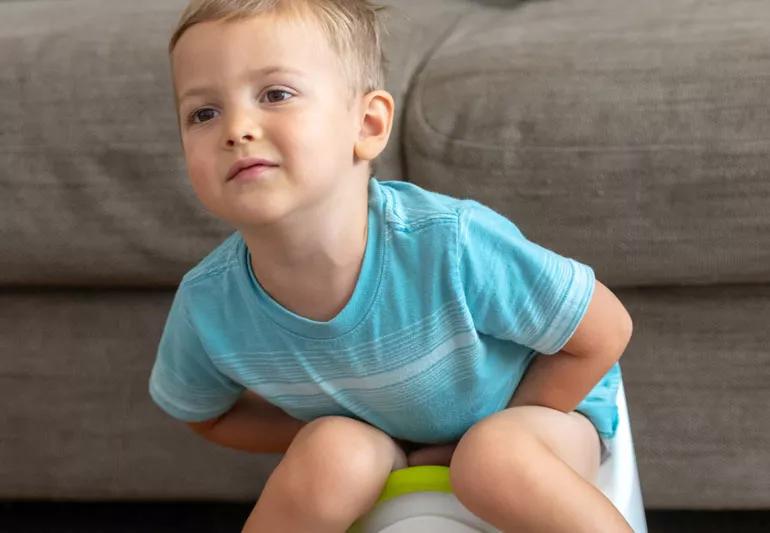
No More Constipation: How To Get A Toddler To Poop
Many parents ask, “How do I get my toddler to poop?” It is a common worry. Seeing your child struggle is hard. Many toddlers have trouble with pooping. This often means they are constipated. They might hold their poop. This can be very painful for them. It can make them scared to poop. But you can help your child. There are many ways to make pooping easier. We will show you how to help your toddler. We will cover diet, habits, and ways to ease their fears.
Grasping Toddler Poop Habits
It helps to know what is normal. Poop habits change as kids grow. A baby might poop often. A toddler might poop less. What is normal for one child may not be for another.
What is Healthy Poop Like?
Healthy toddler poop is soft. It is easy to pass. It looks like a soft log or soft lumps. Doctors use a chart called the Bristol Stool Chart. For toddlers, types 3 and 4 are good.
- Type 3: Looks like a sausage. It has cracks on the surface.
- Type 4: Looks like a sausage or snake. It is smooth and soft.
These types mean poop moves well. It is not too hard. It does not cause pain.
What Does Constipation Look Like?
When a child is constipated, poop changes. It becomes hard. It is often dry. Your child might strain a lot. They might even cry.
Here are signs your toddler is constipated:
- Hard Poop: Poop looks like pebbles. Or it is very hard and big.
- Less Pooping: They poop less often. Maybe only once or twice a week.
- Straining and Pain: Your child pushes hard. Their face might turn red. They may cry or groan.
- Tummy Pain: They might complain of a sore tummy.
- Small Poops: They may pass only tiny bits of hard poop.
- Poop Accidents: Soft poop might leak around the hard poop. This stains their underwear. It is called “encopresis.”
- Loss of Appetite: They might not want to eat. A full bowel can make them feel full.
- Irritability: They might be grumpy or fussy. This is from tummy discomfort.
If you see these signs, your child likely needs help.
Deciphering Why Toddlers Hold Their Poop
Many things can cause a child to hold their poop. It is often not just one reason. It can be a mix of things.
Dietary Factors: What They Eat and Drink
Food plays a big role. What your child eats affects their poop.
- Not Enough Fiber: Fiber helps poop stay soft. It adds bulk to poop. Foods like fruits, veggies, and whole grains have fiber. If a child eats too much processed food, they miss fiber.
- Not Enough Water: Water helps fiber work. It keeps poop soft. If a child does not drink enough water, poop gets hard. It is harder to pass.
- Too Much Dairy: For some children, a lot of dairy can cause issues. This includes milk, cheese, and yogurt. This is not true for all kids. But it can be a cause for some.
Potty Training Poop Problems: The Fear Factor
Potty training can be a tricky time. Many toddlers start holding poop then. This is very common.
- Scared to Poop Potty Training: Pooping can be a big event for a small child. They might be scared of the toilet. They might not like the feeling of pooping. It feels different than pooping in a diaper.
- Painful Poop Experience: If a child has one hard, painful poop, they remember it. They do not want to feel that pain again. So they try to hold it in. This makes the next poop even harder. It starts a bad cycle. This is a big reason for toddler holding poop.
- Wanting Control: Toddlers want to control things. Pooping is one of the few things they can control. They might hold poop to feel powerful. This is common during potty training.
- Not Ready for the Potty: Some kids are pushed to potty train too soon. They are not ready to let go. They may hold poop as a result.
- Privacy Needs: Some kids need privacy to poop. A busy bathroom might make them hold it.
Other Factors: Changes and Stress
Life changes can also affect a child’s bowels.
- Changes in Routine: Travel, a new daycare, or visitors can stress a child. Stress affects the body. It can lead to constipation.
- Illness or Medicine: Being sick can change habits. Some medicines can also cause constipation.
- Ignoring the Urge: Toddlers get busy playing. They might ignore the feeling to poop. This makes poop sit longer. It gets harder.
- Medical Issues (Rare): In rare cases, there might be a medical reason. This includes issues with the gut or nerves. A doctor can check for these.
Knowing the reasons helps you find the right solutions.
Immediate Toddler Constipation Relief: Quick Things to Try
When your child is hurting, you want to help fast. These tips can give quick toddler constipation relief.
Gentle Dietary Tweaks for Quick Help
- Juice Power: Certain juices can help. Prune juice is a top choice. Pear juice and apple juice also work well. Give a small amount. Start with 2-4 ounces a day. You can mix it with water.
- Water, Water, Water: Offer water often. Even if they drink juice, plain water is key. Keep a water bottle handy.
- Warm Drinks: A warm drink can relax the bowels. Try a small amount of warm apple juice. Or just warm water.
Soothing Comfort Measures
- Warm Bath: A warm bath can relax muscles. This includes the muscles around the anus. It can help them let go.
- Belly Massage: Gently rub your child’s belly. Move your hand in a circle. Go clockwise. This follows the path of the colon. Do it a few times a day.
- Bicycle Legs: For younger toddlers, lay them on their back. Move their legs as if they are riding a bike. This gentle motion can help move poop.
- “Pushing” Position: Have them sit on a low stool or potty. Their knees should be higher than their hips. This helps their body get into a good pooping position. A footstool can help on a regular toilet.
When to Use Over-the-Counter Help (Ask Your Doctor First!)
Sometimes, diet is not enough. Your doctor might suggest certain aids.
- Stool Softeners: These make poop softer. They do not make the bowel contract. Examples are Miralax (PEG 3350) or Lactulose. These are often used for a while. They help break the cycle of hard, painful poops.
- Suppositories: These are put into the bottom. They can help start a bowel movement. Use only if a doctor tells you to. They are not for regular use.
- Laxatives: These make the bowel contract. They are strong. Always ask your doctor before using any laxative.
Important: Never give your child medicine without talking to a doctor first. They can tell you the right dose. They can make sure it is safe.
Long-Term Strategies: Encouraging Bowel Movements Toddlers Naturally
Quick fixes help now. But long-term plans prevent future issues. These focus on daily habits.
Diet for Toddler Constipation: Food is Your First Aid
What your child eats is very important. A diet rich in fiber and water is key.
Fiber-Rich Foods
Fiber adds bulk to poop. It helps it move smoothly. Aim to add more fiber slowly. Too much at once can cause gas.
- Fruits: Offer whole fruits. Keep the skin on if possible. Examples: pears, apples, berries, peaches, plums, prunes.
- Vegetables: All veggies have fiber. Dark leafy greens are great. Examples: broccoli, carrots, sweet potatoes, peas, beans.
- Whole Grains: Swap white breads and pastas for whole grain. Examples: whole wheat bread, oats, brown rice, whole wheat pasta.
- Legumes: Beans and lentils are full of fiber. Add them to soups or stews.
Here is a table of good fiber sources:
| Food Group | Examples for Toddlers | Fiber Benefits |
|---|---|---|
| Fruits | Prunes (dried plums), Pears, Apples | High in soluble fiber, softens stool |
| Berries (raspberries, blueberries) | Good source of overall fiber | |
| Peaches, Plums, Apricots | Good for regular bowel movements | |
| Vegetables | Broccoli, Peas, Carrots | Adds bulk, promotes gut health |
| Sweet potatoes, Spinach | Good fiber content, easy for toddlers to eat | |
| Beans (black beans, kidney beans) | Excellent source of both soluble and insoluble | |
| Lentils | ||
| Grains | Oatmeal, Whole wheat bread, Whole wheat pasta | Insoluble fiber, helps move waste through bowels |
| Brown rice, Popcorn (for older toddlers) |
Hydration: More Than Just Water
Water is vital. It works with fiber. It keeps poop soft.
- Offer Water All Day: Keep a sippy cup of water nearby.
- Make it Fun: Use a special cup or add a slice of fruit.
- Limit Sugary Drinks: Sugary drinks do not hydrate well. They can also take the place of water.
- Soups and Broths: These can add to fluid intake.
Foods to Limit
Some foods can make constipation worse.
- Highly Processed Foods: These often lack fiber. Examples: white bread, white pasta, sugary cereals.
- Too Much Dairy: For some kids, a lot of milk or cheese can be binding. If you suspect dairy, talk to your doctor. Do not remove it from their diet without advice.
- Excess Bananas: Ripe bananas are fine. But unripe bananas can be binding.
- Large Amounts of Cooked Carrots: While raw carrots are good, large amounts of cooked carrots can sometimes contribute to constipation.
Making Potty Time Positive: Overcoming Potty Refusal Poop Anxiety
Potty training poop problems are common. If your child is scared to poop potty training, it needs gentle handling.
Create a Calm Space
- Make the Bathroom Inviting: Use a special potty seat. Let your child pick it out. A footstool is a must for proper posture. Their feet should be flat on the ground. Their knees should be higher than their hips. This position helps them push.
- No Pressure: Do not force your child to sit. This makes them more anxious.
- Give Privacy: Some kids need to be alone. Others like you to be near. Ask them what they prefer.
Gentle Potty Routine
- Regular Potty Times: Have your child sit on the potty at the same times each day. Good times are after meals. Food helps stimulate the gut. Even 5-10 minutes is enough.
- Keep it Short and Sweet: Do not make them sit for too long. If they do not go, that is okay. They can try again later.
- Positive Talk: Talk about poop in a normal, calm way. Say “Your body needs to make a poop” instead of “You need to make a poop.” This makes it less about control.
Positive Reinforcement
- Praise Efforts: Praise them for sitting on the potty. Praise them for trying. Do not just praise them for going.
- Reward System: A sticker chart can work. One sticker for sitting, two for trying, three for a successful poop. Let them earn a small prize.
- Celebrate Small Wins: Even a tiny bit of poop is a win. Make a big deal about it.
Addressing Potty Refusal Poop Anxiety Directly
- Acknowledge Their Fear: Say, “I know you are scared to poop. It’s okay to feel that way.” Do not dismiss their feelings.
- Explain Gently: You can explain how poop works. “Poop is just food that your body doesn’t need. It needs to come out so your tummy feels good.”
- Read Books: Many children’s books talk about pooping. Read them together. This normalizes the act.
- Model Behavior: Let them see you use the toilet. Make it seem normal and easy.
Toddler Poop Withholding Solutions: Helping Them Let Go
When a child is holding poop, it is often due to fear or control. This is where gentle tactics come in. Toddler holding poop is a common issue.
Address the Fear, Not Just the Poop
- Talk About Pain: Acknowledge if they have had painful poops. “I know your last poop hurt. We are going to make it soft so it doesn’t hurt next time.”
- Use Play: Role-play with dolls or stuffed animals. Let the doll “poop” on a toy potty. This can help them process their own feelings.
- “Poop Story” or “Poop Song”: Create a fun, silly story or song about poop going on a journey. Make it light and not scary.
Relaxation Techniques
- Blowing Bubbles: Have them blow bubbles while sitting on the potty. This helps relax the pelvic floor muscles. It makes them push down naturally. Or use a pinwheel to blow.
- Deep Breaths: Teach them to take a big breath in and blow out. This can help them relax and push.
- Warmth and Comfort: A warm water bottle on their tummy can help relax muscles.
Practical Steps When They Are Holding
- Do Not Force It: Forcing a child to sit on the potty can make them hold more.
- Diaper Pooping, Then Potty: If they are scared of the potty, let them poop in a diaper at first. But try to have them poop in the bathroom. Once they poop, empty the diaper into the toilet. Let them flush. This shows them where poop goes.
- Gradual Transition: Once they are okay pooping in a diaper in the bathroom, cut a hole in the diaper. This lets poop fall into the toilet. Then, try without the diaper. This eases the transition from diaper to potty.
- Avoid Power Struggles: Do not make pooping a battle. This makes the child feel more control. They might hold it more. Stay calm and supportive.
Toddler Poop Withholding Solutions In a Nutshell
It’s about helping them feel safe. It’s about easing their fear. It’s about making poop soft. When poop is soft, it doesn’t hurt. When it doesn’t hurt, they are less scared. This breaks the cycle.
Easing Toddler Pooping Pain: Gentle Approaches
When poop is hard, it hurts. This pain makes kids hold it in. So, easing toddler pooping pain is very important.
Softening the Stool First
This is the main goal. If poop is always soft, it won’t hurt.
- Dietary Changes: As discussed, fiber and water are key. Keep them up every day.
- Stool Softeners (Doctor Prescribed): If diet isn’t enough, a doctor might give a stool softener. This helps make poop soft and easy to pass. It can be used for weeks or months. This breaks the painful cycle.
Comfort During a Painful Episode
- Warm Compress: A warm washcloth on the belly can help relax the muscles.
- Pain Relief: If they are in severe pain, ask your doctor about pain relief. They might suggest a small dose of children’s acetaminophen.
- Distraction: Read a book, sing a song, or play a game. This can take their mind off the pain.
- Be Present: Just being there, calm and supportive, helps a lot. Your presence can ease their fear.
Preventing Future Pain
The best way to ease pain is to prevent it. Keep poop soft.
- Consistent Diet: Stick to a high-fiber, high-water diet.
- Daily Routine: Keep regular potty times.
- Early Intervention: If you see signs of constipation, act fast. Do not let it get severe.
- Doctor Check-ups: Regular visits ensure overall health.
When to Seek Medical Help: Red Flags to Watch For
Most toddler constipation can be handled at home. But sometimes, you need a doctor.
When to Call the Doctor Right Away:
- Blood in Stool: Any blood is a sign to call. It can be from a small tear. But it needs checking.
- Severe Tummy Pain: If your child has very bad stomach pain.
- Vomiting: If your child is also throwing up.
- Fever: Constipation plus a fever.
- Swollen Belly: If their tummy looks very bloated.
- Not Eating or Drinking: If they refuse to eat or drink for a long time.
- No Poop for Several Days: If they have not pooped for 3-4 days or more.
When to Consult Your Doctor for Ongoing Issues:
- Home Remedies Not Working: If you have tried diet and fluids for a few weeks, and no change.
- Child Still Holding Poop: If your child keeps holding poop despite your efforts.
- Potty Refusal Poop Anxiety is Extreme: If their fear of pooping is very strong.
- Regular Accidents: If they are having regular poop accidents (encopresis).
- Concerns About Growth: If constipation seems to affect their growth or energy.
- Suspected Medical Condition: If you worry there is a bigger medical reason.
Your doctor can rule out serious issues. They can also prescribe stronger medicine if needed. They can help you make a long-term plan. Do not hesitate to call. It is better to check than to wait.
Building Healthy Habits: A Parent’s Role
Helping a toddler with constipation takes time. It needs patience and effort from you.
Patience and Persistence
- No Quick Fixes: It took time for the problem to start. It will take time to fix. Be patient.
- Stay Calm: Your child can feel your stress. Stay calm and positive.
- Consistency is Key: Do the same things every day. Offer fiber foods. Give water. Keep potty times regular.
- Celebrate Small Steps: Every small success is a step forward. Even if they just sit on the potty, that is a win.
Make it Normal, Not a Battle
- Talk About Poop Normally: Use words like “poop” or “bowel movement.” Do not make it a dirty or shameful topic.
- Avoid Pressure: Never force or shame your child. This only makes the problem worse.
- Positive Language: Focus on how good their tummy will feel. “Your body will feel better when the poop comes out.”
- Let Them Lead (Sometimes): While you set the routine, let them have some say. “Do you want to use the big potty or the little potty?”
Support and Love
- Empathy: Remember how hard it is for them. It is scary and painful.
- Comfort: Offer hugs and comfort when they are upset.
- You Are Not Alone: Many parents go through this. Talk to other parents. Ask your doctor for support.
Helping your toddler poop needs a full plan. It means good diet, good habits, and helping them with fears. With patience and the right steps, your child can have easy, happy poops. No more constipation means a happier, healthier toddler.
Frequently Asked Questions (FAQ)
How often should a toddler poop?
There is no “perfect” number. Some toddlers poop once a day. Others poop every 2-3 days. What matters most is that the poop is soft and easy to pass. If your child poops less often but it is soft, that might be fine. If they poop daily but it is hard and painful, that is constipation.
What is the best natural laxative for toddlers?
For toddlers, the best natural helpers are:
1. Water: Lots of plain water.
2. Fiber-rich foods: Prunes, pears, apples, berries, beans, lentils, whole grains.
3. Certain juices: Prune juice, pear juice, or apple juice in small amounts. Always start with diet changes first.
Can dairy cause constipation in toddlers?
Yes, for some toddlers, a lot of dairy can make constipation worse. This is not true for all kids. If you suspect dairy is a problem for your child, talk to your doctor. They can help you figure it out. Do not remove dairy from their diet without advice. Dairy has important nutrients.
My toddler cries when pooping, what can I do?
Crying often means pain or fear.
1. Check their poop: Is it hard? If yes, focus on softening it with diet changes (fiber, water) or stool softeners (doctor-approved).
2. Ease their fear: Acknowledge their pain and fear. Say, “I know it hurts/is scary.” Offer comfort.
3. Create a safe space: Make the potty area calm. Use a footstool so they are in a good position.
4. Try distractions: Have them blow bubbles or spin a pinwheel. This helps them relax.
5. Talk to your doctor: If the pain continues, or if there is blood, see your doctor.
Is it okay to use suppositories for a toddler?
Only use suppositories if your doctor tells you to. They are a quick fix for a single event. They are not a long-term solution. They can be a bit scary for a child. Your doctor can guide you on safe use and dosage. They are usually for short-term use, not a daily habit.