
A toddler typically pees about 8 to 14 times a day. This number changes based on age, fluid intake, and activity level. When potty training, parents often wonder about a normal toddler urination frequency. There is no one-size-fits-all answer. Each child is different. Knowing what to expect helps you guide your child. This guide covers how often your child should pee and what signs to look for during potty training. It also helps you understand their growing bladder control.
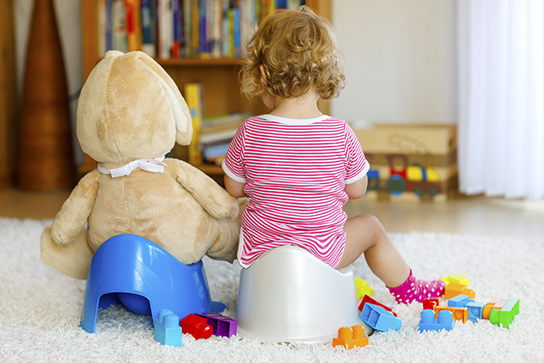
Image Source: health.ucdavis.edu
Deciphering Toddler Peeing Habits
Watching your toddler’s peeing habits is key. This helps you know when they need to go. It also shows if they are ready for potty training. Young children have small bladders. They cannot hold pee for very long. As they grow, their bladders get bigger. They also learn to control their pee better.
A normal toddler peeing schedule will vary. It depends on many things. These include age, how much they drink, and even the weather. A hot day might mean more drinking and thus more peeing. A quiet play session might mean less peeing than active running around.
What Determines How Many Times a Day a Toddler Pees?
Many things affect how many times a day a toddler pees.
- Age: Younger toddlers pee more often. Their bladders are smaller.
- Fluid Intake: More drinks mean more pee. Simple as that.
- Activity Level: Active play might lead to more frequent urges.
- Diet: Some foods can act like a diuretic. This means they make you pee more. Examples include fruits high in water.
- Time of Day: Toddlers often pee more in the morning. They also pee more soon after waking from a nap.
- Individual Differences: Some kids naturally pee more or less than others.
Knowing these points helps you set realistic expectations.
Grasping Bladder Capacity for Toddlers
A toddler’s bladder grows as they do. At first, it is very small. This is why babies pee so often. As your child gets older, their bladder can hold more liquid. This growth is a key part of gaining potty training bladder control.
How a Toddler’s Bladder Grows
Think of a toddler’s bladder like a balloon. When it is small, it fills up fast. As your child grows, the balloon gets bigger. It can hold more air.
- Birth to 1 year: Very small capacity. Peeing every 1-3 hours.
- 1 to 3 years: Bladder starts to grow. It can hold more pee. The average amount is about 2 to 4 ounces. This is roughly the size of a small juice box.
- 3 to 5 years: Bladder continues to grow. It holds even more. This makes it easier for them to hold pee for longer.
This chart shows a general idea of bladder capacity by age:
| Age Range (Years) | Average Bladder Capacity (Ounces) | Average Bladder Capacity (Milliliters) |
|---|---|---|
| 1-2 | 2-3 | 60-90 |
| 2-3 | 3-4 | 90-120 |
| 3-4 | 4-5 | 120-150 |
| 4-5 | 5-6 | 150-180 |
Note: These are averages. Your child’s bladder might be slightly different.
This slow growth means your toddler will slowly learn to hold pee for longer. It is not something they can do all at once.
Interpreting Toddler Urination Frequency
It helps to know what is normal for a toddler’s peeing schedule. This varies a lot. But there are general ranges you can look for.
Typical Peeing Frequency by Age
- 12-18 Months: Toddlers this age might pee every 1.5 to 2 hours. They cannot hold it long. They often do not give warning signs.
- 18-24 Months: Peeing frequency might be every 2 to 2.5 hours. They start to show signs of needing to pee.
- 24-30 Months: They might pee every 2.5 to 3 hours. They are getting better at telling you they need to go.
- 30-36 Months (and beyond): Peeing might be every 3 to 4 hours. They have much better control. They can often hold it for longer stretches.
Again, these are just guides. Your child might pee more or less often. The key is to see a pattern for your child.
Grasping Potty Training Bladder Control
Potty training is not just about using the toilet. It is also about learning bladder control. This means your child learns to know when their bladder is full. They also learn to hold the pee until they get to the potty. This takes time and practice.
How Bladder Control Develops
- Awareness: First, your child learns how their bladder feels. They start to notice a full bladder.
- Recognition: They then learn what that full feeling means. They know they need to pee.
- Delay: Next, they learn to hold the pee for a short time. This is a big step. They can wait a minute or two.
- Initiation: Finally, they learn to relax their bladder muscles. They pee when they are ready, on the potty.
This process is what potty training is all about. It is why we often see toddlers having accidents. They are still learning these steps.
Appreciating Toddler Holding Pee Duration
How long can a toddler hold pee? This is a common question. It directly relates to their age and bladder control.
What to Expect for Holding Pee
- Very Young Toddlers (under 2): They might only hold pee for a few minutes. They often go as soon as they feel the urge. This is normal. Do not expect them to wait a long time.
- Toddlers (2-3 years): They can start to hold pee for 5 to 10 minutes. This is enough time to get to the potty. They are learning to delay.
- Older Toddlers (3+ years): They can hold pee for longer, maybe 15 to 30 minutes or even an hour. This shows good bladder control.
If your child suddenly cannot hold pee, or pees much more often, talk to their doctor. It might be a sign of a bladder infection or other issue.
Noticing Signs Toddler Needs to Pee
Learning your child’s cues is very important. These are the signs toddler needs to pee. They often give clues before they actually go.
Common Signs to Watch For
- Fidgeting or Squirming: They might move around a lot. They might cross their legs.
- Suddenly Stopping Play: They stop what they are doing. They seem focused on something.
- Clutching Genitals: They might touch or grab their private parts.
- Going to a Quiet Place: They might hide behind furniture or go into another room.
- Making a “Pee-Pee Dance”: They might bounce, wiggle, or hop up and down.
- Changing Facial Expression: They might look concentrated or uncomfortable.
- Telling You (Verbal Cues): This is the goal! They say “pee-pee” or “potty.” This comes later in the process.
When you see these signs, calmly ask, “Do you need to go potty?” Then, take them to the toilet. Even if they do not go, it teaches them to connect the feeling with the potty.
The Connection: Toddler Fluid Intake and Urination
What your child drinks directly affects how often they pee. This is a simple but important link. Managing fluid intake can help with potty training.
Balancing Drinks and Potty Times
- Offer Drinks Regularly: Give water or milk throughout the day. This keeps them hydrated. It also gives them chances to practice peeing on the potty.
- Limit Drinks Before Bed: Reduce fluids about 1-2 hours before bedtime. This can help with night dryness. However, do not cut off fluids too early. Staying hydrated is important.
- Watch for Over-Drinking: Some children drink a lot. This can lead to very frequent peeing. If you are worried, talk to your doctor.
- Avoid Sugary Drinks: Juices and sodas are not good for hydration. They can also irritate the bladder. Stick to water and milk.
Remember, the goal is not to limit fluids. It is to manage them. This helps you predict when your child might need to pee.
Crafting a Potty Training Routine
A good potty training routine makes things easier. It gives your child a sense of what to expect. This helps them learn faster. A routine also helps you guess their normal toddler peeing schedule.
Building a Consistent Schedule
- Potty Upon Waking: Take your child to the potty first thing in the morning. Their bladder is usually full.
- After Meals/Drinks: Take them to the potty about 15-30 minutes after they finish a meal or a big drink. This is when fluid starts to move through their system.
- Before Naps/Bedtime: Always offer the potty before naps and bedtime.
- Before Leaving the House: Always try for a potty trip before you go out. This saves you from public accidents.
- Scheduled Potty Breaks: Offer the potty every 2-3 hours, even if they do not ask. This helps them learn the feeling of a full bladder. Set a timer if it helps.
This table shows a sample potty training routine:
| Time Slot | Action | Why it Helps |
|---|---|---|
| 7:00 AM | Potty trip upon waking | Bladder is full after sleep. |
| 7:30 AM | Breakfast | Follows the “after meals” rule. |
| 8:00 AM | Potty trip | Give them time to process fluids. |
| 10:00 AM | Potty trip | Scheduled break, good for a 2-hour interval. |
| 12:00 PM | Lunch | Prepare for the next round of fluids. |
| 12:30 PM | Potty trip | Again, after a meal/drink. |
| 1:00 PM | Potty before nap | Reduces chances of naptime accidents. |
| 3:00 PM | Potty upon waking from nap | Bladder is full after sleep. |
| 5:00 PM | Potty trip | Another scheduled break. |
| 6:00 PM | Dinner | Another post-meal trip soon. |
| 6:30 PM | Potty trip | After dinner, before bath/bed prep. |
| 7:30 PM | Potty before bed | Final trip to empty bladder for the night. |
This routine is a guide. Adjust it to fit your child’s needs. Consistency is the most important thing.
Appreciating Potty Training Accidents Frequency
Accidents are a normal part of potty training. Do not get discouraged by them. They are learning moments. The frequency of potty training accidents will change over time.
What to Expect for Accidents
- Early Days: Expect many accidents. Your child is just starting to learn. They might have several wet pants a day. This is totally normal.
- First Few Weeks: Accidents will slowly lessen. You might go from 5-6 accidents a day to 2-3.
- As They Get Better: Accidents become rare. Maybe one a week, or even less. These might happen when they are tired, sick, or very busy playing.
- Nighttime Accidents: Night dryness often comes much later. Many children are not dry at night until ages 5-7. Do not worry about this during early potty training.
Responding to Accidents
- Stay Calm: Do not get angry or upset. This can make your child feel bad. It might slow down their progress.
- Clean Up Quickly: Help your child clean up. This teaches them responsibility.
- No Shame: Say something like, “Oops, pee goes in the potty. Let’s try next time.”
- Review What Happened: Was your child too busy playing? Did they drink a lot? Use it as a learning chance for you and them.
Accidents show that your child is still learning. They are not a sign of failure.
Helpful Tips for Encouraging Potty Use
Beyond routine, some tips can help your child succeed with potty training.
Making Potty Time Positive
- Praise Effort, Not Just Success: Tell them “Good job trying!” even if they do not pee. Praise them when they sit on the potty.
- Use Rewards (Small Ones): A sticker, a high-five, or a small treat can be a good motivator. Do not make rewards too big.
- Make it Fun: Read books about potty training. Sing potty songs. Let them pick out a special potty book.
- Dress for Success: Easy-to-pull-down pants help a lot. No complicated buttons or zippers.
- Give Them Control: Let them choose which potty to use (if you have options). Let them flush the toilet.
- Be Patient: Potty training takes time. Do not rush it. Your child will get there when they are ready.
When to Seek Help for Peeing Habits
Most peeing habits are normal during potty training. But sometimes, you might need to talk to a doctor.
Signs to Watch For
- Sudden Increase in Peeing: If your child suddenly starts peeing much more often.
- Pain or Burning When Peeing: This could mean a urinary tract infection (UTI).
- Strong-Smelling or Cloudy Pee: Also signs of a UTI.
- Extreme Thirst: If your child drinks an unusual amount of water.
- Peeing Very Little: If they go many hours without peeing, especially after drinking.
- Daytime Accidents After Being Dry: If your child was reliably dry during the day, then starts having many accidents again.
- Holding Pee for Too Long: If your child seems to hold pee for a very long time, leading to discomfort.
- Not Progressing: If your child shows no progress with potty training after trying for several months.
If you notice any of these signs, it is always best to check with your child’s doctor. They can rule out any medical issues.
Concluding Thoughts on Potty Training Urination
Potty training is a big step for toddlers and parents. Knowing how often a toddler pees is a key part of this journey. Remember that toddler urination frequency varies. It depends on age, fluid intake, and individual habits. Focus on bladder capacity for toddlers growing over time. Watch for signs toddler needs to pee. Create a consistent potty training routine. Expect some potty training accidents frequency. Most importantly, be patient and positive. Your calm approach will help your child learn this new skill. Celebrate small wins. Soon, your child will be confidently using the potty.
Frequently Asked Questions (FAQ)
h4> How Many Times a Day Toddler Pees on Average?
A toddler generally pees between 8 and 14 times a day. This number changes based on their age, how much they drink, and their activity level. Younger toddlers tend to pee more often due to their smaller bladders.
What is a Normal Toddler Peeing Schedule When Training?
When training, a normal schedule means offering the potty every 2-3 hours. This is in addition to trips right after waking, after meals, and before naps or bedtime. This helps them learn their body’s signals.
How Long Can a Toddler Hold Pee Duration for Different Ages?
- Under 2 years: They can usually hold pee for only a few minutes.
- 2-3 years: They can hold pee for 5-10 minutes.
- 3+ years: They might hold pee for 15-30 minutes or even an hour. This skill improves with age and practice.
What Are the Main Signs Toddler Needs to Pee?
Common signs include fidgeting, squirming, crossing legs, stopping play suddenly, clutching their genitals, or going to a quiet spot. Later, they will tell you directly.
How Does Toddler Fluid Intake and Urination Connect?
More fluid intake means more frequent urination. Giving drinks regularly throughout the day provides more chances for potty practice. Limiting fluids an hour or two before bed can help with nighttime dryness.
What is the Typical Potty Training Accidents Frequency?
In the early stages, expect several accidents daily. As training progresses, accidents will become less frequent, perhaps one or two a day, then one a week. Nighttime accidents are very common and usually resolve much later.
What is the Average Bladder Capacity for Toddlers?
A toddler’s bladder capacity grows with age.
* Around 1-2 years: 2-3 ounces (60-90 ml)
* Around 2-3 years: 3-4 ounces (90-120 ml)
This growth allows them to hold pee for longer periods as they get older.