
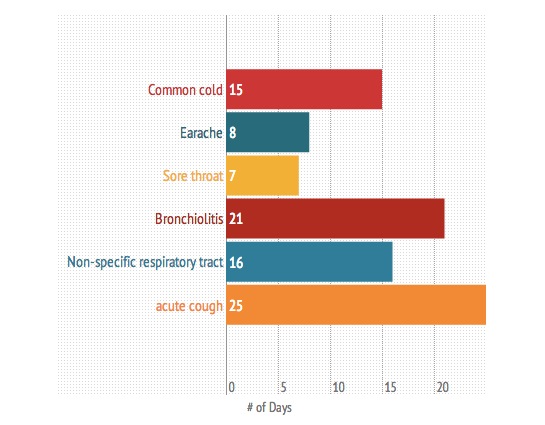
Image Source: media.wbur.org
Expectations: How Long Does A Toddler Cold Last & What Next?
A toddler’s cold often lasts about 7 to 10 days. This is the average duration toddler cold. While it might feel like forever when your little one is sniffly and fussy, most common colds clear up within this timeframe. Knowing how many days toddler cold lasts helps parents set realistic expectations and offer the best care.
The World of Toddler Colds
Toddlers get colds often. This is a simple fact of early childhood. Their tiny bodies are still building defenses. They meet new germs in daycare, at the park, or from older siblings. Each cold helps their immune system grow stronger. But seeing your child unwell can be hard. Knowing what to expect makes it easier.
What a Common Cold Is
A common cold is a mild sickness. It comes from many different viruses. These viruses cause a runny nose, sneezing, and coughing. They are very common in young children. Toddlers can get 6 to 10 colds each year. Sometimes even more!
Why Toddlers Get Colds So Much
- New Germs: Toddlers are new to many viruses. Their bodies have not fought them before.
- Immature Immune System: Their immune system is still learning. It needs time to get strong.
- Close Contact: Toddlers often touch things. They put their hands in their mouths. They share toys. This spreads germs quickly.
- Lack of Hygiene Habits: They do not always wash hands well. They sneeze or cough without covering their mouths.
Toddler Cold Symptoms Timeline: What to Expect
A cold does not just appear. It follows a path. The toddler cold symptoms timeline usually has clear stages. This helps you know where your child is in their sickness.
Day 1-2: The Start of the Sniffles
This is the beginning. Your toddler might seem a little off.
* Early Signs:
* Slight runny nose. The snot might be clear and watery.
* Mild sneezing.
* A bit tired or fussy.
* Sore throat (they might not say it, but they might refuse food or drink).
* Energy Level: They may still play, but perhaps less than usual.
* Sleep: They might wake up more often at night.
Day 3-5: The Peak of the Cold
This is often the worst part. Symptoms are strongest now.
* Main Symptoms:
* Nose gets very stuffy.
* Runny nose turns thicker. It can be yellow or green. This is normal.
* Coughing gets worse. It may be a dry cough at first, then become wet.
* Fever (usually low grade, under 102°F or 39°C).
* Less appetite.
* More fussiness.
* Energy Level: They might not want to play much. They may ask for more cuddles.
* Sleep: Still very poor due to cough and stuffy nose.
Day 6-10+: Getting Better
This is the recovery phase. You will see positive changes.
* Symptoms Fade:
* Runny nose gets better. Snot less thick.
* Cough starts to ease. It may last longer than other symptoms.
* Fever goes away.
* Appetite comes back.
* Better mood.
* Energy Level: Your child starts to play more. They seem more like themselves.
* Sleep: Sleep improves as breathing gets easier.
Average Duration Toddler Cold: Deeper Insights
So, how many days toddler cold lasts? As noted, 7 to 10 days is common. But it can be shorter or longer. Several things can change the toddler cold recovery time.
Factors Affecting Cold Length
- Type of Virus: Many viruses cause colds. Some are stronger than others.
- Child’s Age: Very young toddlers might take longer to recover. Their immune systems are still quite new.
- Immune System Strength: A healthy child with a strong immune system may get better faster.
- Other Health Issues: If your child has asthma or allergies, a cold might last longer. It might also cause other issues.
- Exposure to New Germs: If your child gets a new cold while recovering from an old one, it will seem like the cold never ends.
Let’s look at typical cold length 2 year old. For a 2-year-old, a cold often follows the 7-10 day pattern. They are a bit older than a 1-year-old. Their immune system has seen a few viruses. This can help them fight the cold a bit faster. Still, each child is different.
Specific Symptom Duration: Lingering Effects
Some cold symptoms stick around longer than others. This is normal. Do not be surprised if a cough lasts after the sniffles are gone.
Toddler Cough Duration
The toddler cough duration can be the most annoying part for parents. A cough can linger for 2 to 3 weeks. Sometimes even longer! This is because the cough reflex helps clear the airways. Even after the virus is gone, the body still cleans out the lungs and throat.
* First few days: Dry, hacking cough.
* Middle days: Wet, productive cough (mucus).
* Later days/weeks: Lingering cough, especially at night or in the morning. This cough usually sounds loose or disappears slowly. It is a sign of healing.
Runny Nose Length Toddlers
A runny nose length toddlers often lasts about 7 to 10 days. It starts clear. Then it gets thick and can turn yellow or green. This change in color is normal. It does not mean a bacterial infection. The nose should slowly clear up. The amount of snot will lessen each day.
Toddler Congestion Timeline
Toddler congestion timeline usually matches the runny nose. It peaks around day 3-5. At this time, your child’s nose and chest can feel very stuffy. This makes breathing hard. It can make feeding and sleeping tough. Congestion should ease up after the peak. It might feel better as the nose becomes less runny. Using a humidifier or saline drops can help manage it.
When Does a Toddler Cold End? Recognizing Recovery
You know when does a toddler cold end when you see certain signs toddler cold getting better. These signs are a relief to any parent.
Signs of Improvement:
- Better Mood: Your child starts to laugh and play more. They seem happier.
- Increased Appetite: They start to eat and drink normally again.
- Less Fussiness: They are less irritable and more cooperative.
- Clearer Breathing: Their nose is less stuffy. They breathe easier.
- Less Coughing: The cough becomes less frequent and less harsh.
- Normal Sleep: They sleep better at night. They wake less often.
- No Fever: Their temperature is normal for at least 24 hours without medicine.
It is important to remember that toddler cold recovery time is not always a straight line. There might be good hours and bad hours. But the general trend should be upward. Your child should look and act better each day.
Helping Your Toddler Feel Better
While there is no cure for a common cold, you can do a lot to ease your toddler’s symptoms. This helps them feel more comfortable during the toddler cold recovery time.
Comfort Measures at Home
- Rest, Rest, Rest: Sleep helps the body heal. Let your toddler rest as much as they need. Do not force them to play or stick to a strict schedule.
- Fluids, Fluids, Fluids: Offer lots of clear fluids. Water, diluted juice, clear broth, or electrolyte solutions. This keeps them from getting dry. It also helps thin mucus.
- Saline Nose Drops and Suction:
- For a stuffy nose, use saline drops. These are just salt water. They moisten the nasal passages.
- Then, use a bulb syringe or nasal aspirator. Gently suck out the mucus. Do this before feeding and sleeping. It really helps them breathe better.
- Humidifier: A cool-mist humidifier in their room can ease congestion and cough. The moisture in the air helps clear airways. Make sure to clean it daily to prevent mold growth.
- Elevate Head (Carefully): For older toddlers (over 1 year), you can put a pillow under the mattress (not in the crib itself) at the head of the bed. This slightly raises their head. It helps with drainage and breathing.
- Honey (for 1 year and older): A small amount of honey can soothe a cough. Do not give honey to babies under 1 year old. It can be unsafe.
- Pain Relievers (if needed): For fever or body aches, use acetaminophen (Tylenol) or ibuprofen (Motrin/Advil). Always use the correct dose for your child’s age and weight. Check with your doctor if unsure.
- Comfort and Cuddles: Your presence means a lot. Extra hugs and gentle care can make a huge difference.
What to Avoid
- Cold and Cough Medicines for Toddlers: Many common cold medicines are not safe for children under 4 or 6 years old. They can have serious side effects. They also do not really work for colds in young kids. Talk to your doctor before giving any over-the-counter medicine.
- Antibiotics: Colds are caused by viruses, not bacteria. Antibiotics only work on bacteria. They will not help a cold. Using them when not needed can also cause problems.
When to Seek Medical Help
Most toddler colds get better on their own. But sometimes, a cold can turn into something more serious. Or it might be a different illness. Know the signs that mean it’s time to call the doctor.
Red Flag Symptoms:
- Breathing Problems:
- Fast breathing.
- Working hard to breathe (nostrils flare, chest sinks in with each breath).
- Wheezing (a whistling sound when breathing).
- Blue lips or skin.
- High or Persistent Fever:
- Fever in a baby under 3 months old (call right away!).
- Fever over 102°F (39°C) in any toddler that does not go down with medicine.
- Fever that lasts more than 3-5 days.
- Signs of Dehydration:
- Fewer wet diapers (less than 6 in 24 hours for toddlers).
- No tears when crying.
- Dry mouth and tongue.
- Sunken soft spot on head (for babies).
- Very sleepy or less playful than usual.
- Ear Pain: Your child is pulling at their ear, very fussy, or has fluid draining from the ear. This could be an ear infection.
- Worsening Symptoms: If symptoms get much worse after improving. Or if new symptoms appear.
- No Improvement: If the cold lasts much longer than the
average duration toddler cold(over 10-14 days) and shows nosigns toddler cold getting better. - Severe Sore Throat: Your child refuses to swallow, drools a lot, or has trouble breathing.
- Rash: Any new rash that appears with a cold.
Preventing Future Colds: A Proactive Approach
You cannot stop every cold. But you can do things to lower the chances. These steps help your toddler stay healthier.
Good Habits for Health
- Hand Washing: This is the best defense. Teach your toddler to wash hands often. Use soap and water for at least 20 seconds. Do it after coughing, sneezing, using the bathroom, and before eating. Wash your own hands often too.
- Avoid Touching Face: Try to teach your toddler not to touch their eyes, nose, and mouth. Germs spread easily this way.
- Cover Coughs and Sneezes: Teach your toddler to cough or sneeze into their elbow or a tissue. Throw tissues away right after.
- Limit Germ Exposure: Try to avoid crowded places during cold and flu season.
- Healthy Diet: Offer a diet rich in fruits, vegetables, and whole grains. Good nutrition supports a strong immune system.
- Enough Sleep: Make sure your toddler gets enough rest. Sleep helps the body fight off sickness.
- Stay Up-to-Date on Vaccines: Vaccinations protect against serious diseases. They also indirectly help by reducing overall sickness.
- Clean and Disinfect: Regularly clean and disinfect toys and surfaces. Especially if someone in the house is sick.
Remember, a healthy lifestyle helps your child’s body fight off illnesses better. This can shorten toddler cold recovery time or make the cold less severe.
Key Takeaways
- A common
toddler cold recovery timeis 7 to 10 days. - Symptoms often peak around day 3-5.
Toddler cough durationcan be longer, sometimes up to 2-3 weeks.Runny nose length toddlersandtoddler congestion timelineusually match the 7-10 day overall cold length.- Look for
signs toddler cold getting betterlike better mood, appetite, and sleep. - Comfort measures like rest, fluids, saline drops, and humidifiers help a lot.
- Avoid over-the-counter cold medicines for toddlers unless a doctor says so.
- Know when to call the doctor for worrying symptoms.
- Good hygiene and a healthy lifestyle can help prevent colds.
Frequently Asked Questions (FAQ)
H5 How long should a toddler cold last?
A toddler cold should last about 7 to 10 days. This is the average duration toddler cold. Some symptoms, like a cough, can last a bit longer.
H5 What is the toddler cold symptoms timeline?
Symptoms usually start mild (runny nose, sneezing) for 1-2 days. They peak around day 3-5 (worse congestion, cough, possible fever). Then they slowly get better over the next 5-7 days.
H5 Is it normal for a toddler’s runny nose to be green?
Yes, it is normal. A runny nose often starts clear, then turns thicker and can be yellow or green. This is part of the body fighting the virus. It does not mean a bacterial infection. The runny nose length toddlers is usually 7 to 10 days.
H5 How long does toddler cough duration usually last?
A toddler’s cough can last longer than other cold symptoms. It often lingers for 2 to 3 weeks, sometimes even more. It is usually the last symptom to go away.
H5 What are the signs toddler cold getting better?
Your toddler’s mood will improve. Their appetite will come back. They will start to play more. Their breathing will be easier. The cough will become less frequent. And any fever will be gone.
H5 When should I worry about my toddler’s cold?
Call the doctor if your toddler has trouble breathing, a high or long-lasting fever, signs of not drinking enough, ear pain, or if symptoms get worse or do not improve after 10-14 days.
H5 Can a toddler get a cold right after another one?
Yes, toddlers can get new colds often. Their bodies are still learning to fight many different viruses. This can make it seem like one toddler cold recovery time blends into another.