
Many parents wonder what to do when their little one starts coughing. It is natural to want to help them feel better quickly. You might ask, when should I worry about toddler cough? Most times, a cough in a toddler is not a big problem. It is often just a sign of a common cold. But sometimes, a cough can mean something more serious. You should worry if your toddler has trouble breathing, breathes very fast, makes a whistling sound when breathing (wheezing), has a high fever (check with your doctor about what is high for their age), looks pale or blue around the mouth, or if the cough lasts a long time (more than a few weeks) or gets worse. If your child seems very sick or is not acting like themselves, it is always best to call their doctor.
Image Source: assets.childrens.com
Why Toddlers Cough
Coughing is how the body clears airways. It helps get rid of things like mucus, germs, or even small bits of food. Toddlers often cough because they have a cold or other virus. These illnesses cause mucus to build up in the nose and throat. When the mucus runs down the back of the throat, it makes them cough. This is called post-nasal drip.
Other reasons toddlers cough include:
- Croup: This is a virus that makes the voice box and windpipe swell. It causes a barking cough, often worse at night.
- Bronchiolitis: This affects small airways in the lungs, often in babies and young toddlers. It can cause coughing and wheezing.
- Asthma: This is a long-term issue where airways get narrow and swollen. Coughing, especially at night or with playing, can be a sign.
- Allergies: Like colds, allergies can cause runny nose and post-nasal drip, leading to cough.
- Irritants: Smoke, strong smells, or dust in the air can make toddlers cough.
- Something stuck in the airway: If a child suddenly starts coughing hard, especially after eating or playing with small objects, they might have inhaled something. This needs fast medical help.
Most toddler coughs are due to simple infections. These coughs help them heal. We want to help them be comfortable while their body does its work.
Safe Ways to Help a Cough
Giving medicine is not always the best way to help a toddler’s cough. In fact, cough and cold medicines are generally not recommended for children under age 4. They often do not work well for young children and can have bad side effects. The Food and Drug Administration (FDA) and pediatricians advise against using them.
So, what can you do? Focus on simple, safe methods. Many toddler cough remedies involve making the child more comfortable and helping their body fight the illness. These methods can offer natural cough relief toddler parents can feel good about using. They are often the best ways to help with a toddler cough safely.
Home Care Methods for Cough Relief
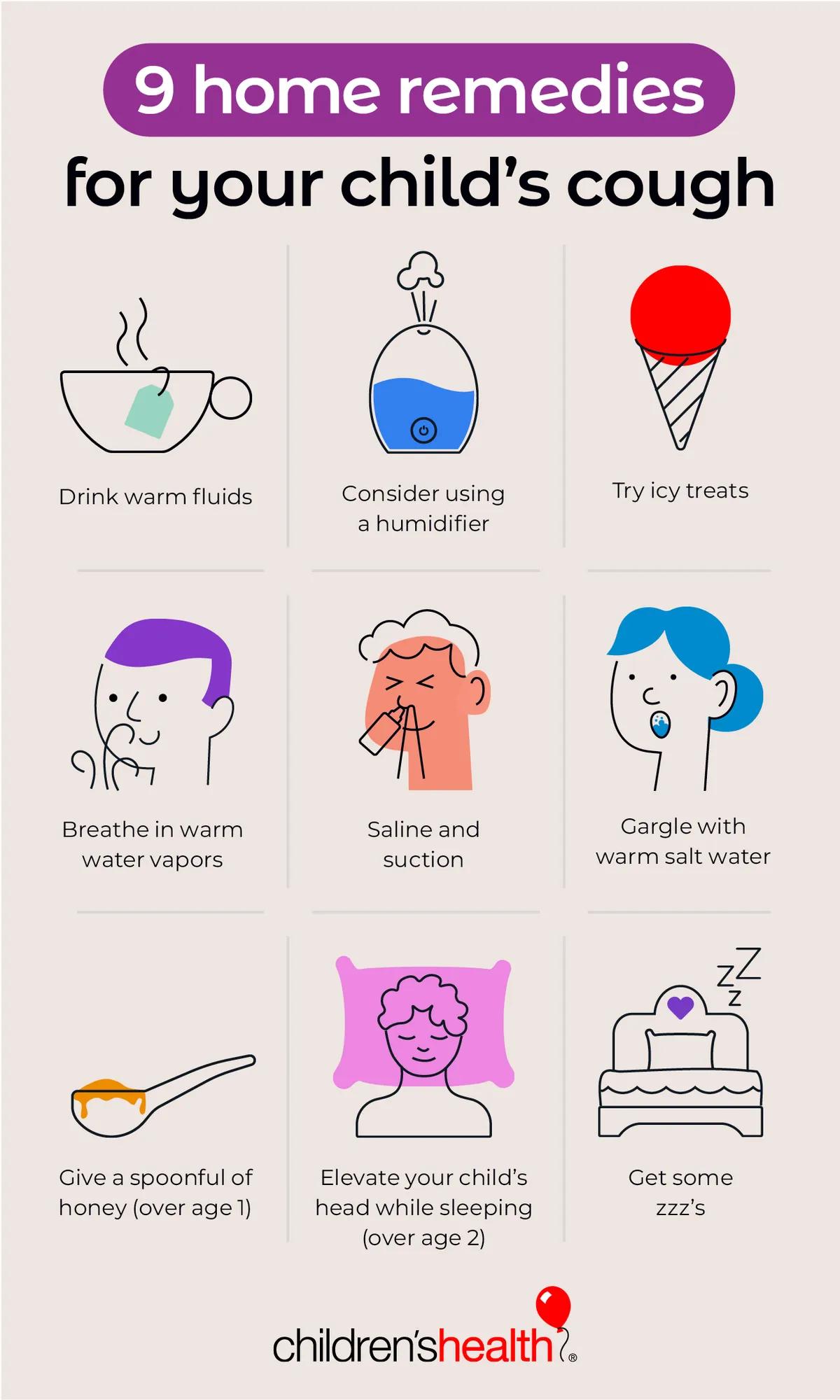
Taking good care of your toddler at home is key. This means making sure they get enough rest, fluids, and have comfortable air to breathe. These are simple but effective home remedies for toddler cough at night and during the day.
Ensuring Good Rest
Sleep is very important when a toddler is sick. It helps their body heal. A cough can make it hard for them to sleep, especially at night.
- Keep their head slightly raised: If your child sleeps in a crib, you can put a pillow under the mattress at the head of the crib. Do not put pillows or blankets in the crib with a baby or young toddler because of the risk of suffocation. For older toddlers in a bed, an extra pillow might help.
- Make the room quiet and dark: This helps them relax and fall asleep.
- Follow their normal bedtime routine: Stick to their usual schedule as much as possible. This brings comfort and predictability.
Giving Enough Fluids
Drinking lots of liquids is very important. Fluids help thin the mucus in their airways. Thinner mucus is easier to cough up or swallow.
- Water: This is always a great choice.
- Milk: If your toddler usually drinks milk, it is fine to give it. There is no strong proof that milk makes mucus thicker.
- Juice: A little bit of diluted juice (mix with water) can be okay, but do not give too much sugary juice.
- Warm liquids (for older toddlers): A little warm water, weak tea (like chamomile, check with doctor), or clear broth might soothe a sore throat that comes with coughing. Be very careful with temperature to avoid burns.
Make sure your toddler is drinking regularly throughout the day. Signs of not drinking enough include fewer wet diapers or less frequent trips to the potty, and crying without tears.
Using Moisture in the Air
Dry air can make a cough worse. Adding moisture to the air can help soothe airways and loosen mucus. This is why a humidifier for toddler cough is often suggested.
How a Humidifier Helps
A cool-mist humidifier adds moisture to the air. Breathing in this moist air can help calm irritated airways and make mucus less thick. This can make coughing spells less harsh.
- Use a cool-mist humidifier: Warm-mist humidifiers can cause burns if the child touches them or the hot steam. A cool-mist one is much safer.
- Place it near the toddler: Put the humidifier in their room while they sleep or play. Keep it out of reach of the child.
- Keep it clean: Humidifiers can grow mold and bacteria quickly. Clean it every day following the maker’s directions. Use distilled or purified water if the maker suggests it, as tap water can leave mineral dust.
- Do not use additives: Do not put things like menthol or essential oils in the humidifier water unless your doctor says it is okay. These can be bad for young children’s lungs.
Using Steam for Cough Relief
Another way to use moisture is with steam. Steam for toddler cough can come from a steamy bathroom.
- Steamy bathroom method: Close the bathroom door and turn on the hot shower or bath. Let the room fill with steam. Sit in the steamy room with your toddler for 10-15 minutes. Do not put the child in the hot water or leave them alone. The steam can help loosen mucus. This can be helpful before bedtime to ease nighttime coughing.
Specific Natural Remedies
Beyond basic care, some specific natural options are often used as natural cough relief toddler.
Honey for Toddlers (Age Restriction!)
Honey for toddler cough is a popular natural remedy. Studies have shown that honey can help calm a cough, maybe even better than some over-the-counter cough medicines for older children. However, it is very important to know that you should NEVER give honey to a child younger than one year old. This is because of the risk of infant botulism, a rare but serious type of food poisoning.
- For toddlers aged 1 year and older: You can give ½ to 1 teaspoon of honey. Give it before bedtime to help with nighttime coughs.
- How to give it: Give it straight off a spoon. Do not add it to a bottle for young toddlers.
- Types of honey: Any type of pure honey should be fine.
Honey can soothe the throat and help reduce coughing fits, making it a useful toddler cough remedy for those old enough.
Saline Nose Drops and Suction
Coughing in toddlers is often linked to a stuffy or runny nose. Clearing their nasal passages can help reduce post-nasal drip and, in turn, reduce coughing.
- Saline drops or spray: These are just salt water. They are safe for even very young children. Put a few drops in each nostril. This helps loosen dried mucus.
- Nasal aspirator: After using saline drops, use a bulb syringe or other nasal aspirator (like a NoseFrida) to gently suction mucus out of their nose. This is easiest to do before feeding and before sleep.
- Frequency: You can use saline and suction several times a day as needed, especially before naps and bedtime.
Clearing the nose helps them breathe better and can significantly reduce the trigger for their cough.
Addressing Different Cough Types
Toddler coughs can sound different. The sound sometimes gives a clue about the cause, but it is not always exact. Knowing the sound might help you know what to expect or when should I worry about toddler cough.
Dry Cough Toddler Treatment
A dry cough toddler treatment focuses on soothing irritation. A dry cough means there is little to no mucus being coughed up. It can sound hacking or tight.
- Causes: Dry coughs are often seen at the start of a cold or after a child has been coughing for a while. Irritants like smoke can also cause a dry cough. Croup often starts with a dry, barking cough.
- How to help:
- Moisture is key: Use a humidifier. Sit in a steamy bathroom.
- Honey (for age 1+): Soothes the throat lining.
- Fluids: Keep the throat moist.
- Avoid irritants: Keep your home smoke-free. Avoid strong perfumes or cleaning smells.
A dry cough toddler treatment is mostly about comfort and reducing throat irritation.
Wet or Productive Cough
A wet cough sounds like there is mucus or phlegm. The child is often bringing up (though usually swallowing) mucus.
- Causes: This type of cough is common as a cold progresses. It helps clear mucus from the airways.
- How to help:
- Fluids: Helps thin the mucus, making it easier to cough up.
- Humidifier/Steam: Also helps thin mucus.
- Nasal Saline/Suction: Reduces the source of post-nasal drip.
- Important: While you want to help them be comfortable, you do not necessarily want to stop a wet cough completely. The cough is doing its job to clear the airways.
Barking Cough (Croup)
A barking cough sounds like a seal. It often comes with noisy breathing (stridor) when breathing in, especially when upset. Croup often gets worse at night.
- How to help:
- Moisture/Cool air: Often helps calm airways. Take the child into a steamy bathroom or, sometimes, going outside into cool night air for a few minutes can help (wrap them warmly). A cool-mist humidifier is good.
- Stay calm: Getting upset makes breathing harder. Try to keep your toddler calm.
- Call the doctor: If breathing is very difficult, the stridor is loud when resting, or the lips look blue, get medical help right away.
Cough with Wheezing
Wheezing is a whistling sound when breathing out. This means the airways are narrowed.
- Causes: Common causes include bronchiolitis (in young toddlers) or asthma.
- Call the doctor: Wheezing needs to be checked by a doctor. They can figure out the cause and if medicine (like an inhaler) is needed.
When Should I Worry About Toddler Cough? More Detail
We touched on this at the start, but it is worth going over the warning signs again in more detail. While many coughs are not serious, know the signs that mean you need medical help. This answers when should I worry about toddler cough more fully.
Call your doctor or seek urgent medical care if your toddler has a cough and any of the following:
- Trouble breathing: This is the most important sign. Look for:
- Breathing very fast.
- The chest sinking in between the ribs or at the neck with each breath (retractions).
- Nostrils flaring open wide when breathing.
- Making grunting sounds with breathing.
- Having a hard time speaking or crying because they are trying to breathe.
- Wheezing: A high-pitched whistling sound when breathing out.
- High fever: Fever amounts can be tricky with toddlers. Ask your doctor what temperature is concerning for your child’s age, but generally, a fever over 102°F (39°C) is a reason to call, especially if they look sick.
- Looking pale or blue: Especially around the lips, tongue, or fingernails. This means they are not getting enough oxygen. Get help right away.
- Coughing up thick, colored mucus: Yellow, green, or rusty-colored mucus can sometimes mean a bacterial infection, although viruses can also cause colored mucus. It is worth checking with the doctor.
- Cough started suddenly after choking: Could mean something is stuck.
- Cough that sounds like whooping: This can be a sign of whooping cough (pertussis), a serious illness.
- Cough that lasts a long time: A cough that goes on for more than two or three weeks should be checked by a doctor to find the cause.
- The toddler seems very sick: They are unusually sleepy, not eating or drinking much, very cranky, or just do not seem right. Trust your parent gut.
Don’t hesitate to call your pediatrician if you are worried, even if your child doesn’t have these severe signs. They can give you the best advice for your child.
Toddler Cough No Fever
Sometimes, a toddler cough no fever happens. Does a cough without a fever mean it is not serious? Not always.
- Common causes of cough without fever:
- Allergies: Often cause cough and runny nose, but no fever.
- Post-viral cough: A cough can linger for several weeks after a cold is gone, even without a fever.
- Irritants: Smoke or pollution can cause a cough without fever.
- Asthma: Can cause a cough, especially with activity or at night, often without fever.
- When to worry about cough no fever: Even without a fever, the warning signs about breathing trouble (fast breathing, retractions, wheezing) are still important. A cough that lasts a long time (weeks) or seems to be bothering the child a lot (interrupting sleep, causing vomiting) should also be checked by a doctor, even without a fever.
So, while a fever is one sign of infection, a cough without one can still need attention depending on other symptoms and how long it lasts.
Medicine and Toddler Coughs
As mentioned, doctors generally do not recommend over-the-counter (OTC) cough and cold medicines for young children, especially those under 4. You might search for the best cough medicine for toddlers, but the truth is, there isn’t one that is proven safe and effective for this age group.
- Why not OTC medicines?
- They do not work well for young children’s coughs.
- They can have serious side effects like fast heart rate, sleep problems, and allergic reactions.
- They can be accidentally given in the wrong dose, leading to overdose.
- Many cough medicines contain multiple ingredients that might not all be needed and could interact or cause more side effects.
- Prescription medicines: In certain cases, a doctor might prescribe a specific medicine, like one for asthma or croup, but this is different from general cough suppressants.
What about chest rubs or vaporizers? Products with ingredients like camphor or menthol should be used with caution in toddlers. They can be irritating and are not recommended for use on the skin or in vaporizers for young children. Saline nose drops or a cool-mist humidifier are generally safer options.
If your doctor does recommend a medicine: Make sure you understand exactly how much to give and how often. Use a proper measuring tool (like an oral syringe), not a kitchen spoon.
Table of Safe Home Comfort Measures
Here is a quick look at safe things you can do at home for a toddler’s cough.
| Method | How it Helps | Best Use Case | Age Limit? |
|---|---|---|---|
| Cool-Mist Humidifier | Adds moisture to air, loosens mucus, soothes airways | Dry cough, congestion, helps nighttime breathing | Safe for all ages |
| Steamy Bathroom | Breathing warm, moist air helps loosen mucus quickly | Quick relief for barking cough (croup) or congestion | Safe for all ages |
| Fluids (Water, Milk) | Thins mucus, keeps throat moist, prevents drying | All cough types, general illness care | Safe for all ages |
| Honey | Soothes throat lining, calms cough | Dry or irritating cough, especially at night | ONLY for age 1+ |
| Saline Nose Drops/Spray | Loosens mucus in nose | Cough from post-nasal drip | Safe for all ages |
| Nasal Suction | Removes mucus from nose | Cough from post-nasal drip, congestion | Safe for all ages |
| Rest | Helps body heal | All illness types | Safe for all ages |
| Elevate Head (Safely) | Helps mucus drain | Helps with nighttime cough/congestion | Safe for age 1+ bed, under mattress for crib |
Helping Toddlers Cough at Night
Nighttime coughs can be the hardest for everyone. Just when your child needs rest, the cough keeps them (and you) awake. Many home remedies for toddler cough at night focus on making sleep easier.
- Before bedtime:
- Use saline drops and suction their nose.
- Give honey if they are age 1 or older.
- Run a cool-mist humidifier in their room for an hour or two before bed and keep it on all night.
- Consider a short session in a steamy bathroom.
- During the night:
- If a coughing fit wakes them, try going back into the steamy bathroom.
- Offer a sip of water (for age 1+).
- Check the humidifier is running.
- Try to comfort them quietly to help them settle back down.
- Remember the safe head elevation tip.
Dealing with a nighttime cough is tiring. Be patient with your toddler and yourself.
Comprehending When Illness Gets Worse
It is important to watch your toddler. Colds and coughs usually get a little better each day after the first few days. They do not usually get suddenly much worse.
If your toddler’s cough gets much worse, or they develop new symptoms like high fever, trouble breathing, or severe crankiness, it is a sign you need to check in with the doctor. A mild cough might turn into something more serious like pneumonia or bronchiolitis, which needs medical care.
Also, if a cough starts mild but then changes character (like becomes a barking cough or comes with wheezing), it is good to call the doctor to describe the new symptoms.
Recovery and Lingering Coughs
Most coughs from colds get better within 1-2 weeks. Sometimes, a cough can linger for longer, even up to 3-4 weeks, after the other cold symptoms are gone. This is called a post-viral cough.
- Post-viral cough: This cough is usually not serious. It happens because the airways are still a bit sensitive from being sick. It often gets better slowly on its own. The dry cough toddler treatment methods (moisture, honey) can help make them more comfortable during this time.
- When to check a lingering cough: If a cough lasts more than a few weeks, is still very strong, interrupts sleep a lot, happens mainly at certain times (like only at night or only with running around), or comes with other symptoms, it is a good idea to have the doctor check them to make sure there is no other cause like asthma or allergies.
Do not expect the cough to disappear the moment the nose stops running. It often takes a bit longer.
Frequently Asked Questions (FAQ)
Q: Can I use Vicks VapoRub on my toddler?
A: Products like Vicks VapoRub contain ingredients like camphor and menthol. These are not recommended for use on children under age 2. They can be irritating and potentially harmful to young children’s airways. It is safer to use a cool-mist humidifier or saline.
Q: Should I give my toddler cough drops?
A: Cough drops can be a choking hazard for young children. Also, most contain ingredients like menthol that are not recommended. Honey (for age 1+) is a safer way to soothe a sore throat causing a cough.
Q: My toddler is coughing so hard they sometimes gag or vomit. Is this normal?
A: Coughing fits can sometimes be so strong they trigger the gag reflex, leading to vomiting. This is not uncommon in toddlers with strong coughs, especially when there is a lot of mucus. If it only happens occasionally after a strong coughing fit and the child is otherwise okay, it may not be a big worry. However, if vomiting is frequent, happens with every cough, or your child seems dehydrated or very sick, call the doctor.
Q: Can a toddler cough be a sign of allergies?
A: Yes, allergies can cause coughing, often due to post-nasal drip. Allergy coughs might be worse at certain times of the year or around specific things (like pets). If your toddler has a long-lasting cough, especially without fever, allergies could be a cause that a doctor can help diagnose.
Q: How can I keep my toddler from spreading their cough?
A: Teach them to cough into their elbow (though this is hard for young toddlers, just try to guide them). Wash hands often with soap and water. Clean surfaces they touch a lot. Keep them home from daycare or group settings while they are actively sick.
Bringing It All Together
Helping a toddler with a cough is mostly about providing comfort and support while their body fights the illness. Avoid unproven or unsafe medicines. Focus on simple toddler cough remedies like rest, fluids, moisture from a humidifier for toddler cough or steam for toddler cough, and honey for toddler cough if they are old enough. Clearing their nose with saline can also make a big difference. Remember that toddler cough no fever can still happen and might need attention if other worrying signs are present. Most importantly, know the warning signs for when should I worry about toddler cough and do not hesitate to call your pediatrician if you are concerned about your child’s breathing or overall health. Using safe home remedies for toddler cough at night and during the day can help your little one feel better and get the rest they need to recover.