
When your little one is sick with the flu, it feels terrible for everyone. Toddlers can’t tell you exactly what’s wrong, and seeing them feel so poorly is hard. The flu, or influenza, is a common sickness that spreads easily. It often hits hard and fast. Knowing how to help them feel better and when to get medical help is really important. This guide gives you simple, practical tips to help your toddler get through the flu.
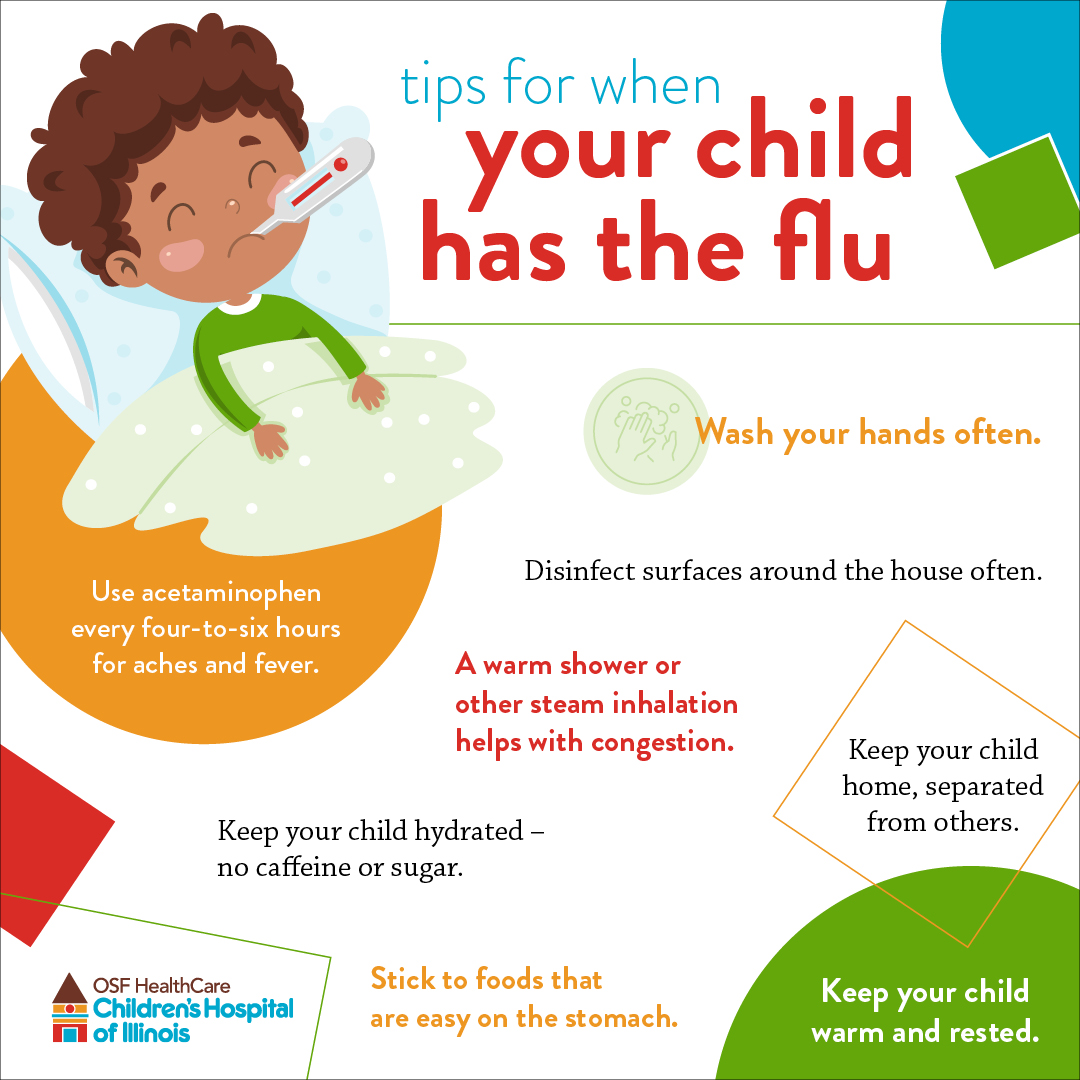
Image Source: www.osfhealthcare.org
Comprehending the Flu in Toddlers
What is the flu in toddlers? The flu is caused by a germ called the influenza virus. It’s not just a bad cold. The flu often makes kids much sicker than a cold does. It can cause fever, body aches, and make them feel very tired. The flu virus spreads through coughs, sneezes, and touching things that have the germ on them. Toddlers can get the flu easily because they touch everything and put their hands in their mouths.
Spotting the Signs: Toddler Flu Symptoms
Recognizing toddler flu symptoms can be tricky. Sometimes it starts like a cold. But flu symptoms usually come on fast and are worse.
Here are common signs:
- High Fever: This is often the first sign. Their temperature can go up quickly.
- Chills and Shakes: They might feel cold and shiver, even with a fever.
- Cough: A dry cough or a cough with mucus.
- Sore Throat: They might cry when swallowing or not want to eat.
- Runny or Stuffy Nose: Like a cold, but can be worse.
- Muscle or Body Aches: They might seem uncomfortable or hurt all over.
- Feeling Very Tired: They will be much less active than normal. They might sleep more.
- Throwing Up or Diarrhea: Some toddlers get tummy troubles with the flu.
- Being Cranky or Fussy: They just don’t feel well and can’t tell you why.
- Loss of Appetite: They may not want to eat much.
It’s important to watch your child closely. Toddler flu symptoms can change. Knowing what to look for helps you care for them.
Helping Your Child Feel Better: Treating Flu in Toddlers
When your toddler has the flu, the main goal is to help them feel more comfortable. You want to help their body rest and fight the germ. There is no cure for the flu right away. Treating flu in toddlers is mostly about managing the symptoms and keeping them safe while they recover.
Key things to do include:
- Make them comfortable.
- Help them get rest.
- Make sure they drink enough.
- Help with fever.
- Watch for signs that they need a doctor.
Let’s look at each of these more closely.
Easing Discomfort: Comfort Measures for Toddler Flu
Making your toddler comfortable helps them rest. Rest is super important for fighting the flu.
- Cozy Spot: Set up a comfy place for them to rest. This could be on the couch with blankets or in their bed. Keep the room quiet and calm.
- Extra Love: Give lots of hugs and cuddles. Being sick is scary for little ones. Your presence helps them feel safe.
- Quiet Play: Offer quiet activities like reading books, watching a calm show, or playing softly with stuffed animals or blocks. Avoid rough play or too much excitement.
- Keep the Air Moist: Dry air can make coughs and stuffy noses worse. A cool-mist humidifier in their room can help. Clean it often so germs don’t grow.
- Warm Bath: A warm bath can sometimes help ease body aches and relax them before sleep. Make sure they don’t get cold afterward.
These comfort measures for toddler flu can make a big difference in how your little one feels day-to-day while they are sick.
Tackling Fever: Toddler Fever Remedies
Fever is a sign the body is fighting the sickness. A low fever isn’t always bad. But a high fever can make your toddler feel really bad. Toddler fever remedies include medicine and other simple things.
- Medicine (Flu Medication for Toddlers): You can give medicine to lower a fever if your child is uncomfortable. The two common ones are acetaminophen (like Tylenol) and ibuprofen (like Motrin).
- Important: Always use the dose that is right for your child’s weight, not just their age.
- Use the special cup or syringe that came with the medicine. Kitchen spoons are not accurate.
- Never give aspirin to children or teens. It can cause a serious problem.
- Talk to your doctor or pharmacist if you don’t know which medicine to use or the right dose.
- Don’t give fever medicine just to get the temperature down if your child is playing and seems okay. Give it if they are feeling miserable because of the fever.
- Cool Cloths: Put a cool, damp cloth on their forehead or the back of their neck. This can help them feel cooler.
- Light Clothes: Don’t dress them in too many layers. This can make them hotter. Use lightweight pajamas and blankets.
- Keep the Room Cool: A comfortable room temperature helps.
Remember, fever is just one symptom. Focus on how your child acts and feels overall, not just the number on the thermometer.
Very Important: Keeping Sick Toddler Hydrated
Keeping sick toddler hydrated is one of the most important things you can do. When they have a fever, cough, or tummy issues, they lose fluids. Not drinking enough can make them sicker.
How to know if they are getting enough fluids?
- Wet Diapers: They should still have wet diapers often. If they have fewer wet diapers than usual, or none for many hours, they need more fluids.
- Mouth and Lips: Their mouth should look wet, not dry or sticky. Their lips should not look dry or cracked.
- Tears: They should still make tears when they cry.
Getting fluids into sick toddler can be hard. They might not feel like drinking. Be creative and offer small amounts often.
Ideas for fluids:
- Water: Always a good choice.
- Diluted Juice: Mix juice with water (half and half) to make it less sweet. Too much sugar can sometimes make tummy problems worse.
- Clear Broth: Chicken or vegetable broth can offer fluids and some salt.
- Popsicles or Ice Chips: Many kids like these. They are a good way to get fluids in slowly.
- Pedialyte: This is a special drink with the right mix of sugar and salts. It’s very helpful if your child is throwing up or has diarrhea. It helps replace what their body is losing.
- Gelatin (Jell-O): This is mostly water and can be fun for them to eat.
- Small, Frequent Sips: Don’t give them a big cup. Offer a few sips every 10-15 minutes. Use a fun straw or a special “sick cup.”
- Offer Even If Not Asked: Don’t wait for them to say they are thirsty. Offer drinks often throughout the day and night.
Be patient. It might take time to get them to drink. Offer choices. Let them pick the cup or the flavor (from safe options). Getting fluids into sick toddler is key for their recovery.
Simple Helpers: Home Remedies for Toddler Flu
Besides medicine and fluids, some simple home remedies for toddler flu can help ease symptoms.
- Steamy Bathroom: If they have a stuffy nose or cough, sit with them in the bathroom with the hot shower running. Don’t put them in the hot water. Just let them breathe in the warm, moist air for 10-15 minutes.
- Saline Nose Drops or Spray: These are just salt water. You can buy them at the store. Put a few drops in each nostril to help loosen mucus. Use a bulb syringe to gently suck out mucus from little noses. This can help them breathe better, especially before feeding or sleeping.
- Honey for Cough: For toddlers over one year old, a little bit of honey can help soothe a cough. Never give honey to babies under one year old. Give a teaspoon as needed. It coats the throat.
- Elevate Head (Slightly): If they are stuffed up, raising the head of their bed slightly might help. You can put a pillow under the mattress (at the head) for older toddlers. Do not use pillows in cribs for babies or very young toddlers due to suffocation risk.
- Warm Compresses: A warm, damp cloth on the forehead or cheeks might help with sinus pressure if they are old enough to understand what it is and keep it there safely.
These home remedies for toddler flu can make symptoms less bothersome and help your child feel a bit more normal.
Knowing When to Call the Doctor: When to Take Toddler to Doctor for Flu
Most toddlers will get over the flu at home with your care. But sometimes, the flu can lead to more serious problems. It’s important to know when to take toddler to doctor for flu. Do not wait if you see worrying signs.
Call the doctor right away or go to the emergency room if your toddler has any of these signs:
- Fast Breathing or Trouble Breathing: Their chest might suck in below the ribs with each breath. They might grunt when breathing.
- Bluish Lips or Face: This means they are not getting enough air.
- Chest Pain: They might hold their chest or complain it hurts (if they can talk).
- Severe Muscle Pain: Pain so bad they don’t want to walk or move.
- Not Drinking Fluids: If they refuse to drink any fluids for many hours, or show signs of not having enough fluids (like very few wet diapers).
- Not Alert or Not Interacting: They seem very sleepy, hard to wake up, or don’t respond to you normally.
- Seizures: Any uncontrolled shaking or staring.
- Fever in Very Young Babies: Any fever in a baby younger than 3 months needs to be checked by a doctor right away.
- Fever that won’t go down: A high fever that does not get better after you give medicine.
- Other Health Problems: If your toddler has other ongoing health issues (like asthma or heart problems), they are at higher risk from the flu. Call the doctor even for less severe flu symptoms.
- Symptoms Get Better Then Get Worse: If they start to seem better, but then suddenly get worse with new fever or worse cough. This could mean another sickness has started.
If you are ever worried about your toddler’s symptoms, it’s always okay to call your doctor or nurse advice line. They can help you decide when to take toddler to doctor for flu. Trust your gut feeling as a parent.
Medicine Details: Flu Medication for Toddlers
We talked about fever medicine, but are there other flu medication for toddlers?
- Antiviral Medicine: In some cases, doctors might give a special medicine called an antiviral (like Tamiflu). This medicine can help your child get better faster and might make the sickness less severe. But it has to be started early, usually within 1 or 2 days of symptoms starting. It’s not for every child. Your doctor will decide if your toddler needs this type of medicine.
- Cough and Cold Medicines: Be very careful with these. The American Academy of Pediatrics and other experts say that over-the-counter cough and cold medicines should not be given to children under age 4. They don’t usually help and can have serious side effects in young children. For older toddlers (4-6), use only if the doctor says it’s okay and follow directions exactly.
- Giving Medicine Safely:
- Always check the expiration date.
- Make sure you are giving the right medicine (not confusing infant drops with children’s liquid, for example – they are different strengths).
- Know the full name of the medicine (like acetaminophen) to avoid giving two medicines with the same main ingredient.
- Keep all medicines up high and locked away so children cannot reach them.
Always talk to your doctor or pharmacist before giving your toddler any new flu medication for toddlers, especially prescription ones or if you are not sure about the dose.
The Path to Feeling Better: Toddler Flu Recovery Tips
The flu takes time to get over. Don’t expect your toddler to bounce back right away. Toddler flu recovery tips focus on taking it slow and watching for any lingering issues.
- More Rest: Even after the fever is gone, they will need more rest than usual. Keep naps longer and bedtime early.
- Appetite Returns Slowly: Don’t worry if they don’t eat much for a few days. Offer simple foods like toast, soup, or bananas. Keep offering fluids. Their appetite will come back as they feel better.
- Back to Normal Slowly: Don’t rush to send them back to daycare or activities. Wait until they have been fever-free for 24 hours without fever medicine and seem to have their energy back. Going back too soon can make them sicker again or spread the flu to others.
- Watch for New Sickness: Sometimes, after the flu, toddlers can get another sickness, like an ear infection or pneumonia. Watch for new fever, worse cough, ear pain (pulling at ears), or trouble breathing.
- Keep up Fluids: Continue to make sure they are drinking well, even as they recover.
- Gentle Play: Start with quiet playtime and slowly add more active things as they feel up to it.
These toddler flu recovery tips help ensure your child fully heals and doesn’t have setbacks.
Preventing the Flu
While this post is about helping your toddler with the flu, preventing it is even better!
- Flu Vaccine: The flu shot is recommended every year for everyone 6 months and older. It’s the best way to protect your toddler from the flu.
- Wash Hands: Wash hands often with soap and water for 20 seconds. Teach your toddler to wash their hands. Use hand sanitizer when soap and water aren’t available.
- Avoid Sick People: Try to keep your toddler away from people who are coughing or sneezing.
- Clean Surfaces: Clean toys and surfaces that are touched often.
Putting it All Together: Your Role in Treating Flu in Toddlers
Dealing with toddler flu symptoms is tiring for parents. Your love and care are the most important things. Focus on comfort, rest, and fluids. Use toddler fever remedies and other home remedies for toddler flu as needed. Know when to take toddler to doctor for flu to get help for serious symptoms. Be careful with flu medication for toddlers, always checking with your doctor. Follow toddler flu recovery tips for a smooth return to health. Keeping sick toddler hydrated and getting fluids into sick toddler are critical tasks. You are doing a great job helping your little one feel better.
Frequently Asked Questions
Here are answers to some common questions about the flu in toddlers.
Q: How long does the flu last in a toddler?
A: Flu symptoms can last for one to two weeks. The fever often lasts for 3-5 days. Cough and tiredness can last longer.
Q: Can my toddler get the flu again?
A: Yes, your toddler can get the flu more than once, even in the same year. This is because there are different types of flu germs, and they change each year. Getting the flu shot each year helps protect against the types expected to be most common.
Q: Is the stomach flu the same as influenza?
A: No, they are different. The “stomach flu” is usually caused by different germs, like norovirus. It mostly causes throwing up and diarrhea. Influenza (the flu) is a sickness that affects the nose, throat, and lungs more, causing fever, cough, and body aches. Sometimes the flu can cause tummy problems too, but it’s not the main part of the sickness.
Q: My toddler doesn’t want to eat. Is that okay?
A: It’s common for toddlers with the flu to not want to eat much. As long as they are drinking fluids well and staying hydrated, it’s usually okay if they don’t eat solid food for a few days. Offer simple foods when they show interest, but focus on fluids first. Their appetite will come back as they get better.
Q: How soon after having the flu can my toddler go back to daycare?
A: Most doctors recommend that your toddler should be fever-free for at least 24 hours without using fever-reducing medicine before returning to daycare or group settings. They should also be feeling better and have enough energy to take part in activities. This helps prevent spreading the flu to others.
Q: How can I stop the rest of the family from getting the flu?
A: Good handwashing is key. Wash hands often, especially after touching your sick toddler or their things. Disinfect surfaces they touch. If your toddler is coughing or sneezing, try to teach them to cover their mouth and nose (into their elbow). Make sure everyone in the family who is old enough gets their flu shot.
Helping a sick toddler takes patience and care. Use these tips to make your little one as comfortable as possible while they recover.