
Can toddlers distinguish colors? Yes, most toddlers start to learn and point to colors as they grow. When can you test for color blindness? Formal color vision tests are best for older children, usually around age 4 or later, but signs can be seen earlier. Is color blindness genetic? Yes, color blindness often runs in families and is usually passed down from parents.
Color blindness is not really blindness at all. It means a person sees colors differently than most people. Or they may have trouble telling certain colors apart. This is called color vision deficiency. It happens when special cells in the eye do not work right. These cells are called cones. They help us see color. Most people with color vision problems have trouble with red and green colors. This is called red-green color blindness in kids.
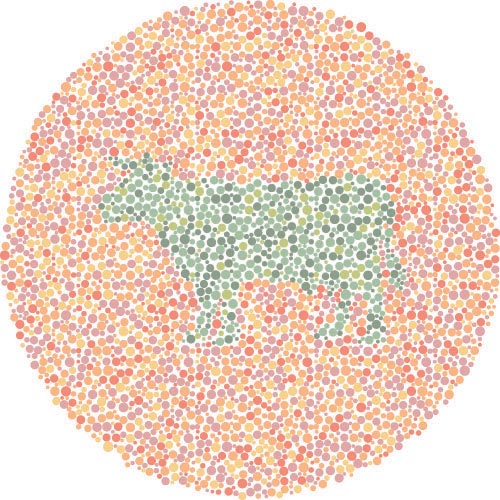
Image Source: www.colorlitelens.com
What Color Blindness Is
Color blindness means your eyes see colors in a different way. It does not mean you see only black and white. That is very rare. Most people with color blindness see colors, but they might mix up certain ones.
Think about crayons. Most people see a clear difference between a red crayon and a green crayon. Someone with red-green color blindness might see both crayons as a brownish or dull color. Or they might mix up red, green, and yellow things.
It happens because tiny parts in the back of the eye, called cones, do not work as they should. We have cones that help us see red, green, and blue light. If one kind of cone does not work well, it changes how we see those colors and colors made from them.
Most color blindness is something people are born with. It usually affects boys more than girls. This is because the genes for seeing color are on the X chromosome. Boys have one X and one Y chromosome. Girls have two X chromosomes. If a boy gets an X chromosome with the gene for color blindness, he will likely have it. If a girl gets one X with the gene, her other X chromosome might have a working gene that makes up for it.
So, is color blindness genetic? Yes, very often it is. It runs in families. Knowing if someone in your family is color blind can be a hint that your child might be too.
Grasping Toddler Color Development Milestones
Babies see the world mostly in black, white, and gray at first. Their eyes are still learning to see. As they get older, they start to see more colors.
Around 4 to 6 months old, babies can start to see many colors. They can see red and green. They can see blue and yellow. They start to like bright toys.
By 18 months old, or 1 and a half years, many toddlers can point to colors. They might not know the names yet. But they can pick out the same color. If you give them a red block, they might find another red block.
Between 2 and 3 years old, toddlers learn color names. They can point to a color when you name it. They might find a red ball when you say “red”. They can sort things by color. They might put all the blue blocks in one pile. They might put all the yellow blocks in another pile.
By age 3, most kids know their basic colors. They know red, blue, yellow, green. Maybe black and white. They can use color words when they talk. They might say, “Look at the blue car!”
This is part of their learning. It is a normal step. Seeing how a child learns colors helps know if their vision is working right. If a toddler is much slower in learning colors than other kids their age, it could be a sign. But it does not always mean color blindness. Some kids just learn colors later.
Signs to Look For in Young Kids
How can you tell if a toddler might have trouble seeing colors? They are too young for a test. But there are signs your child can’t see colors like others. These are called symptoms of color blindness in children.
Look at how they play with colors. Do they pick out the right colors? If you ask for the red truck, do they get a red one? Or do they get a green one? Or a brown one?
Maybe they use the wrong colors when drawing. A child might color the leaves of a tree red. Or they might color the sky green. This could be a sign they do not see the colors the way most people do. Or they might not know the names yet. It is hard to tell with very young kids.
Here are some things you might see. These can be early signs:
- Trouble naming colors by age 3 or 4. They might mix up color names.
- They match colors wrong. For example, they might try to match a red sock with a green sock.
- They color things in strange ways. Like purple grass or orange trees.
- They get upset or frustrated with color games. Games that ask them to sort by color or find a certain color might be hard for them.
- They rely on where things are, not their color. For example, they might know the STOP sign is red because of its shape and where it is, not because they see the color red clearly.
- They have a hard time seeing colors in different lights. Some colors might look the same in dim light.
- They might seem sensitive to bright lights. This is not always a sign, but it can sometimes go along with certain types of color vision problems.
These signs are not perfect. A child might color things wrong just because they are being creative. Or they might be slow to learn names for many reasons, not just vision. But if you see a few of these things, it might be good to think about color vision.
These are some color blind child characteristics you might notice early on. They are clues. They do not give a full answer.
Focusing on Red-Green Color Blindness
Most color blindness is red-green type. This means the child has trouble telling red and green apart. They might also mix up colors that have red or green in them. Like brown, orange, yellow, and purple.
For a child with red-green color blindness in kids, red and green might look like the same muddy color. Or one might look darker or lighter than the other. It makes games with red and green pieces hard. Like board games or sorting toys.
Signs related to red-green confusion:
* Confusing red and green crayons.
* Not seeing red fruits easily among green leaves on a tree.
* Trouble with traffic lights (they learn the order, top is stop, bottom is go).
* Cannot see 3D pictures made with red and green glasses.
* Finding it hard to see red or green text on a colored background.
This type of color vision problem does not get worse over time. It stays the same. It also cannot be cured. But people learn to live with it.
Figuring Out When and How to Test
You might wonder, when can you test for color blindness? Formal tests that use pictures or numbers hidden in colored dots are best for children who can understand and talk. This is usually around age 4 or 5. Before that, it is hard for them to follow the test rules.
But there are ways to get an idea earlier. These are not formal color vision test for toddlers. They are more like games. You can watch how they play with colors. Ask them to sort blocks by color. Ask them to pick out a certain color. See if they can match colors.
For very young toddlers, you can use simple color matching games. Get blocks or toys in basic colors like red, blue, yellow, green. Put out one red block. Ask your child to find another block that is the same color. See which one they pick. Do this with different colors. If they often pick a green block when you showed them a red one, it could be a sign.
Some simple ways to check at home (not a real test):
* Color Sorting: Give them a mix of colored items (blocks, buttons). Ask them to put same colors together.
* Color Naming: Point to a colored object and ask, “What color is this?” Do they use the right names?
* Color Finding: Say, “Find the blue car.” Do they find the blue one?
These are just observations. They are not proof of color blindness. But they can help you see if your child seems to have more trouble with colors than other kids their age.
There are specific color vision test for toddlers that use pictures instead of numbers. For example, the Ishihara test for kids might use shapes or animals hidden in the dots. But the child still needs to be old enough to find the shape and tell you what they see. This is usually around age 4 or 5.
Another test is the Farnsworth D-15. This test asks a person to put colored caps in order based on how close their colors are. This is usually for older kids or adults.
For very young children where color blindness is suspected, a visit to an eye doctor or pediatrician is key. They can do other checks. They can see if the child’s eyes are healthy.
Deciphering the Family Link
We talked about is color blindness genetic. It really is a family thing for most people who have it from birth. The most common type, red-green color blindness, is linked to the X chromosome.
Genes are like instructions for our bodies. We get genes from our parents. Boys get an X chromosome from their mother and a Y chromosome from their father. Girls get one X from their mother and one X from their father.
The gene for red-green color vision is on the X chromosome.
* If a boy gets an X with the color blindness gene from his mother, he will have color blindness. This is because he only has one X chromosome.
* If a girl gets one X with the gene from one parent, she also gets an X from the other parent. If that second X has a working gene, she usually will not be color blind. She is a “carrier”. She can pass the gene to her children.
* A girl would only be color blind if she gets the gene on both of her X chromosomes. This is why it is much less common in girls.
So, if the child’s mother or mother’s father is color blind, or if the mother’s brother is color blind, the child (especially if he is a boy) has a higher chance of being color blind.
Knowing your family history helps. If color blindness runs in your family, it is a good reason to watch for signs in your toddler. And to mention it to your doctor.
More About Color Blind Child Characteristics
Beyond mixing up colors, what else might you see in a color blind child? Their behavior or how they do certain tasks might give clues.
They might have trouble with schoolwork that uses color. Like art class. Or science lessons about light and color. Maps that use color coding can be hard for them to read. Charts and graphs in different colors might look confusing.
They might not notice ripe fruit as easily if it changes color to show it is ready. Like red strawberries among green leaves.
They might find matching clothes tricky. They might put together colors that clash, not because they have bad taste, but because they do not see the colors as others do.
Some children might not even know they see colors differently until they are older. They think everyone sees colors the way they do. They learn that the green leaf is called “green”. They don’t know that others see a brighter, different color than they do.
Parents or teachers might first notice. A teacher might see the child mixing up colors in class. Or a parent might see it when playing games at home.
It is important to remember these are just characteristics. They are not the child’s fault. They see the world a bit differently.
Why Consulting Pediatrician About Vision is Important
If you think your toddler might have trouble with colors, the best first step is consulting pediatrician about vision. Your pediatrician is your child’s main doctor. They know your child well.
Tell your pediatrician about your concerns.
* Share the signs you have seen.
* Tell them if color blindness runs in your family.
Your pediatrician can check your child’s overall eye health. They can do simple vision screenings. While they might not do a formal color test on a young toddler, they can decide if your child needs to see an eye specialist.
An eye specialist is a doctor who knows a lot about eyes. This might be an optometrist or an ophthalmologist. They have special tools. They can do more detailed tests. They can figure out exactly what kind of color vision problem your child has.
Getting an early check is good. Even if color blindness cannot be fixed, knowing about it helps. You can tell teachers. You can help your child with tasks that are hard because of colors. You can get tools that help, like apps or special glasses (though these do not cure it, they can help tell colors apart).
Do not wait if you are worried. Consulting pediatrician about vision can help you understand what is happening. They can guide you on what to do next.
When to Seek Help
If you see several signs that your child might not see colors correctly, or if color blindness is in your family, talk to your doctor.
Even simple things like your child being frustrated by color-based toys or activities could be a sign. Or if they are 3 or 4 and still mix up basic colors often.
Here is a simple list of reasons to talk to your doctor:
- Family history of color blindness.
- Your child is 3 or 4 and does not know color names or mixes them up a lot.
- Your child has trouble matching colors.
- Your child colors things in very unusual colors (like blue sun, red grass) often.
- Your child seems frustrated with color games.
- You notice other vision problems.
Your pediatrician can help figure out if the signs are normal for your child’s age or if a closer look is needed. Remember, toddlers learn at different speeds. Some kids learn colors later just because. But checking is always a good idea to be sure.
What Happens After a Diagnosis
If a formal color vision test for toddlers later shows your child is color blind, what happens then?
First, do not worry too much. Color blindness is not serious for most people. It does not cause blindness. It does not hurt their eyes.
It is a condition that affects how they see colors. It does not stop them from living a normal life. It might make some tasks harder.
Here are some things you can do:
* Tell their school: Teachers can help by using lessons and materials that are easier for a color blind child. They can avoid using color alone to give information.
* Help them learn other cues: Teach them to use other things to identify objects. Like shape, brightness, or location. Traffic lights are a good example. They learn the top light is stop, the middle is wait, the bottom is go. Not just the color.
* Use labels: Label crayons or art supplies with color names.
* Choose helpful tools: There are apps that can help name colors when you point a phone at them. Special glasses can make colors look more different, though they do not make the person see colors normally.
* Talk about it: Help your child understand that they see colors differently. It is okay. Many people have color blindness.
* Focus on strengths: Color blindness does not affect other things. Your child can still learn, play, and be good at many things.
Living with color blindness is about learning to adapt. It does not need medical treatment. It is about finding ways to manage tasks that rely heavily on color.
Common Types of Color Blindness
Most color blindness is inherited. It means you are born with it. The most common is red-green. But there are other types:
- Red-Green Color Blindness: This is the most common. People have trouble seeing red and green. They might mix them up. This type has different forms, like protanopia, protanomaly, deuteranopia, and deuteranomaly. These names refer to which specific cone cell is not working right.
- Blue-Yellow Color Blindness: This is less common. People have trouble seeing blue and yellow. They might mix them up with green or gray. Blues might look greenish. Yellows might look grayish or purplish. This type also has forms like tritanopia and tritanomaly.
- Complete Color Blindness (Monochromacy): This is very rare. People with this see the world in shades of gray, black, and white. They also often have other eye problems, like being bothered by light (photophobia) and poor eyesight.
For toddlers, red-green color blindness in kids is the one most likely to be noticed because it is much more common.
Getting Support
If your child is found to have color blindness, it is a good idea to get support and information. Talk to the eye doctor. They can explain the specific type of color blindness your child has. They can suggest ways to help.
You can also find groups or websites for people with color blindness. Hearing from others can be helpful. It shows you are not alone. You can learn tips for managing everyday tasks.
Knowing early is the key for toddlers. It gives you time to help your child learn in ways that work for them. It prevents frustration down the road. It helps teachers support them in school.
Remember, seeing colors differently is just one part of who they are. It does not limit their potential.
Table: Toddler Color Learning Stages (Approximate)
| Age (Approx.) | What Most Toddlers Do | What to Watch For (Potential Signs) |
|---|---|---|
| 12-18 Months | Start to see colors well. Might match same colors. | Does not seem to notice bright colors. Cannot match same colors at all. |
| 18-24 Months | Can point to some colors when asked (e.g., “red”). Still learning names. | Consistently points to wrong colors when asked. Cannot match colors well. |
| 2-3 Years | Starts naming basic colors (red, blue, yellow, green). Sorts items by color. | Mixes up most color names often. Has big trouble sorting things by color. Colors things in very “wrong” colors usually (like blue grass). |
| 3-4 Years | Knows basic colors well. Uses color names often and correctly. | Still confuses basic colors regularly. Struggles with color-based games or learning materials. |
This table shows typical steps. Kids learn at their own pace. But if your child is far behind these steps, it’s worth checking.
Frequently Asked Questions (FAQ)
Q: Can color blindness be fixed?
No, inherited color blindness cannot be cured. It is a lifelong condition. But people learn to adapt and manage it.
Q: Is color blindness serious?
For most people, color blindness is not serious. It does not affect their health or overall vision in a big way. It mainly affects how they see colors. It might limit some jobs later in life (like pilots or train drivers who need to see signal colors perfectly).
Q: If my toddler is color blind, will it get worse?
No, inherited color blindness does not get worse over time. It stays the same throughout life.
Q: Are there glasses or lenses that can help?
Yes, there are special tinted glasses or contact lenses. They do not cure color blindness. But they can help some people see colors more clearly or tell certain colors apart better while wearing them. They do not make the person see colors the way someone with normal vision does.
Q: Should I test all my children for color blindness?
If color blindness runs in your family, or if you notice signs in any of your children, talking to your pediatrician is a good idea. They can help you decide if formal testing is needed and when. Testing is usually done around age 4-5.
Q: Can a child be color blind if no one in the family is?
Yes, it is possible but less common. The gene might be carried by someone who is not color blind themselves (a carrier). Or rarely, it can happen due to other reasons. But most often, is color blindness genetic and runs in families.
Q: Does color blindness affect learning to read or write?
No, color blindness does not directly affect reading or writing skills. It might make learning materials that rely heavily on color harder to use. But it does not impact their ability to learn letters or words.
Q: What should I do if I think my toddler has signs of color blindness?
Talk to your pediatrician first. Describe the signs you see. Tell them about family history. They can check your child and tell you if you should see an eye specialist for a more detailed check. Early checks are helpful.