
A cough is a common thing for toddlers. It can sound scary. But often, a cough is just your child’s body trying to get rid of stuff. This stuff can be mucus or germs. So, a cough helps clear the airway. Can I use home remedies for my toddler’s cough? Yes, many parents use simple things at home to help their little one feel better. Are they safe? Most home remedies are safe for toddlers, but you need to know which ones are okay and how to use them the right way. When should I worry? You should worry and call the doctor if your toddler has trouble breathing, a high fever, or other worrying signs. This article will look at safe, natural ways to help your toddler’s cough and tell you when you need to get help from a doctor. We will focus on home remedies that can bring comfort and help your toddler heal.
Image Source: assets.childrens.com
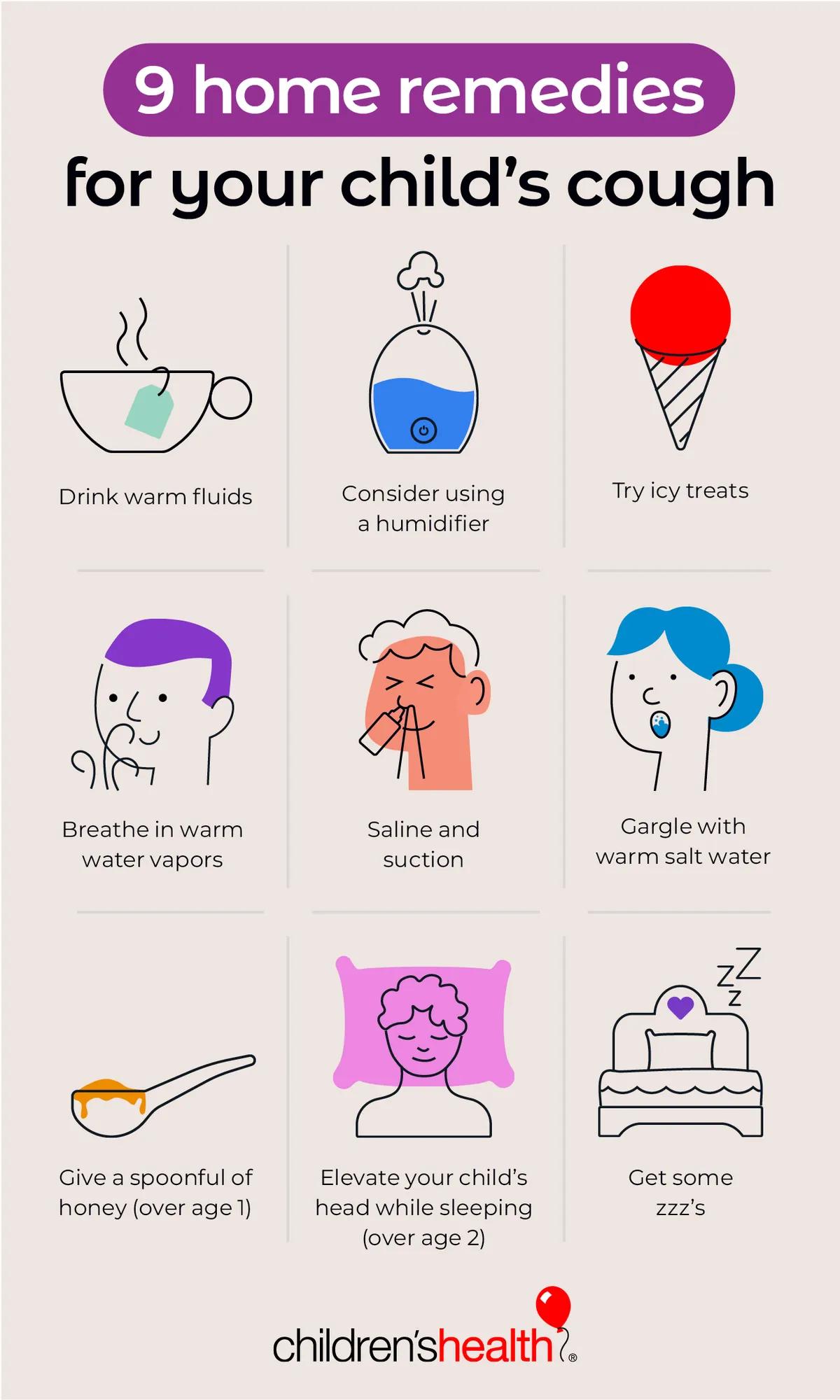
What is a Cough Anyway?
Think of a cough as a quick burst of air from the lungs. It is like a reflex. Like when you blink if something comes near your eye. The body uses coughing to protect the airways. It clears out things that should not be there. This could be mucus from a cold. It could be a bit of food that went down the wrong way. Or it could be something that makes the throat or airway feel itchy or bothered.
For toddlers, who are still learning to blow their nose or clear their throats well, coughing is extra important. It helps keep their breathing tubes open and clear. So, while a cough can sound bad, it often shows your toddler’s body is working.
Grasping Why Toddlers Cough
Toddlers cough for many reasons. Most times, it is because they have a cold or another common sickness. But other things can make them cough too. Knowing why they are coughing can help you choose the best way to help them.
Common Reasons for a Cough
Here are some usual things that make toddlers cough:
- Colds: This is the most common reason. Colds are caused by viruses. Viruses make the body create more mucus. This mucus can drip down the back of the throat. This is called post-nasal drip. Post-nasal drip tickles the throat and makes a toddler cough. The cough helps clear this mucus. Signs of toddler cold and cough often include a runny nose, sneezing, and sometimes a low fever.
- Flu: The flu is like a strong cold, also caused by viruses. It often comes on faster and makes a child feel much sicker. A cough is a big sign of the flu. Flu symptoms can be worse than a cold.
- Allergies: Some toddlers cough because of allergies. Allergies happen when the body reacts to things like pollen, dust, or pet dander. These things irritate the airways or cause post-nasal drip. This leads to a cough. Allergy coughs might happen at certain times of the year. They often come with itchy eyes or a runny nose with clear mucus.
- Irritants in the Air: Things in the air can make anyone cough. For little lungs, this is even more true. Smoke (from cigarettes, fireplaces, or pollution) is a big one. Strong smells from cleaning products, perfumes, or air fresheners can also bother their airways. This can cause a dry, hacking cough.
- Something in the Airway: This is less common but serious. If a toddler breathes in a small toy part or food piece, it can block an airway. This causes a sudden, strong cough. This is an emergency.
Most toddler coughs are from colds or other simple bugs. These coughs get better on their own with time and care. But it is important to know the signs of when a cough might be something more serious.
Recognizing When to Worry About Toddler Cough
Most coughs from a cold are not serious. They get better in a week or two. But sometimes, a cough can be a sign of a bigger problem. It is very important for parents to know the signs that mean they need to call a doctor right away. This is about when to worry about toddler cough.
Key Warning Signs
Do not wait to call your doctor or go to the emergency room if your toddler has a cough and any of these signs:
- Trouble Breathing: This is the most important sign.
- Breathing Fast: Your toddler is taking many quick breaths.
- Working Hard to Breathe: You might see their chest sink in below the ribs, or their belly go up and down a lot. Their nose might flare open with each breath. Their shoulders might lift up.
- Making Strange Sounds When Breathing: This could be a high-pitched sound when breathing in (stridor) or a whistling sound when breathing out (wheezing). Wheezing can be a sign of asthma or other airway problems.
- Lips or Face Look Blue: This means they are not getting enough oxygen. This is an emergency.
- High Fever: For a toddler, a fever of 103°F (39.4°C) or higher can be a worry, especially with a cough. Fever with a cough could mean pneumonia or the flu. Always call your doctor if a toddler under 3 months old has any fever. Call for any high fever in older toddlers.
- Coughing Up Bad Stuff: If your toddler is coughing up thick green or yellow mucus, it might mean a bacterial infection. If they cough up blood, call the doctor right away.
- Cough Sounds Like a Bark: A cough that sounds like a seal barking could be croup. Croup is common in toddlers. It is often worse at night. It is caused by a virus that makes the airway below the voice box swell. Many cases of croup can be managed at home with cool air or steam, but a doctor should check a barking cough. Severe croup can make it hard to breathe.
- Wheezing: This is a whistling sound when they breathe out. It means the small airways in the lungs are narrow. This can happen with asthma or bronchiolitis (a common virus in young kids).
- Seems Very Sick: Your toddler is very tired, does not want to play, is very fussy, or just does not act like themselves at all.
- Not Drinking Enough: If they are not taking in fluids, they can get dehydrated. This makes it harder for the body to fight off the sickness.
- Cough Does Not Get Better: Most coughs get better in 1-2 weeks. A cough that lasts longer than 3 weeks should be checked by a doctor.
- Sudden Cough with Choking/Gagging: If the cough started suddenly while eating or playing and they seemed to choke or gag, they might have breathed something in. Get help fast.
Why You Must Call the Doctor
It is better to call the doctor and find out it is nothing serious than to wait when your child needs help. Doctors are there to check your child and make sure they are okay. They can tell you if the cough is part of a simple cold or something that needs medicine or other treatment. Trust your gut. If you feel like something is not right with your toddler’s cough, call the doctor.
Safe Home Remedies for Toddler Cough
Many simple things you can do at home can help your toddler feel much better when they have a cough. These natural cough relief for toddlers can soothe their throat, loosen mucus, and help them rest. These are often the first and best ways to help a toddler cough. This section covers effective home remedies for toddler cough.
Boosting Fluids
Making sure your toddler drinks enough is very important when they are sick. Fluids help keep the body working well. They also help thin the mucus in their nose and chest. Thinner mucus is easier to cough up or blow out (if they can).
- Water: Plain water is great. Offer it often throughout the day.
- Warm Clear Liquids: For toddlers over one year, warm liquids can be very soothing for a sore throat.
- Warm apple juice: A little bit warmed up.
- Clear broths: Like chicken broth. Not too hot.
- Weak, decaf tea: Like chamomile tea. Just a little bit. Make sure it does not have caffeine. Add a tiny bit of honey if your toddler is over one year old.
- Popsicles: These can help soothe a sore throat and get fluids into them if they do not want to drink. Choose ones without too much sugar if possible.
- Avoid sugary drinks: Sodas or very sweet juices are not the best. They can sometimes make mucus thicker.
Offer small amounts of fluid often. Do not worry too much about food if they do not want to eat, but keep offering drinks.
The Power of Honey
Honey is a well-known natural cough relief for toddlers over one year old.
- How it works: Honey is thick and sticky. It coats the throat when swallowed. This can help calm the tickle that makes a toddler cough, especially a dry cough. Some studies show honey works as well as some cough medicines for calming coughs at night in older kids.
- How to give it: You can give a toddler over one year old about half a teaspoon to one teaspoon of honey. You can give it straight off a spoon. Or you can mix it in warm water, warm milk, or weak tea.
- Age Restriction: NEVER give honey to a baby younger than one year old. Honey can have tiny amounts of bacteria called Clostridium botulinum. These bacteria can cause a serious sickness called infant botulism in babies whose bodies are not ready to fight it off. A toddler over one year old has a developed gut that can handle these bacteria. So, honey is safe only for toddlers and children over 12 months old.
- Give it before bed: Honey can be especially helpful for toddler coughing at night relief. Giving a dose before bedtime might help them sleep better.
Making Air Wet (Humidifier for Toddler Cough)
Dry air can make a cough worse. It dries out the airways. Adding moisture to the air can help loosen mucus and make breathing easier. This is where a humidifier for toddler cough comes in handy.
- Which kind to use: A cool-mist humidifier is best for a toddler’s room. Warm-mist humidifiers can cause burns if the child gets too close or knocks it over. A cool-mist one is safer.
- How it helps: The moist air helps soothe irritated airways. It also helps thin the mucus in the nose and chest. This makes it easier for your toddler to cough it up or clear it. This can be helpful for chest congestion in toddlers.
- Where to put it: Place the humidifier near your toddler’s bed, but not right next to it. Keep it out of their reach.
- Keep it clean! This is very important. Humidifiers can grow mold and bacteria in the water tank. This can then be sent into the air, which is bad for breathing.
- Use clean water each time you fill it.
- Rinse the tank daily.
- Clean the humidifier often (every few days) following the maker’s instructions. Use vinegar or a special cleaner to remove mineral build-up and kill germs.
- Let it air dry completely before putting it away.
- Do not leave standing water in it for long periods.
Using a clean humidifier can make a big difference, especially for helping toddler coughing at night relief.
Helping with Stuffy Noses (Saline and Suction)
Often, a cough is caused or made worse by mucus dripping down the back of the throat (post-nasal drip). Helping your toddler’s stuffy nose can really help their cough.
- Saline drops or spray: Saline is just salt water. It is very safe. You can buy saline nasal drops or spray for babies and toddlers.
- Lay your toddler on their back.
- Put a few drops of saline in each nostril (check the package for the right number of drops for their age).
- Wait a few seconds.
- The saline helps loosen the mucus.
- Nasal Aspirator: For young toddlers who cannot blow their nose yet, a nasal aspirator is useful after using saline.
- There are different types, like the bulb syringe or the NoseFrida style.
- Gently suck out the loosened mucus from their nose.
- Clearing the nose helps stop the drip that causes coughing. It also makes it easier for them to breathe, especially when trying to eat or sleep.
- Do this before feeding or sleeping: Clearing their nose right before they eat or go to sleep can make them much more comfortable.
Steamy Air Help (Shower Steam)
Breathing in warm, moist air can help loosen mucus in the airways. It can also calm a barking cough like croup.
- How to do it: Take your toddler into the bathroom. Close the door. Turn on the hot shower or bath water. Do not put your toddler in the hot water. Just let the room fill with steam.
- Sit in the steamy room: Sit with your toddler in the steamy bathroom for 10-15 minutes. Read a book or sing songs to keep them calm.
- Watch them: Stay with your toddler the whole time. Make sure the room does not get too hot.
- Good for croup: This can be very helpful for calming the swelling in the airway that causes the barking cough of croup. The cool night air outside can also help croup for some kids. If their barking cough or breathing trouble is bad, call the doctor.
Lifting the Head (Sleeping Position)
When your toddler lies flat, mucus can pool and drip down the throat more easily. This often makes coughing worse at night. Elevating their head slightly can help the mucus drain better. This can provide toddler coughing at night relief.
- How to do it safely:
- For babies and young toddlers who still sleep in a crib, do NOT use pillows in the crib. Pillows are not safe for sleep for very young children.
- Instead, place a firm wedge or a few books under the head end of the crib mattress, between the mattress and the crib base. This lifts the whole mattress slightly. The sleeping surface is still flat and firm, but angled. This is the safest way.
- For older toddlers who sleep in a bed and use a pillow, you can make sure they have one firm pillow that lifts their head a bit. Do not use too many pillows, as this is still not safe and can strain their neck.
- Why it works: The slight angle helps gravity pull the mucus down away from the throat. This reduces the post-nasal drip that triggers coughing while they are lying down.
Gentle Chest Rubs (Natural Options)
Some parents like to use chest rubs to help soothe a cough. However, many common chest rubs contain strong ingredients like camphor and menthol. These can be harmful to young children. They can irritate the airways or cause other bad effects if swallowed or used too much.
- Avoid strong rubs: Do NOT use adult vapor rubs like Vicks VapoRub on toddlers, especially on their face or chest. Many kinds are not safe for children under a certain age (often age 2 or even 4). Read the label carefully.
- Simple, natural options: You can use very simple, gentle rubs.
- Just rubbing a tiny bit of plain petroleum jelly (like Vaseline) on the chest can make them feel comforted. It does not have active ingredients but the warmth and gentle massage might help them relax.
- Some parents use a very small amount of coconut oil or olive oil for a gentle massage on the chest.
- Consider infant-safe products: Some companies make vapor rubs or balms specifically for babies and toddlers. These use milder ingredients like eucalyptus or fir balsam, sometimes diluted with other oils. Always read the label carefully to make sure it is safe for your toddler’s age. Use only a tiny amount. Do not use on the face. Be careful if your child has asthma, as even natural smells can sometimes bother their breathing.
The main benefit of a gentle chest rub is often the comfort of the massage and the parent’s soothing touch, not the ingredients in the rub itself.
Rest is Medicine
When a toddler is sick and coughing, their body is working hard to fight off germs. Rest is super important to help them heal.
- Encourage sleep: Try to let your toddler sleep as much as they need. Follow their lead. Offer naps. Let them sleep longer at night if they can.
- Quiet time: Even if they are not sleeping, quiet activities like reading, watching a calm movie, or cuddling help their body save energy for getting better.
- Do not push activity: Do not force them to go to daycare or run around and play hard if they are not feeling well.
Rest is a key part of recovery for any sickness, including those that cause coughs. It helps their immune system do its job.
Treating Different Types of Toddler Coughs
Coughs can sound different and feel different depending on why they are happening. Some home remedies might work better for certain types of coughs.
Helping a Dry Cough
A dry cough does not bring up mucus. It often sounds hacking or like a tickle in the throat. Dry cough treatment for toddler focuses on soothing the irritated throat.
- Honey (for toddlers over 1): Excellent for coating the throat and calming the tickle. Give it before bed for toddler coughing at night relief.
- Warm drinks: Warm apple juice or clear broth can soothe the throat.
- Humidity: Keeping the air moist with a humidifier helps prevent the throat from drying out, which can make a dry cough worse.
- Lozenges/Hard Candy (ONLY for older toddlers who will not choke): If your toddler is old enough (usually school-aged, check with doctor) and understands how to suck on things safely without biting or choking, a simple lozenge or hard candy can help keep saliva flowing and soothe the throat. Do not give these to young toddlers due to choking risk.
Helping a Chesty Cough
A chesty cough (or wet cough) sounds like it is coming from the chest. It often brings up mucus. This indicates chest congestion in toddlers. The goal is to help loosen and clear the mucus.
- Hydration: Drinking plenty of fluids is key. This helps thin the mucus so it is easier to cough up.
- Humidity: A humidifier helps loosen thick mucus in the airways.
- Steam: Sitting in a steamy bathroom can also help loosen chest congestion in toddlers.
- Gentle Patting (Chest Physiotherapy): For babies and young toddlers, some doctors recommend gently patting their back or chest to help loosen mucus.
- Hold your toddler facing down across your lap, with their chest slightly lower than their hips.
- Cup your hand (like you are holding water) and gently but firmly pat their back between the shoulder blades.
- You can also do this while they are sitting or lying on their side.
- Do this for a few minutes a few times a day, especially before they are due to cough. The cupped hand traps air and makes a small vibration that helps shake mucus loose. Do not do this if it makes them uncomfortable or upset.
- Getting them moving: Gentle play or movement (like walking if they are able) can sometimes help loosen mucus.
Helping Coughing at Night
Coughing often seems worse at night. This is because when a toddler lies flat, mucus collects and drips down the throat. This section focuses on toddler coughing at night relief.
- Elevate the head: Safely raising the head of the bed helps reduce post-nasal drip.
- Humidifier: Running a clean cool-mist humidifier all night can keep airways moist and help loosen mucus.
- Honey (for toddlers over 1): A dose before bed can soothe the throat and calm the cough reflex.
- Clear the nose before bed: Use saline drops/spray and suction right before you put them down for sleep. A clear nose means less mucus dripping down the throat at night.
- Keep the bedroom cool and dark: A comfortable sleep environment helps them rest better, even if they cough a little. Make sure the air is not too dry or too warm.
Combining a few of these tactics is often the best way to help toddler coughing at night relief.
Deciphering Cough Medicine for Toddlers Safety
It might seem like a good idea to give your toddler medicine from the store to stop their cough. But it is very important to understand cough medicine for toddlers safety. Health experts, like the American Academy of Pediatrics, strongly advise against using most over-the-counter (OTC) cough and cold medicines for young children.
Why Over-the-Counter (OTC) Cough Medicines are Risky
Most cough and cold medicines you buy at the store are not safe or helpful for toddlers.
- Not Proven to Work: Studies show these medicines do not really help coughs in young children. They do not make the cough go away faster.
- Can Have Serious Side Effects: These medicines contain strong ingredients (like cough suppressants, expectorants, antihistamines, decongestants). These ingredients can cause side effects in children, even at the right dose. Side effects can include:
- Sleepiness or making them too excited
- Stomach upset
- Fast heartbeat
- Even more serious problems like breathing trouble, confusion, or seizures.
- Risk of Accidental Overdose: It is easy to give a child too much medicine by mistake. The measuring tools might not be correct, or a parent might accidentally give a second dose too soon. Giving too much of these medicines can be very dangerous for a small child.
- Mixing Medicines: Many cold medicines have more than one ingredient. If you give a cough medicine and a fever medicine and a decongestant, you might accidentally give a double dose of one type of medicine if it is in more than one product.
- Age Restrictions: Most OTC cough and cold medicines have warnings not to use them in children under 4 years old. Many experts say not to use them under 6 years old.
What Pediatricians Recommend Instead
Because of the lack of proof they work and the risks of side effects and overdose, doctors usually recommend not using these medicines for toddlers. Instead, they suggest focusing on the safe home remedies we talked about. Natural cough relief for toddlers, like honey (over 1), fluids, and a humidifier, are safer and often work just as well, if not better, for making your child comfortable.
When Prescription Medicine Might Be Needed
Sometimes, a doctor might give you a prescription medicine for your toddler’s cough. This is usually only if the cough is caused by a specific medical problem, not a regular cold.
- Asthma: If your toddler has asthma, they might get medicine to help open their airways. This can stop the wheezing and coughing linked to asthma.
- Certain Infections: If your toddler has a bacterial infection (like pneumonia), they might need antibiotics. Antibiotics do not work for viruses (like colds or the flu), but they are needed for bacterial issues.
Only give your toddler medicine that is specifically prescribed by a doctor for their condition and follow the doctor’s dose instructions exactly. Never give medicine prescribed for someone else.
Keeping the Air Clean
The air your toddler breathes can affect their cough. Keeping their home environment clean can help reduce irritation and coughs.
Avoid Smoke
Smoke from cigarettes, cigars, pipes, or even fireplaces can make anyone cough, especially young children. Secondhand smoke (smoke breathed in by someone who is not smoking but is near it) is very bad for a toddler’s lungs and airways.
- Never smoke inside your home or car.
- Try to keep your child away from people who are smoking.
- If you smoke, try to quit. It is the best thing for your health and your child’s health.
Dusting and Vacuuming
Dust, pet dander, and mold spores in the air can trigger coughs, especially if your toddler has allergies.
- Clean often. Dust surfaces and vacuum floors regularly.
- Use a vacuum cleaner with a HEPA filter if possible. This helps trap small particles.
- Wash bedding often in hot water.
- Reduce stuffed animals if your child has dust mite allergies.
Good Ventilation
Open windows sometimes to let fresh air in. Use exhaust fans in the bathroom and kitchen to remove moisture and smells. Good airflow can help clear out airborne irritants.
Simple Ways to Prevent Coughs
You cannot stop every cough, but you can do things to help your toddler stay healthy and reduce their chances of getting sick.
Washing Hands Often
This is the BEST way to stop germs from spreading. Teach your toddler to wash their hands with soap and water for at least 20 seconds (about the time it takes to sing “Happy Birthday” twice). Wash hands:
- After using the toilet
- Before eating
- After playing outside
- After being in public places
- After coughing or sneezing (teach them to cough/sneeze into their elbow!)
Parents and caregivers should also wash their hands often.
Keeping Away From Sick People
Try to keep your toddler away from people who are clearly sick with colds or flu. This can be hard, but it helps lower their risk.
Healthy Food and Sleep
A healthy body can fight off germs better. Make sure your toddler eats healthy foods and gets enough sleep. This helps their immune system stay strong.
Bringing It All Together: Your Toddler Cough Checklist
Dealing with a toddler cough involves comfort, care, and knowing when to get help. Here is a simple look at options and when to call the doctor.
| Cough Type/Issue | Common Home Remedies (Toddlers > 1) | When to Call the Doctor |
|---|---|---|
| General Cough (Cold) | Lots of fluids, Rest, Humidifier, Saline/suction | Any Warning Sign (see list), Cough lasts > 3 weeks |
| Dry/Tickly Cough | Honey (over 1), Warm fluids, Humidifier, Saline/suction | Any Warning Sign, Cough lasts > 3 weeks |
| Chesty/Wet Cough | Lots of fluids, Humidifier, Steam, Gentle back patting, Saline/suction | Any Warning Sign (especially trouble breathing), Cough lasts > 3 weeks, High fever |
| Coughing at Night | Elevate head of bed (safely), Humidifier, Honey (over 1) before bed, Clear nose before sleep | Any Warning Sign (worse at night can be scary, but focus on breathing trouble etc.) |
| Barking Cough (Croup) | Steam (shower), Cool night air (briefly), Humidifier | If breathing is hard (fast, noisy, pulling in chest), Blue lips, High fever, Seems very sick |
| Possible Allergic Cough | Identify/Remove trigger (dust, pollen, etc.), Saline/suction | If breathing is hard, If seems very sick, If not getting better with trigger removal |
| Any Cough with Warning Signs | Focus on getting to the doctor quickly! Keep them calm. | IMMEDIATELY (Trouble breathing, Blue color, High fever, Wheezing, Very sick, etc.) |
Remember: Home remedies help comfort and support healing. They do not replace medical care when needed.
Questions People Ask
Here are some common questions parents have about helping a toddler cough.
Can toddlers have Vicks VapoRub?
No, most doctors and the makers of Vicks do not recommend using Vicks VapoRub or similar products with strong menthol/camphor for young children, usually under age 2 or even 4, depending on the product. The strong smells can actually bother their airways and make breathing harder in young kids. There are some milder vapor balms made for babies, but always check the age on the label and talk to your doctor if you are not sure. Stick to plain methods like saline or humidity first.
How long do toddler coughs usually last?
A cough from a common cold can last for a while, even after other cold signs are gone. The cough might last for one to two weeks. Sometimes it can linger for up to three weeks or even a bit longer. If your toddler’s cough lasts longer than three weeks, or if it gets worse instead of better, call your doctor.
Is a cough at night worse than a daytime cough?
Coughs often seem worse at night. This is because lying down allows mucus to gather and drip, which triggers more coughing. Also, everything is quieter at night, so you notice the cough more. A night cough can be very tiring for both the child and the parents. However, a cough being only at night does not always mean it is more serious than a daytime cough. The key is to watch for the warning signs we listed (like trouble breathing, wheezing) at any time of day or night. If you are worried about the night cough, try the relief methods for coughing at night.
What about using essential oils for toddler cough?
Be very careful with essential oils around toddlers, especially for breathing problems. Putting oils like eucalyptus or peppermint in a diffuser or rubbing them on the skin is generally not recommended for young children. The strong oils can irritate their small airways or be harmful if they get on the skin or are swallowed. Stick to safer methods like plain steam or a cool-mist humidifier. Always talk to your doctor before using any essential oils for your child.
Wrapping Up
Seeing your toddler cough can be upsetting. But most of the time, it is a normal part of them getting over a cold or other minor sickness. Simple and safe home remedies can do a lot to make your toddler more comfortable. Giving them plenty of fluids, using a clean humidifier, helping with a stuffy nose, and making sure they get lots of rest are all great ways to help. Using honey (for toddlers over 1) can soothe a tickly throat.
Remember that over-the-counter cough medicines are not recommended for toddlers and can be unsafe. Focus on natural ways to help.
Most importantly, know the warning signs. If your toddler has trouble breathing, a high fever, or seems very sick, call the doctor right away. Your doctor is your best resource if you are worried about your toddler’s cough. By using safe home care and knowing when to seek medical help, you can help your little one feel better and get back to being themselves.