
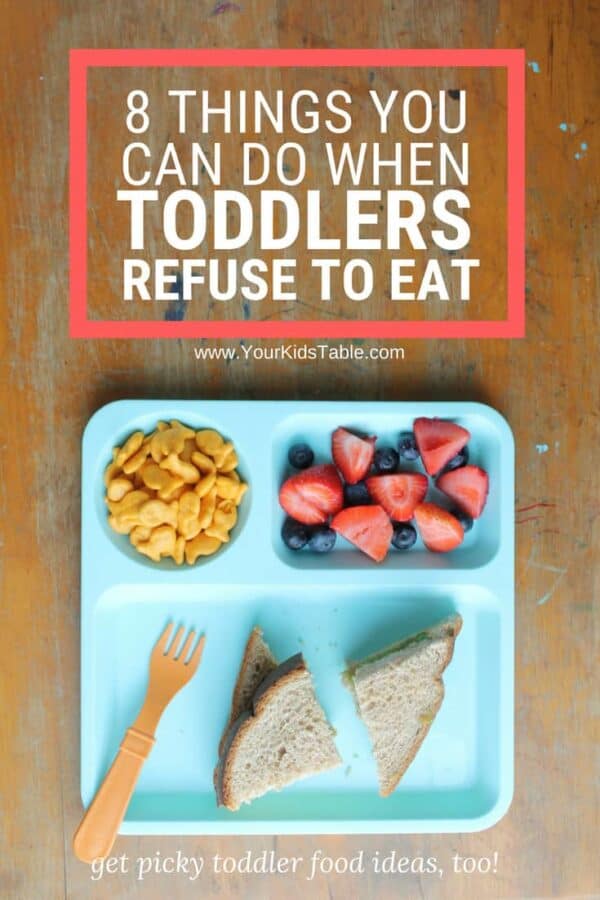
Image Source: yourkidstable.com
Why Does My Toddler Not Want To Eat? Find Solutions!
Why does my toddler not want to eat? This is a common worry for parents, and often, it’s because toddlers go through phases of picky eating or have temporary reasons like teething or simply not being very hungry because they are growing differently now. It is a normal part of growing up for many children to become picky eaters or have times when they show food refusal.
Deciphering Why Your Toddler Isn’t Eating
It is true that watching your little one push food away can be stressful. You worry if they are getting enough nutrients. You might wonder if something is wrong. Most times, there are simple reasons behind toddler food refusal. Knowing these reasons can help you handle mealtime struggles toddlers face. Let us look at common reasons toddler won’t eat.
Growth Slows Down
Think about how fast babies grow in their first year. It is amazing! They gain lots of weight and length. But this speedy growth slows down quite a bit after their first birthday. Because they are not growing as fast, they do not need as much food energy. Their appetite naturally goes down. This means they simply are not as hungry as they were before. A smaller amount of food is enough for them now. It can look like a loss of appetite toddler is showing, but it is often just their body needing less fuel.
They Are Not Always Hungry
Babies eat often. Toddlers are different. They can go longer between meals and snacks. If they ate a big snack, they might not be hungry for dinner. If they drank a lot of milk or juice, it can fill their tiny tummies. This is another reason for toddler food refusal. Their hunger levels change day by day, and even hour by hour. What they ate before a meal matters a lot.
Picky Eating is Normal
Almost all toddlers go through a stage of being picky eaters. This usually starts around 18 months old. They might start refusing foods they used to love. They might only want to eat a few specific things. They might not want foods touching on their plate. They might dislike certain textures or colours. This phase is often called neophobia. It means fear of new things, especially food. It is thought to be a natural step to keep them safe as they explore. In the past, this stopped them from eating something harmful. Now, it just makes mealtimes tricky. Being a fussy eater toddler is part of their development.
Seeking Independence and Control
Toddlers are learning they are separate people. They want to do things themselves. They want to make choices. Food is one area where they can feel in control. Saying “no” to food is a way they show their independence. They can choose what goes into their body. This can lead to mealtime struggles toddlers show. It is their way of testing boundaries and showing their will.
Teething and Sickness
Teething can make a toddler’s mouth sore. Eating can hurt. They might refuse food because it is painful to chew. Hot or cold foods might feel worse. Sometimes, they only want soft things. Other times, they might refuse everything. Sickness, like a cold or flu, also lowers appetite. When they do not feel well, they do not want to eat much. This loss of appetite toddler shows is often short-lived. It usually comes back when they feel better or after a tooth pops through. Teething affecting toddler eating is very common.
Tiredness or Excitement
Just like adults, toddlers eat better when they are calm and rested. If they are overtired or overexcited, sitting down for a meal can be hard. They might be too focused on playing or too cranky to eat. Their focus is not on the food. This can look like food refusal.
Sensory Sensitivities
Some toddlers are very sensitive to how food feels, smells, or looks. A lumpy texture might make them gag. A strong smell might put them off. Bright colours or a mix of foods on the plate can be too much. These sensory issues can make them refuse certain foods or groups of foods. This is more than just being a picky eater. It is a real reaction to the sensory input.
Pressure to Eat
Parents naturally worry when a child does not eat. We might try to push them to eat more. We might beg or offer bribes. But too much pressure can make things worse. Toddlers can sense our stress. Pushing them to eat can make mealtimes a battle. It can make them dislike eating even more. They might refuse food just to show they are in charge. This adds to mealtime struggles toddlers experience.
What a Toddler Needs to Eat
Even when they eat like a bird, toddlers do not need huge amounts of food. Their nutritional needs are different from babies or older kids.
How Much is Enough?
Toddlers need less food per pound of body weight than babies. A good rule of thumb is about 40 calories for each inch of their height. For a toddler around 32 inches tall, this is about 1300 calories a day. But this is just a guide. Some days they need more, some days less. Their tiny tummies fill up fast. A serving size for a toddler is much smaller than for you.
Toddler Serving Sizes (Examples)
| Food Group | Example Amount | What it Looks Like |
|---|---|---|
| Vegetables | 1-2 tablespoons | About the size of half an ice cube |
| Fruits | 1-2 tablespoons or 1/4 cup cut up | A small handful of berries or a few apple slices |
| Grains | 1/4 slice bread, 1/4 cup cereal | A small piece of toast or a few spoonfuls of rice |
| Protein | 1-2 tablespoons meat/beans | About the size of your thumb |
| Dairy (Milk/Yogurt) | 1/2 cup milk or yogurt | A small kids’ cup |
Note: These are general guides. Always talk to your doctor about your child’s specific needs.
They might only eat one bite of something. Or they might eat a lot of one thing and nothing else. This is normal. It is more important what they eat over a week, not just one day or one meal. Don’t focus too much on one picky meal. Focus on the bigger picture of toddler nutrition concerns over time.
Important Nutrients
Even with small amounts, toddlers need certain nutrients to grow well.
- Iron: Needed for blood and brain growth. Found in meat, beans, iron-fortified cereals.
- Calcium and Vitamin D: Needed for strong bones. Found in milk, yogurt, cheese, fortified foods, sunshine (for Vitamin D).
- Fiber: Helps with digestion. Found in fruits, vegetables, whole grains.
- Healthy Fats: Needed for brain development and energy. Found in avocados, nuts (if safe), seeds, healthy oils, dairy.
If your toddler is a very fussy eater toddler, you might worry about these nutrients. We will talk about strategies to help get them these nutrients even with picky eating.
How to Handle a Toddler Not Eating
Dealing with a picky eater toddler requires patience and smart strategies. Pushing them usually does not work. Instead, try to make mealtimes positive and less stressful. These toddler picky eating strategies can help.
Set a Routine
Kids do well with routines. Offer meals and snacks at set times each day. This helps their bodies expect food. It also makes sure they come to the table with some hunger, but not starving.
- Example Schedule:
- 7:00 AM: Breakfast
- 9:30 AM: Snack
- 12:00 PM: Lunch
- 3:00 PM: Snack
- 6:00 PM: Dinner
- Bedtime milk (optional, but water is better for teeth)
Stick to these times as much as possible. Do not let them graze on food or drinks (except water) between these times. This helps them build up an appetite for the meal.
Make Mealtimes Pleasant
Mealtime should be a happy time for the family.
- Eat Together: Sit down as a family for meals. Kids learn by watching you. If they see you eating and enjoying healthy foods, they are more likely to try them.
- Keep it Calm: Avoid arguments or stress at the table. Talk about fun things.
- No Distractions: Turn off the TV, phones, and tablets. Focus on the food and each other.
- Positive Talk: Talk about the food in a good way. “These carrots are so crunchy!” or “This soup is nice and warm.”
Offer Choices (Within Limits)
Toddlers crave control. Give them small choices related to the meal.
- “Do you want your peas on this side or this side?”
- “Do you want to use the blue cup or the red cup?”
- “Do you want apple slices or banana today?”
This gives them a feeling of power without letting them decide if they will eat or what the whole meal is.
Serve Small Amounts
Big piles of food can be overwhelming for a toddler. Put just a tiny bit of each food on their plate. A serving might be just one or two bites worth. They can always ask for more if they are still hungry. This makes the goal of finishing their food seem possible, not scary.
Let Them Help
Involve your toddler in getting food ready. They can wash vegetables, stir batter (with help), or set the table. Kids are often more willing to try foods they helped prepare.
One New Food at a Time
When you offer a new food, put it on the plate with foods you know they usually eat. Offer just a small taste of the new food. Do not expect them to eat it all. Or even taste it. Just having it there is a good step. It can take many times seeing a new food before a toddler tries it. Sometimes 10-15 times or more!
The Division of Responsibility
This is a helpful idea from feeding experts. Your job as the parent is to decide:
- What food is offered.
- When it is offered.
- Where it is offered (at the table).
Your child’s job is to decide:
- If they will eat.
- How much they will eat.
This takes the pressure off you to make them eat. It also takes the pressure off them. You provide the healthy options, and they choose whether or not their body needs it right then. This is key to how to handle toddler not eating without creating fights.
Be a Good Role Model
Eat a variety of healthy foods yourself. Let your child see you enjoy fruits, vegetables, and whole grains. Your actions speak louder than words.
Make Food Fun (Sometimes)
Cut sandwiches into shapes. Arrange veggies like a face. Call broccoli “little trees.” This can make trying new foods less scary and more interesting. However, do not feel you need to do this for every meal. Simple meals are fine too.
Do Not Offer Alternatives (Most of the Time)
If your toddler refuses the meal, do not immediately make them something else. Offering a special “kid meal” (like plain pasta or chicken nuggets) every time they refuse the family meal teaches them that refusing leads to getting what they want. They learn if they hold out, they will get their preferred food. This can make picky eating worse. They will not starve if they miss one meal. They will make up for it at the next meal or snack. Of course, always offer at least one thing you know they usually eat as part of the meal.
Manage Drinks
Offer milk or water with meals. Limit juice, which is high in sugar and fills them up without nutrients. Offer milk with meals and water in between. Limit milk intake to about 16-20 ounces a day for most toddlers. Too much milk can fill them up and also block iron absorption.
What About Snacks?
Snacks are important for toddlers because they eat small amounts at meals. But make snacks part of the routine. Offer healthy snacks like fruit, yogurt, cheese, or whole-grain crackers. Avoid constant snacking, which ruins their appetite for meals. Offer snacks at least 2 hours before the next meal.
Addressing Specific Issues
Let us look closer at some common causes of mealtime struggles toddlers have.
Grappling with Picky Eating
Being a picky eater toddler is frustrating. It takes time and patience. Here are more specific toddler picky eating strategies.
- Repeated Exposure: Keep offering foods they refuse. As mentioned, it can take many times. Do not force them to eat it, just keep putting a tiny bit on the plate.
- Change How It’s Prepared: Maybe they hate cooked carrots but love raw ones. Try different ways of cooking or serving the same food.
- Pair with Preferred Foods: Offer a tiny piece of a new food next to a food they love.
- Dip It: Toddlers often love dipping. Offer a healthy dip like hummus, yogurt, or applesauce with fruits or veggies.
- Involve Them: Let them help choose recipes or buy food at the store.
- Be Patient: This phase can last months or even years. Try not to get discouraged. Celebrate small wins, like touching a new food or licking it.
When Teething Affects Eating
If teething is causing a loss of appetite toddler shows:
- Offer Soft Foods: Yogurt, applesauce, smoothies, mashed bananas, or lukewarm soups can be soothing.
- Cool Foods: Chilled fruit or yogurt might feel good on sore gums.
- Avoid Hard/Crunchy Foods: These might be too painful to chew.
- Pain Relief: If teething is very painful, ask your doctor about giving a dose of infant pain reliever before meals.
- Focus on Fluids: Make sure they stay hydrated, even if they eat very little.
Remember, this is usually temporary. Their appetite will likely return once the tooth cuts through.
Navigating Loss of Appetite Toddler Shows Due to Sickness
When a toddler is sick, their main need is fluids.
- Offer Liquids Often: Water, electrolyte drinks (like Pedialyte, ask your doctor first), clear broths.
- Easy-to-Eat Foods: Toast, crackers, bananas, applesauce, rice. Bland foods are often best.
- Do Not Force Food: Their appetite will come back as they get better. Just offer small amounts of food and let them eat what they can.
When to Worry About Toddler Nutrition Concerns
Most picky eating is normal and harmless in the long run. Toddlers are surprisingly good at eating enough over several days to meet their needs, even if one meal is a bust. However, there are times you might need to talk to your doctor.
Signs to Watch For
- Not Growing: If your toddler is not gaining weight or height well, this could be a sign they are not getting enough nutrients. Your doctor tracks growth on a chart.
- Lack of Energy: If they seem very tired or do not have much energy to play.
- Eating Only a Very Small Group of Foods: If they eat fewer than 10-15 different foods total, or refuse entire food groups (like all vegetables or all protein).
- Significant Weight Loss: This is a clear sign to see a doctor.
- Signs of Nutrient Deficiency: (These are rare from just picky eating but possible in extreme cases) Pale skin (iron deficiency), swollen gums (vitamin C deficiency), etc.
When to See a Doctor
Talk to your pediatrician if:
- You are very worried about their growth or overall health.
- They have lost weight.
- Picky eating is causing major stress and conflict at every meal.
- You suspect a medical reason for their food refusal (like pain when swallowing, digestive issues, severe allergies).
- They eat fewer than 10-15 different foods total.
- You are concerned about specific toddler nutrition concerns, like getting enough iron or calcium.
A doctor can check their growth, rule out medical problems, and give you specific advice for your situation. They might suggest a vitamin supplement if needed, but usually, it is better to get nutrients from food.
Long-Term Outlook on Toddler Food Refusal
It is important to remember that toddler food refusal and picky eating are usually temporary phases. They are part of normal development. By staying calm, offering healthy foods regularly, having pleasant mealtimes, and letting your child decide how much to eat, you are building good habits for the future.
Building Healthy Eating Habits
Your goal is not just to get them to eat anything now. It is to help them learn to like a variety of healthy foods over time.
- Be Patient: Do not expect change overnight.
- Keep Offering: Persistence is key.
- Model Good Eating: Eat well yourself.
- Trust Your Child: Believe they will eat enough to grow if you provide healthy options.
- Focus on Progress, Not Perfection: Celebrate small steps forward.
Mealtime struggles toddlers show can be hard, but they do not have to ruin family time. By understanding why they happen and using positive strategies, you can navigate this phase successfully.
Frequently Asked Questions
h4> Should I Force My Toddler to Eat?
No, forcing your toddler to eat is generally not a good idea. It can make them dislike eating even more. It can create power struggles and make mealtimes stressful. Focus on offering healthy food in a good environment. Let them decide how much they eat.
h4> Is It Okay If My Toddler Only Eats One Food?
It is common for picky eaters to get stuck on one or two favourite foods for a while. This is usually okay for a short time. Keep offering other foods. Make sure the food they are eating is reasonably nutritious (like pasta, chicken, fruit). If they eat only one type of food for a long time and refuse all other foods, especially from major food groups, talk to your doctor about potential toddler nutrition concerns.
h4> My Toddler Won’t Eat Vegetables. What Can I Do?
This is very common! Keep offering vegetables often. Put a tiny bit on their plate. Let them see you eat and enjoy veggies. Offer them in different ways (raw, cooked, roasted, in soups). Let them help prepare them. Sometimes hiding them in sauces or smoothies works, but it is also good for them to see and recognize vegetables. Dipping can help too.
h4> How Can I Tell If My Toddler Is Teething?
Signs of teething include being fussy, drooling a lot, chewing on things, red or swollen gums, and sometimes a low fever. Teething affecting toddler eating is usually clear because they show discomfort in their mouth or refuse foods they normally eat.
h4> What If My Toddler Drinks Too Much Milk?
Drinking too much milk can fill them up and lead to them eating less solid food. It can also interfere with iron absorption, leading to iron deficiency. Limit milk intake to about 16-20 ounces (around 2-2.5 cups) per day for toddlers. Offer milk with meals and water in between.
h4> How Long Does Picky Eating Last?
Picky eating usually starts around 18 months and can last for several years. It often gets better between ages 3 and 5, but some children remain picky eaters longer. Being patient and using consistent strategies can help shorten the phase or make it less severe.
Conclusion: Trust the Process
Seeing your toddler not want to eat can feel worrying. But remember, for most children, it is a normal stage of growth and independence. By understanding the common reasons like slower growth, picky eating, teething, or seeking control, you can approach mealtimes with more calm. Use toddler picky eating strategies like routine, positive mealtimes, small portions, and giving choices. Focus on your role to offer healthy foods and trust your child to eat what their body needs. If you have big toddler nutrition concerns or notice signs of poor growth, talk to your doctor. You are doing a great job providing for your child, even during mealtime struggles toddlers bring!