
Does your toddler struggle to poop? Are you looking for fast ways to help them go right now? Many parents wonder what to give a constipated toddler to help them get relief quickly. While making a toddler poop instantly might not always happen, there are things you can do today that often work fast to bring relief for toddler constipation. We will talk about foods for toddler constipation, drinks for toddler constipation, and other natural remedies toddler poop issues often respond to. We’ll cover how to relieve toddler constipation fast with simple steps you can take at home.
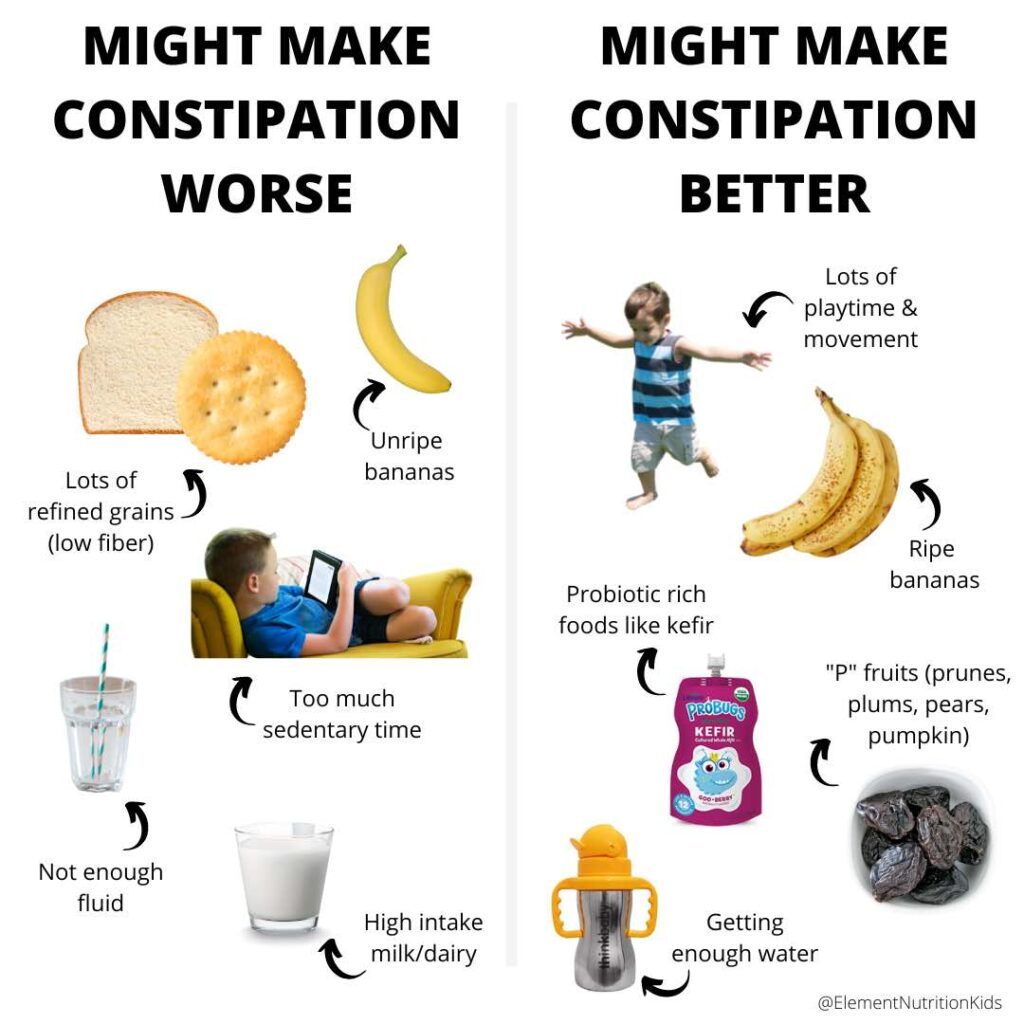
Image Source: www.elementnutritionco.com
Signs Your Toddler May Be Constipated
It can be hard to know if your little one is constipated. What looks normal for one child might not be for another. But there are common symptoms of toddler constipation to watch for.
These signs tell you your toddler might need help:
- Less pooping than normal for them.
- Hard, dry poops. They might look like small pellets or big, hard balls.
- Pain or crying when trying to poop.
- Straining or pushing hard without success.
- Arching their back or crossing their legs to try and hold poop in. This might look like they are pushing to poop, but they are actually trying not to go because it hurts.
- Small bits of soft poop marks in their pants. This can happen when hard poop is stuck, and soft poop leaks around it.
- Less hungry than usual.
- A hard belly.
- Feeling cranky or easily upset.
If you see these signs, your toddler is likely feeling blocked up. They need help to get things moving.
Why Toddlers Get Blocked Up
It helps to know why toddlers get constipated. Many things can cause it.
- Not enough fiber: Fiber is like a broom for the gut. It helps move poop along. If a toddler doesn’t eat enough fruits, veggies, and whole grains, they might not get enough fiber.
- Not enough water: Water makes poop soft and easy to pass. If a toddler doesn’t drink enough liquids, poop can get hard and dry.
- Holding it in: Toddlers might hold poop in for many reasons. Maybe they don’t want to stop playing. Maybe they had a painful poop before and are scared it will hurt again. Maybe they are in a new place and don’t feel safe to go.
- Changes in diet: Starting new foods, stopping breastfeeding, or switching from formula to milk can change how their body works and cause constipation.
- Toilet training: This is a big change. Some toddlers hold poop in during toilet training because they are scared or not ready.
- Illness: Being sick can change eating and drinking habits, leading to constipation.
- Some medicines: Certain medicines can make it harder to poop.
- Too much milk: Drinking too much cow’s milk can sometimes cause constipation in toddlers. It can fill them up and they eat less fiber-rich foods.
Knowing the reason can help you fix the problem for good. But right now, you want to help them poop today.
Ways to Help Your Toddler Poop Fast
Okay, let’s talk about how to relieve toddler constipation fast. Remember, “instantly” is a big ask for the body, but these steps can often help within a few hours or by the end of the day.
Giving the Right Drinks
Water is key! Make sure your toddler drinks water all day. Offer it often.
Certain juices can also work like natural remedies toddler poop. They have sugars that pull water into the gut, making poop softer.
Here are some drinks that often help:
- Prune juice: This is often the first choice. It works very well. It has a sugar called sorbitol that helps move things along. Give a small amount, like 2 to 4 ounces. Too much can cause tummy ache or diarrhea.
- Pear juice: Like prune juice, pear juice has sorbitol. It can be a bit milder than prune juice. Offer 2 to 4 ounces.
- Apple juice: This can also help, but it has less sorbitol than prune or pear juice. Stick to small amounts. White grape juice can also sometimes help.
Important: Always offer juice in small amounts and not all day. Too much juice isn’t good for toddlers due to the sugar. Water or milk should be their main drinks. These juices are more like a short-term helper for constipation.
- Mix juice with water: You can mix half juice and half water. This still helps but gives less sugar.
Offering Helpful Foods
Certain foods are known as foods for toddler constipation relief. These foods help get things moving. They often work because they are fiber rich foods toddlers need. Fiber adds bulk to poop and helps it pass easier.
Think of the “P” fruits:
- Prunes: Dried plums are prunes. They are high in fiber and sorbitol. You can give toddlers softened prunes. Cut them into small, safe pieces.
- Peaches: Fresh or canned (in juice, not syrup) peaches can help.
- Pears: Fresh pears with the skin (if soft and cut small) are great. Canned pears (in juice) also work.
- Plums: Similar to prunes and peaches, plums are helpful.
Other good fruits:
- Apricots: Fresh or dried (softened and cut).
- Berries: Strawberries, blueberries, raspberries have fiber.
- Kiwi: Some children find kiwi helpful.
Vegetables that help:
- Peas: Cooked peas are easy for toddlers to eat.
- Broccoli: Cooked broccoli florets.
- Spinach: Cooked spinach mixed into other foods.
- Sweet potatoes: Mashed or cut into soft pieces.
Grains and other foods:
- Oatmeal: A good source of fiber.
- Whole wheat bread or pasta: Choose whole grain options over white.
- Beans and lentils: Cooked very soft and maybe mashed.
Here’s a simple table of helpful foods:
| Food Type | Examples | How They Help | Tips for Toddlers |
|---|---|---|---|
| Fruits | Prunes, Pears, Peaches, Plums, Apricots | High fiber, contain sorbitol | Offer pureed, mashed, or cut into small, soft pieces. |
| Berries (strawberries, blueberries) | Good source of fiber | Mash or cut depending on age. | |
| Kiwi | Fiber | Peel and cut into small pieces. | |
| Vegetables | Peas, Broccoli, Spinach, Sweet Potato | Fiber | Cook until very soft. Offer mashed or small pieces. |
| Grains | Oatmeal, Whole Wheat Bread/Pasta | Fiber | Use 100% whole grain options. |
| Legumes | Beans, Lentils | Very high fiber | Cook very soft. Mash or blend into soups/sauces. |
When thinking about what to give constipated toddler, focus on adding more of these fiber-rich foods to their meals and snacks today.
Movement Helps Too
Getting the body moving helps the gut move too.
- Active play: Encourage your toddler to run, jump, dance, or play. This physical activity can help push poop through the intestines.
- Bicycle legs: If your toddler is still small enough to lay down, gently move their legs like they are riding a bicycle. This can put soft pressure on their belly and help.
These simple actions are natural remedies toddler poop problems can respond to.
Warm Bath Relaxation
A warm bath can help a toddler relax. Warm water can soothe tummy muscles. Sometimes, relaxing is all they need to be able to finally let go and poop.
Gentle Tummy Massage
Lay your toddler on their back. Use gentle, circular motions to massage their belly button area, moving outward. You can also gently stroke from their rib cage down towards their left hip. This follows the path of the large intestine and might help move things along. Use a little lotion or oil if you like.
When Home Methods Aren’t Enough
Sometimes, changing food and drinks or adding movement doesn’t work fast enough. Or maybe your toddler is very uncomfortable. In these cases, you might need a little extra help.
Over-the-Counter Helpers
There are some things you can buy without a doctor’s note that can help. These are sometimes called toddler stool softener options. They work in different ways.
- Osmotic Laxatives: These work by pulling water into the bowel. This makes the poop softer and easier to pass.
- Polyethylene Glycol (PEG): A common one is known by the brand name MiraLAX (though there are other brands too). It is a powder you mix into a drink. It is generally considered safe for toddlers when a doctor recommends the right dose. It does not usually work instantly. It can take 1-3 days to see full effect, but it starts working and making poop softer.
- Lactulose or Sorbitol: These are liquid sugars that also pull water into the gut.
- Stool Softeners (Emollient Laxatives): These make the poop itself softer by adding moisture.
- Docusate Sodium (Colace): This is another option. It might help make hard poop easier to pass. Like PEG, it doesn’t usually work instantly.
Important Note: Do not give your toddler any medicine or laxative without talking to their doctor first. The doctor will tell you if it’s needed, which one to use, and the correct dose for your child’s age and weight. Using the wrong dose or type of medicine can be harmful.
Laxatives safe for toddlers are available, but only under a doctor’s guidance. They are not a first step for a mild issue and should not be used for a long time unless a doctor says so.
Suppositories and Enemas
For severe constipation where a child is in a lot of pain and hasn’t pooped for several days, a doctor might suggest a glycerin suppository or a saline enema.
- Glycerin Suppository: This is a small, waxy cone placed in the rectum. It helps by adding moisture and also makes the rectum contract, helping the child push. These often work very quickly (within minutes to an hour).
- Saline Enema: A liquid is gently squirted into the rectum to help flush out the poop.
These methods often work fast, but they should only be used if a doctor tells you to. They are not a regular fix for constipation and can be upsetting for the child.
Why “Instantly” is Tricky
The title asks how to make a toddler poop instantly. It’s important to understand why this is hard. Poop moves through the body’s system step by step. Food goes in, gets digested, then waste travels through the intestines. This takes time. Even the fastest methods like suppositories take a little time to work because they need to soften the end part of the poop or trigger the body’s urge to push.
Our goal today is to speed up the process and bring relief soon. By using the tips above, you can give your toddler the best chance to poop quickly and feel better today.
Keeping Constipation Away (Prevention)
After your toddler gets relief, you want to try and stop it from happening again. Preventing constipation is much easier than treating it.
Here’s how to help prevent future constipation:
- More Fiber: Make fiber rich foods toddlers love a part of their daily meals and snacks.
- Offer fruits like berries, chopped apples, pears, and oranges.
- Serve vegetables like broccoli, carrots, peas, and sweet potatoes.
- Choose whole grain cereals, breads, and pastas.
- Add beans or lentils to soups or stews.
- Enough Water: Make sure your toddler drinks plenty of water throughout the day. Offer a drink with every meal and snack, and in between. Water is the best drink for keeping poop soft.
- Limit Constipating Foods: Some foods can make constipation worse for some toddlers. These might include:
- Large amounts of dairy (milk, cheese, yogurt). A normal amount is fine, but too much can be a problem.
- White bread, white rice, white pasta.
- Cooked carrots (raw are better for fiber).
- Bananas (ripe ones are usually okay, but unripe ones can be binding for some).
- Regular Meal Times: Eating meals at regular times can help the body get into a routine for pooping.
- Toilet Time Routine: If your toddler is toilet trained (or training), set aside time each day for them to sit on the potty or toilet. A good time is often 15-30 minutes after a meal, as eating helps signal the gut to get ready to poop. Make it a relaxed, stress-free time. Don’t force them to sit for too long.
- Encourage Activity: Keep your toddler active every day. Running and playing helps their digestion.
Making these changes little by little can help prevent future problems with hard poops.
Addressing Common Concerns
Parents often have questions about toddler constipation relief.
Is it okay if my toddler doesn’t poop every day?
Yes. Not all toddlers poop daily. Some go every other day, or even every two or three days. What is normal depends on the child. The important things are:
* Is their poop soft and easy to pass?
* Do they seem comfortable?
* Are they growing and eating well?
If their poop is soft and they are not in pain, going less often might be normal for them. It’s the quality of the poop and how easy it is to pass that matters more than how often they go.
My toddler holds their poop in. What can I do?
This is common, especially during toilet training or after a painful poop.
* Stay calm: Getting upset will only make it worse.
* Don’t punish: Never punish a child for holding in poop or for having an accident.
* Make pooping less scary: Read books about pooping, praise them for trying or for going.
* Fix the pain: Make sure their poop is soft so it doesn’t hurt to go. Use the food, drink, and maybe doctor-approved medicine tips to ensure soft stools. Once it stops hurting, they will be less likely to hold it.
* Regular potty time: Encourage sitting on the potty at set times, but don’t force it for too long if they resist. Make it a pleasant time.
How much fiber does my toddler need?
A simple rule is your child’s age plus 5 grams. So, a 2-year-old needs about 2+5 = 7 grams of fiber per day. A 3-year-old needs about 3+5 = 8 grams.
Here are some examples of fiber in foods:
* 1/2 cup raspberries = 4 grams
* 1/2 cup cooked peas = 4 grams
* 1 small pear with skin = 3 grams
* 1/4 cup lentils = 4 grams
* 1 slice whole wheat bread = 2 grams
* 1/4 cup oatmeal (dry) = 4 grams
It adds up quickly when you offer a variety of fruits, vegetables, and whole grains throughout the day.
Can milk cause constipation?
For some toddlers, drinking too much cow’s milk can lead to constipation. This is often because they fill up on milk and don’t eat enough fiber-rich foods. Try limiting milk to about 16-24 ounces (2-3 cups) per day for toddlers over age one. Make sure they are also eating well and drinking water.
Are toddler stool softener options like Miralax safe?
Polyethylene Glycol (PEG), like MiraLAX, is often recommended by doctors for toddler constipation relief when diet changes are not enough. Studies show it is safe for children when used at the correct dose under medical supervision. It works by holding water in the bowel. It is not absorbed by the body. However, always talk to your child’s doctor before giving them any type of laxative.
When to Call the Doctor
While many cases of toddler constipation can be helped at home, there are times when you should call the doctor.
Call the doctor if:
- Your toddler hasn’t pooped in several days and seems uncomfortable or in pain.
- They have a lot of pain in their tummy.
- Their belly looks swollen.
- You see blood in their poop or on the wipe.
- They are vomiting.
- They are losing weight.
- Constipation lasts for more than 1-2 weeks even with home treatment.
- Constipation keeps coming back often.
- You are worried or unsure what to do.
The doctor can check your child, figure out the best plan, and maybe prescribe laxatives safe for toddlers if needed. They can also check for any rare medical reasons for the constipation.
Planning Your “Relief Now” Steps
So, how do you put this into action to help your toddler poop today?
- Check the signs: Is your toddler showing symptoms of toddler constipation? Hard poop, pain, straining?
- Offer drinks: Give sips of water often. Offer a small amount (2-4 oz) of prune, pear, or apple juice.
- Offer helpful foods: Give them fruits like prunes (cut small), pears, peaches, or berries. Offer veggies like peas or sweet potato. Give oatmeal or whole wheat toast.
- Encourage movement: Get them playing, running, and jumping.
- Try comfort measures: A warm bath or gentle tummy massage might help them relax.
- Be patient: Give these things a little time to work. Keep offering drinks and healthy foods.
- If needed, call the doctor: If these steps don’t help, or your child is in a lot of pain, contact their doctor to ask about other options like specific toddler stool softener or laxatives safe for toddlers.
Remember, consistency is key, especially for prevention. But for today, focus on boosting fluids, fiber, and movement to help relieve toddler constipation fast. You’ve got this! Helping your little one feel better is the goal.
Frequently Asked Questions about Toddler Poop
What foods make toddlers poop fast?
Foods high in fiber and those containing sorbitol often help toddlers poop faster. Examples include prunes, pears, peaches, plums, apricots, peas, broccoli, oatmeal, and beans. Offering these throughout the day can stimulate a bowel movement.
What drinks help a constipated toddler poop?
Water is the most important drink. Certain juices like prune juice, pear juice, and apple juice contain natural sugars (like sorbitol) that draw water into the gut and can help soften poop and encourage a bowel movement. Use these juices in small amounts.
How long does it take for prune juice to make a toddler poop?
Prune juice can work relatively quickly compared to diet changes alone. Some toddlers may poop within a few hours after drinking prune juice, while for others it might take up to 24 hours. Give a small dose (2-4 ounces) and wait. Do not give more right away if it doesn’t work instantly.
Is it okay to give my toddler a laxative?
Only give your toddler a laxative if a doctor tells you to. There are laxatives safe for toddlers, but the type and dose must be right for your child. Things like PEG (MiraLAX) or docusate sodium might be recommended by a doctor, but they are not for use without medical advice.
Can I use home remedies like olive oil?
While some sources suggest olive oil, it’s generally better to stick to remedies recommended by doctors or widely known to be safe and effective, like increasing water, fiber-rich foods (especially fruits with sorbitol), and gentle activity. Always talk to your pediatrician before trying something new or unusual for your toddler.
How often should a toddler poop?
There is no single “normal.” Some toddlers poop every day, some every other day, some less often. What matters more is if their poop is soft, easy to pass, and they are not in pain. If they are passing soft stools without effort, their pattern is likely normal for them.
What if my toddler won’t eat the helpful foods?
Toddlers can be picky! Try offering these foods in different ways. Mix prune puree into yogurt or applesauce. Add peas to pasta sauce. Blend fruit into a smoothie. Cut pears or peaches into fun shapes. Keep offering small amounts; sometimes it takes many tries for a toddler to accept a new food. Focus on adding fiber wherever you can.