
Dealing with a toddler’s cough can be tough, especially when it keeps them (and you!) awake all night. So, how to help toddler cough at night? You can often help your little one sleep better with simple home remedies and by making their room comfy. Natural remedies often soothe the cough and help them rest. This post will explore many safe ways to help ease your toddler’s night cough using gentle, natural methods.
Image Source: assets.childrens.com
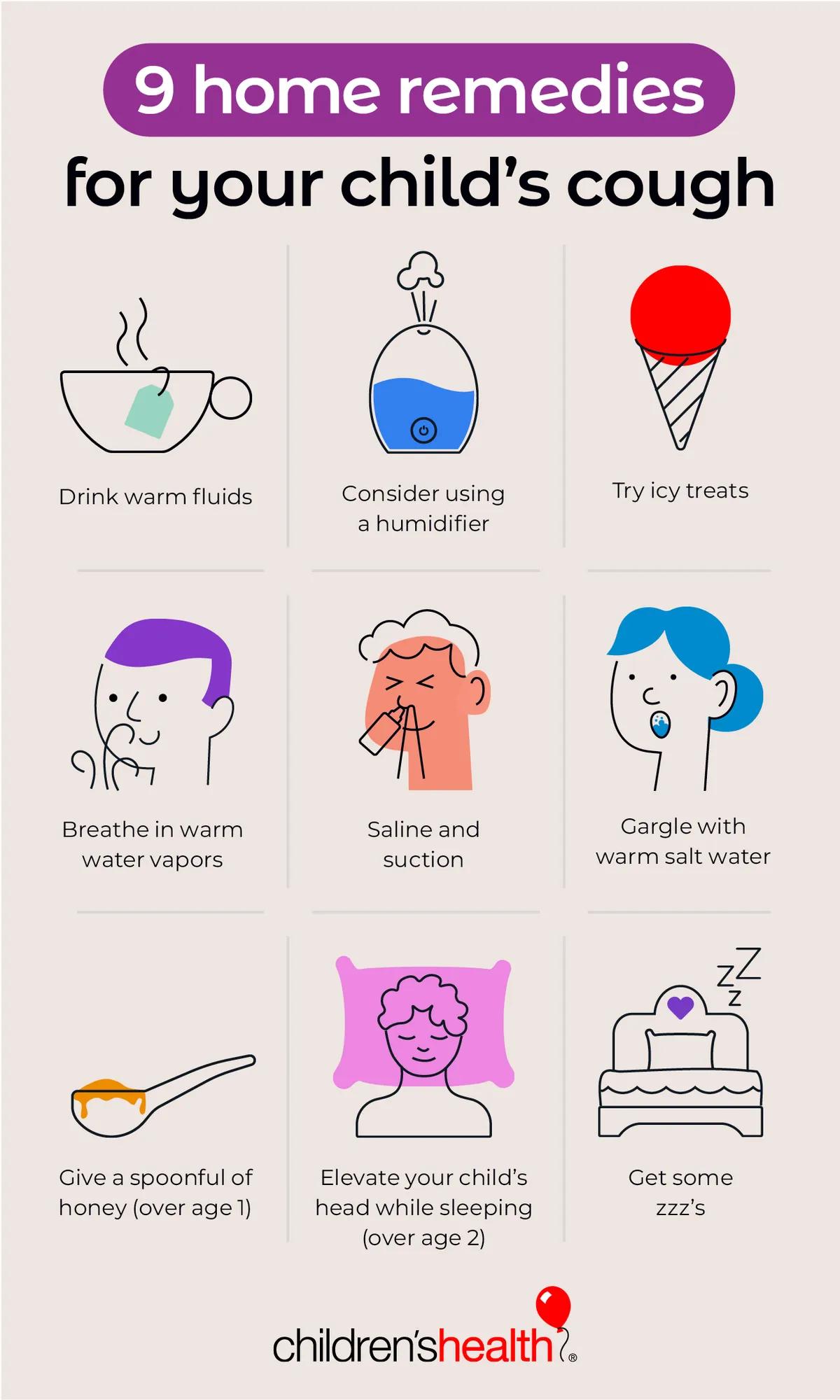
Why Toddlers Cough More When They Sleep
Coughs seem to get worse at night for a few reasons. Knowing the causes of toddler night cough can help you pick the best way to help them.
- Lying Flat: When your toddler lies down, mucus from a runny nose or sinus drip can gather in the back of their throat. This is called post-nasal drip. It tickles the throat and makes them cough. When they are sitting or standing up, gravity helps this mucus drain down without causing as much trouble.
- Dry Air: The air in their room can be dry, especially in winter with heaters on. Dry air can make a cough worse. It can dry out their airways. This makes their throat and nose feel scratchy. A dry cough often gets louder and more annoying in dry air at night.
- Airways at Rest: When your child is awake and moving, they swallow more often. This helps clear mucus. At night, when they sleep, swallowing happens less. Mucus can build up. This can make the cough worse.
- Body’s Natural Rhythms: Some body functions change at night. This can affect how the airways work. Sometimes, cough reflexes can be more active during sleep for certain conditions like asthma.
Understanding these reasons helps find ways to offer toddler night cough remedies. We want to ease the cough so your toddler can get needed sleep.
Natural Ways to Calm Night Coughs
Finding natural cough relief for toddlers is important. Many parents want to avoid strong medicines for their little ones. Luckily, many simple things you can do at home can offer soothing toddler cough at night. These are gentle and often very effective.
Let’s look at some popular and safe home remedies for toddler cough.
Using Honey for Sore Throats
Honey is a very old remedy. It is known to soothe sore throats. It can help calm a cough. Honey is thick. It coats the throat. This helps stop the tickle that makes your child cough.
Important Note: You must never give honey to children under one year old. It can cause a serious illness called infant botulism. This is very rare but dangerous for young babies. For toddlers over one year old, honey is safe and can be very helpful.
- How Honey Helps: Honey acts like a cough syrup. It makes a layer on the throat. This helps lessen irritation. Studies have shown that honey can work as well as some cough medicines for night coughs in older children.
- How to Give Honey:
- Give your toddler a small spoon (about half a teaspoon to one teaspoon) of honey just before bedtime.
- You can mix honey into warm milk or warm water. Do not make the liquid too hot. Warm liquid is also soothing.
- Avoid giving too much. A small amount is enough to coat the throat.
- Types of Honey: Any natural honey works. Darker honey might have more antioxidants, but any honey safe for consumption is fine. Make sure it is pure honey.
Using honey is one of the most favored toddler night cough remedies for children over one. It’s simple and sweet.
Adding Moisture with a Humidifier
Dry air makes coughs worse. Adding moisture to the air can help. This is where a humidifier for toddler cough comes in handy.
- How Humidifiers Help: A humidifier puts water vapor into the air. This makes the air less dry. Moist air helps loosen mucus in the nose and chest. It also soothes dry and irritated airways. This can calm a dry, hacking cough. It can also help clear congestion causing a wet cough.
- Types of Humidifiers:
- Cool Mist Humidifiers: These are the safest choice for a child’s room. They do not use heat. This means there is no risk of burns if your child touches it.
- Warm Mist Humidifiers: These use heat to boil water and create steam. They can be very soothing for some coughs. But they pose a burn risk. Use these with extreme caution far away from curious hands. For toddlers, cool mist is generally better.
- How to Use a Humidifier:
- Place the humidifier in your toddler’s room. Put it on a stable surface away from the crib or bed.
- Fill it with clean water. Follow the maker’s instructions.
- Run it at night while your toddler sleeps.
- Clean the humidifier daily. This is very important. Stagnant water can grow mold and bacteria. This can be bad for your child’s lungs. Rinse the water tank every day. Clean it well with soap and water or a vinegar solution a few times a week. Let it air dry.
- When to Use a Humidifier: Humidifiers are helpful for most types of coughs made worse by dry air. They are great in winter or in dry climates.
A properly used humidifier for toddler cough can make a big difference in easing night symptoms.
Using Saline Nasal Spray
Sometimes, a cough is caused by mucus dripping from the nose down the throat (post-nasal drip). Clearing the nose can help stop the cough. A saline nasal spray toddler cough remedy works well for this.
- What is Saline Spray: Saline solution is just salt water. It’s very gentle and safe.
- How Saline Spray Helps:
- It moistens the dry nasal passages.
- It helps thin out thick mucus.
- It helps wash away irritants like pollen or dust that might be in the nose.
- By clearing the nose, it reduces the amount of mucus dripping down the throat. This can lessen the night cough.
- How to Use Saline Spray for Toddlers:
- Lay your toddler on their back. You can tilt their head back a little.
- Put 1-2 drops or a gentle spray of saline into each nostril.
- Wait a few seconds. The saline will help loosen the mucus.
- You can use a nasal aspirator (like a bulb syringe or NoseFrida) to gently suck out the mucus if needed. Toddlers often fight this, but even just using the saline helps thin things out so they can swallow or blow their nose (if they can yet).
- Use it before bedtime and maybe in the middle of the night if they wake up coughing due to congestion.
- Safety: Saline spray is very safe. It is not a medicine. You cannot use too much.
Using a saline nasal spray toddler cough routine can help tackle the root cause of coughs tied to nasal congestion.
Elevating the Head
Remember how lying flat makes post-nasal drip worse? Raising your toddler’s head slightly can help gravity do its job. This reduces the mucus pooling and dripping. This is called elevating mattress toddler cough relief.
- How Elevating Helps: By raising the upper body, mucus drains downwards more easily into the stomach instead of sitting in the back of the throat and causing a cough. This can be especially helpful for coughs related to colds, sinus infections, or allergies.
- How to Elevate Safely:
- Do NOT use pillows in a toddler’s crib. This is not safe due to the risk of suffocation.
- The safest way is to place something under the head end of the crib mattress or bed mattress.
- You can use a firm wedge designed for this purpose.
- You can also roll up towels or use a few books. Place them securely under the legs or frame at the head of the crib or bed. Make sure it’s stable and the mattress is evenly supported.
- You only need a slight angle. A few inches is usually enough. Too steep an angle might make your child slide down or be uncomfortable.
- Toddler Beds/Regular Beds: If your toddler is in a bed, you can use an extra pillow if they are old enough and you are sure they can move freely. But for toddlers, elevating the mattress itself is often safer and more effective as they move around a lot in their sleep. Placing a wedge under the mattress is the safest method recommended by pediatricians.
Elevating mattress toddler cough support is a simple physical way to ease night coughs caused by drainage. Always prioritize safety over elevation angle.
Steam Inhalation
Breathing in moist air can also help loosen mucus and soothe airways. This is similar to a humidifier but more intense for a short time.
- How Steam Helps: Warm, moist air can help thin thick mucus. It can also calm spasms in the airways that cause coughing.
- How to Use Steam:
- Steamy Bathroom: The easiest way is to turn on the hot water in your bathroom shower. Close the door and sit with your toddler in the steamy room for 10-15 minutes before bedtime. Do not put the child in the shower. Just breathe in the steam from the air. Make sure the room does not get too hot.
- Avoid Steam Vaporizers: Like warm mist humidifiers, steam vaporizers that you put near the bed can cause burns. The steamy bathroom method is safer for toddlers.
- When to Use Steam: This is often good for croup coughs (barking cough) or deep chest coughs with congestion. It can also help with dry, irritated coughs.
A quick steam session can be a good part of the bedtime routine to help with toddler sleep with cough.
Keeping Them Hydrated
Drinking enough fluids is always important when your child is sick.
- How Fluids Help: Water, milk, or clear juice helps keep the body hydrated. This includes the mucus in their airways. When mucus is thin, it is easier to cough up or clear. Dehydration can make mucus thicker and harder to move. This can make the cough worse.
- What to Give:
- Water is best.
- Milk is fine, unless it seems to make their congestion worse (this is not common, but some parents notice it).
- Diluted juice (half juice, half water) in small amounts is okay. Avoid sugary drinks right before bed.
- Warm liquids like caffeine-free tea (like chamomile) with a little honey (for toddlers over 1) can be very soothing for the throat.
- When to Give: Offer fluids often during the day. Give a drink before bedtime. Have water or a soothing drink available if they wake up coughing at night.
Making sure your toddler drinks enough is a simple yet effective way to support their body in dealing with the cough. It’s a key part of home remedies for toddler cough.
Avoiding Irritants
Things in the air can make a cough much worse.
- Smoke: Never smoke near your child. Secondhand smoke is very harmful to their lungs and airways. It makes coughs last longer and be more severe.
- Strong Smells: Avoid using strong perfumes, air fresheners, or cleaning products when your toddler is around, especially in their bedroom. These smells can irritate sensitive airways and trigger coughing.
- Dust and Pet Dander: If your child has allergies, dust mites or pet dander can cause a cough that worsens at night. Keep their bedroom clean. Wash bedding often in hot water. Consider special mattress and pillow covers if dust mites are a problem.
- Cold Air: Sometimes, breathing very cold air can trigger a cough. If it’s cold, make sure their room is warm enough but not too hot and dry.
Reducing exposure to irritants is an important step in soothing toddler cough at night.
Creating a Sleep-Friendly Room for a Coughing Toddler
Helping your toddler sleep with cough is the main goal. Besides the remedies, make their sleep space as comfortable as possible.
- Right Temperature: Keep the room temperature comfortable. Not too hot, not too cold. About 68-72°F (20-22°C) is often good.
- Dark and Quiet: Use blackout curtains to make the room dark. Use a white noise machine or fan to block out other sounds that might wake them if they are already restless from coughing.
- Keep Things Clean: Dusting and vacuuming regularly can help reduce airborne irritants. Wash stuffed animals that sit on the bed.
- Have Supplies Ready: Keep a water cup, tissues, saline spray, and maybe the honey mixture ready by the bed or crib if your child is in a bed where they can reach it safely.
A calm, clean, and comfortable room helps your toddler relax and hopefully fall back asleep faster if a cough does wake them.
Summary Table of Natural Remedies
Here is a quick look at the toddler night cough remedies we discussed:
| Remedy | How it Helps | How to Use for Toddlers (Over 1 for Honey) | Notes |
|---|---|---|---|
| Honey | Coats throat, reduces irritation | 1/2-1 tsp before bed or mixed in warm liquid | Only for children over 1 year old. |
| Humidifier | Adds moisture to air, thins mucus, soothes airways | Run cool mist humidifier in room at night | Clean daily to prevent mold/bacteria. Use cool mist for safety. |
| Saline Nasal Spray | Clears nasal passages, reduces post-nasal drip | 1-2 drops/sprays in each nostril, can use with aspirator | Safe and gentle, can use before bed. |
| Mattress Elevation | Helps mucus drain better when lying down | Place wedge/towels under the head of the mattress | Do not use pillows in cribs. Raise head end slightly. |
| Steam Inhalation | Loosens mucus, calms airways | Sit in steamy bathroom (shower running hot) | Safe temporary method. Avoid hot steam vaporizers near child. |
| Fluids | Keeps mucus thin, body hydrated | Offer water/warm liquids often, especially before bed | Avoid sugary drinks. Warm tea (caffeine-free) with honey is soothing. |
| Avoid Irritants | Prevents triggering/worsening coughs | No smoking near child, avoid strong smells, clean for dust | Check for pet dander/pollen if allergies suspected. |
These natural remedies for toddler cough can provide significant relief.
When Toddler Cough Needs Doctor
While most toddler coughs are caused by common colds and go away on their own, it’s important to know when toddler cough needs doctor. Sometimes a cough is a sign of something more serious.
Look out for these signs:
- Trouble Breathing: Your child is breathing very fast, seems short of breath, or you see their chest “caving in” between the ribs or at the neck when they breathe. This is a medical emergency.
- Wheezing: You hear a whistling sound when they breathe out. This could mean the airways are narrowed.
- High Fever: A high fever (over 102°F or 39°C for toddlers) especially with a cough, can signal a more serious infection like pneumonia or flu.
- Coughing up Thick, Colored Mucus: Yellow, green, or rusty-colored mucus can sometimes mean a bacterial infection.
- Barking Cough: A harsh, seal-like barking cough, often with noisy or difficult breathing (called stridor), could be croup. Croup often gets worse at night. While steam can help, severe croup needs a doctor’s check.
- Coughing So Much They Vomit: While some coughing can lead to vomiting, constant vomiting linked to coughing needs a doctor’s look.
- Cough Lasts a Long Time: If the cough lasts for more than 1-2 weeks without getting better, it’s a good idea to see the doctor.
- Child Acts Very Sick: If your toddler is very lethargic, not playing, not eating or drinking, and just seems unwell along with the cough.
- Cough Started After Choking: If you think your child might have inhaled something small.
If you see any of these signs, or if you are just worried, it’s always best to call your pediatrician. They can listen to your child’s lungs, check their overall health, and tell you if they need medicine or other treatment. Don’t hesitate to seek medical advice when toddler cough needs doctor. Trust your gut as a parent.
Frequently Asked Questions About Toddler Coughs
Let’s answer some common questions parents have about toddler sleep with cough.
Q: Can I give my toddler cough medicine from the store?
A: Most doctors do not recommend over-the-counter cough and cold medicines for toddlers (children under 4 years old). These medicines often don’t work well for young children and can have side effects. Natural remedies like honey (for over 1s) and saline spray are often safer and just as effective. Always ask your doctor before giving any medicine to your toddler.
Q: My toddler’s cough sounds wet. Is that worse?
A: A wet cough means there is mucus in the airways. This is often just part of a cold and helps the body get rid of the mucus. A dry cough means less mucus. A wet cough isn’t necessarily worse than a dry one, but it can be more annoying and disruptive at night. Steam and hydration can help with wet coughs.
Q: My toddler’s cough gets worse right when they lie down. Why?
A: This is very common! It’s usually due to post-nasal drip. When they are upright, gravity helps mucus drain. When they lie flat, it pools in the throat, causing irritation and coughing. Elevating the mattress and using saline spray before bed can help with this.
Q: How long does a toddler cough usually last?
A: A cough from a common cold can last for 1 to 3 weeks, sometimes even longer. It might change character (wet vs. dry) during this time. If the cough lasts much longer, or your child has other symptoms, see the doctor.
Q: Does the type of cough matter? (Barking, wheezing, etc.)
A: Yes, the sound of the cough can give clues about the cause. A barking cough might be croup. Wheezing suggests airway narrowing, possibly asthma. A deep, wet cough could be from chest congestion. If you are unsure about the sound or are worried, call your doctor.
Q: Should I wake my toddler up to give them a remedy?
A: Generally, no. Sleep is very important for healing. Try to use remedies like saline or mattress elevation before they go to sleep. If they wake up coughing and are distressed, you can offer water or honey (if over 1). But let them sleep if they are resting comfortably, even with some coughing.
Q: Can allergies cause a night cough in toddlers?
A: Yes! Allergies often cause post-nasal drip, which gets worse at night when lying down. Keeping their room clean and possibly using saline spray can help. If you suspect allergies are the cause, talk to your pediatrician.
Conclusion
Dealing with a toddler’s night cough is a common challenge for parents. It disrupts sleep for everyone. While you can’t make the cough disappear instantly, many safe and natural methods can help soothe the airways and reduce nighttime coughing fits. Using home remedies for toddler cough like honey (for over 1s), humidifiers, and saline spray, along with simple positioning tricks like elevating mattress toddler cough support, can make a big difference in helping your toddler sleep with cough.
Creating a comfortable sleep environment and keeping your child hydrated are also key parts of soothing toddler cough at night. Remember to keep their room free of irritants like smoke or strong smells.
Always keep an eye out for signs that mean the cough is more serious. Knowing when toddler cough needs doctor is crucial for your child’s health. Trust your instincts. If you are ever worried, call your pediatrician.
With these natural remedies and strategies, you can help your little one breathe easier and hopefully get a better night’s sleep, allowing them to rest and recover.