
Parents often ask, “When should I worry about my toddler’s cough?” It’s normal to feel concerned when your little one is sick. Most coughs in toddlers are caused by simple colds or viruses. They usually get better on their own over time. But sometimes, a cough can be a sign of something more serious. It’s important to know the signs that mean you need to see a doctor. In this article, we will look at helpful home remedies for toddler cough. We will also share tips on how to help your child feel better. We will talk about when you should seek medical help.
Image Source: assets.childrens.com
Grasping Why Toddlers Cough
Coughing is a way the body protects itself. It helps clear airways in the throat and chest. Coughs can be caused by many things in toddlers.
- Colds are a common reason.
- Other viruses can cause coughs too.
- Allergies can make toddlers cough.
- Sometimes, something stuck in the throat causes a cough. This is rare but serious.
- More serious issues like asthma or pneumonia can cause coughs.
Knowing why your child is coughing can help you choose the right way to help.
Different Kinds of Cough
Coughs can sound different. The sound can give you clues about the cause.
Wet or Mucus Cough
This cough sounds wet. It may sound like there is mucus or stuff in the chest. This is the body trying to bring up mucus. This is often linked to colds or chest congestion. Finding a good mucus cough toddler remedy often means helping them clear that mucus.
Dry Cough
This cough does not sound wet. It sounds dry or hacking. It can happen at the start of a cold. It can also be a sign of something else. Helping a dry cough toddler treatment focuses on soothing the throat.
Barking Cough
This cough sounds like a seal barking. It can be scary to hear. This cough can be a sign of croup. Croup is a swelling in the windpipe. It needs a doctor’s check.
Whooping Cough
This cough comes in fits. After coughing, the child takes a big gasp of air. This makes a “whoop” sound. This can be a sign of pertussis. Pertussis is a serious sickness. Children get shots to prevent it. But they can still get it. This cough needs medical help fast.
Why Medicine Is Not Always The First Choice
You might look for the best cough medicine for toddlers. But doctors often do not suggest cough and cold medicines for young children.
Safety Concerns
Many over-the-counter cough medicines are not safe for toddlers. They can cause serious side effects. These side effects can be very bad for little bodies.
- Drowsiness that is too much.
- Stomach problems.
- Fast heartbeat.
- Other dangerous issues.
The amounts in these medicines are hard to get right for toddlers. It is easy to give too much.
They May Not Work Well
Studies show these medicines often do not work well for toddler coughs. They may not make the cough better. They may not help the child get well faster.
Natural Ways Are Often Safer and Work
For most common coughs from colds, simple home remedies for toddler cough can work well. They help make the child more comfortable. They help ease the symptoms. They do this without the risks of medicine. This is why many parents look for toddler cough treatment without medicine.
Natural Ways To Help A Toddler’s Cough
Many simple things you can do at home can help your toddler cough less. These are natural remedies for toddler cough. They help soothe the throat and clear airways.
Honey (For Children Over One Year Old)
Honey is a well-known natural cough helper.
- It can help soothe a sore throat.
- It can help calm coughs, especially dry coughs.
- It works like a cough syrup in some ways.
How To Use Honey
- Give a small spoon of honey to your child.
- Half a teaspoon to a full teaspoon is often enough.
- You can give it before nap or bedtime. This helps with soothing toddler cough at night.
- You can mix it with warm water or milk.
- Add a little lemon if your child likes it.
Important Note on Honey
Never give honey to babies younger than one year old. It can cause a rare but serious sickness called infant botulism.
Warm Fluids
Giving warm drinks can help soothe the throat. They can also help loosen mucus.
What Warm Fluids To Give
- Warm water with a little honey (for kids over one).
- Warm milk.
- Clear soups or broth.
- Warm juice, like apple juice.
How Warm Fluids Help
- They soothe the sore throat.
- They make swallowing easier.
- They can help with chest congestion toddler relief by thinning mucus.
Make sure the drink is warm, not hot. Test it first.
Saline Nose Drops or Spray
Coughing often comes with a stuffy or runny nose. Mucus from the nose can drip down the throat. This makes the child cough more. Saline helps clear the nose.
What Is Saline?
Saline is just salt water. It is safe to use in the nose for babies and toddlers. You can buy saline drops or spray at a store. You can also make it at home.
How To Use Saline
- Lay your child down on their back.
- Gently put a few drops in each nostril.
- Wait a few seconds.
- You can use a bulb syringe to gently clear mucus if needed.
- Do this before feeding and sleeping.
How Saline Helps
- Clears nasal passages.
- Reduces post-nasal drip.
- This can help lessen the cough.
- It can help with mucus cough toddler remedy.
Using a Humidifier or Steam
Dry air can make a cough worse. Moist air can help soothe airways. It can also help loosen mucus.
Using a Cool-Mist Humidifier
- Place a cool-mist humidifier in your child’s room.
- Put it near the bed, but safely out of reach.
- Run it when your child is sleeping. This is great for soothing toddler cough at night.
- Clean the humidifier every day. This stops mold and germs from growing. Follow the maker’s directions for cleaning.
Using Steam
- You can create a steamy room.
- Turn on the hot water in the bathroom shower.
- Close the bathroom door.
- Sit with your child in the steamy room for 15-20 minutes. Do not turn on the shower itself if your child is in the room. Just let the steam build up.
- Stay with your child the whole time. Never leave them alone.
- This can help loosen chest and nasal mucus. It can offer chest congestion toddler relief.
Raising the Head of the Bed
Lying flat can make coughing worse, especially at night. Gravity causes mucus to pool.
How To Raise the Bed
- Put a towel or a thin pillow under the mattress at the head of the crib or bed.
- Just raise it a little bit.
- Do not use pillows in the crib with a baby or toddler. This is not safe. Raising the mattress is safer.
How This Helps
- Helps mucus drain better.
- Can make breathing easier.
- This helps with soothing toddler cough at night.
Lots of Rest
When a child is sick, their body needs energy to fight the sickness. Rest helps the body heal.
Encourage Rest
- Make sure your child has quiet time.
- Encourage naps.
- Stick to a regular bedtime. Maybe make bedtime a little earlier.
How Rest Helps
- Helps the body recover faster.
- A well-rested child may feel better and cope with the cough better.
Keeping Them Hydrated
Drinking enough fluids is very important when a child is sick.
Why Fluids Matter
- Fluids help keep the throat moist.
- They help thin mucus. This makes it easier to cough up or clear.
- Being well-hydrated helps the body fight off sickness.
What Fluids To Give
- Water is best.
- Milk (if they usually drink it).
- Diluted juice (too much juice can cause stomach upset).
- Oral rehydration solutions if they have other signs of dehydration (ask your doctor).
Offer fluids often throughout the day.
Gentle Chest Rubs (Check Age Guidelines)
Some chest rubs use natural ingredients. They can help a child feel more comfortable. They may help them breathe easier.
Types of Gentle Rubs
- Look for rubs made for babies or toddlers.
- Some use ingredients like eucalyptus and menthol.
- Read the label carefully for age limits. Many are NOT safe for very young children. Some should only be used for kids age 2 or older.
- There are also rubs with gentler ingredients like petroleum jelly or natural oils without strong smells.
How To Use Rubs
- Rub a small amount on the chest or throat.
- Do not put it near the nose or mouth.
- Use it before nap or bedtime for soothing toddler cough at night.
Check Safety First
Always check the age on the package. If unsure, do not use it. Talk to your doctor first. This is part of finding cough syrup for toddlers safe alternatives or thinking about safe products for toddlers.
Avoiding Irritants
Some things in the air can make a cough worse. Keep your child away from these.
Common Irritants
- Cigarette smoke (this is very important).
- Strong smells from cleaning products.
- Perfumes or air fresheners.
- Cold, dry air.
How To Avoid Irritants
- Do not smoke in your home or car. Do not let others smoke around your child.
- Use gentle, unscented cleaning products. Make sure the area is well-aired after cleaning.
- Use a humidifier in dry air.
- If cold air makes the cough worse, try a scarf over the mouth when outside.
Avoiding these things helps protect their airways. It can make dry cough toddler treatment more effective.
Treating the Underlying Cause
Often, the best way to help a cough is to treat what is causing it.
- If it is allergies, manage the allergies (with doctor’s help).
- If it is asthma, follow the asthma plan.
- If it is a cold, focus on comfort and support with the natural methods listed here.
When To Worry About Toddler Cough
Most coughs are not serious. But some signs mean you need to get help fast. Pay close attention to these warning signs. This answers the important question, “When to worry about toddler cough“.
Signs To Watch For
- Trouble breathing: Is your child breathing very fast? Are they pulling in their chest below the ribs with each breath? Are their nostrils flaring wide? Do they look pale or blue around the mouth? This is an emergency.
- High fever: For a toddler, a fever over 103°F (39.4°C) needs a call to the doctor. If a fever is present with a cough, it can mean infection.
- Coughing up thick, colored mucus: Yellow, green, or brown mucus can be a sign of bacterial infection.
- Cough that lasts a long time: A cough that stays for more than 2-3 weeks should be checked by a doctor.
- Cough that starts suddenly after choking: This could mean something is stuck in their airway. This needs emergency help.
- Barking cough with noisy breathing (stridor): This can be croup. If breathing is very hard, go to the ER.
- Wheezing: A whistling sound when breathing out. This can be a sign of asthma or bronchiolitis.
- Listlessness or not acting like themselves: If your child is very sleepy, not playing, not eating, or seems very sick, get medical advice.
- Pain in the chest: If they complain their chest hurts when coughing.
- Dehydration: Signs include fewer wet diapers, no tears when crying, dry mouth.
When To Get Medical Help
| Symptom | Action |
|---|---|
| Trouble breathing (fast, hard, noisy) | Go to the emergency room (ER) right away. |
| Blue lips or face | Call emergency services (like 911) right away. |
| High fever (over 103°F / 39.4°C) | Call your doctor. |
| Cough after choking | Go to the ER right away. |
| Barking cough with very hard breathing | Go to the ER right away. |
| Wheezing with trouble breathing | Call your doctor or go to the ER. |
| Cough that lasts over 2-3 weeks | Call your doctor. |
| Child seems very sick, no energy | Call your doctor. |
Always trust your gut feeling as a parent. If you are worried, it is okay to call your doctor or nurse line. They can tell you what to do.
More Tips For Helping Your Toddler
Beyond specific remedies, there are other things you can do to make your child more comfortable. These are part of a good toddler cough treatment without medicine approach.
Keep the Air Clean
We already talked about avoiding smoke and strong smells. Good air quality helps.
- Use an air purifier if you have one.
- Open windows for a short time to let fresh air in, if the outside air is clean and not too cold.
- Dust and vacuum often (maybe when your child is not in the room) to reduce irritants.
Help Them Clear Their Nose
A stuffy nose often goes with a cough. Helping them clear their nose can help their cough.
- Use saline drops and suction (as mentioned).
- Teach them gently to blow their nose when they are old enough. Make it a game.
- Wipe their nose often with soft tissues. Use balm to protect the skin under their nose.
This is key for a mucus cough toddler remedy.
Comfort and Calm
Being sick is hard for toddlers. They may be cranky or upset. Your comfort helps a lot.
- Hold them close.
- Read stories.
- Sing songs.
- Let them watch a favorite show.
- Offer extra cuddles.
Feeling safe and loved can help them rest better. Better rest helps them heal. This also helps with soothing toddler cough at night.
Food and Drink
Offer their usual healthy foods. Do not force them to eat if they do not feel like it. But keep offering fluids.
- Popsicles can be soothing for a sore throat and help with fluids.
- Smoothies can give fluids and some nutrition.
- Soft foods might be easier to swallow if their throat is sore.
When Doctors Might Suggest Medicine
While we focus on toddler cough treatment without medicine, there are times when a doctor might suggest medicine.
- If the cough is due to asthma, they will give asthma medicine.
- If it is a bacterial infection (like pneumonia or sinusitis), they may give antibiotics. Antibiotics do not work on coughs from viruses.
- Sometimes, for specific, hard coughs, a doctor might suggest a certain medicine. But this is rare for toddlers.
- They might suggest medicine for fever or pain (like acetaminophen or ibuprofen, following dose guides) to make the child more comfortable. Being more comfortable can help them rest and cope with the cough.
It is vital to only give medicine prescribed or recommended by your doctor. Do not give over-the-counter cough or cold medicines to toddlers without talking to your doctor first. They can tell you if a specific cough syrup for toddlers safe exists or is needed. For most common coughs, the natural methods are safer and work well.
Preventing Coughs
Preventing sickness helps prevent coughs.
- Wash hands often: This is the best way to stop germs. Use soap and water for 20 seconds.
- Avoid sick people: Keep your child away from people who are coughing or sneezing.
- Clean surfaces: Clean toys and surfaces that are touched often.
- Healthy habits: Make sure your child eats well, sleeps enough, and stays active. This helps their body fight off germs.
- Get vaccines: Make sure your child has all their needed shots. Vaccines prevent many serious sicknesses that can cause coughs.
Taking these steps can help keep your toddler healthy and cough-free.
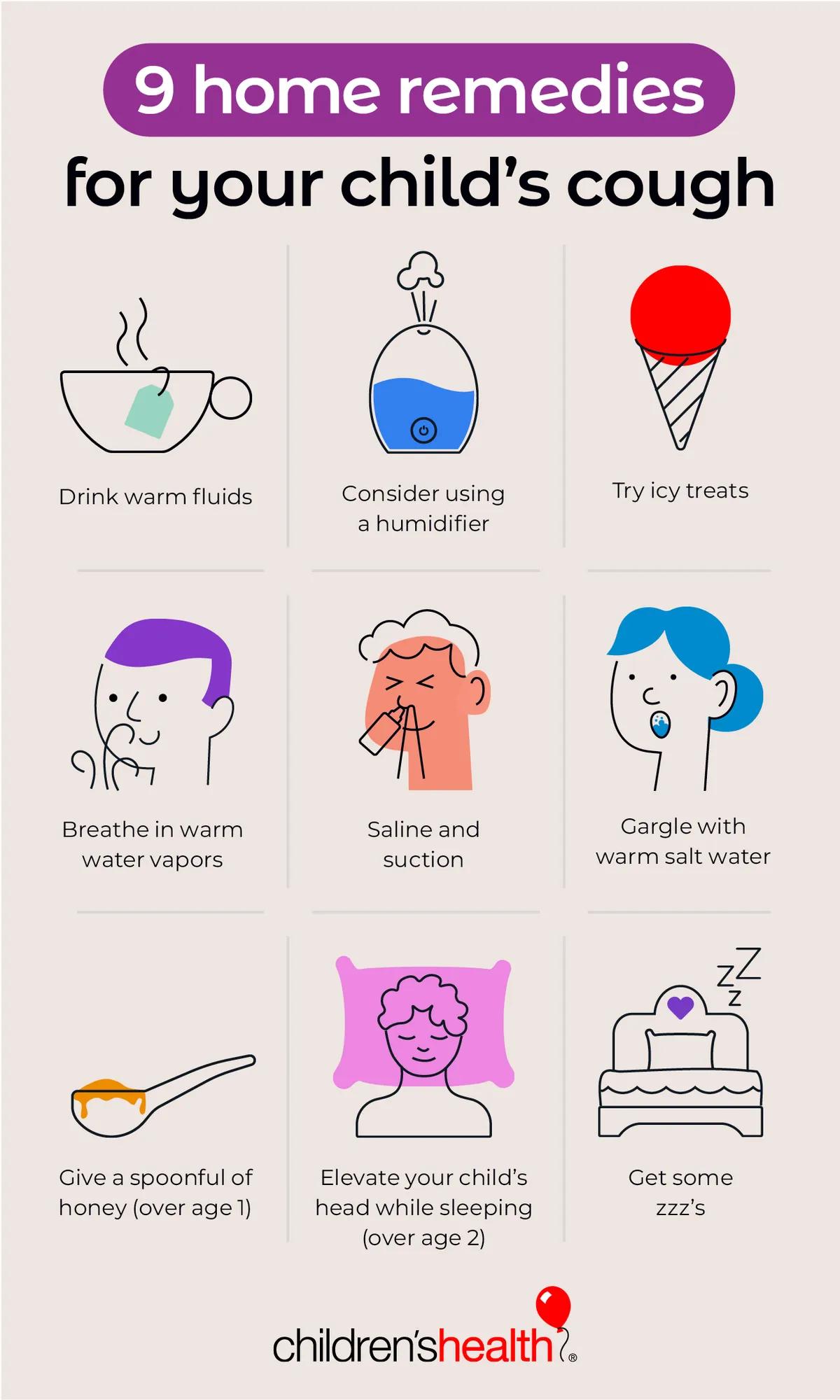
Summarizing Natural Helpers
Here is a quick look at natural remedies for toddler cough:
- Honey: Soothes throat (ages 1+).
- Warm Drinks: Helps throat, thins mucus.
- Saline: Clears stuffy nose.
- Humidifier/Steam: Adds moisture to air, helps breathing and mucus.
- Elevated Head: Helps drainage at night.
- Rest: Helps body heal.
- Fluids: Stays hydrated, thins mucus.
- Gentle Chest Rubs: Comforts (check age limits).
- Avoid Irritants: Protects airways.
- Comfort: Helps them feel safe and rest.
These are often the best ways to help a toddler’s cough without needing medicine. They help with chest congestion toddler relief, mucus cough toddler remedy, dry cough toddler treatment, and soothing toddler cough at night.
Frequently Asked Questions (FAQ)
Can I use Vicks VapoRub on my toddler?
Check the package carefully. Many Vicks products are not for children under age 2 or even older. Using strong rubs on young children can cause breathing problems. It is best to use products made for toddlers or just use a plain petroleum jelly rub. Always ask your doctor if you are unsure.
How long does a toddler cough usually last?
A cough from a cold can last 1 to 3 weeks. It might get worse before it gets better. If a cough lasts longer than 2-3 weeks or gets worse, call your doctor.
My toddler is coughing more at night. What can I do?
This is common. Try using a cool-mist humidifier in their room. Raise the head of their mattress slightly by putting a towel underneath. Give a small amount of honey (if over 1) before bed. Make sure their nose is clear using saline. Keep the room air clean. These are good ways for soothing toddler cough at night.
Is a cough always bad?
No. Coughing is a normal body reflex. It helps clear the airway. A cough that brings up mucus is helping to get stuff out of the lungs. A dry cough can just mean irritation. Most coughs are just part of getting over a cold. You just need to watch for the warning signs.
Should I try essential oils for my toddler’s cough?
Use essential oils with great care around children. Some oils can be harmful if breathed in by young children. Do not use essential oils in a diffuser near a toddler. Do not put them on their skin. It is safest to avoid them or talk to your doctor before using any. Stick to proven natural remedies for toddler cough like honey or steam.
What about the best cough medicine for toddlers? Can I give them anything from the store?
No. It is not safe to give toddlers over-the-counter cough and cold medicines without a doctor’s OK. These medicines have risks and often do not work for toddlers. Focus on toddler cough treatment without medicine using the natural methods discussed.
Can I give my toddler cough drops?
Cough drops can be a choking risk for young children. They are also often not needed. Honey works well for sore throats and coughs for children over 1.
In Closing
Dealing with a toddler’s cough can be tiring for everyone. It is hard to see your child feel sick. Luckily, most toddler coughs are not serious. They get better with time and gentle care at home.
Focus on simple, natural ways to help them feel better. Use honey (if they are old enough), warm drinks, saline, and moisture in the air. Make sure they rest and drink plenty of fluids. Keep their environment clean and free of smoke. These home remedies for toddler cough are often the safest and most effective tools you have.
Always keep an eye on your child. Know the signs that mean you need to call the doctor or get help right away. Trust your parent instincts. By using these tips and knowing when to seek medical advice, you can help your little one get through their cough and back to feeling happy and healthy. Remember, finding toddler cough treatment without medicine is often the goal, using safe and gentle natural remedies for toddler cough.