
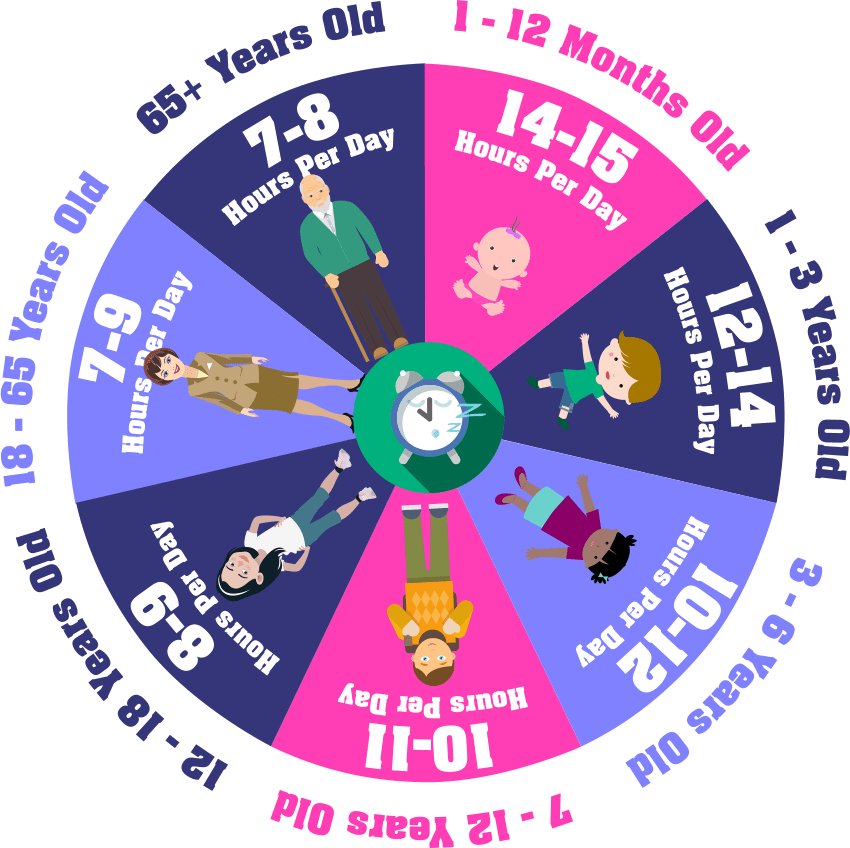
Image Source: thesleepcharity.org.uk
How Much Sleep Should A Toddler Get? Your Guide
So, how much sleep should a toddler get? A toddler, typically between 1 and 3 years old, needs about 11 to 14 hours of sleep each day. This total sleep includes both nighttime sleep and naps. Getting enough sleep is key for their growth, learning, and mood.
Why Toddlers Need Good Sleep
Sleep is super important for tiny growing bodies and minds. When toddlers sleep, their bodies work hard. Sleep helps them grow physically. It helps their brains develop. Learning and memory get better with good sleep.
Getting enough sleep also makes toddlers happier. They are less grumpy. They can handle their feelings better. Good sleep helps their immune system too, which means they get sick less often. Poor sleep can lead to fussiness, trouble paying attention, and slow growth.
Recommended Sleep Hours for Toddlers
Experts agree on the total sleep needed. Most toddlers need 11 to 14 hours of sleep over a full 24-hour day.
This total is a mix. It includes sleep at night and sleep during the day (naps). The exact mix changes as a toddler gets older.
Here is a general guide:
- Ages 1 to 2 years: They often need 11 to 14 hours total sleep. This usually means about 10 to 12 hours at night and 1 to 3 hours of naps during the day. Many at this age still take two naps.
- Ages 2 to 3 years: They still need 11 to 14 hours total sleep. But naps usually become shorter. Many toddlers drop down to one nap a day. This means nighttime sleep might be longer, around 10 to 13 hours. The one nap might be 1 to 2 hours long.
Keep in mind that these are just averages. Some toddlers naturally need a bit more sleep. Some need a bit less. Look at how your toddler acts when they are awake. Are they happy and active? Or are they tired and cranky? This can tell you if they are getting enough rest.
Toddler Sleep Schedule: Making a Plan
A regular sleep schedule really helps toddlers sleep well. Their bodies like routine. Doing things at the same time every day sets their internal clock. This includes wake-up time, nap times, meal times, and bedtime.
Having a predictable toddler sleep schedule makes sleep less of a fight. Your toddler knows what is coming next. This makes them feel safe and calm.
Building a Daily Sleep Schedule
Start with a wake-up time. Try to keep it the same each day, even weekends. This sets the rhythm for the whole day.
Then, think about naps. For toddlers taking two naps:
- Morning nap usually happens a few hours after waking up.
- Afternoon nap happens a few hours after the morning nap ends.
For toddlers taking one nap:
- The single nap usually happens around midday. This is often after lunch. It helps them rest for the afternoon.
Bedtime is the next key piece. The goal is to fit in enough nighttime sleep after the nap(s) end.
Here is an example schedule for an 18 month old sleep pattern (still on two naps):
- 7:00 AM: Wake up
- 10:00 AM – 11:00 AM: Morning Nap (1 hour)
- 3:00 PM – 4:30 PM: Afternoon Nap (1.5 hours)
- 7:30 PM: Start bedtime routine
- 8:00 PM: Asleep (aim for 11-12 hours)
This plan gives about 2.5 hours of nap sleep and 12 hours of nighttime sleep. Total is 14.5 hours. This fits the recommended amount.
Here is an example schedule for a 2 year old sleep pattern (on one nap):
- 7:00 AM: Wake up
- 1:00 PM – 2:30 PM: Afternoon Nap (1.5 hours)
- 7:45 PM: Start bedtime routine
- 8:15 PM: Asleep (aim for 11-12 hours)
This plan gives about 1.5 hours of nap sleep and 11.75 hours of nighttime sleep. Total is about 13.25 hours. This also fits the recommended amount.
Remember, these are just ideas. Your toddler’s exact times might be different. The main thing is the pattern and the total hours.
Toddler Nap Length: How Long is Enough?
Naps are a big part of the average toddler sleep total. Their length can change.
When toddlers take two naps, the morning one might be shorter (30-60 minutes). The afternoon nap might be longer (1-2 hours).
When they move to one nap, that single nap becomes more important. It is usually longer, often 1.5 to 2.5 hours. This one nap helps them make it through the day without getting too tired.
How long a nap should be depends on the toddler and the day. A good nap lets them wake up happy and refreshed. If they wake up crying or still seem tired, the nap might have been too short or they might need more total sleep.
Don’t force a nap if your toddler really fights it. But try to offer quiet rest time. Sometimes they just need a break, even if they don’t fully sleep.
The One-Nap Transition
Moving from two naps to one is a big step. It usually happens between 15 and 18 months old. Some toddlers do it earlier, some later.
How to know they are ready?
- They start skipping one nap regularly.
- One nap becomes much shorter.
- They take a nap but then have trouble falling asleep at bedtime.
This change can take time. It might be messy for a bit. Some days they might still need two naps. Other days, one is fine. On days with only one nap, you might need an earlier bedtime to prevent overtiredness.
Be patient during this time. Stick to your routine as much as possible. Offer the single nap after lunch. If they skip it, plan for an earlier bedtime.
Toddler Bedtime: Making it Easy
Toddler bedtime can be a challenge. They are learning they have a choice. They might want to stay up and play. A strong, calm toddler bedtime routine is your best friend.
A good routine tells your toddler that sleep time is coming. It helps them wind down. It should be the same steps, in the same order, every night.
Creating a Calm Bedtime Routine
Keep it short, maybe 20-30 minutes. Do calming things.
Example routine steps:
- Put on pajamas.
- Brush teeth.
- Read one or two quiet books.
- Sing a lullaby or two.
- Cuddles and goodnight words.
- Place in crib or bed awake.
Doing these steps in order helps your toddler’s body and mind get ready to sleep. Try to start the routine at the same time each night.
Make the sleep area calm and dark. Use blackout curtains if needed. Keep toys put away so they are not a distraction. A sound machine with white noise or gentle sounds can help block out other noises.
Average Toddler Sleep: What’s Normal?
We talked about the recommended hours. But what does average toddler sleep look like night-to-night or nap-to-nap?
It can vary. A toddler might sleep 12 hours one night and 11 the next. A nap might be 2 hours long one day and 1 hour the next. This is normal.
The total sleep over a few days or a week is more telling than one single night or nap. Are they getting the average 11-14 hours mostly?
Also, toddlers often wake up during the night. This is normal too. They might cry out or call for you. How you respond matters. If they are safe and okay, sometimes waiting a minute can help them learn to fall back asleep on their own. If they are scared or need something, of course, you should help them.
Don’t compare your toddler’s sleep perfectly to another’s. Every child is different. Focus on if your child is getting enough sleep for them to be happy and healthy.
Toddler Sleep Problems: Bumps in the Road
Many parents face toddler sleep problems. You are not alone! These issues are a normal part of growing up.
Common problems include:
- Refusing to go to bed (bedtime battles).
- Waking up often at night.
- Waking up too early.
- Fighting naps or refusing naps.
- Feeling scared at bedtime (of the dark, monsters).
Why Sleep Problems Happen
Sleep problems can happen for many reasons:
- They are learning new skills (walking, talking). This makes their brain active.
- Changes in routine (travel, new sibling, starting daycare).
- Teething or sickness.
- Separation anxiety (not wanting to be away from you).
- They are not tired enough (or too tired!).
- They need your help to fall back asleep when they wake at night.
How to Handle Common Issues
- Bedtime Battles: Stick to the routine firmly but calmly. Offer choices within the routine (Which book? Which pajamas?). Don’t give in to lots of delays. If they get out of bed, gently lead them back. Keep it boring and quiet.
- Night Waking: Check if they are truly upset or just stirring. Wait a moment before going in. If you go in, keep it brief and calm. Don’t turn on bright lights. Don’t start playing. The goal is to help them return to sleep, not fully wake up. Make sure they can fall asleep on their own at bedtime. This skill helps them when they wake at night.
- Early Rising: Check their total sleep. Are they getting enough? Maybe bedtime is too late? Or too early? Light can cause early waking. Make the room very dark. Stick to the routine, even after an early start. Don’t start the day too early.
- Nap Refusal: They might be ready for one nap instead of two. Or they might need a later nap time. Offer quiet time even if they don’t sleep. A skipped nap might mean an earlier bedtime.
- Nighttime Fears: These usually start around age 2 or 3. Talk about their fears during the day. Check the room for “monsters” once if it helps, but don’t make it a long game. A small night light can help if they are scared of the dark. Reassure them they are safe. Avoid scary stories or TV before bed.
Consistency is key with all toddler sleep problems. Choose a plan and stick to it patiently. Changes won’t happen overnight.
Toddler Sleep Regression: Temporary Steps Back
Sleep regression is when a toddler who was sleeping well suddenly starts having sleep problems. They might wake up more, fight naps, or have bedtime battles. It feels like you are going backwards!
Sleep regressions are normal. They usually happen around big growth or learning times. The most common ones for toddlers are around:
- 18 month old sleep regression: This is a very common one. It happens as they learn to walk, talk more, and show more independence. Separation anxiety is also high.
- 2 year old sleep regression: Can happen as they gain more language skills, test limits, or deal with fears. Toilet training can also impact sleep.
These regressions are frustrating, but they don’t last forever. They usually last a few weeks.
Managing a Sleep Regression
- Stick to your routine: This is the most important thing. Even if it takes longer, do the same steps. Predictability is comforting.
- Don’t start new bad habits: Try not to start rocking them to sleep every night if that wasn’t the norm. This can create a new sleep problem after the regression ends.
- Offer comfort, but encourage independence: If they are waking at night, go in quickly to reassure them they are safe, but encourage them to lay back down and try to sleep. Keep interactions brief and calm.
- Adjust the schedule if needed: Maybe they need a slightly earlier bedtime during the regression if naps are shorter or missed.
- Be patient: Remember it is temporary. It means their brain is working hard on new skills!
Toddler Sleep Tips for Better Rest
Getting good sleep isn’t just about timing. It’s also about setting up the right environment and habits. Here are some toddler sleep tips:
- Make the room dark: Use blackout curtains to block light for naps and nighttime. Darkness helps their body know it’s time to sleep.
- Keep the room cool: A slightly cool room is better for sleeping than a warm one.
- Use white noise: A fan or white noise machine can block out household sounds and create a calming background noise.
- Limit screen time before bed: No TV, tablets, or phones in the hour before bedtime. The blue light can make it harder to fall asleep.
- Be active during the day: Lots of running and playing outside helps toddlers use energy. This makes them more tired for sleep.
- Offer filling snacks but limit big meals close to bedtime: A light snack like yogurt or a banana is fine. Avoid sugary foods or drinks. Don’t send them to bed hungry, but don’t give a big meal right before sleep.
- Skip sugary drinks: Offer water or milk instead. Avoid juice close to bedtime.
- Be consistent: This is the most important tip! Stick to the schedule and routine as much as you can, even on weekends.
- Let them fall asleep on their own: If your toddler can fall asleep in their crib or bed without you rocking or holding them, they are more likely to put themselves back to sleep when they wake at night.
- Watch for sleepy signs: Rubbing eyes, yawning, getting cranky – these mean they are ready for sleep. Don’t wait too long past these signs, or they might get overtired. Overtired toddlers are harder to get to sleep.
- Give a lovey: A small blanket or soft toy can be comforting for toddlers learning to sleep alone. Make sure it is safe (not too big, no loose parts).
- Empower them: Let them make small choices in the routine (like which book). This gives them a feeling of control.
- Stay calm: Toddlers pick up on your stress. If bedtime is a fight for you, they will feel that. Try to stay calm and positive during the routine.
- Celebrate sleep wins: Praise your toddler when they stay in bed or have a good nap. Positive words help!
Following these tips can make a big difference in improving toddler sleep patterns.
Summarizing Toddler Sleep Needs
Here is a quick look at recommended sleep hours for toddlers:
| Age | Total Sleep per 24 hours | Nighttime Sleep Range | Nap Sleep Range | Number of Naps Typically |
|---|---|---|---|---|
| 1 to 2 years | 11 – 14 hours | 10 – 12 hours | 1 – 3 hours | 1 or 2 |
| 2 to 3 years | 11 – 14 hours | 10 – 13 hours | 1 – 2 hours | 1 |
Remember this is an average. Your child’s exact needs might be a little different. Focus on their overall mood and behavior to judge if they are getting enough rest.
In Closing
Sleep is not a luxury for toddlers. It is a need. It helps their bodies grow, their brains learn, and their feelings stay balanced. Aiming for the recommended 11-14 hours total sleep each day is a great goal.
Creating a steady toddler sleep schedule and a peaceful toddler bedtime routine can make a huge difference. Yes, toddler sleep problems and toddler sleep regression happen. They are normal parts of this age. Stay consistent, be patient, and use the tips here to help your little one get the healthy sleep they need. Good sleep for them means better rest for the whole family!
Frequently Asked Questions About Toddler Sleep
How much total sleep should an 18 month old get?
An 18 month old should generally get 11 to 14 hours of total sleep in a 24-hour period. This usually includes both nighttime sleep and naps. They are often transitioning from two naps a day to one around this age.
How much sleep should a 2 year old get at night?
A 2 year old usually gets most of their total sleep at night. They typically need between 10 and 13 hours of sleep during the night. This is because they have usually dropped down to just one nap during the day.
What is a good toddler nap length?
A good toddler nap length varies by age and whether they take one or two naps. For toddlers still taking two naps, one nap might be 30-60 minutes and the other 1-2 hours. For toddlers taking one nap, that single nap is usually longer, often 1.5 to 2.5 hours long. The nap should be long enough for them to wake feeling rested.
Is it okay if my toddler sleeps more or less than the average?
Yes, the recommended hours are averages. Some toddlers need a bit more sleep, others a bit less. Look at your child’s behavior when they are awake. If they are happy, energetic, and not overly cranky, they are likely getting enough sleep for them. If they are often tired, irritable, or falling asleep during the day outside of nap time, they might need more sleep.
How do I know if my toddler’s sleep problems are serious?
Most toddler sleep problems like bedtime resistance or night waking are normal and temporary. However, if sleep problems are very severe, happen every night for a long time, or seem tied to breathing issues (like snoring or pauses in breathing), it’s a good idea to talk to your child’s doctor. They can check for any health reasons for the sleep issues.
What should I do if my toddler skips a nap?
If your toddler skips a nap, try to offer some quiet time anyway. If they don’t sleep, plan for an earlier bedtime that night. Skipping a nap can make them overtired, which can actually make nighttime sleep harder. An earlier bedtime helps them catch up on rest.
My toddler suddenly started waking up at night again after sleeping through. What is happening?
This sounds like it could be a toddler sleep regression. These often happen around major developmental leaps (like the 18 month or 2 year regressions). Stick firmly to your routine, offer calm comfort, and try not to create new sleep habits (like rocking them to sleep). It is usually a short phase that passes.
Should I wake my toddler from a nap?
Generally, it’s best not to wake a sleeping toddler. They are getting the rest their body needs. However, if very long naps are making bedtime much too late or causing night waking, you might need to gently wake them a little earlier. The goal is to balance nap sleep and nighttime sleep to get enough total sleep.