
Toddlers need protein every day. It helps them grow big and strong. How much protein should a toddler have daily? Most need about 13 grams of protein each day. This is based on protein requirements young children need for healthy growth. These toddler nutrition guidelines protein are important to follow.
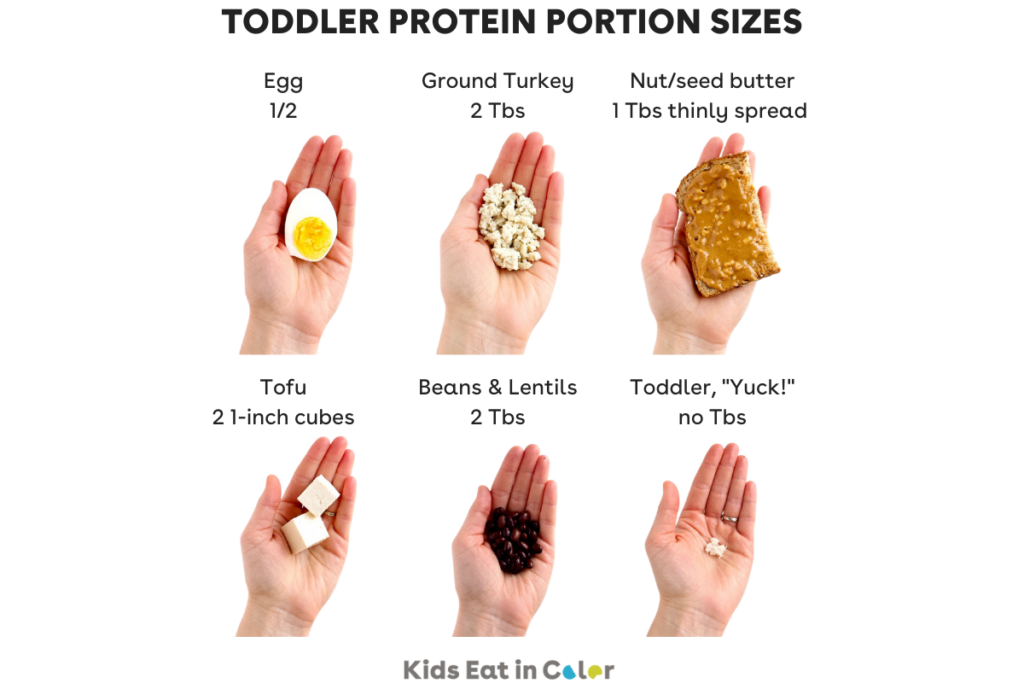
Image Source: kidseatincolor.com
Why Protein Matters for Little Ones
Protein is a big deal for toddlers. Think of it as building blocks. It helps build and fix tissues in the body. This includes muscles, skin, and even blood.
Protein is also needed for:
- Growing taller and bigger: Toddlers grow fast! Protein fuels this growth.
- Building strong muscles: Running, jumping, and playing all use muscles built with protein.
- Making a healthy immune system: Protein helps the body fight off sickness.
- Making enzymes and hormones: These help the body work right.
- Keeping them full: Protein helps toddlers feel satisfied after eating. This can stop them from being hungry too soon.
Getting enough protein is key for health. Not getting enough can slow down growth. It can also make them get sick more often.
Knowing Daily Protein Needs for Toddlers
So, how much protein does a toddler really need? The recommended daily allowance protein toddlers need is about 13 grams. This is for children aged 1 to 3 years old.
Thirteen grams might sound small. But for a tiny body, it’s just right. It gives them what they need without being too much.
These protein requirements young children are set by health groups. They look at how kids grow. They figure out how much protein is needed for healthy growth and body functions.
It’s not just about hitting the number 13. It’s also about where the protein comes from. Getting it from good sources is best. We will talk about the best protein sources for toddlers soon.
Protein Intake for 1-3 Year Olds: What It Looks Like
Let’s break down the 13 grams a bit more.
This total amount is for the whole day. It should be spread out among meals and snacks.
Think about what 13 grams of protein looks like in food:
- A small yogurt cup might have 6 grams.
- A glass of milk has about 8 grams.
- An egg has about 6 grams.
- A small piece of chicken (about the size of two dice) has maybe 7 grams.
- A few tablespoons of lentils might have 3-4 grams.
A toddler doesn’t eat just one thing. They eat many things all day. So, they get protein bit by bit.
For example, a toddler might have:
- Milk with breakfast (8g)
- A little yogurt for a snack (3g)
- Some chicken at lunch (4g)
- Milk again at dinner (4g)
Total protein: 8 + 3 + 4 + 4 = 19 grams.
This shows it’s easy to meet the 13-gram goal. Many toddlers naturally eat enough protein if they eat a varied diet.
Figuring out Protein Needs by Age
The 13-gram number is for the whole 1-3 year old group. But needs can vary slightly as they get older.
How much protein does a 1 year old need?
A one-year-old is often just moving from mostly milk to more solid foods. Their protein needs are met through a mix of milk (breast milk or formula, then cow’s milk) and soft solid foods.
Their needs are right around the 13 grams. Foods like milk, yogurt, soft cheese, mashed beans, and tiny bits of meat work well.
How much protein does a 2 year old need?
A two-year-old is usually eating mostly table food. They are more active. They still need about 13 grams of protein.
They can eat more types of food. Small pieces of meat, poultry, fish, eggs, beans, nuts (ground up or as butter), seeds, milk, and dairy are good.
How much protein does a 3 year old need?
A three-year-old is often eating much like the rest of the family. Their needs are still around 13 grams.
They eat bigger amounts of food than when they were one. But the protein per pound of body weight might go down a tiny bit. Still, aiming for about 13 grams is right.
Soon, as they turn four, their needs will go up to 19 grams per day. But for the 1-3 age group, 13 grams is the target.
Best Protein Sources for Toddlers
Getting protein from healthy foods is important. Here are some of the best protein sources for toddlers:
- Dairy: Milk, yogurt, cheese.
- Milk (1 cup): about 8 grams
- Yogurt (plain, 1/2 cup): about 6-10 grams (check label)
- Cheese (1 oz): about 7 grams
- Meat, Poultry, Fish: Soft, small pieces.
- Chicken or Turkey (1 oz, about two dice): about 7 grams
- Beef (1 oz): about 7 grams
- Fish (like salmon, 1 oz): about 6 grams
- Eggs: Scrambled, boiled, or in other dishes.
- One large egg: about 6 grams
- Beans and Legumes: Cooked and soft.
- Lentils or Beans (black, kidney, chickpeas – 1/4 cup cooked): about 3-4 grams
- Nuts and Seeds: BUT BE CAREFUL! Offer only ground up or as smooth butter (like peanut butter, almond butter). Whole nuts/seeds are a choking risk.
- Peanut butter (1 Tablespoon): about 4 grams
- Almond butter (1 Tablespoon): about 3.5 grams
- Hemp seeds (1 Tablespoon): about 3 grams (can be sprinkled on food)
- Soy Products: Tofu, edamame (shelled and soft).
- Tofu (1/4 cup firm): about 5 grams
- Edamame (shelled, 1/4 cup cooked): about 4 grams
Variety is key. Offering different protein foods helps toddlers get different nutrients. It also helps them try new tastes and textures.
Feeding Toddlers Protein Rich Foods: Simple Ideas
It can be tricky to get toddlers to eat. Here are some simple ways to include protein in their meals and snacks.
- Breakfast:
- Yogurt with soft fruit.
- Scrambled eggs with a little cheese.
- Oatmeal made with milk, mixed with peanut butter.
- Whole-grain toast with a thin layer of nut butter.
- Lunch:
- Small pieces of cooked chicken or turkey.
- Lentil soup (make sure lentils are soft).
- Hummus with soft veggies or whole-grain bread pieces.
- Cheese cubes or sticks.
- Refried beans with a tortilla.
- Dinner:
- Small pieces of soft fish (check for bones!).
- Meatloaf or meatballs cut into small pieces.
- Cooked beans or lentils added to pasta sauce or rice.
- Tofu scrambled with veggies.
- Snacks:
- Cottage cheese.
- Cheese slices or cubes.
- Hard-boiled egg cut up.
- Yogurt tube or cup.
- Small amount of nut butter on fruit slices (like apple or banana) or crackers.
- Edamame (shelled and cooked soft).
Offer protein foods at most meals. This helps spread the intake throughout the day. It also helps keep them feeling full longer between meals.
Handling Picky Eaters and Protein
Toddlers can be picky. It’s normal. Don’t stress too much about one meal or even one day. Look at what they eat over a week.
If your toddler doesn’t eat the chicken you offered, did they drink milk? Did they have yogurt? Did they eat beans?
Here are tips for feeding toddlers protein rich foods when they are picky:
- Keep offering: They might not eat it the first time. Offer it again later.
- Mix it in: Add soft beans to soup. Add ground meat to sauce. Mix finely chopped chicken into pasta.
- Make it fun: Use cookie cutters on cheese slices. Make mini meatballs.
- Let them help: Toddlers might try food they helped make. Let them stir yogurt or put cheese cubes on a plate.
- Be a role model: Eat protein foods yourself. Kids watch what you do.
- Don’t force it: Forcing food can make them dislike it more. Offer the food, but don’t make a big deal if they don’t eat it.
Remember, consistency helps. Offer protein options often.
Seeing Signs of Low Protein in Toddlers
Most toddlers in developed countries get enough protein. But it is good to know what to look for. Signs low protein toddlers might show include:
- Slow growth: Not gaining weight or getting taller as expected.
- Loss of muscle: Muscles might look smaller or feel weaker.
- Swelling: Sometimes, swelling can happen in the belly, legs, or feet.
- Getting sick often: A weaker immune system can mean more colds or other sicknesses.
- Slow healing: Cuts or scrapes might take longer to get better.
- Changes in hair or skin: Hair might become thin or break easily. Skin might look dry.
If you worry your toddler is not getting enough protein, talk to their doctor. They can check their growth and overall health. They can also give advice on their diet.
It’s more likely a toddler might not get enough if they have very strict diets (like some vegan diets without careful planning) or if they have feeding problems due to health issues. For most toddlers eating a mix of foods, getting enough protein is usually not a problem.
Thinking About Protein Quality
Not all protein is the same. Some protein sources are better than others. Protein from animal foods (meat, fish, eggs, milk, cheese) is called “complete” protein. It has all the building blocks the body needs.
Protein from plant foods (beans, lentils, nuts, seeds, grains) is often “incomplete.” It might be missing some building blocks.
But this is not a big worry for toddlers. If they eat a mix of plant foods over the day, they get all the building blocks they need. Eating beans and rice together, for example, makes a complete protein.
So, offer a mix of protein foods. This is part of a healthy diet for toddlers protein. It ensures they get all the needed building blocks.
Toddler Nutrition Guidelines Protein: Balancing the Plate
Protein is just one part of a healthy diet. Toddlers need other things too:
- Carbs: For energy to play and learn. Grains, fruits, and veggies give carbs.
- Fats: Important for brain growth and energy. Healthy fats are in avocados, nuts (as butter), seeds (as butter), milk, yogurt, and oils.
- Vitamins and Minerals: Needed for everything from strong bones (calcium, Vitamin D) to seeing well (Vitamin A). Fruits, veggies, milk, and fortified foods help here.
A healthy diet for toddlers protein is one that offers a variety of foods from all food groups. Protein should be part of most meals and snacks, but not the only focus.
Imagine a toddler’s plate. Protein food could take up about a quarter of the plate. Another quarter could be grains (like pasta, rice, bread). Half the plate should be fruits and vegetables. Add milk or water to drink.
This way, they get protein plus all the other good things their bodies need to grow.
Protein Requirements Young Children: Compared to Others
How do protein requirements young children compare to adults or older kids?
- Toddlers (1-3 years): About 13 grams per day.
- Older Kids (4-8 years): About 19 grams per day.
- Older Kids (9-13 years): About 34 grams per day.
- Adult Women: About 46 grams per day.
- Adult Men: About 56 grams per day.
You can see that toddlers need less total protein than bigger people. But they need more protein for their size. A toddler needs about 0.5 grams of protein per pound of body weight. Adults need about 0.36 grams per pound.
This is because toddlers are growing so much! Protein is super important for building all that new body stuff.
Protein Intake 1-3 Year Old vs. Infancy
Protein needs change a lot after the first year.
- Infants (0-12 months): Get most of their protein from breast milk or formula. These are made to have the right amount of protein. They start eating solid foods with protein later in the first year.
- Toddlers (1-3 years): Get protein from a mix of milk (about 16-24 oz per day) and solid foods. They rely more on solid food protein sources than infants do.
The shift to solid foods means parents need to offer protein-rich foods regularly. This helps meet the daily protein needs toddler bodies have as they grow past infancy.
Can Toddlers Get Too Much Protein?
It’s not very common for toddlers to eat too much protein. Their tummies are small. They usually stop eating when they are full.
Eating a little more than 13 grams a day is usually fine. If a toddler eats 15-20 grams, it’s likely okay.
However, eating way too much protein for a long time could be a problem. This could happen if a toddler ate huge amounts of protein foods and not much else. Or if they were given protein powders not meant for them.
Signs of getting too much protein might include:
- Upset stomach or throwing up.
- Constipation.
- Drinking less milk or eating less of other food groups. This can lead to missing other needed nutrients.
Sticking to whole foods like milk, yogurt, eggs, meat, beans, and cheese is the best way to make sure your toddler gets enough protein without getting too much. These foods come with other good nutrients too. Protein powders and shakes are usually not needed or good for toddlers unless a doctor says so for a special reason.
Focus on offering a balanced diet. The protein requirements young children have are usually met easily with a variety of foods.
Making a Healthy Diet for Toddlers Protein-Powered
Creating a healthy diet for toddlers protein means planning meals and snacks that include good sources.
Think about spreading the 13 grams throughout the day.
- Morning: Milk or yogurt (provides several grams). Maybe some egg or nut butter on toast.
- Midday: Small piece of meat, fish, or beans. Or cheese.
- Afternoon: Yogurt or cheese stick snack.
- Evening: Meat, fish, beans, or tofu with dinner. Milk before bed.
This way, they get protein at different times. This helps their bodies use it well.
Remember the plate model: protein is one part, but fruits, veggies, and grains are just as vital.
Making food fun helps toddlers eat well. Cut sandwiches into shapes. Serve colorful fruits and veggies. Let them dip foods. These things can make mealtime less of a fight and more about trying different foods, including protein ones.
Consistency is also key. Offer protein foods regularly. Even if they don’t eat it one day, keep offering it. Toddlers often need to see a food many times before they try it.
Knowing Toddler Nutrition Guidelines Protein
Official toddler nutrition guidelines protein often come from health groups in your country. In the United States, groups like the Academy of Nutrition and Dietetics and the government’s dietary guidelines give advice.
These groups look at science to figure out how much of each nutrient kids need. The recommended daily allowance protein toddlers (1-3 years) is 13 grams per day.
These guidelines also suggest getting nutrients from food first. Supplements are usually not needed unless a doctor says so.
They also stress the importance of a varied diet. This means not just protein, but carbs, fats, vitamins, and minerals from different types of foods.
Parents should aim to follow these general guides. They are there to help kids grow healthy.
If you have worries about your child’s diet or growth, talk to your pediatrician or a registered dietitian. They can give personalized advice based on your child’s specific needs.
Most of the time, if a toddler eats a mix of foods like milk, yogurt, cheese, eggs, meat, beans, fruits, veggies, and grains, they will meet their daily protein needs toddler goals without you having to count every gram.
Recap: How Much Protein Should a Toddler Have Daily?
To sum it up:
- Toddlers aged 1 to 3 years old need about 13 grams of protein each day.
- Protein is vital for growth, building muscles, staying healthy, and more.
- Good protein foods for toddlers include milk, yogurt, cheese, eggs, meat, fish, beans, lentils, and nut butters (smooth).
- Offer protein foods at meals and snacks throughout the day.
- Aim for a balanced diet that includes protein, carbs, fats, vitamins, and minerals.
- Most toddlers get enough protein if they eat a variety of foods.
- Signs of not enough protein are rare but can include slow growth or getting sick often.
- Talk to a doctor or dietitian if you have concerns about your toddler’s diet.
Meeting the recommended daily allowance protein toddlers need helps set them up for healthy growth and development. Focusing on offering healthy, protein-rich foods as part of a varied diet is the best way to do this.
Frequently Asked Questions (FAQ)
Q1: Does my toddler need to eat 13 grams of protein exactly every single day?
No, you don’t need to worry about hitting 13 grams exactly every single day. Look at their protein intake over a few days or a week. Some days they might eat a little more, some days a little less. What matters most is their average intake over time.
Q2: Is protein powder good for toddlers?
No, protein powder is generally not needed or recommended for toddlers. They can get all the protein they need from whole foods. Protein powders might have too much protein or other things not good for young children. Talk to a doctor before giving any supplements.
Q3: My toddler loves milk. Does that count as protein?
Yes, milk is a great source of protein! One cup of milk has about 8 grams of protein. Drinking milk is an easy way for toddlers to meet a big part of their daily protein needs.
Q4: What if my toddler won’t eat meat?
That’s okay! Many good protein sources are not meat. Offer eggs, milk, yogurt, cheese, beans, lentils, and smooth nut butters. These foods also provide plenty of protein. A vegetarian diet can easily meet a toddler’s protein needs with careful planning.
Q5: How can I tell if my toddler is getting enough protein?
The best way is to look at their overall growth and health. If they are growing well along their growth curve, are active, and are generally healthy, they are likely getting enough protein and other nutrients. If you have concerns about their growth or energy levels, talk to their doctor.
Q6: Are plant-based proteins good for toddlers?
Yes, plant-based proteins like beans, lentils, tofu, and smooth nut butters are very good for toddlers. Offer a mix of plant proteins throughout the day to make sure they get all the needed building blocks. Combining foods like beans with rice or whole-grain bread helps.
Q7: Is it better to give protein at a certain time of day?
Spreading protein out over the day is best. Offering protein at most meals and snacks helps toddlers feel full and provides a steady supply for growth and repair.
Q8: Can giving more protein help my toddler gain weight if they are too thin?
If your toddler is underweight, talk to their doctor or a dietitian. While protein is important, just adding more protein might not be the only answer. They might need more calories overall from healthy fats and carbs too. A health expert can help make a plan.