
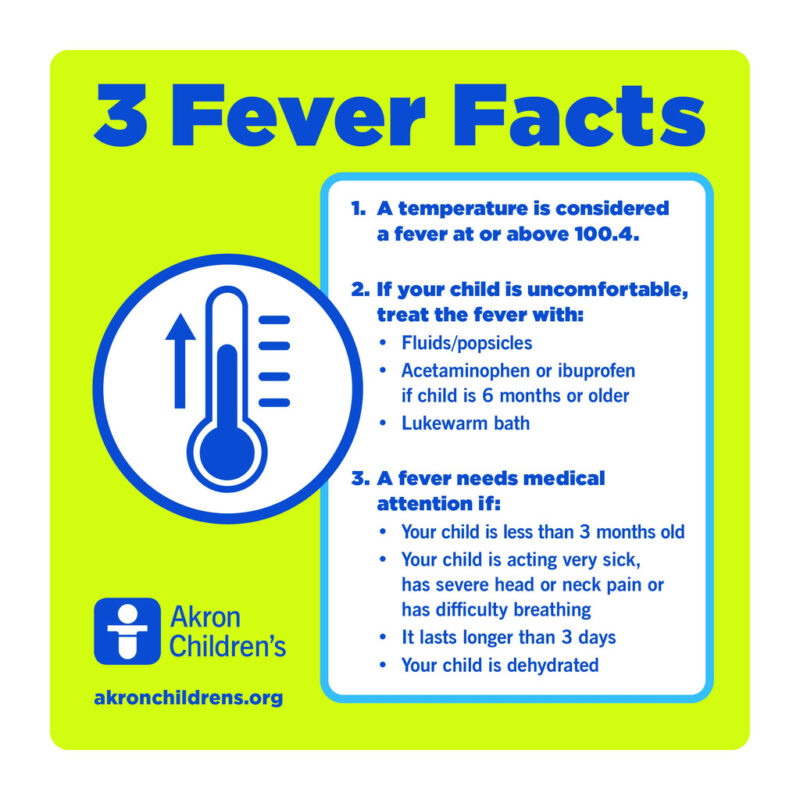
Image Source: www.akronchildrens.org
How Many Days Can A Toddler Have A Fever? Expert Tips
So, how many days can a toddler have a fever? Most times, a toddler’s fever lasts only one to three days. A fever is simply the body’s way of fighting off germs. It’s a common thing for little ones. Knowing what to watch for and when to seek help is key. This guide will walk you through it.
Grasping Toddler Fever
A fever means your child’s body is warmer than usual. It is not a sickness itself. It is a sign that the body is working hard. It is fighting off things like viruses or bacteria. A higher body temperature can make it harder for these germs to live and grow.
What is a Fever in a Toddler?
A fever is a body temperature of 100.4°F (38°C) or higher. You can check their temperature in different ways. A digital thermometer gives a fast and easy reading.
Normal Temperature for Toddlers
A toddler’s body heat can change a little during the day. It is often lower in the morning. It can be higher in the late afternoon or evening. Playing or being active can also raise it slightly.
Here is a simple look at normal temperature ranges:
| Way to Take Temperature | Normal Range |
|---|---|
| Rectal (Bottom) | 97.9°F to 100.4°F |
| Oral (Mouth) | 95.9°F to 99.5°F |
| Axillary (Armpit) | 94.5°F to 99.1°F |
| Temporal (Forehead) | Around 99.4°F (Varies by device) |
| Tympanic (Ear) | Around 99.4°F (Varies by device) |
Remember, 100.4°F (38°C) or higher is considered a fever. The rectal temp is usually the most accurate for little kids.
Fever Symptoms in Toddlers
Besides feeling warm, a toddler with a fever might show other signs. These fever symptoms toddler can have vary.
- Feeling warm to the touch.
- Sweating a lot.
- Having red cheeks.
- Acting tired or sleepy.
- Being fussy or cranky.
- Not wanting to eat or drink much.
- Shivering or chills.
- Trouble sleeping.
These signs tell you your child might have a fever. Checking their temperature will tell you for sure.
Spotting High Fever Toddler Causes
Fevers in toddlers are very common. They happen because a child’s body is always meeting new germs. These germs cause infections. These infections are high fever toddler causes most of the time.
- Colds and Flu: These are very common causes. They are caused by viruses.
- Ear Infections: Fluid behind the eardrum can get infected. This often causes pain and fever.
- Throat Infections: Like strep throat. This needs a doctor’s check.
- Urinary Tract Infections (UTIs): An infection in the bladder or kidneys.
- Pneumonia or Bronchiolitis: Infections in the lungs or airways.
- Roseola: A virus that causes a high fever for a few days. Then a rash appears as the fever goes away.
- Fifth Disease: Causes a mild fever and a “slapped cheek” rash.
- Vaccines: Sometimes, a fever happens after shots. This is normal. It shows the body is building protection. It usually lasts a day or two.
- Other Viruses: There are many viruses toddlers can catch. Most cause fevers that last a few days.
Teething is often blamed for fever. But it usually causes only a slight rise in temperature or fussiness. It is not likely to cause a high fever. If your child has a high fever, look for other reasons.
Figuring Out How Long Toddler Fever Lasts
As we said before, most toddler fever duration times are short. A fever from a common cold or mild virus often goes away in 1 to 3 days. This is the most typical timeframe.
- Short Fevers (1-3 days): This is normal for simple viral infections. Think of a regular cold.
- Fevers After Vaccines: These usually last only 1 to 2 days.
- Fevers with Other Illnesses: Depending on the cause, a fever can last longer.
So, if you ask, “how long toddler fever last?”, the answer is often “not very long”. Most fevers clear up on their own as the body wins the fight against the germ.
What About Persistent Toddler Fever?
Sometimes, a fever lasts longer than expected. A persistent toddler fever means the fever keeps coming back or stays high for more than 3 days. If your child has a fever that lasts more than 72 hours (3 days), you should talk to their doctor.
Why might a fever last longer?
* The infection might be more serious.
* It could be a bacterial infection (like a UTI or strep throat) that needs medicine.
* It might be a less common virus.
* It could be a sign of a different health issue.
A persistent toddler fever needs a check-up. The doctor can find out the cause. They can make sure your child gets the right care.
Noticing Toddler Fever Worrying Signs
While most fevers are not serious, some signs tell you to get help fast. It is very important to know the toddler fever worrying signs. These signs mean you should call your doctor right away or go to the emergency room.
- Age:
- A baby younger than 3 months old with any fever (100.4°F or higher) needs to see a doctor immediately. Their small bodies can get sick very fast.
- A baby 3 to 6 months old with a fever over 101°F (38.3°C).
- A child of any age with a fever over 104°F (40°C).
- How They Look and Act:
- Acting very sick, sleepy, or limp. Not waking up easily.
- Not playing, smiling, or interacting like usual.
- Crying non-stop and cannot be comforted.
- Having a stiff neck.
- Having a bad headache.
- Having trouble breathing or breathing very fast.
- Having a rash that looks like purple spots or bruises. This rash does not fade when you press on it.
- Looking very pale or greyish.
- Having pain when peeing.
- Signs of Not Enough Fluids (Dehydration):
- Having fewer wet diapers than normal.
- No tears when crying.
- Having a sunken soft spot on their head (for babies).
- Having a dry mouth and tongue.
- Fever That Comes and Goes: If a fever goes away but keeps coming back for more than 7 days, even if each fever spell is short.
- Febrile Seizure Toddler: This is a seizure that happens with a fever. It can look scary, but often does not cause long-term harm.
What is a Febrile Seizure Toddler?
A febrile seizure toddler is a fit or convulsion caused by a fever. It happens most often in kids aged 6 months to 5 years. It usually happens when the temperature rises quickly.
During a febrile seizure, the child might:
* Shake or twitch all over.
* Stare or roll their eyes.
* Become stiff.
* Lose consciousness.
* Have trouble breathing or look blue for a short time.
What to do if your toddler has a febrile seizure:
1. Stay calm.
2. Place your child on their side on a soft surface.
3. Remove anything hard or sharp near them.
4. Loosen any tight clothing.
5. Do NOT put anything in their mouth.
6. Do NOT try to stop the shaking.
7. Time the seizure if you can. Most last less than 5 minutes.
8. Call 911 if the seizure lasts longer than 5 minutes or if your child is having trouble breathing after it stops.
9. Call your doctor or seek medical care right away after the seizure stops. The doctor will want to check your child.
Seeing a febrile seizure is scary. But remember, they are common with fever in this age group. Most times, they do not mean your child has epilepsy or a serious brain problem.
Knowing these toddler fever worrying signs is important. It helps you know when to seek help fast.
Caring for Your Toddler: Treating Toddler Fever
The goal of treating toddler fever is usually to make your child feel better. It is not always about getting the temperature back to normal right away. A low fever doesn’t always need treatment unless your child is uncomfortable. For higher fevers or if your child feels bad, you can help.
Here are ways for treating toddler fever:
Comfort Measures
- Keep them Cool: Dress your child in light clothing. Use only a light blanket. Make the room temperature comfortable, not too hot.
- Lukewarm Bath: A short bath in lukewarm water can help cool them down. Do NOT use cold water or rubbing alcohol. This can be harmful.
- Rest: Encourage your child to rest. Sleep helps their body heal.
Giving Medicine
You can use fever-reducing medicines. The two main ones are Acetaminophen (like Tylenol) and Ibuprofen (like Motrin or Advil).
- Acetaminophen: Can be given every 4-6 hours. Check the dose for your child’s weight and age on the box or with your doctor.
- Ibuprofen: Can be given every 6-8 hours. It can be used for children 6 months or older. Check the dose for your child’s weight and age. Do not give Ibuprofen to babies under 6 months.
Important points about medicine:
- Always use the right dose for your child’s weight, not just age.
- Use the measuring tool that comes with the medicine.
- Do not give both Acetaminophen and Ibuprofen at the same time. You can switch between them if needed, but follow dose and time rules carefully. Ask your doctor how if you are unsure.
- Do NOT give aspirin to children or teenagers. It can cause a rare but serious condition called Reye’s syndrome.
- Do not use over-the-counter cough and cold medicines in children under 4 years old. These can have side effects. They do not treat the fever itself.
- Medicine makes them feel better. It does not cure the cause of the fever.
Keeping Hydrated
A fever can make your child lose fluids. Making sure they drink enough is very important.
- Offer fluids often. Water, electrolyte solutions (like Pedialyte), or clear soups are good choices.
- Popsicles or ice chips can also help them get fluids.
- Do not force them to eat solid food if they do not want it. Fluids are more important.
Signs of not enough fluids (dehydration) include:
* Dry mouth and lips.
* No tears when crying.
* Fewer wet diapers.
* Sunken eyes.
* Looking very tired or weak.
If you see signs of dehydration, call your doctor.
Knowing When You Need a Toddler Fever Doctor Visit
Most fevers go away on their own. But sometimes a toddler fever doctor visit is needed. It is always okay to call your doctor’s office if you are worried. They can give you advice based on your child’s situation.
Here are clear times when you should make a toddler fever doctor visit:
- If your child is under 3 months old and has any fever (100.4°F or higher). This is a medical emergency.
- If your child is 3 to 6 months old and has a fever of 101°F (38.3°C) or higher.
- If your child is older than 6 months and has a fever of 104°F (40°C) or higher.
- If the fever lasts more than 3 days (persistent toddler fever).
- If your child shows any toddler fever worrying signs. Go back and review that list. Things like trouble breathing, stiff neck, bad rash, severe headache, looking very sick, signs of dehydration.
- If your child had a febrile seizure, even if it was short. Your doctor will want to check them.
- If your child has other health problems that might make a fever more risky (like a weak immune system).
- If your child seems to be getting worse instead of better.
- If you are just worried about your child. Trust your gut as a parent.
When you call the doctor, be ready to tell them:
* Your child’s exact temperature and how you took it.
* When the fever started.
* Any other fever symptoms toddler has (like cough, runny nose, rash, ear pain).
* If you gave them any medicine and when.
* How much your child is drinking and peeing.
* How your child looks and acts (tired, playful, fussy).
This information helps the doctor decide what to do next.
Keeping Track
It can be helpful to write things down. Keep a simple record of:
- The time you took the temperature.
- The temperature reading.
- What medicine you gave (type, dose, time).
- How your child seems to be feeling.
- Any other symptoms.
This record helps you remember details. It is also useful information for the doctor if you need to call them.
Recapping Toddler Fever
A fever is a normal part of childhood. It shows your child’s body is fighting off germs. Most times, a toddler fever duration is short. It lasts just 1 to 3 days. The fever often goes away on its own. Comforting your child, offering fluids, and using fever medicine can help them feel better.
But it’s key to know what to watch for. Be aware of persistent toddler fever (lasting over 3 days). Learn the toddler fever worrying signs that mean you need help fast. These include high temps, looking very sick, trouble breathing, or signs of dehydration. Knowing about febrile seizure toddler events can also help you react calmly.
A toddler fever doctor visit is needed for young babies with fever. It’s also needed if the fever lasts too long or if you see any red flags. Trust your instincts. You know your child best. If something feels wrong, get medical advice.
FAQ: Questions About Toddler Fever
h4: What is the normal temperature range for a toddler?
The normal range for a toddler is usually between 97.9°F and 100.4°F (36.6°C and 38°C). This can change based on how you measure it (rectal, oral, armpit, etc.). A fever is 100.4°F (38°C) or higher, especially when measured rectally.
h4: How long should a toddler fever last?
Typically, a toddler fever duration is short. Most fevers last only 1 to 3 days. If a fever lasts longer than 3 days, it is called a persistent toddler fever. You should talk to your doctor if the fever lasts longer than 3 days.
h4: When should I worry about my toddler’s fever?
You should worry and call your doctor if you see toddler fever worrying signs. These include a fever in a baby under 3 months, a fever over 104°F, trouble breathing, stiff neck, bad rash, severe headache, or signs of dehydration (fewer wet diapers, no tears). Also call if your child looks very sick, is hard to wake up, or is not acting normally.
h4: What are common causes of high fever in toddlers?
Common high fever toddler causes include viral infections like colds, flu, and roseola. Bacterial infections like ear infections, strep throat, and UTIs can also cause high fevers. Fevers can also happen for a day or two after vaccines.
h4: Can teething cause a high fever?
No, teething usually does not cause a high fever. It might cause a very slight rise in temperature or make your child fussy. If your toddler has a high fever, it is likely due to an infection, not teething.
h4: How can I treat my toddler’s fever at home?
Treating toddler fever at home involves keeping them comfortable. Offer plenty of fluids to prevent dehydration. Dress them lightly. You can give Acetaminophen (like Tylenol) or Ibuprofen (if over 6 months old) in the correct dose for their weight. Never give aspirin.
h4: What should I do if my toddler has a febrile seizure?
Stay calm. Place your child on their side on a safe surface. Clear anything sharp nearby. Do not put anything in their mouth or try to stop the shaking. Time the seizure. Call 911 if it lasts over 5 minutes or if they stop breathing. Call your doctor right after the seizure stops. A febrile seizure toddler often needs a doctor’s check-up.
h4: How can I tell if my toddler is dehydrated?
Signs of dehydration include having fewer wet diapers (or dry diapers for many hours), no tears when crying, a dry mouth and tongue, sunken eyes, or a sunken soft spot on their head (in babies). They might also seem very sleepy or less active.
h4: Does the height of the fever matter?
Yes, the height of the fever matters, especially in young babies. A fever over 100.4°F (38°C) in a baby under 3 months needs urgent medical care. A fever over 104°F (40°C) in any child needs prompt medical attention. But how your child looks and acts is often more important than just the number on the thermometer.
h4: Can a fever hurt my toddler’s brain?
No, a fever itself, even a high one, from a common infection does not cause brain damage. The body has ways to stop the temperature from getting too high for the brain. Febrile seizures can happen with fever, but they usually do not cause long-term brain problems.
h4: Should I wake my sleeping toddler to give fever medicine?
Generally, no. Rest is important for healing. If your child is sleeping peacefully and does not seem uncomfortable, let them sleep. You can give medicine when they wake up if they still have a fever and seem uncomfortable. Always check with your doctor if you are unsure.