
When your toddler coughs, you want to help them feel better fast. Coughs can keep them (and you!) up at night. Knowing how to treat toddler cough at night and what causes it helps a lot. Most toddler coughs come from common colds or other simple viruses. These often go away on their own. But sometimes, a cough means something more serious. You need to know when to worry about toddler cough and call a doctor. Luckily, many home remedies can give your little one comfort and help ease their cough symptoms. These natural ways often work well, especially for mild coughs.
Image Source: assets.childrens.com
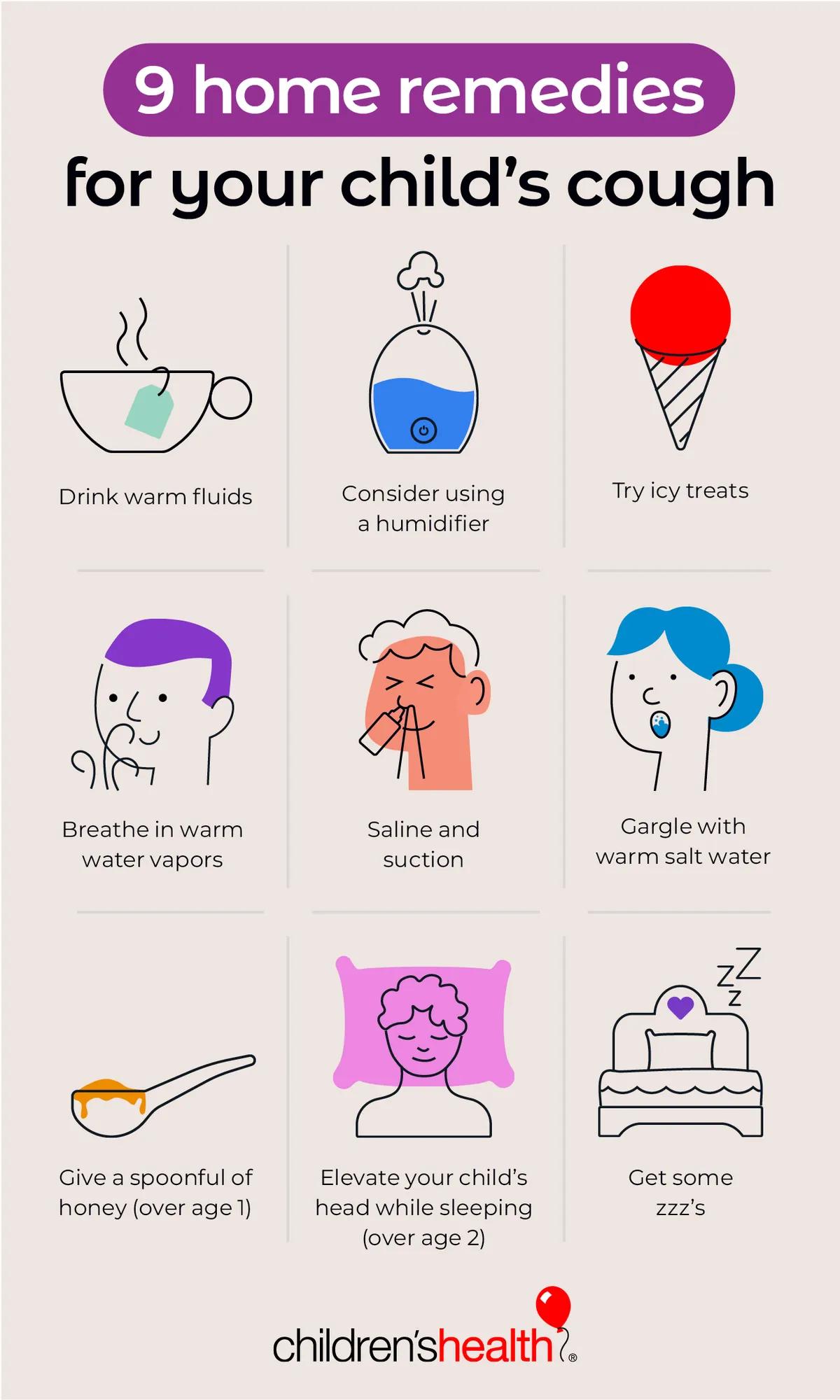
Grasping the Causes of Toddler Coughs
Why do toddlers cough? Coughing is often a good thing. It helps clear yucky stuff from their airways. Many things can make a toddler cough.
Common Reasons for Coughs
- Colds and Viruses: This is the most common reason. Colds make mucus. The cough helps get the mucus out. Kids get many colds each year.
- Flu: Like a cold but often worse. It can cause fever, body aches, and a bad cough.
- Allergies: Dust, pollen, pet dander can cause a cough. It’s the body reacting to these tiny things.
- Irritants in the Air: Smoke, strong smells, or even dry air can make a toddler cough.
- Post-Nasal Drip: Mucus running down the back of the throat from a stuffy nose. This tickles and makes them cough, especially when lying down.
Less Common, More Serious Causes
- Asthma: Airways get narrow and swell. This makes breathing hard and causes coughing, often with a wheezing sound.
- Bronchiolitis: Swelling in the smallest air passages in the lungs. It often starts like a cold but can cause trouble breathing, especially in young babies.
- Croup: An infection that swells the voice box and windpipe. It causes a barking cough, often worse at night. It might sound like a seal.
- Pneumonia or Bronchitis: Infections in the lungs or airways. These often come with other symptoms like fever and fast breathing.
- Whooping Cough (Pertussis): A serious germ infection. It causes coughing fits that end with a gasp or “whoop” sound. Babies and young children need shots to prevent this.
- Something Stuck: A tiny toy part or food piece stuck in the airway. This is sudden and needs fast help.
Knowing the cause helps pick the right natural cough relief for toddlers. Most times, it’s a cold.
Simple Ways to Comfort a Coughing Toddler
Even if you don’t know the exact cause, some simple things help almost any toddler cough. These are gentle ways to give toddler cough remedies right at home.
Keep Them Hydrated
Giving your toddler lots of fluids is very important. Drinks help thin mucus. Thin mucus is easier to cough up.
- Water: Always a great choice.
- Warm clear fluids: Chicken broth or warm apple juice can be soothing. Warm drinks can help calm a cough.
- Popsicles: These can help sore throats and give fluids too.
- Breast milk or formula: If your toddler still drinks these, keep giving them often.
Avoid sugary drinks like soda. Plain water and warm options are best for natural cough relief for toddlers.
Make the Air Moist
Dry air can make a cough worse, especially a dry cough toddler remedy often needed is adding moisture to the air.
- Use a Humidifier: A cool-mist humidifier for toddler cough relief adds moisture to the air they breathe. Put it in their room, but not too close to the crib or bed. Make sure to clean it every day. Germs can grow in humidifiers if they are not cleaned well.
- Steamy Bathroom: Sit with your toddler in a bathroom with the shower running hot water. Don’t get in the shower. Just sit in the steamy air for about 10-15 minutes. This can help loosen mucus.
Elevate Their Head
Lying flat can make post-nasal drip worse. It can make coughing fits happen more at night.
- Use an Extra Pillow: If your toddler is old enough (usually over age 2) and sleeps safely with pillows, adding one can help raise their head slightly.
- Put Something Under the Mattress: For younger toddlers, you can put a pillow or rolled-up towel under one end of the mattress. This gently lifts the head of the bed. Never put loose pillows or blankets in the crib with very young babies because of SIDS risk.
These simple steps are key home remedies for toddler cough and can make a big difference in how they feel.
Exploring Specific Home Remedies for Toddler Cough
Many parents look for natural ways to help their toddlers cough. Here are some popular toddler cough remedies that use things you might already have.
The Power of Honey
Is honey good for a toddler cough? Yes, for toddlers over one year old! Honey is a natural cough reliever. It coats the throat and can calm coughing.
- Why Honey Works: It’s thick and sticky. It forms a coating in the throat. This can stop the tickle that makes them cough. Studies show honey can work as well as some cough medicines for nighttime coughs in children over age 1.
- How to Give Honey:
- Give 1/2 to 1 teaspoon of honey before bedtime.
- Mix honey in warm milk or warm water with a little lemon (lemon is just for taste, it doesn’t medically help the cough).
- Give it plain from a spoon.
- Important Age Rule: Never give honey to babies younger than one year old. It can cause a serious type of food poisoning called botulism in infants.
- Best Type of Honey: Any pure honey will work. Manuka honey is sometimes talked about, but regular honey is fine and cheaper.
Honey for toddler cough is a very popular and effective natural cough relief for toddlers, but remember the age limit.
Warm Liquids and Broth
Warm drinks are soothing. They can help loosen mucus and calm a sore throat.
- Warm Apple Juice: Slightly warm, unsweetened apple juice can be comforting.
- Chicken Broth: Warm chicken broth is good for getting fluids and can help thin mucus. Make sure it’s not too hot.
- Warm Milk: Plain warm milk or warm milk with a tiny bit of honey (for toddlers over 1) can be very soothing before bed.
These warm liquids are simple home remedies for toddler cough that also keep them hydrated.
Saline Nose Spray or Drops
Often, a cough is caused by mucus from the nose dripping down the throat (post-nasal drip). Clearing the nose helps the cough.
- How it Helps: Saline is just salt water. Putting a few drops or a gentle spray in the nose helps thin mucus. It makes it easier to blow or suction out.
- How to Use:
- Lay your toddler down.
- Put 1-2 drops or a quick spray in each nostril.
- Wait a few seconds.
- Have them blow their nose if they are old enough. For younger toddlers, use a bulb syringe or nasal aspirator to gently suck out the mucus.
- When to Use: Before feeding or sleeping can be helpful.
Clearing the nose with saline is a simple but effective part of toddler cough remedies, especially for coughs linked to a stuffy nose.
Chest Rubs (with care)
Some parents like using chest rubs. These often contain things like eucalyptus or menthol.
- Caution: Be very careful with chest rubs on young children. Many products are not safe for toddlers, especially those under age 2. The strong smells can sometimes make breathing harder for little ones.
- Safer Options: Look for chest rubs made specifically for babies or toddlers. These often use milder ingredients like petroleum jelly with calming scents like lavender, but without strong menthol or eucalyptus.
- How to Use: If you use a safe product, rub a little on their chest and throat. The warmth and smell might provide some comfort, but don’t rely on this as a main treatment.
Always read labels carefully and check the age limits on any chest rub product.
Addressing Different Cough Types
Toddler cough remedies can work differently depending on the type of cough. There are usually two main types: dry cough and wet cough.
Tackling a Dry Cough Toddler Remedy
A dry cough doesn’t bring up mucus. It often sounds hacking or tickly. It can be caused by irritation or the start of a cold.
- Why it Happens: The airways are irritated, but not full of mucus yet.
- Best Remedies:
- Honey (for over 1s): Great for coating the throat and stopping the tickle.
- Warm Liquids: Soothe the irritated throat.
- Humidifier: Adds moisture to the air, which can calm the irritation.
- Avoid Irritants: Keep them away from smoke, strong perfumes, or dusty rooms.
A dry cough toddler remedy focuses on soothing the throat and reducing irritation.
Giving Wet Cough Toddler Relief
A wet cough sounds gurgly or chesty. It means there is mucus or phlegm in the airways. The cough is helping to get it out.
- Why it Happens: The body is making mucus because of infection or irritation.
- Best Remedies:
- Hydration: Drinking lots helps thin the mucus.
- Humidifier: Makes mucus thinner and easier to cough up.
- Steamy Bathroom: Same reason as the humidifier – helps loosen mucus.
- Saline Nose Spray/Drops: If the wet cough is linked to a runny nose and post-nasal drip, clearing the nose helps reduce the source of the mucus.
Wet cough toddler relief focuses on thinning and helping to clear the mucus. Don’t try to stop a wet cough completely, as it’s helping them get better.
Helping Your Toddler Cough Less at Night
Coughs often seem worse at night. This is because lying down lets mucus gather in the throat. It can also be because there are fewer distractions at night, so the cough seems more noticeable. Learning how to treat toddler cough at night is key for sleep.
Create a Sleep-Friendly Zone
- Use a Humidifier: A cool-mist humidifier for toddler cough relief is especially helpful overnight.
- Elevate Head: Gently raising the head of the bed helps gravity work against post-nasal drip. Remember safe sleeping rules for age.
- Keep Air Clear: Make sure the room is free of smoke or strong smells.
Offer Soothing Before Bed
- Warm Drink: A warm mug of milk or a little warm water with honey (if over 1) right before bed can coat the throat.
- Honey Dose: Give a dose of honey (1/2 to 1 teaspoon) about 30 minutes before sleep for toddlers over age 1.
- Saline Rinse: Clear a stuffy nose with saline drops/spray before putting them down.
Be Prepared for Night Wakings
Keep tissues, water, and maybe the honey or saline spray near the bed. Sometimes a quick cuddle and a drink are all they need to settle back down.
Knowing how to treat toddler cough at night means focusing on making the environment comfortable and using remedies that soothe the throat and clear airways before sleep.
When Home Remedies Are Not Enough: When to Worry About Toddler Cough
Most toddler coughs get better on their own with time and home care. But sometimes, a cough is a sign of something more serious. It is very important to know when to worry about toddler cough and call a doctor.
Signs You Should Seek Medical Help
Look for these signs. If you see them, call your pediatrician or go to an urgent care center.
- Trouble Breathing: This is a major sign.
- Breathing much faster than usual.
- Working hard to breathe (you might see their chest sink in below the ribs or their nose flare out).
- Wheezing (a high-pitched whistling sound when they breathe out).
- Making grunting sounds when breathing.
- Lips or face look bluish.
- High Fever: For toddlers (over 3 months), a fever over 102°F (39°C) is a reason to call. For babies under 3 months, any fever needs to be checked by a doctor.
- Cough Sounds Serious:
- A barking cough (like a seal) with noisy breathing (might be croup).
- A cough with a “whoop” sound after coughing fits (might be whooping cough).
- Coughing Up Thick Yellow, Green, or Bloody Mucus: Especially if they also have a fever.
- Cough Lasts a Long Time: A cough that doesn’t get better after 2-3 weeks, or keeps coming back.
- Chest Pain: If they say their chest hurts when they cough or breathe.
- Lethargy: They are very sleepy, not interested in playing, or hard to wake up.
- Dehydration Signs: Not peeing much, crying without tears, very dry mouth.
This is not a full list, but these are key things to watch for. Trust your gut. If you feel like something is wrong, call the doctor. It’s always better to be safe.
Understanding When Symptoms Get Worse
Sometimes, a cold starts with a simple cough, but then it gets worse. Watch for symptoms that start mild but become severe. For example, a mild cough with a runny nose that turns into fast breathing and wheezing. This means it’s time to get medical help.
Table: When to Call the Doctor for Toddler Cough
| Symptom | What it Might Mean | Action |
|---|---|---|
| Trouble breathing | Asthma, Bronchiolitis, Pneumonia | Call Doctor / Seek Care |
| High fever (for age) | Infection (Flu, Pneumonia etc.) | Call Doctor |
| Barking cough (Seal-like) | Croup | Call Doctor / Seek Care |
| “Whooping” sound after fits | Whooping Cough | Call Doctor / Seek Care |
| Coughing up colored mucus | Possible infection | Call Doctor |
| Cough lasts > 2-3 weeks | Other causes, chronic issue | Call Doctor |
| Chest pain | More serious issue | Call Doctor |
| Very sleepy/hard to wake | Serious illness | Call Doctor / Seek Care |
Knowing these signs helps you decide when toddler cough remedies at home are enough and when you need a doctor’s help.
Reviewing Home Remedies and Prevention
Let’s recap some key toddler cough remedies and how to use them simply. We’ll also touch on ways to help prevent coughs in the first place.
Quick Guide to Natural Cough Relief for Toddlers
| Remedy | How it Helps | How to Use | Age Limit | Type of Cough (Often) |
|---|---|---|---|---|
| Honey | Coats throat, calms cough | 1/2 – 1 tsp straight or in warm liquid | Over 1 Year | Dry or Wet |
| Warm Liquids | Soothes throat, thins mucus | Warm water, juice, broth, milk (not hot!) | Any Age | Dry or Wet |
| Humidifier (Cool Mist) | Adds moisture to air | Place in room (clean daily) | Any Age | Dry or Wet |
| Steamy Bathroom | Loosens mucus | Sit with child in steamy room (not in shower) | Any Age | Wet or Dry |
| Saline Spray/Drops | Clears nasal mucus | 1-2 drops/spray in each nostril, then clear nose | Any Age | Especially Wet (from PND) |
| Elevate Head | Helps with post-nasal drip | Pillow (over 2) or under mattress (any age) | Any Age (safely) | Especially at Night |
These home remedies for toddler cough are easy to try and focus on comfort and helping the body heal. They are often the first step for parents looking for natural cough relief for toddlers.
Helping Prevent Coughs
While you can’t stop every cough, some habits help keep your toddler healthy.
- Good Hand Washing: Wash hands often with soap and water for 20 seconds. This is the best way to stop germs from spreading. Teach your toddler to wash their hands well.
- Avoid Sick People: Try to keep your toddler away from others who are coughing or sick.
- Clean Toys and Surfaces: Clean things your toddler touches often.
- Healthy Food and Sleep: A healthy body fights off germs better.
- Get Vaccinations: Make sure your toddler has all their recommended shots, including the flu shot each year. These protect against serious illnesses that cause bad coughs.
Taking these steps can reduce how often your toddler gets sick, which means fewer coughs!
Putting it all Together: A Plan for Toddler Cough Relief
When your toddler starts coughing, don’t panic. Start with simple, safe home remedies.
- Watch and Listen: What does the cough sound like? When does it happen most? Are there other symptoms?
- Start Simple Remedies: Offer fluids, use a humidifier, try saline. These are gentle toddler cough remedies.
- Consider Honey (if over 1): Especially helpful for nighttime coughs (how to treat toddler cough at night).
- Adjust for Cough Type: Use methods that soothe for dry cough toddler remedy. Use methods that thin mucus for wet cough toddler relief.
- Monitor: Keep a close eye on your toddler. Are they getting better, staying the same, or getting worse?
- Know When to Call: Be ready to contact the doctor if you see any worrying signs (when to worry about toddler cough).
Using these natural cough relief for toddlers approaches can help your little one feel more comfortable while their body fights off the bug. Remember, the goal is comfort and support, not always stopping the cough completely, especially if it’s helping clear mucus.
Frequently Asked Questions
Here are answers to common questions about toddler coughs and home care.
Q: Can I give my toddler over-the-counter cough medicine?
A: It’s generally not recommended for toddlers. Studies show they don’t work well for young children and can have side effects. The American Academy of Pediatrics advises against using them for kids under 4 years old. Always ask your doctor before giving any medicine to your toddler. Home remedies for toddler cough are usually safer and often more effective for comfort.
Q: How long does a toddler cough usually last?
A: A cough from a cold can last for 1-3 weeks, sometimes even longer. The worst part is usually in the first few days. It often gets better slowly. If it lasts much longer than 3 weeks or gets worse, see the doctor (when to worry about toddler cough).
Q: Is a nighttime cough worse than a daytime cough?
A: Coughs often seem worse at night. This is partly because of lying flat (post-nasal drip) and partly because there are no daytime distractions. It can also be a sign of a deeper cough. Focusing on how to treat toddler cough at night with humidifiers and elevation can help.
Q: Can essential oils help a toddler’s cough?
A: Be very careful with essential oils and toddlers. Many are not safe for them. Breathing in strong vapors can sometimes harm their lungs or cause other problems. It’s best to stick to proven, safe home remedies for toddler cough like honey, steam, and hydration. Never put essential oils directly on their skin without diluting, and never let them swallow oils.
Q: What if my toddler coughs so much they throw up?
A: Coughing fits, especially wet coughs with lots of mucus, can sometimes make toddlers gag and throw up. This can be upsetting to see, but it’s not always a sign of something serious. It often happens after a big coughing spell because mucus came up. Keep them hydrated. If they are throwing up often, can’t keep fluids down, or seem very sick, call the doctor (when to worry about toddler cough).
Q: Can dry air cause a toddler cough?
A: Yes, dry air can irritate the airways and lead to a dry, hacking cough. This is why a humidifier for toddler cough relief is often recommended, especially in winter when indoor air is dry.
Using natural cough relief for toddlers focuses on making your child comfortable and supporting their body as it heals. By knowing the causes of toddler cough, trying simple home remedies, and watching for signs that need a doctor’s attention, you can help your little one get through their cough more easily.