
Image Source: assets.childrens.com
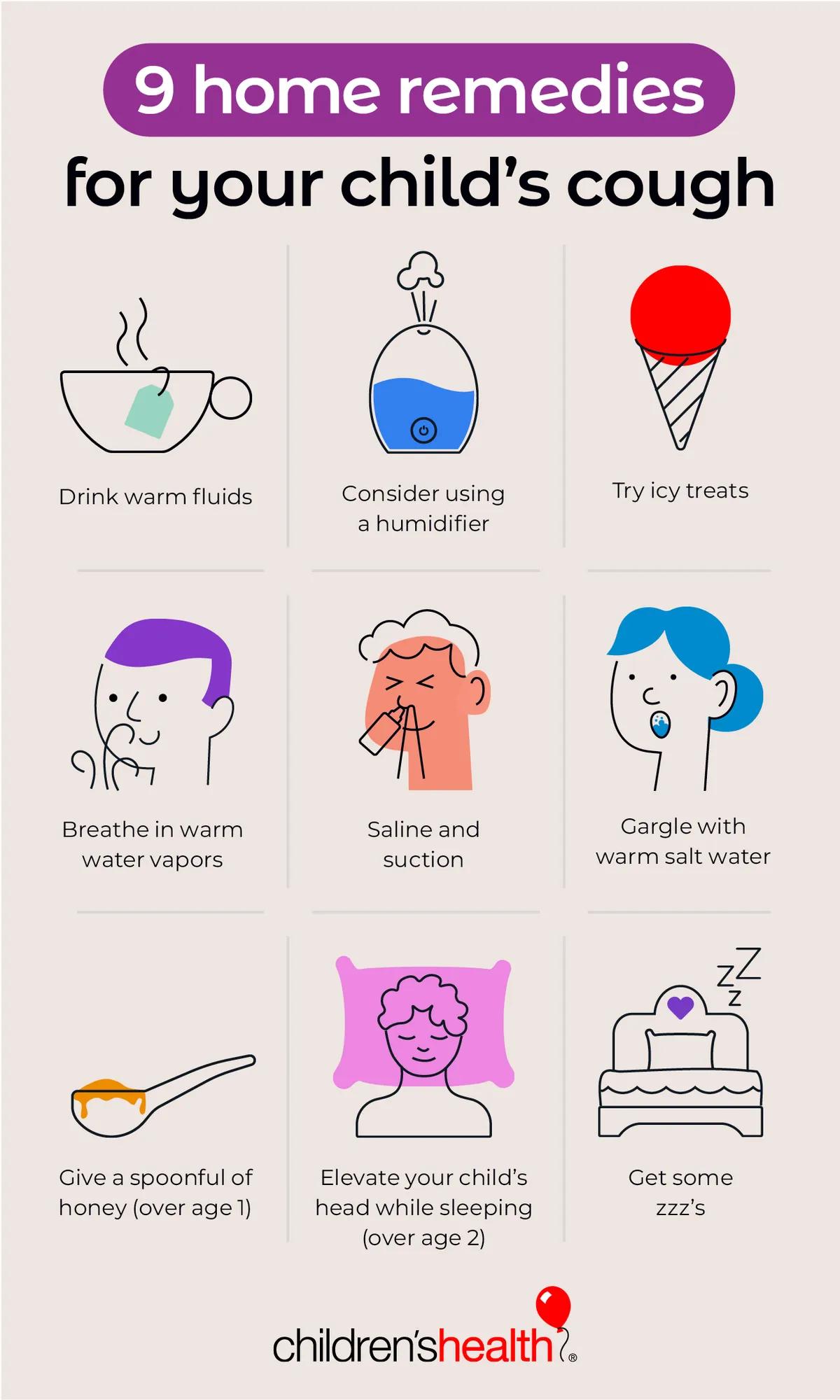
Expert Tips: How To Help Cough In Toddler & Soothe Symptoms
How can you help a cough in your toddler? Helping your toddler’s cough often involves simple, gentle methods to ease their symptoms and make them more comfortable, especially using toddler cough remedies that focus on comfort and support rather than strong medicines. Coughing helps clear mucus and irritants from their airways, so it’s a helpful body response. But it can be tough to see your little one struggle.
Toddlers cough for many reasons. It could be a cold, the flu, or even something simple like sniffing in dust. Sometimes, it’s just a way for their body to get rid of extra spit or bits of food. Finding out why they are coughing helps you choose the best ways to help.
Discovering Why Toddlers Cough
A cough is not a sickness itself. It is a sign that the body is trying to get something out of the throat or lungs. For toddlers, this can happen often because their immune systems are still growing.
Common reasons for coughs in toddlers include:
- Colds and Flu: These are the most common reasons. The cough can be dry at first and then become wet as mucus builds up.
- Bronchiolitis: This is a common chest infection in young children. It often starts like a cold but leads to wheezing and coughing.
- Croup: This causes a cough that sounds like a seal barking. It is often worse at night. It happens when the airway below the voice box swells.
- Asthma: Some toddlers develop asthma. Coughing can be a sign, especially with activity or at night.
- Allergies: Pollen, dust mites, or pet dander can cause a cough.
- Irritants: Smoke, strong smells, or dry air can make a toddler cough.
- Something Stuck: Very rarely, a small object or piece of food can get stuck in the airway. This needs urgent medical help.
Watching how your toddler’s cough sounds and when it happens gives you clues. Is it wet or dry? Does it happen mostly at night? Does it sound like a bark? These details help you figure out the best ways to offer comfort.
Gentle Ways to Soothe Your Toddler’s Cough
Using gentle toddler cough remedies is usually the first step. These are ways to make your child feel better without giving them cough medicines. Many over-the-counter cough and cold medicines are not safe or helpful for young children. Always talk to your doctor before giving any medicine to a toddler.
Here are some simple, safe methods to try:
- Keeping them hydrated.
- Using moisture in the air.
- Helping them rest well.
- Keeping their head a little higher.
- Trying certain foods or drinks (for older toddlers).
Let’s look at these ways in more detail.
The Importance of Fluids
Making sure your toddler drinks enough is very important. Liquids help thin the mucus in their airways. This makes it easier for them to cough it up or swallow it.
- Offer water often.
- Give them clear broths like chicken soup.
- Milk or formula is fine too, if they usually drink it.
- Avoid sugary juices or sodas.
Staying hydrated helps their whole body fight off the sickness causing the cough. It also soothes a sore throat that can come with lots of coughing.
Using Moisture to Ease Breathing
Dry air can make a cough worse, especially a dry cough. Adding moisture to the air can help soothe airways and loosen mucus.
Utilizing a Humidifier
A humidifier for toddler cough is a great tool. It puts cool mist into the air. This moist air helps calm irritated airways. It also helps loosen thick mucus in their chest and nose.
- Use a cool-mist humidifier. Warm-mist ones can cause burns.
- Put it in your toddler’s room, but not too close to their crib or bed.
- Fill it with clean water daily.
- Clean the humidifier often following the directions. This stops mold and bacteria from growing, which can make things worse.
Using a humidifier at night can be especially helpful for nighttime cough toddler help. The moist air can make it easier for them to breathe while sleeping and reduce coughing fits.
Trying a Steam Shower
Another way to use moisture is with steam. A steam shower toddler cough method works well for loosening congestion quickly.
- Turn on the hot water in your bathroom shower.
- Close the bathroom door to trap the steam.
- Do not put your child in the shower.
- Sit with your child in the steamy bathroom for about 10-15 minutes.
- Bring books or toys to make it a calm time.
The warm, moist air helps open airways and loosen mucus. This can provide toddler chest congestion relief. Be careful not to let the room get too hot. Make sure the door handle isn’t hot before leaving.
Easing a Dry Cough
A dry cough relief toddler approach focuses on soothing irritation. A dry cough often sounds hacking and does not bring up mucus. It can be very annoying and make it hard to sleep.
- Moist Air: Using a humidifier or steam helps a lot.
- Liquids: Giving sips of water can soothe a scratchy throat.
- Honey: For toddlers over one year old, a small amount of honey can coat the throat and calm the cough reflex. More on this below.
Dry coughs are common at the start of a cold or after it has mostly passed. They can also be a sign of irritants or allergies.
Helping with Chest Congestion
When a toddler has a wet, rattling cough, they likely have toddler chest congestion relief needs. This means there is mucus in their airways that their body is trying to cough out.
- Hydration: Again, drinking fluids is key to thinning mucus.
- Humidifier/Steam: Moist air helps loosen mucus.
- Position: Keeping their head slightly raised during sleep can help mucus drain. Use an extra pillow under the mattress or put blocks safely under the crib legs at the head end (check safety guidelines for cribs). Do NOT use pillows in the crib with a toddler due to suffocation risk.
- Gentle Chest Patting: Sometimes, gently patting your toddler’s back or chest can help loosen mucus. Hold your hand cupped and gently pat their back or chest. Do this for a few minutes a couple of times a day. This is called chest physical therapy. Ask their doctor if you are unsure how to do it.
Avoid giving decongestants or expectorants to toddlers unless a doctor tells you to. These medicines can have side effects and are not proven safe or effective for very young children.
Dealing with Nighttime Coughs
Coughs often seem worse at night. Lying flat can make mucus pool and trigger coughing fits. Getting nighttime cough toddler help is important so everyone can rest.
- Humidifier: Running a cool-mist humidifier in their room is very helpful.
- Elevate Head: Safely raising the head of their bed can help drainage.
- Honey (for over 1s): A teaspoon of honey before bed can soothe the throat.
- Sips of Water: Keep a sippy cup of water nearby for sips if they wake up coughing.
- Steamy Bathroom: A short session in a steamy bathroom before bed can help clear airways for sleep.
Keeping the bedroom air clean and free of irritants like smoke is also vital for a good night’s rest.
Natural and Home-Based Remedies
Many parents look for natural cough remedies toddler options. These focus on comfort, hydration, and using simple things you might have at home.
Honey: A Sweet Soother
Honey for toddler cough is a well-known remedy. Studies show it can be as effective as some cough medicines for soothing coughs in older children.
- Important: Only give honey to children over one year old. Honey can contain bacteria that is very harmful to babies under 12 months.
- Give half a teaspoon to a teaspoon of honey.
- You can give it straight or mix it in warm water or milk (again, if over 1 year old).
- Give it a few times a day, especially before bed.
Honey coats the throat, reducing irritation and the urge to cough. It’s a simple and often effective option for toddlers over the age limit.
Other Gentle Options
- Warm Liquids: Warm water, clear broth, or warm milk (for over 1s) can be soothing.
- Saline Nose Drops or Spray: If the cough is due to post-nasal drip (mucus dripping down the back of the throat), clearing the nose can help. Use saline drops or spray followed by gentle suctioning if needed. Keeping the nose clear reduces the amount of mucus irritating the throat.
- Rest: Allow your toddler plenty of rest. Sleep helps their body heal.
- Comfort: Extra cuddles and comfort always help a sick child feel better.
Remember, natural does not always mean safe for all ages. Always check age guidelines for any remedy, including natural ones.
When to Seek Medical Advice
While most toddler coughs are due to simple viruses and get better on their own, it’s important to know when to see doctor toddler cough. Certain signs mean your child needs medical attention quickly.
Look out for these warning signs:
- Trouble Breathing: Breathing very fast, working hard to breathe (you might see their ribs show or their nose flare), or making a whistling sound (wheezing) or high-pitched sound (stridor) when breathing in.
- Bluish Lips or Face: This is a sign they are not getting enough oxygen. Call emergency services right away.
- Barking Cough with Breathing Issues: If a croup-like cough (barking sound) is combined with difficulty breathing, seek medical help. A short time in cool night air or a steamy bathroom might help temporarily, but they still need to be seen.
- High Fever: For toddlers, a fever of 103°F (39.4°C) or higher can be a concern.
- Coughing Up Thick, Colored Mucus: Green or yellow mucus can be a sign of a bacterial infection, though viruses can also cause this. Check with your doctor.
- Lethargy: If your child is unusually tired, sleepy, and hard to wake up.
- Dehydration Signs: Crying without tears, sunken eyes, fewer wet diapers than usual.
- Cough After Choking: If the cough started suddenly after eating or playing with small objects, they might have inhaled something. This is an emergency.
- Cough Lasting a Long Time: A toddler persistent cough that lasts for more than 3-4 weeks should be checked by a doctor. This could be a sign of allergies, asthma, or other issues.
Trust your gut. If you are worried about your child’s cough, even if they don’t have these specific signs, call their doctor. It’s always best to be sure.
Addressing a Persistent Cough
A toddler persistent cough is one that lingers for weeks. As mentioned, this is a reason to visit the doctor. It is not typical for a simple cold cough to last for a month or more.
Possible causes of a persistent cough include:
- Post-viral Cough: Sometimes a cough lingers for a while even after the main sickness is gone.
- Allergies: If the cough is worse at certain times of the year or in certain places (like indoors), allergies could be the cause.
- Asthma: Coughing, especially at night, can be a sign of asthma in toddlers.
- Sinus Infection: Mucus from a sinus infection can drip down the throat and cause a chronic cough.
- Exposure to Irritants: Ongoing exposure to smoke, mold, or other irritants can cause a cough that doesn’t go away.
- Less Common Causes: Sometimes persistent coughs are due to other conditions that a doctor needs to check for.
The doctor will ask questions about the cough, your child’s health history, and do an exam. They might suggest tests depending on what they suspect is causing the long-lasting cough. Do not ignore a cough that won’t go away.
Keeping Your Toddler Comfortable
While you help your toddler with their cough, focusing on their overall comfort is key.
- Plenty of Rest: Encourage naps and ensure a good sleep environment.
- Healthy Food: Offer nutritious foods, even if they eat less than usual. Liquids are more important than solids when sick.
- Clean Air: Keep their environment free of smoke, strong perfumes, and other things that can irritate airways.
- Distraction: Offer quiet activities, books, or gentle play to keep them distracted from feeling unwell.
Remember that a cough is part of the body’s healing process. Your goal is to support their body and ease the uncomfortable symptoms safely.
Summary of Key Toddler Cough Remedies
| Remedy | How it Helps | Age Considerations | Notes |
|---|---|---|---|
| Fluids | Thins mucus, soothes throat, aids healing | All ages | Water, broth, clear liquids; avoid sugary drinks |
| Humidifier | Adds moisture to air, loosens mucus | All ages | Use cool-mist; clean often; place safely away from bed |
| Steam Shower | Loosens mucus quickly | All ages | Sit in steamy bathroom (not shower); do for 10-15 mins |
| Honey | Coats throat, calms cough reflex | Only for toddlers OVER 1 year | 1/2 to 1 tsp; straight or mixed; effective for dry cough |
| Elevated Head | Helps mucus drain, aids nighttime comfort | All ages (use safely!) | Pillow under mattress or safely lift crib legs; no pillows IN crib |
| Saline Spray/Drops | Clears nasal passages, reduces post-nasal drip | All ages | Use before feeding or sleep; gentle suction if needed |
| Rest | Helps body recover | All ages | Encourage naps and calm playtime |
| Chest Patting | Helps loosen mucus | All ages (ask doctor first) | Use cupped hand on back/chest for a few minutes |
This table summarizes common toddler cough remedies. Always prioritize safety and consult a doctor if you have concerns or if symptoms worsen.
Preventing Colds and Coughs
While you can’t stop every cough, you can take steps to reduce how often your toddler gets sick.
- Handwashing: Wash hands often with soap and water. Teach your toddler to do the same.
- Avoid Sick People: Keep your toddler away from people who are sick when possible.
- Clean Surfaces: Clean toys and surfaces that are touched a lot.
- Healthy Habits: Make sure your toddler eats well, gets enough sleep, and is active.
- Vaccines: Keep up with recommended vaccinations, including the flu shot each year.
Good health habits can make a big difference in keeping your toddler healthy.
FAQ About Toddler Coughs
h5 Is it okay to give my toddler cough medicine?
Most over-the-counter cough and cold medicines are not recommended for toddlers (children under 4-6 years old). They can have serious side effects and do not often help the cough. Simple remedies like honey (for over 1s), fluids, and humidifiers are usually safer and just as helpful for soothing symptoms. Always talk to your doctor before giving any medicine to your toddler.
h5 Can I give honey to my 8-month-old’s cough?
No, never give honey to babies under one year old. Honey can contain spores that cause infant botulism, a rare but serious illness. Honey is only safe for children over 12 months of age.
h5 How high should I elevate my toddler’s head when they have a cough?
You want to gently raise the head of the bed. For a crib, place firm, flat objects (like books or blocks) safely under the legs at the head end. Make sure the crib is stable. For a toddler bed, you can place a firm pillow under the mattress at the head end. Never put pillows in the crib with a toddler due to the risk of suffocation. A slight incline is usually enough.
h5 How long do toddler coughs usually last?
A cough from a common cold can last for 1-3 weeks. Sometimes it lingers for a bit even after other symptoms are gone. However, a toddler persistent cough lasting more than 3-4 weeks needs to be checked by a doctor to rule out other causes like asthma or allergies.
h5 Can a humidifier make my toddler’s cough worse?
If a humidifier is not cleaned properly, it can spread mold or bacteria into the air. This can irritate airways and potentially make a cough worse or cause other problems. Always use clean water and follow the cleaning instructions for your specific humidifier model. Using a cool-mist type is also important for safety.
h5 Is a barking cough always croup?
A barking cough is a classic sign of croup because it sounds like a seal. Croup is swelling in the upper airway. If your toddler has a barking cough, especially with a raspy voice or noisy breathing (stridor), it is likely croup. Check with your doctor, especially if they have trouble breathing.
h5 What’s the difference between a dry cough and a wet cough?
A dry cough is hacking and does not bring up mucus. It often feels like an irritation or tickle in the throat. A wet cough sounds loose or rattling and often brings up mucus. It is also called a productive cough because it “produces” mucus. Different remedies might be better suited for each type (e.g., honey for dry, steam for wet/congested).
h5 How can I help toddler chest congestion relief at night?
Using a cool-mist humidifier for toddler cough in their room, safely elevating the head of their bed, and ensuring they are well-hydrated during the day can help reduce congestion and coughing fits at night. A brief session in a steam shower toddler cough room before bed can also loosen mucus.
h5 When should I worry about a toddler persistent cough?
You should see a doctor if your toddler has a cough that lasts for more than 3-4 weeks. This type of toddler persistent cough needs to be evaluated to understand the cause and get proper treatment if needed.
h5 Can allergies cause a cough in toddlers?
Yes, allergies can cause a chronic cough in toddlers. This cough is often dry or may be accompanied by nasal congestion and post-nasal drip (mucus running down the back of the throat). If you suspect allergies, talk to your doctor.
Final Thoughts on Soothing Coughs
Seeing your toddler cough can be upsetting. But remember, coughing is a normal way the body protects itself. For most coughs caused by colds, gentle care at home is the best approach. Focus on making your child comfortable with plenty of fluids, rest, and soothing moisture in the air using a humidifier for toddler cough or a steam shower toddler cough. Simple toddler cough remedies like honey (if they are old enough) can also help.
Pay close attention to your child’s breathing and overall condition. Know the signs of when to seek medical help, such as difficulty breathing or a toddler persistent cough. Don’t hesitate to call your doctor if you are worried. With patience, comfort, and the right simple remedies, your little one should be feeling better soon.