
The real answer to how much a toddler weighs is that there is no single number. It changes a lot based on their age, height, and other things. But, you can look at typical ranges. For example, the average weight for a 2-year-old girl is about 26.5 pounds (12 kg), and for a 2-year-old boy, it’s about 28 pounds (12.7 kg). These are just averages, and many children weigh more or less and are still perfectly healthy. This article will help you learn more about toddler weight, what is normal, and how to check your child’s growth.
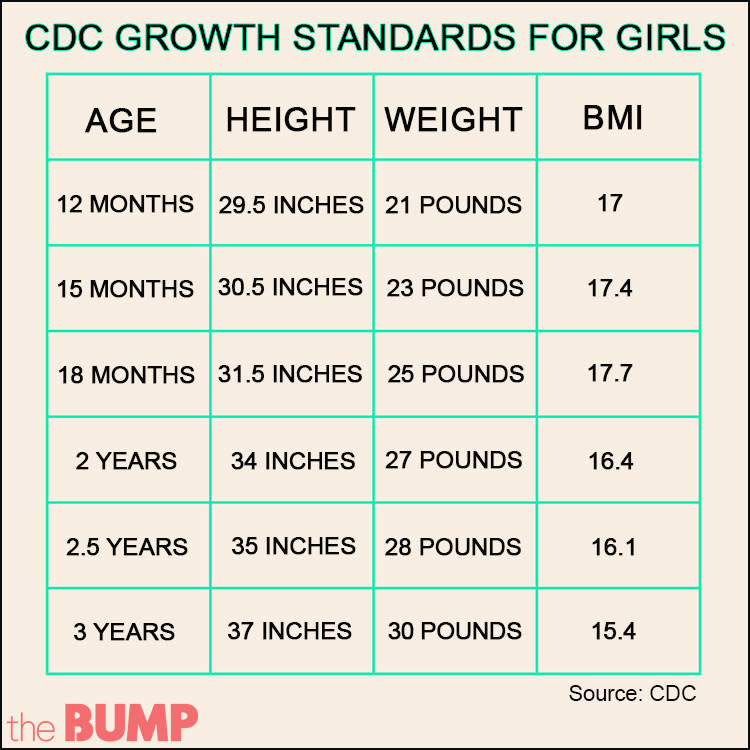
Image Source: images.ctfassets.net
Looking at Toddler Weight
Toddlers grow fast. But not always at the same speed. Their weight is an important sign of their health. Doctors check it at every visit. They use special tools called growth charts. These charts show how kids usually grow. They help doctors see if a child is growing as they should.
Weight is not the only thing that matters. Height is also very important. Doctors look at weight and height together. They also look at how a child’s weight changes over time. This pattern of growth is key. A child’s weight might be a bit high or low compared to the average. But if they follow their own growth line on the chart, it is often fine.
Parents often wonder, “Is my toddler underweight or overweight?” This is a common worry. Looking at a toddler weight chart can help. But it’s best to talk to your child’s doctor. They can look at the full picture. They know what is healthy for your child.
What Weight is Normal for Toddlers?
Toddlers are between 1 and 3 years old. Their weight changes a lot during these years. Babies gain weight very quickly. Toddlers gain weight more slowly. Their growth is steady, but not as fast as before.
Let’s look at some common ages for toddlers.
Checking 1-Year-Old Weight
A child’s weight at 1 year old is often about three times their birth weight. This is a common guide. But it is not true for everyone. For example, an 18-month-old weight is usually more than their weight at 1 year. They keep gaining, but not as much as in their first year.
Girls at 1 year old often weigh around 21 pounds (9.6 kg). Boys at 1 year old often weigh around 22.5 pounds (10.2 kg). Remember, this is just an average. Many healthy 1-year-olds weigh more or less.
Looking at 2-Year-Old Weight
The average weight for 2-year-old children is a bit higher. As mentioned before, it’s about 26.5 pounds for girls and 28 pounds for boys. By age 2, children’s growth rate slows down even more. They might not seem to be gaining weight as quickly as they were. This is normal. They are also getting much more active.
Finding What Should a 3-Year-Old Weigh
By age 3, toddlers are closer to being preschoolers. They are taller and heavier than at age 2. A typical 3-year-old girl might weigh around 31 pounds (14 kg). A typical 3-year-old boy might weigh around 33 pounds (15 kg). Again, these are just numbers in the middle. Many healthy 3-year-olds are outside this range.
Here is a simple table of average weights:
| Age | Average Weight (Girls) | Average Weight (Boys) |
|---|---|---|
| 1 year | 21 pounds (9.6 kg) | 22.5 pounds (10.2 kg) |
| 18 months | 23.5 pounds (10.7 kg) | 25 pounds (11.3 kg) |
| 2 years | 26.5 pounds (12 kg) | 28 pounds (12.7 kg) |
| 3 years | 31 pounds (14 kg) | 33 pounds (15 kg) |
These numbers are just guides. Do not worry if your child is not exactly on these numbers. Growth is different for every child. What is important is that your child is growing steadily and staying on their own growth path.
Using Growth Charts
Doctors use growth charts to track a child’s growth over time. These charts are pictures. They have lines that show how kids usually grow. The most common ones in the United States are the toddler growth chart CDC charts. CDC stands for the Centers for Disease Control and Prevention. They made these charts using data from many children.
Grasping Growth Charts
A growth chart plots your child’s height, weight, and head size at different ages. Each time your child sees the doctor, they measure these things. The doctor puts a dot on the chart for each measurement. Over time, these dots make a line. This line shows your child’s growth path.
There are different charts for boys and girls. This is because boys and girls grow in slightly different ways. There are also different charts for different ages. For toddlers, doctors use charts that go up to age 2, and then charts that go from age 2 to 20.
Looking at the chart helps the doctor see:
* If your child is growing steadily.
* If their growth path is changing suddenly.
* How your child’s size compares to other children their age.
Deciphering Toddler Weight Percentiles
Growth charts use something called percentiles. Percentiles compare your child’s measurement to other children of the same age and gender. For example, if your child is in the 50th percentile for weight, it means they weigh more than 50% of other children their age and gender. It also means they weigh less than the other 50%. The 50th percentile is the average.
If your child is in the 75th percentile for weight, they weigh more than 75% of other kids. If they are in the 10th percentile, they weigh more than only 10% of other kids.
Percentiles help you understand how your child’s size fits into the general group. But the number itself is not the most important thing. What matters more is that your child stays on a similar percentile line over time. If a child always tracks along the 25th percentile line for weight, that is often healthy for them. It means they are growing at a steady speed, just smaller than average.
If a child’s percentile line goes up or down sharply, this might need looking into. For example, if a child was always on the 50th percentile and suddenly drops to the 10th, the doctor will want to know why. This could be a sign of a health issue or not getting enough food. Going up very quickly might also need checking.
So, toddler weight percentiles are a tool. They show your child’s place among others. But the pattern of their growth line on the chart is more telling than one single number.
What is a Healthy Weight Range for Toddlers?
Instead of one perfect weight, there is a healthy weight range for toddlers. This range is not just numbers on a scale. It includes how the child is growing overall. A child is usually in a healthy weight range if:
- They are growing steadily along their percentile line on the growth chart.
- They are eating well and getting good nutrition.
- They are active and meeting their movement milestones.
- They have energy and seem healthy.
A child might be small for their age but still be healthy. This happens if they are growing steadily on a lower percentile line. They are just built smaller. Another child might be larger and be healthy if they are tracking on a higher percentile line.
The term ideal weight for toddler height is also helpful. Doctors look at weight-for-height. This shows if a child’s weight is healthy for their height. Growth charts also have lines for weight-for-height percentiles. If this is within a healthy range, it is a good sign. Being in the 50th percentile for both weight and height means your child is right in the middle for both measures. Being in the 75th percentile for both means they are larger than average but in proportion.
Concerns come up when the weight-for-height is very low (possibly underweight) or very high (possibly overweight). The CDC charts consider a weight-for-height percentile below the 5th percentile as underweight. A percentile between the 85th and 95th is considered overweight. Above the 95th percentile is considered obesity.
However, these are guides, not strict rules for every single child. A doctor looks at many things.
Factors Affecting Toddler Weight
Many different things can affect how much a toddler weighs. It is not just about how much they eat. These factors work together to shape a child’s growth.
Here are some key factors:
- Genetics: Children often take after their parents. If parents are small, the child might be small too. If parents are larger, the child might be larger. Genetics plays a big role in how fast and how big a child grows. This includes their natural body type.
- Nutrition: What a toddler eats is very important. Getting enough healthy food helps them grow well. Not getting enough calories or nutrients can slow growth and weight gain. Eating too many unhealthy foods high in sugar and fat can lead to gaining too much weight. Toddlers need a mix of fruits, vegetables, grains, protein, and dairy (or similar calcium sources).
- Activity Level: How active a toddler is affects their weight. Toddlers are naturally very active. They run, jump, climb, and play. This activity burns calories. Children who are less active might gain weight more easily if they eat a lot. Children who are very active might stay leaner even if they eat a lot.
- Health Conditions: Some health problems can affect weight. For example, certain stomach issues can make it hard for a child to take in nutrients, leading to being underweight. Some hormone problems can affect growth and weight. Long-term sickness can also impact weight. Getting sick often might cause temporary weight loss, but they usually catch up.
- Gender: Boys and girls have different average weights, as seen in the tables. Their growth patterns are slightly different.
- Birth Weight: A child’s birth weight can sometimes give a hint about their future size. Babies born very small might stay smaller children. Babies born larger might stay larger. But many children change their growth path in the first year or two.
- Feeding Style: How food is offered matters. Letting toddlers eat when they are hungry and stop when full (called responsive feeding) can help them learn good eating habits. Making them clear their plate or using food as a reward can sometimes lead to problems with weight later on.
All these things mix together. This is why each child grows differently. A doctor considers these factors when looking at a child’s weight and growth chart.
Checking if Toddler is Underweight or Overweight
It is natural for parents to worry about their child’s weight. You might look at your child and wonder, “is my toddler underweight or overweight?”
Signs that a toddler might be underweight could include:
* Not gaining weight steadily over time. Their line on the growth chart might be flat or dropping.
* Looking very thin, with ribs or hip bones showing clearly.
* Having low energy levels often.
* Getting sick very often.
* Not eating much at meals, or being very picky.
Signs that a toddler might be overweight could include:
* Gaining weight very quickly. Their line on the growth chart might be rising sharply.
* Being much larger or rounder than other kids their age.
* Sweating a lot, even when not very active.
* Finding it hard to move around easily compared to other kids.
* Having a weight-for-height percentile over the 85th line.
It is very important not to label toddlers as “fat” or “skinny”. Their bodies are still growing and changing. Focus on health, not just a number on the scale.
If you are worried about your child’s weight, the best thing to do is talk to their doctor. Do not try to make a toddler gain or lose weight on your own. This can be harmful. The doctor will:
- Look at your child’s full growth chart history.
- Give your child a check-up to see if they are healthy.
- Ask about what your child eats.
- Ask about how active your child is.
- Ask about your family history of weight and growth.
- Give you advice based on your child’s needs.
Sometimes, a child who seems underweight or overweight is perfectly healthy. They might just be following their own unique growth pattern based on genetics. Other times, a change might be needed. The doctor can help you figure this out.
Promoting Healthy Growth and Weight
You can help your toddler grow in a healthy way. Focus on good habits for the whole family.
Here are some tips:
- Offer Healthy Foods: Give your toddler a variety of healthy foods every day. Offer fruits, vegetables, whole grains, lean protein (like chicken, fish, beans), and dairy (milk, yogurt, cheese). Offer healthy fats from foods like avocado or nuts (if safe for toddlers).
- Limit Unhealthy Foods: Offer sugary drinks (juice, soda) and foods with lots of added sugar or unhealthy fats only sometimes, in small amounts. Water and milk are the best drinks.
- Have Regular Meal and Snack Times: Toddlers do well with a routine. Offer meals and snacks at regular times. This helps prevent them from getting too hungry or eating too much at once.
- Let Toddlers Choose How Much to Eat: You choose what healthy foods to offer and when. Let your toddler choose if and how much they eat from the healthy food offered. This helps them listen to their body’s hunger and fullness signals. Do not force them to eat more or less than they want.
- Encourage Activity: Let your toddler move their body every day. Go to the park, play in the yard, dance to music, go for walks. Toddlers need lots of chances to run, climb, and explore safely. Limit screen time (TV, tablets).
- Make it a Family Thing: Eat healthy meals together as a family. Be active together. Kids learn from watching you!
- Ensure Good Sleep: Sleep is important for growth and health. Most toddlers need about 11-14 hours of sleep a day, including naps.
- Go to Doctor Check-ups: Keep going to all your child’s check-ups. The doctor will measure their growth and make sure they are healthy.
Building healthy habits early helps children grow well. It sets them up for a healthy life.
Interpreting Growth Data
When you look at a toddler weight chart or hear about percentiles, it can feel confusing. It’s important to remember what the numbers mean and what they don’t mean.
The number on the scale on one day is just a snapshot. It tells you what your child weighs at that moment. But growth is a journey. It’s the path over time that matters.
Think of the growth chart lines like different roads. Some roads are higher (higher percentiles), and some are lower (lower percentiles). Most kids stay on roughly the same road as they grow. This steady path shows healthy growth for them. A child who is naturally small might travel on a lower road. A child who is naturally larger might travel on a higher road. Both can be healthy.
Concerns arise when a child suddenly switches roads, especially dropping to a much lower one or jumping to a much higher one. This is when the doctor looks closer to see why the change happened.
So, when you see your child’s weight or percentile:
* Don’t compare your child too much to friends’ kids or kids you see at the park. Every child is different.
* Look at your child’s own growth chart history. Is their line steady?
* Talk to your doctor about any worries. They are the best person to interpret the data for your child.
A child’s weight is one piece of the puzzle of their health. It needs to be looked at with their height, how active they are, what they eat, and their general well-being.
Grasping the Concept of Healthy Weight Range
The healthy weight range for toddlers is not about looking a certain way. It’s about having a weight that supports their health and development.
A child in a healthy weight range has enough energy to play and learn. Their body has the nutrients it needs to build strong bones and muscles, and for their brain to grow.
Being underweight can mean a child isn’t getting enough energy or nutrients. This can slow down growth, make them tired, or affect their ability to fight off sickness.
Being overweight can put extra stress on a child’s body. In toddlers, it might make it harder to move around easily. It can also raise the risk of health problems later in life.
The healthy range is wide because kids are different. Genetics plays a big part. Some families have generally smaller people, some have generally larger people. This is normal. As long as a child is growing well for them and staying on their growth curve, their weight is likely healthy.
Focus on habits, not just numbers. Providing healthy food options, lots of chances to play, and a loving environment supports healthy growth better than focusing just on the scale.
More on Factors Affecting Toddler Weight
Let’s look a little deeper into some of the factors that influence a toddler’s weight.
The Role of Sleep
We mentioned sleep briefly, but it’s worth noting its importance for growth. During deep sleep, children’s bodies release growth hormones. Not getting enough sleep can affect growth over time. Tired children might also be less active during the day, which can impact weight balance. Making sure your toddler gets enough restful sleep is a key part of supporting their overall health and growth.
The Impact of Early Feeding
How a baby is fed (breast milk or formula) can have some effect on growth patterns, though many factors contribute. For toddlers, the move to solid foods is a big one. Offering a wide variety of textures and tastes early on can help toddlers be less picky eaters later. A toddler who eats many different healthy foods is more likely to get all the nutrients they need for healthy growth.
Family Environment and Habits
The home environment greatly impacts a child’s weight. If the family eats mostly healthy foods, is active together, and has regular routines, the child is likely to pick up these habits. If unhealthy snacks are always available, screen time is high, and active play is rare, it can make it harder for a child to maintain a healthy weight. Changes for a child often mean changes for the whole family.
Stress and Emotions
Although less common than in older children or adults, stress and emotional well-being can sometimes affect a toddler’s eating and weight. Major changes like moving, a new sibling, or starting daycare can sometimes impact appetite or lead to changes in eating habits.
All these factors show that a toddler’s weight is complex. It’s not just about calories in and calories out. It’s about a child’s whole life and health.
When to Seek Help
Most of the time, a toddler’s growth is healthy even if it doesn’t match the average exactly. But there are times when it’s important to get advice from a doctor.
You should talk to your child’s doctor if:
* Your child’s weight percentile line on the growth chart is dropping or rising very quickly.
* Your child’s weight-for-height percentile is below the 5th or above the 95th line.
* Your child seems much smaller or larger than other kids their age, and you are worried.
* Your child is not eating much at all.
* Your child is eating a lot but not gaining weight.
* Your child seems very tired or has low energy often.
* You are trying to figure out if your toddler is underweight or overweight and need clear information about your child.
* You have concerns about your child’s eating habits (very picky, eating too much, etc.).
* You are worried about your child’s body image (though this is less common in toddlers, setting a healthy tone early is good).
A doctor can look at all the details. They can tell you if your child’s weight is in a healthy range for them. They can also check for any health reasons that might be affecting weight. They can give you ideas on how to support your child’s healthy growth through food and activity.
Remember, early help is always best. If you have a question or worry, it is always okay to call your doctor’s office.
Summarizing Toddler Weight
So, how much does a toddler weigh? There is no single weight. It varies greatly by age, height, and the child’s own body.
- Typical Averages: range from about 21-22.5 pounds at 1 year to 31-33 pounds at 3 years.
- Growth Charts: are key tools doctors use to see how a child is growing over time.
- Percentiles: show how a child compares to others their age and gender, but the pattern of growth is more important than one number.
- Healthy Weight Range: means a child is growing steadily on their curve, eating well, and active. It is not one specific weight.
- Factors: like genetics, food, activity, and health all play a role.
- Concerns: about being underweight or overweight should always be discussed with a doctor, not handled alone.
Focusing on healthy habits for the family is the best way to support your toddler’s healthy weight and overall growth. Celebrate their growth journey, whatever their size!
Frequently Asked Questions (FAQ)
h4: My toddler seems small compared to others. Is that okay?
Yes, it can be perfectly okay. Children grow differently. Some kids are just naturally smaller. The most important thing is that your child is growing steadily along their own curve on the growth chart. If they are active, eating well, and meeting developmental steps, their smaller size is likely just how they are built. Talk to your doctor if you are worried, but try not to compare them too much to other kids.
h4: What if my toddler’s weight dropped a little?
A small, temporary drop in weight can happen if a toddler has been sick. Once they feel better, they usually gain it back. If the weight drop is large, or if their weight line on the growth chart is going down consistently, you should talk to the doctor. This needs to be checked.
h4: My toddler eats like a bird sometimes, and a lot other times. Is that normal?
Yes, this is very normal toddler eating behavior! Toddlers’ appetites can change from day to day. They might eat a lot one day and very little the next. They might eat well at one meal and refuse the next. Focus on offering healthy food choices at regular times. Let them decide how much they eat from what is offered. They usually get what they need over a week, not just in one day.
h4: How often should my toddler be weighed?
Your child’s weight is checked at their regular doctor visits. These visits are scheduled often in the first few years. The doctor will weigh them, measure height and head size, and plot it on the growth chart. Unless your doctor asks you to weigh them more often for a specific reason, the check-up visits are enough. Weighing them at home all the time is usually not needed and can cause worry.
h4: What should I do if the doctor says my toddler is overweight?
If the doctor raises a concern about your child’s weight, they will give you specific advice. They might suggest changes to what your child eats or how active they are. They might ask you to come back for weight checks more often. Do not put your toddler on a “diet” without doctor’s orders. Focus on making healthy changes for the whole family, like offering more vegetables, less sugary drinks, and playing actively together.
h4: Can toddlers be underweight even if they eat a lot?
Sometimes, yes. This can happen if the child is very, very active. Or, less often, it could be a sign that their body is not taking in nutrients from food well because of an underlying health issue. If your child eats a lot but is not gaining weight and is very low on the growth chart, the doctor will want to look into it.
h4: Are specific foods better for toddler weight gain if they are underweight?
If a doctor agrees your child needs to gain weight, they might suggest adding healthy extra calories. This means offering healthy foods that have more energy, like:
* Adding healthy fats like avocado, nut butters (if no allergies and safe texture), or olive oil to foods.
* Offering full-fat dairy like whole milk yogurt or cheese.
* Giving calorie-rich healthy snacks between meals.
* Talking to a dietitian for more ideas.
Always follow the doctor’s advice.
h4: How does height relate to a toddler’s weight?
Height and weight are looked at together on growth charts. This is key because a taller child will naturally weigh more than a shorter child who is the same age. The weight-for-height percentile shows if a child’s weight is in a healthy range for their specific height. This gives a clearer picture than just looking at weight alone.
h4: My child dropped percentile lines after starting to walk. Is this normal?
It can be. When babies start walking, they become much more active. They burn more calories. Their body shape also changes; they become leaner and more muscular. Sometimes, this leads to a slight slowing in weight gain, and their weight percentile might go down a bit. As long as they are still growing in height and their weight line is not dropping sharply, and they are otherwise healthy, it might be a normal part of becoming a mobile toddler. Your doctor can check the growth chart to be sure.
h4: Should I worry about my toddler’s head size compared to their weight?
Doctors also measure head size (circumference) at check-ups and plot it on a growth chart. Head size growth is most rapid in the first year. It continues in the toddler years but slows down. Head size growth tells the doctor about brain growth. The head size percentile is looked at alongside height and weight percentiles. If one measurement is very different from the others (for example, a child is average weight and height but has a very small or very large head size percentile), the doctor might look into it. But often, all three measurements stay on roughly similar percentile lines.