
Image Source: images.ctfassets.net
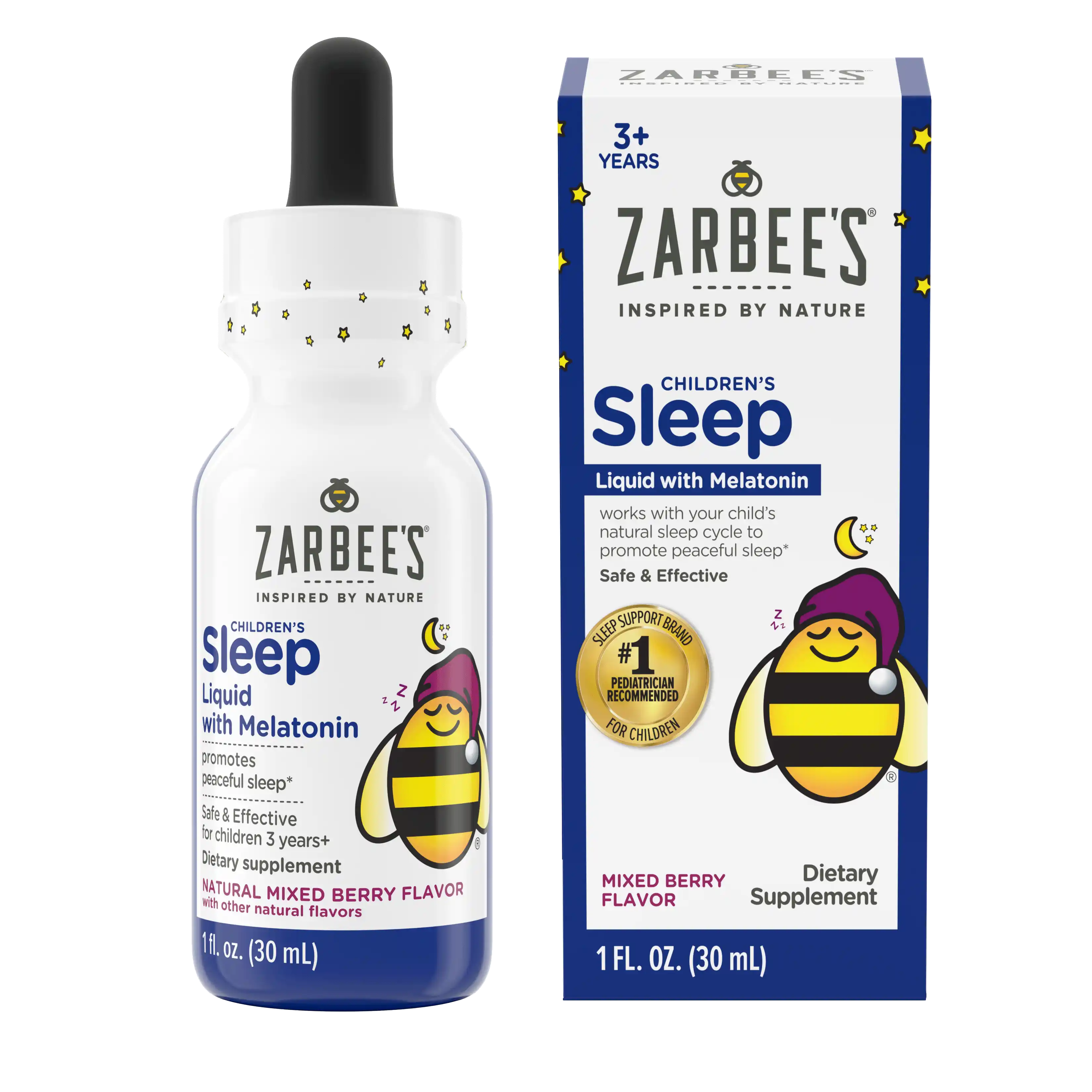
Parents Ask: Can Toddler Take Melatonin? Know This;
Many parents wonder, “Can a toddler take melatonin?” The quick answer is that experts generally say no, or at least, not without talking to a doctor first. Melatonin is a hormone the body makes. It helps control when you sleep and wake up. Giving it to a toddler isn’t usually the first or best step for sleep problems. Doctors often recommend other ways to help kids sleep better before ever thinking about melatonin.
What is Melatonin?
Melatonin is a hormone. Your body makes it in a small part of your brain called the pineal gland. It helps signal to your body that it’s time to sleep. It works with your body’s natural clock, called the circadian rhythm. Your body makes more melatonin when it gets dark. This makes you feel sleepy. When it’s light, your body makes less. This helps you wake up. Melatonin is sold as a supplement. People take it to help with sleep issues.
Why Parents Think About Melatonin for Toddlers
Toddlers need a lot of sleep. Most need about 11 to 14 hours in a full day, including naps. But getting them to sleep can be hard. Many toddlers have trouble falling asleep. Some wake up often during the night. Others wake up too early.
Parents often feel tired and stressed when their child doesn’t sleep well. They want to find something that works fast. They see melatonin sold in stores. It is often marketed for sleep. It might seem like an easy fix. This is why parents start asking if their toddler can take it. They hope it will solve their sleep struggles quickly.
Is Melatonin Safe for Toddlers?
This is a big question for many parents. The truth is, we don’t fully know about melatonin safety toddlers. Melatonin is not a drug. It is sold as a dietary supplement in places like the United States. This means it is not checked by the FDA (Food and Drug Administration) in the same way that medicines are.
- Supplements don’t have to prove they are safe or that they work before being sold.
- What’s on the label might not be exactly what’s inside. Studies have shown that the amount of melatonin in supplements can be very different from what the label says. Some have much more. Some have much less. Some have other things in them that aren’t listed.
- The purity of the supplement can vary a lot.
Because it’s not regulated like medicine, there is less control over how it is made. This lack of control makes experts worry. We don’t have large, long studies on how melatonin affects very young children. Their brains and bodies are still growing fast. Introducing a hormone like melatonin might cause problems we don’t know about yet. Most doctors are careful and suggest avoiding it unless truly necessary and guided by a doctor.
Grasping Toddler Melatonin Dosage
Talking about toddler melatonin dosage is tricky. This is because there is no standard or agreed-upon dose for young children. Melatonin is not approved by the FDA for use in children for sleep problems.
- There are no official melatonin dosage guidelines for children.
- Any dose you might see on a product label is just a suggestion by the maker. It is not based on scientific studies for toddlers.
- Giving a child too much melatonin could be harmful.
- Even small amounts might affect their developing bodies.
Some studies on older children with specific health issues (like autism or ADHD) have used melatonin under strict doctor supervision. The doses in these studies are very specific and chosen by doctors based on the child’s needs and weight. These doses are not meant for typical toddlers with common sleep problems.
Doctors who might consider melatonin for a child with a severe sleep disorder (which is rare in toddlers) would start with a very low dose. They would watch the child closely. They would only do this after trying many other methods first.
Key Point: Do not guess a dose for your toddler. Do not use the dose listed on a product meant for adults or older children. If you think your child needs help, talk to a doctor first. They can help you explore safe options.
Interpreting Melatonin Side Effects in Children
While melatonin is often seen as natural and safe, it can cause melatonin side effects children. Again, we don’t have a lot of research on young children. But based on studies in older children and reports from parents, side effects can happen.
Here are some possible melatonin side effects children:
- Drowsiness during the day
- Headache
- Dizziness
- Nausea (feeling sick to the stomach)
- Wetting the bed (more pee during the night)
- Feeling agitated or restless (the opposite of sleepy)
- Stomach cramps or discomfort
- Changes in mood
Less common but more serious concerns include:
- Allergic reactions
- Effect on hormones: Because melatonin is a hormone, there is worry it could affect other hormones in the body. This is a big concern for growing children whose bodies are changing rapidly. It could potentially affect puberty development later on.
- Effect on brain development: The brain is still forming complex connections in toddlers. Experts don’t know how giving extra melatonin might affect this process over time.
It’s important to remember that even mild side effects are not good if the melatonin isn’t really helping the child sleep better in a healthy way. Also, some side effects might be hard to spot in a young toddler who cannot tell you how they feel.
Pediatrician Melatonin Advice
What do doctors who care for children (pediatricians) say about melatonin for toddlers? Most pediatrician melatonin advice is consistent:
- Try Other Things First: Pediatricians strongly recommend trying changes to sleep habits and routines before considering any supplement. These are proven methods that work well for most kids.
- Melatonin is Not a Cure: Doctors know that melatonin is not a magic sleep solution. It helps signal tiredness, but it doesn’t fix why a child isn’t sleeping well. The root cause (like bedtime fears, needing comfort, inconsistent schedule) needs to be addressed.
- Lack of Research: Doctors are aware there isn’t enough research on the safety and proper dose of melatonin in toddlers. They are cautious because of this lack of information.
- Regulation Issues: They understand that melatonin supplements are not checked by the FDA. This means the quality and amount in the product are not guaranteed.
- Potential Risks: Pediatricians worry about the possible side effects and unknown long term effects melatonin children. They want to protect children from any harm.
- Talk to Your Doctor: If a parent is struggling with a toddler’s sleep, the pediatrician is the first person to call. They can help figure out the problem and suggest safe ways to fix it. They might ask about the child’s daily schedule, what happens at bedtime, where the child sleeps, and what the child eats.
In almost all cases, a pediatrician will suggest behavior changes and routine changes first. They might recommend melatonin only in very specific, rare situations and under their direct guidance. They would choose the type and amount carefully.
Is Melatonin Safe for 2 Year Old?
The question “is melatonin safe for 2 year old” is a specific part of the broader safety concern for toddlers. A 2-year-old is right in the middle of the toddler stage. Their brain and body are still in critical stages of growth and development.
Based on the lack of specific research and the general concerns about supplement regulation and unknown long-term effects, melatonin is generally not considered safe for routine use in a 2-year-old.
- Their sleep patterns are still forming. What might seem like a sleep problem might just be normal toddler behavior or a phase.
- They cannot tell you if they are having a side effect.
- Giving a hormone to a body that is rapidly developing is a significant unknown.
Again, if there are major sleep issues with a 2-year-old, the pediatrician should be the first stop. They can assess if there’s a real problem or just typical toddler sleep challenges. They can then offer proven, safe strategies.
Long Term Effects Melatonin Children
One of the biggest worries about giving melatonin to young children is the question of long term effects melatonin children. This is an area where we have very little information.
- Lack of Studies: There have been no large, long studies following toddlers who took melatonin for months or years. Scientists don’t know what might happen as these children grow up.
- Hormone Impact: Melatonin is a hormone. It works closely with other hormones in the body, especially those related to growth and puberty. Could giving extra melatonin for a long time affect how a child grows or when they go through puberty? Experts don’t know the answer to this.
- Brain Development: The brain is still developing rapidly during the toddler and childhood years. Could changing the body’s natural melatonin levels affect how the brain wires itself? This is another unknown area.
- Dependency: Could the body become used to getting melatonin from a supplement? Could this make it harder for the child’s body to make its own melatonin later on? This is a theoretical concern.
- Sleep Architecture: Natural sleep cycles involve different stages (like deep sleep and REM sleep). Experts don’t fully understand how taking melatonin affects these sleep stages over time in children. Does it lead to truly restful, healthy sleep, or just sedation?
Because we simply don’t know the answers to these questions, most doctors and health groups advise extreme caution or avoiding melatonin use in young children altogether, especially for long periods or for simple sleep problems. The potential unknown risks are considered too high compared to the unclear benefits and the availability of safer methods.
Alternatives to Melatonin for Toddler Sleep
Instead of reaching for melatonin, there are many safe and effective alternatives to melatonin for toddler sleep. These methods focus on building healthy sleep habits. They address the reasons why a toddler might not be sleeping well.
Here are some proven strategies:
Creating a Solid Bedtime Routine
A predictable bedtime routine is the single most powerful tool for toddler sleep. It signals to the child’s body and brain that it is time to wind down and get ready for sleep. Consistency is key.
- Make it Regular: Do the same things in the same order every night. Aim for the same bedtime every night, even on weekends.
- Keep it Calm: Activities should be quiet and relaxing. Examples: a warm bath, putting on pajamas, brushing teeth, reading one or two quiet books, singing a lullaby, gentle cuddling.
- Limit Time: Keep the routine to a reasonable length, maybe 20-30 minutes.
- Bedroom Only: The last part of the routine should happen in the bedroom where the child sleeps.
Setting a Consistent Sleep Schedule
Toddlers thrive on routine. A regular schedule for waking up, naps (if still taking one), and bedtime helps set their internal clock.
- Same Bedtime: Try to put your toddler to bed at the same time each night.
- Same Wake Time: Wake them up around the same time each morning, even if they slept poorly. This helps reset their clock.
- Manage Naps: Make sure naps aren’t too close to bedtime or too long, which can make it hard to fall asleep at night.
Creating a Sleep-Friendly Bedroom
The place where your toddler sleeps matters.
- Dark: Make the room as dark as possible during sleep times (night and naps). Use blackout curtains if needed.
- Quiet: Reduce noise. A white noise machine or fan can help block out household sounds.
- Cool: The room should be a comfortable temperature, not too warm.
- Safe and Cozy: The crib or bed should be safe and comfortable.
Limiting Screen Time Before Bed
Watching TV, tablets, or phones close to bedtime is bad for sleep.
- Blue Light: Screens give off blue light. This light tells the brain to be awake. It stops the body from making its own melatonin naturally.
- Stimulation: Exciting shows or games can make it hard for a toddler to calm down.
- Rule: Turn off all screens at least 1-2 hours before bedtime.
Ensuring Enough Activity During the Day
A child who has plenty of chances to play and move during the day will be more ready to rest at night.
- Outdoor Play: Let your toddler run and play outside if possible.
- Active Play: Encourage physical activity indoors too.
- Avoid Overtiredness: While activity is good, avoid letting your toddler become overtired, which can sometimes make it harder to fall asleep.
Checking Diet and Snacks
What and when a toddler eats can affect sleep.
- Avoid Sugar and Caffeine: Don’t give sugary snacks, drinks, or anything with caffeine (like some sodas or chocolate milk) close to bedtime.
- Light Snack: A light, healthy snack (like yogurt or a banana) a bit before bedtime can prevent hunger wake-ups. Avoid heavy meals close to sleep time.
How to Help Toddler Sleep Without Melatonin
Focusing on the tips above is the main way for how to help toddler sleep without melatonin. It’s about teaching healthy sleep habits. It takes time and patience, but it works for most children.
Here is a step-by-step look at putting these ideas into action:
- Observe First: Before making changes, watch your toddler’s sleep for a few days. When do they seem tired? When do they naturally wake? How long are naps? This helps you plan a realistic schedule.
- Set the Schedule: Pick a consistent bedtime and wake time. Work naps into this if needed. Stick to it as much as possible.
- Design the Routine: Choose 3-5 calming activities for the bedtime routine. Write them down. Put them in order.
- Do the Routine: Start the routine at the same time each night. Do every step. Be calm and quiet.
- Create the Sleep Space: Make the bedroom dark, cool, and quiet before the routine even starts.
- Put Them Down Awake: This is very important. Put your toddler into their crib or bed when they are sleepy but still awake. This helps them learn to fall asleep on their own. If they fall asleep in your arms and wake up in bed, they might be scared or confused and cry for you.
- Handle Wake-Ups: If they wake at night, wait a moment. See if they can settle themselves. If not, do a quick check without turning on lights or playing. Offer a few comforting words. Avoid taking them out of bed or having long cuddles or talks. The goal is to show them you are there but it’s sleep time.
- Be Patient and Consistent: Changes won’t happen overnight. It might take days or even weeks to see big improvements. Doing the same thing every single night is the most important part.
This process is often called ‘sleep training’ or teaching independent sleep skills. There are different ways to do it (like checking in at longer times or staying in the room), but the core idea is consistency and helping the child learn to fall asleep by themselves.
Natural Sleep Aids for Toddlers
When people talk about natural sleep aids for toddlers, they usually mean the strategies discussed above – routine, schedule, sleep environment, and healthy habits. These are the true “natural” helpers for sleep because they work with the child’s body clock and developmental needs.
Other things sometimes mentioned as natural aids include:
- Chamomile Tea: A very weak, cool chamomile tea (check with pediatrician first, especially for young toddlers) is sometimes thought to be calming, but its effect is likely minor compared to routine.
- Lavender: Some parents use lavender scents (like in a bath wash or diffuser – safely placed away from the child) as part of the calming routine. The smell can be relaxing for some. Make sure it’s a child-safe product and not overpowering.
- Warm Bath: A warm bath is part of many relaxing bedtime routines. The slight drop in body temperature after getting out can make a person feel sleepy.
- Quiet Music or Story: Soft music or a calm audiobook can be soothing.
It’s important to see these not as magic cures, but as small parts of a larger healthy sleep plan centered on routine and consistency. They are much safer things to try than giving unregulated supplements like melatonin.
Comparing Melatonin and Behavioral Methods
Let’s look at the differences between using melatonin and using behavioral methods (like routines and schedules) for toddler sleep.
| Feature | Melatonin (Supplement) | Behavioral Methods (Routine, Schedule) |
|---|---|---|
| What it is | A hormone supplement | Changes to habits and environment |
| Regulation | Not regulated like a drug (in many places) | Not applicable |
| Safety | Unknown long-term effects, possible side effects, inconsistent product quality | Proven safe and healthy |
| How it Works | Adds external melatonin to signal tiredness | Teaches body to make its own melatonin, creates sleep cues, addresses root causes |
| Dosage | No standard dosage for toddlers, tricky to get right | Not applicable |
| Effectiveness | May shorten time to fall asleep short-term, but doesn’t fix underlying problems | Helps establish healthy sleep patterns long-term, often solves underlying issues |
| Long-Term | Unknown effects on development | Creates lifelong healthy habits |
| Expert View | Caution, usually not recommended unless specific rare case under doctor care | Strongly recommended as first and best step |
This table shows why doctors prefer behavioral methods. They are safe, address the real reasons for sleep problems, and build healthy habits for the future. Melatonin for toddlers carries risks and unknowns without solving the core issue.
When to Talk to a Doctor About Sleep
If you are really struggling with your toddler’s sleep, it’s time to talk to their pediatrician. Don’t wait too long. Sleep problems affect the whole family.
See a doctor if:
- Your toddler has trouble sleeping night after night.
- Their sleep problems are causing stress for you or the child.
- You have tried consistent routines and schedules for a few weeks, and it hasn’t helped enough.
- Your toddler has other health issues that might affect sleep (like snoring, restless legs, or behavioral issues).
- You are thinking about using melatonin or any other sleep product.
- You just need help and advice on how to improve sleep.
A doctor can help figure out if there’s a health reason for the sleep problem. More often, they can give you specific advice and support for creating a positive sleep plan that works for your family. They can also help you understand normal sleep for your child’s age.
Summary: Making the Best Choice for Your Toddler
Deciding whether to give a supplement like melatonin to a young child is a big deal. When it comes to toddler melatonin dosage and melatonin safety toddlers, the science is just not there to say it’s safe for typical use. There are worries about melatonin side effects children and serious questions about the long term effects melatonin children.
Experts, including pediatricians giving pediatrician melatonin advice, almost always recommend focusing on proven strategies first. Learning how to help toddler sleep without melatonin through consistent routines, schedules, and a good sleep environment is the safest and most effective path. These alternatives to melatonin for toddler sleep build lasting healthy habits.
While natural sleep aids for toddlers like a warm bath or quiet time are fine as part of a routine, the real power lies in consistency and positive sleep training methods.
Before considering anything else, especially something like melatonin where melatonin dosage guidelines for children don’t exist for general use and questions like “is melatonin safe for 2 year old” lack clear positive answers from research, talk to your doctor. They are your best resource for helping your toddler (and you!) get the healthy sleep you need.
Frequently Asked Questions (FAQ)
Q: Is melatonin approved by the FDA for toddlers?
A: No. Melatonin is sold as a dietary supplement. It is not regulated or approved by the FDA like medicines are. This means the FDA does not check it for safety, effectiveness, or quality before it is sold.
Q: Can a toddler overdose on melatonin?
A: Yes, giving a toddler too much melatonin can be dangerous. While it might not cause severe harm in small excess amounts, very large doses could lead to serious side effects or other health issues. Because the amount in supplements can vary, it’s easy to accidentally give too much.
Q: How quickly does melatonin work in toddlers?
A: If it has an effect, it usually happens within 30-60 minutes. However, the effect is often just making the child feel tired, not necessarily helping them stay asleep or fixing the reason they aren’t sleeping well.
Q: Will melatonin solve my toddler’s sleep problems forever?
A: No. Melatonin doesn’t fix the underlying reasons for sleep problems, like not having a consistent routine, bedtime fears, or needing comfort. It’s not a long-term solution and doesn’t teach healthy sleep skills.
Q: My friend gives their toddler melatonin and says it works. Should I try it?
A: It’s best to talk to your own child’s doctor before giving them any supplement, including melatonin. What works for one child might not be safe or right for another. Doctors can give advice based on your child’s specific health needs.
Q: Are there any medical reasons a doctor might suggest melatonin for a toddler?
A: In very rare cases, a pediatrician or sleep specialist might consider melatonin for a toddler with a severe, diagnosed sleep disorder linked to other health conditions (like certain developmental issues). This would only happen after many other treatments have failed, under strict medical supervision, and using a carefully chosen dose from a reliable source if possible. This is not for typical bedtime struggles.
Q: What’s the single most important thing I can do to help my toddler sleep better without melatonin?
A: Be consistent with a calm, predictable bedtime routine and a regular sleep schedule. This is the foundation of healthy sleep for young children.