
Image Source: assets.childrens.com
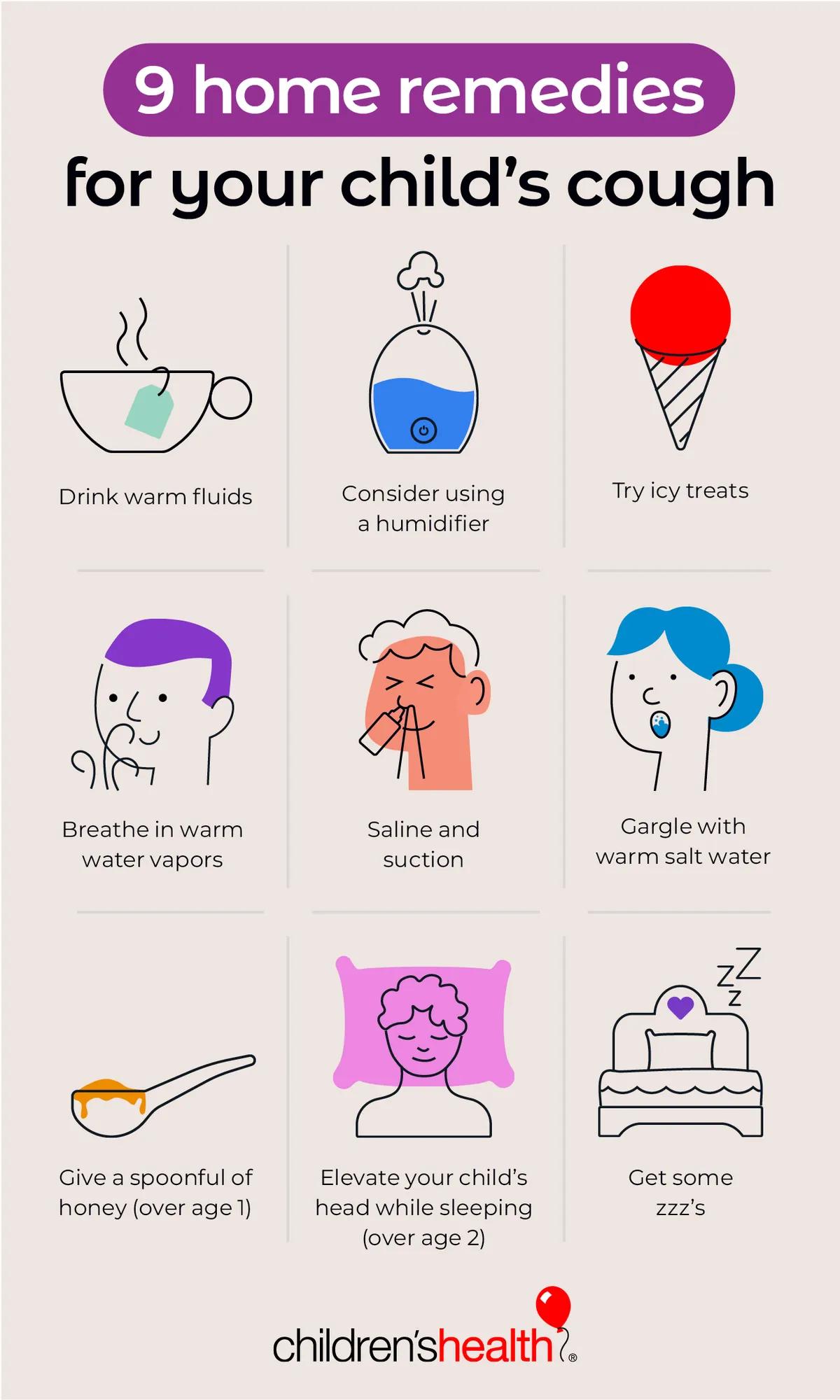
Proven Ways How To Get Toddler To Stop Coughing Now
Getting your toddler to stop coughing can feel like a big challenge, but there are many simple and proven ways to offer relief and help them feel better quickly. Most toddler coughs are caused by common things like colds or other viruses. While you can’t always make the cough disappear instantly, you can use various toddler cough remedies to soothe their throat, clear airways, and help them rest. This guide explores natural remedies toddler cough, effective home remedies for toddler cough, and when you absolutely need to seek medical help.
Decoding Toddler Coughs
Coughing is a natural way the body clears airways. It helps get rid of mucus, irritants, or germs. In toddlers, coughs are very common. They can sound scary, but often they are just a sign their body is fighting off a bug. Knowing why your toddler is coughing can help you choose the best way to help them.
Common Causes of Toddler Coughs
Many things can make a toddler cough. Most times, it’s nothing serious.
Respiratory Infections
- Colds: This is the most common cause. Colds bring runny noses, sneezing, and coughs. The cough often starts dry and becomes wet later.
- Flu: Like a cold, but often more severe. Toddlers might have fever, body aches, and a dry cough that gets worse.
- Bronchiolitis: This often affects babies and young toddlers. It causes swelling in the smallest airways of the lungs. It usually starts like a cold but can lead to wheezing and trouble breathing.
- Croup: This causes a distinct “barky” cough. It often gets worse at night. It’s caused by swelling in the upper airway.
- Pneumonia or Bronchitis: These are infections in the lungs or airways. They can cause a deep, wet cough, sometimes with fever and trouble breathing. These are more serious.
Other Triggers
- Allergies: If a toddler coughs only at certain times of the year or around specific things (like pets or dust), it might be allergies.
- Irritants: Smoke, strong smells, or pollution in the air can make anyone cough, including toddlers.
- Asthma: Some toddlers with asthma cough a lot, especially at night or when they run around.
- Something Stuck: Rarely, a toddler might cough a lot if they inhaled something small into their airway. This needs urgent medical help.
Types of Toddler Cough Sounds
The sound of the cough can sometimes give clues about the cause.
- Dry cough: This cough doesn’t bring up mucus. It often happens at the start of a cold or flu. It can be tickly and irritating.
- Wet cough: This cough brings up mucus or phlegm. It sounds chesty. It’s the body trying to clear the airways. This is often linked to toddler chest congestion.
- Barky cough: This sounds like a seal barking. It’s a classic sign of croup.
- Whooping cough: This is a serious cough with a “whoop” sound after coughing fits. It’s less common now because of vaccines but is very contagious.
- Coughing fits: Long periods of coughing without a break can be tiring for a toddler.
General Care for a Coughing Toddler
Before diving into specific remedies, there are some basic care steps that can make a big difference for baby cough relief (though focusing on toddlers here) and older children too.
Keep Them Hydrated
Drinking lots of fluids is key. Liquids help thin mucus, making it easier for your toddler to cough it up.
- Offer water often.
- Warm drinks like diluted apple juice or weak, decaffeinated tea (if they like it) can be soothing.
- Soups and broths also count as fluids and can help them feel better.
Use a Cool Mist Humidifier
Dry air can make a cough worse, especially a dry, irritating cough or a cough at night.
- Place a cool mist humidifier in their room, especially near their bed.
- The moisture in the air helps soothe airways and loosen mucus.
- Make sure to clean the humidifier daily to prevent mold growth.
Elevate Their Head
For toddler cough at night, raising their head can help with drainage and make breathing easier.
- If they sleep in a crib, you can safely raise one end of the mattress slightly by placing a towel under the mattress (never in the crib with them).
- For older toddlers in a bed, use an extra pillow. Make sure it’s comfortable and safe for them. Never use pillows for babies under one year old due to SIDS risk.
Encourage Rest
Coughing takes energy. Getting enough sleep helps their body fight the infection.
- Stick to their regular sleep schedule as much as possible.
- Create a quiet, comfortable environment for naps and nighttime sleep.
Keep the Air Clean
Avoid anything that can irritate their airways.
- Do not smoke in the house or anywhere near your child.
- Avoid strong perfumes, air fresheners, or cleaning products that can cause coughing.
Natural & Home Remedies for Toddler Cough
Many parents prefer using natural or home remedies for toddler cough before trying medicines. These can be very effective for soothing symptoms.
Honey (For Toddlers Over 1 Year Old)
This is one of the best-known toddler cough remedies.
- Honey for toddler cough works by coating the throat, which can reduce irritation and coughing.
- Studies show it can be as effective as some over-the-counter cough syrups for nighttime coughs in children over one.
- Important: Never give honey to babies under one year old because of the risk of infant botulism.
- How to use: Give half a teaspoon to a teaspoon of honey before bedtime or as needed during the day. You can give it straight or mix it in warm water or weak tea.
Saline Nose Drops or Spray
Clearing a stuffy or runny nose can help with cough, especially a cough caused by post-nasal drip (mucus dripping down the back of the throat).
- Saline is just saltwater. It’s safe and gentle.
- Use drops or spray to loosen mucus in the nose.
- Follow up by teaching your toddler to blow their nose or using a nasal aspirator if they are too young to blow.
- Clear nasal passages mean less mucus running down the throat causing irritation and coughing.
Steam
Moist air from steam can help loosen mucus and ease congestion, useful for toddler chest congestion.
- Steamy Bathroom: Turn on the hot shower, close the bathroom door, and sit with your toddler in the steamy room for 10-15 minutes. Don’t put them in the hot water. This can be very helpful for croupy coughs.
- Warm Bath: A warm bath itself can be soothing and the steam can help.
Herbal Teas (Weak & Caffeine-Free)
Certain mild teas can be soothing, if your toddler is willing to drink them. Make sure they are not hot.
- Chamomile tea: Known for being calming.
- Ginger tea: Can help soothe a sore throat. Use very weak, diluted versions for toddlers.
- Sweeten with a tiny bit of honey (if over 1) for extra soothing power.
Vapor Rubs (Age-Appropriate)
Some vapor rubs can help toddlers feel like they are breathing easier, especially those containing eucalyptus or menthol.
- Caution: Many adult vapor rubs are too strong for young children and can actually irritate their airways.
- Look for products specifically made for babies or toddlers (often labeled for 2 years and up).
- Apply a small amount to their chest or neck, following the product’s instructions exactly. Never put it under their nose.
Chest Physiotherapy / Percussion
This involves gently tapping on your toddler’s chest and back to help loosen mucus in the lungs.
- Use a cupped hand to gently pat their chest and back.
- Do this for a few minutes, especially before they cough, to help move mucus.
- It’s best done when they are relaxed.
What to Give Toddler Cough: Medications
Sometimes, natural remedies toddler cough and home care aren’t enough. You might wonder what to give toddler cough from the pharmacy. It’s very important to be careful with cough and cold medicines for young children.
Avoid Over-the-Counter Cough and Cold Medicines for Young Children
- The American Academy of Pediatrics and other health experts advise against using multi-ingredient cough and cold medicines for children under 4 years old.
- These medicines don’t usually work well for young children and can have serious side effects.
- They often contain ingredients like cough suppressants (stop coughing), expectorants (thin mucus), antihistamines (for allergies), and decongestants (clear stuffy nose). Giving too much or the wrong combination can be dangerous.
When to Consider Medication (Under Doctor’s Guidance)
- In specific cases, a doctor might recommend a single ingredient medication for a toddler.
- For instance, if allergies are clearly causing the cough, an antihistamine might be suggested by a doctor.
- For a fever associated with the cough, your doctor might suggest acetaminophen (Tylenol) or ibuprofen (Motrin) based on your child’s weight and age. Never give aspirin to children due to the risk of Reye’s syndrome.
- Always talk to your doctor before giving any medication to your toddler, especially cough or cold medicine.
Addressing Toddler Cough at Night
A toddler cough at night is incredibly common and frustrating for both the child and the parents. Coughs often seem worse when lying down.
Why Coughs Worsen at Night
- Post-nasal drip: Mucus drips down the throat when lying flat, causing irritation and coughing.
- Dry air: Heating systems can make indoor air very dry, irritating airways.
- Being still: During the day, movement can help loosen mucus. At night, they are still.
Nighttime Remedies
- Honey: As mentioned, a dose of honey before bed is a proven way to soothe nighttime coughs for toddlers over 1.
- Humidifier: Run a cool mist humidifier in their room all night.
- Elevate Head: Slightly raising the mattress head can help with post-nasal drip.
- Saline: Clear their nose with saline spray or drops right before bed.
- Fluids: Make sure they have a drink before bed. Keep water nearby if they wake up thirsty.
- Warm Bath: A warm bath before bedtime can help them relax and the steam can ease congestion before sleep.
Coping with Persistent Cough Toddler
A persistent cough toddler has had a cough that lasts for a long time, often more than 1-2 weeks. It’s natural to worry if a cough hangs around.
Common Reasons for Persistent Coughs
- Post-viral cough: This is very common. The cough lingers for weeks even after the cold is gone. The airways are still a bit sensitive.
- Allergies: If a cough is due to allergies, it will last as long as they are exposed to the allergen.
- Asthma: Coughing, especially with activity or at night, can be a sign of asthma.
- Sinus Infection: An infection in the sinuses can lead to lots of post-nasal drip and a persistent cough.
- Irritants: Ongoing exposure to smoke or other irritants will keep the cough going.
- Less Common Causes: Sometimes a persistent cough can be a sign of other issues, like a foreign object inhaled, whooping cough, or other chronic conditions.
When to Worry About a Persistent Cough
If your toddler has a cough that lasts more than 10-14 days, or if it changes or gets worse, it’s a good time to call the doctor.
Tackling Toddler Chest Congestion
Toddler chest congestion means there is mucus built up in the airways and lungs. This often comes with a wet, chesty cough.
Ways to Help Clear Congestion
- Hydration: Drinking lots of fluids is crucial to thin the mucus.
- Humidifier: Moist air helps loosen thick mucus.
- Steam: Time in a steamy bathroom.
- Chest Physiotherapy: Gentle tapping can help.
- Encourage Movement: Gentle activity or playing can help loosen mucus better than lying still.
- Avoid Milk (Sometimes): Some parents find that milk seems to thicken mucus in their child. While not scientifically proven for everyone, if you notice it makes your toddler’s congestion worse, you could try limiting dairy when they are congested. Make sure they get fluids from other sources.
When to See Doctor Toddler Cough
Knowing when to see doctor toddler cough is extremely important. While most coughs are minor, some signs need medical attention right away.
See a Doctor Immediately If Your Toddler Has:
- Trouble breathing: Breathing fast, working hard to breathe, nostrils flaring, chest sucking in between ribs or at the neck.
- Blue lips or face: This means they aren’t getting enough oxygen. This is an emergency.
- High fever: Fever over 102°F (39°C) in a toddler, especially if they look very sick.
- Coughing up thick yellow, green, or bloody mucus: This can be a sign of infection.
- Coughing fits followed by vomiting: This can happen with severe coughs.
- A harsh, “whooping” sound after coughing: This could be whooping cough.
- Sudden, severe coughing that started after eating or playing with small objects: Could mean something is stuck in their airway.
- Wheezing: A whistling sound when breathing out.
- Seems very sick or unusually tired.
- Coughing that is getting worse instead of better.
- Cough that has lasted more than 2-3 weeks without improvement.
Table: Quick Guide to Cough Types and When to Worry
| Cough Type | Sounds Like | Often Caused By | When to See Doctor (Not Emergency) | See Doctor Immediately If… |
|---|---|---|---|---|
| Dry Cough | Tickly, hacking, no mucus | Start of cold/flu, irritants, allergies | Lasts > 2 weeks, gets worse, linked to triggers | Hard to breathe, high fever, wheezing, looks very sick |
| Wet/Chesty Cough | Bringing up mucus, rattling | Colds, bronchitis, pneumonia, congestion | Lasts > 2 weeks, fever lasts > a few days | Hard to breathe, high fever, wheezing, looks very sick |
| Barky Cough | Like a seal, often worse at night | Croup | Mild barking without breathing problems | Hard to breathe, noisy breathing in, pale/blue lips |
| Whooping Cough | Series of coughs followed by a “whoop” sound | Pertussis (Whooping Cough) | Always see a doctor for suspected whooping cough | Always see a doctor immediately if suspected |
| Sudden, Severe | Starts suddenly, maybe choking | Object in airway, sudden irritant | – | Always see a doctor immediately, especially if choking |
Note: This table is a simple guide. Always trust your gut and call your doctor if you are worried.
Preventing Toddler Coughs
While you can’t prevent every cough, you can take steps to reduce the chances your toddler gets sick.
- Frequent Handwashing: Teach your toddler to wash their hands often with soap and water for 20 seconds. You should wash yours frequently too.
- Avoid Sick People: Try to keep your toddler away from others who are coughing or sneezing.
- Get Vaccinations: Make sure your toddler is up to date on all recommended vaccines, including the flu shot each year. Vaccines help protect against serious illnesses that cause coughs, like the flu and whooping cough.
- Keep Surfaces Clean: Regularly clean surfaces in your home that are touched often.
- Teach Cough Etiquette: Show your toddler how to cough or sneeze into their elbow or a tissue.
Conclusion
Dealing with a toddler’s cough can be stressful, especially when it affects their sleep or seems to last forever. Most coughs are part of a common cold and will get better on their own with time and simple care. Using toddler cough remedies like honey (if over 1), humidifiers, saline drops, and ensuring good hydration and rest can provide significant baby cough relief (for toddlers!). Remember that natural remedies toddler cough and home remedies for toddler cough are often the safest first step. However, it is critical to know when to see doctor toddler cough, particularly if you see signs of trouble breathing, high fever, or if the cough is persistent cough toddler or getting worse. By understanding the common causes and effective ways to help, you can confidently support your toddler through their cough and help them return to feeling their happy, healthy self.
Frequently Asked Questions (FAQ)
Q: Can I use cough syrup for my toddler?
A: Most health experts recommend avoiding over-the-counter cough and cold syrups for children under 4 years old because they are not proven to be effective and can have serious side effects. Always talk to your doctor before giving any medication.
Q: My toddler coughs a lot at night, but is fine during the day. What helps?
A: Toddler cough at night is often made worse by lying down and post-nasal drip. Try using a cool mist humidifier in their room, giving honey before bed (if over 1), elevating the head of their mattress slightly, and clearing their nose with saline before sleep.
Q: Is honey really safe and effective for a toddler’s cough?
A: Yes, honey for toddler cough is considered safe and effective for toddlers over 1 year old. It can help soothe the throat and reduce coughing, especially at night. Never give honey to babies under one due to the risk of botulism.
Q: How long should a toddler’s cough last?
A: A cough from a common cold can last for 1 to 2 weeks, sometimes even up to 3 weeks (a persistent cough toddler). If the cough lasts longer than 2-3 weeks, or if you are worried, see your doctor.
Q: Can I give my toddler vapor rub for chest congestion?
A: Only use vapor rubs specifically made for babies or toddlers (often for ages 2 and up). Adult formulas are too strong. Apply a small amount to the chest or neck, following product directions. Do not put it under their nose. This is one way to help with toddler chest congestion.
Q: What are the best home remedies for toddler cough?
A: Good home remedies for toddler cough include offering plenty of fluids, using a cool mist humidifier, giving honey (over 1 year old), using saline nose drops, and using steam from a shower. These are gentle and effective ways to provide toddler cough remedies.
Q: When is a toddler cough a sign of something serious?
A: See a doctor right away if your toddler has trouble breathing (fast breathing, working hard to breathe), blue lips, high fever, wheezing, a barky cough with noisy breathing in, a whooping sound after coughing, or if they seem very sick. This covers when to see doctor toddler cough.